


Japanese Enamel Ceramic Vessel
These japanese enamel ceramic vessel pieces span centuries of meticulous craftsmanship, offering collectors intricate hand-painted designs and traditional forms.
Japanese Enamel Ceramic Vessel
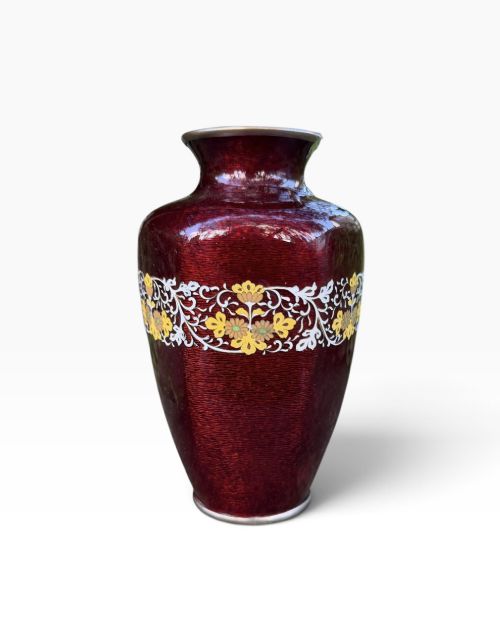
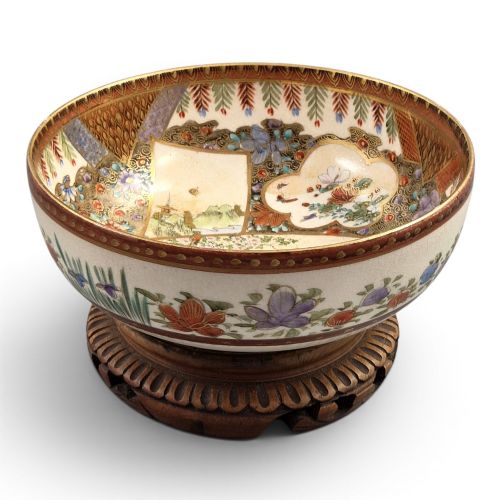
When you search for japanese enamel ceramic vessel, you encounter a diverse range of forms including vases, decorative bowls, and incense burners. The selections on this page draw predominantly from the Meiji and Edo periods, alongside studio pottery traditions.
The objects take various functional and ornamental shapes, from large jardinieres and temple censers to delicate sake ewers and sugar bowls. Collectors find distinct regional identities represented among the works, linking specific firing centres to particular decorative styles.
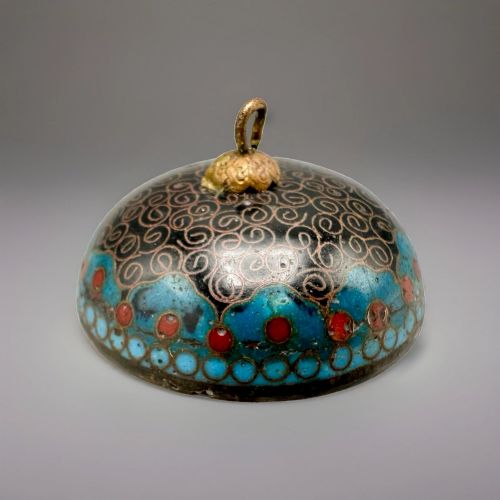
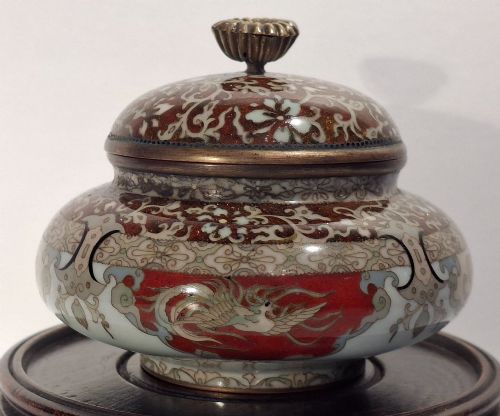
Earthenware, porcelain, and stoneware provide the structural body for these items, often enriched with detailed painting, moriage relief work, or metal-wire cloisonne techniques. Many examples display signatures or marks from renowned workshops and individual artists active during the late nineteenth and early twentieth centuries.
Materials and construction
Potters shaped local clays into earthenware, porcelain, and stoneware bodies before applying glazes and enamel pigments. Kiln temperatures varied according to the clay body and the specific ceramic tradition, with some pieces receiving multiple firings to set complex colour palettes.
Artisans applied surface decoration using fine mineral paints, heavy gold gilt, and occasionally gold leaf highlights. Techniques such as totai shippo involved laying enamel directly onto a ceramic base rather than metal, creating distinctive textured finishes like imitation tree bark.
One censer takes the delightful shape of a mythical treasure ship, ready to sail across your mantelpiece carrying good fortune.
Assessing craftsmanship
Superior examples demonstrate exceptional control in the brushwork of painted panels, particularly where narrative scenes, floral arrangements, or thousand-flower motifs cover the surface. The precision of raised moriage work and the crispness of gilded detailing distinguish master workshops from commercial output.
The weight, balance, and structural integrity of the ceramic body also indicate higher execution standards, especially in large-scale vases and jardinieres. Signatures from established makers like Kozan or Kinkozan often correlate with superior material refinement and artistic ambition.
Kozan·Makuzu Kozan II·Kinkozan
The Japanese Enamel Ceramic Vessel Glossary
- Satsuma
- A type of Japanese earthenware featuring a crackled ivory-coloured glaze and elaborate polychrome and gilt decoration. These pieces were widely produced for export during the Meiji period.
- Moriage
- A decorative ceramic technique using piped clay to build up raised relief patterns before glazing and firing. This method creates a textured surface often accented with bright colours and gold leaf.
- Koro
- A traditional Japanese incense burner, typically featuring a pierced lid to release fragrance. They appear in various forms including tripod vessels and figural shapes.
- Totai shippo
- Cloisonne enamel applied directly to a ceramic or porcelain body rather than a metal foundation. This technique requires expert firing to bond the glass enamels to the fired clay.
- Kutani
- A style of Japanese porcelain and pottery known for bold colour palettes and intricate pictorial designs. It originates from the Kaga province.
Japanese Enamel Ceramic Vessel: Frequently Asked Questions
How do I care for antique Japanese ceramics?
Dust these items gently with a dry, soft cloth and avoid chemical cleaners that might damage delicate gold gilt or enamel surfaces.
Keep them away from direct sunlight and sudden temperature shifts to protect the underlying ceramic body and older glazes.
What is the difference between Satsuma and Kutani ware?
Satsuma ware generally utilises an earthenware body with a distinctive crackled transparent glaze, heavily decorated with polychrome enamels and gold.
Kutani ware typically employs a porcelain base featuring vibrant, painterly scenes and strong colour schemes dominated by greens, blues, and reds.
How can I tell the Meiji period pieces apart?
Meiji period items often display an increased emphasis on intricate detail, heavy gilding, and export-driven artistry reflecting Western tastes of the late nineteenth century.
Earlier pieces from the Edo period tend to show more restrained aesthetics tied to domestic traditions and specific regional kilns.
Were incense burners used daily?
Incense burners served both practical functions in perfuming living spaces and ceremonial roles in temples and traditional households.
Many elaborate examples served primarily as decorative display pieces rather than functional liturgical items.