




Cream Satsuma Pottery Vase
When you search for a cream satsuma pottery vase, you are looking at earthenware with historic Japanese roots.
Cream Satsuma Pottery Vase
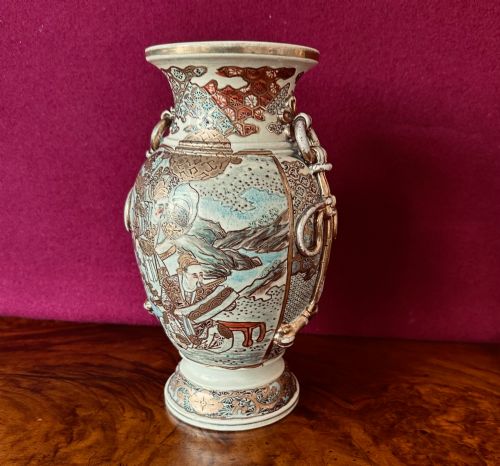
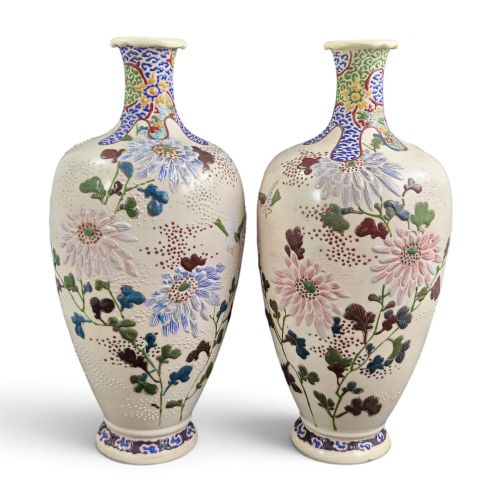
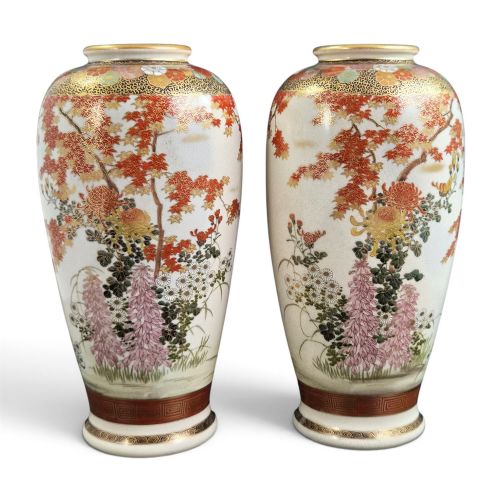
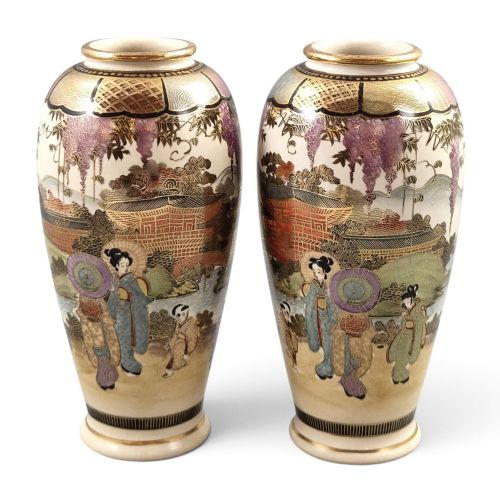
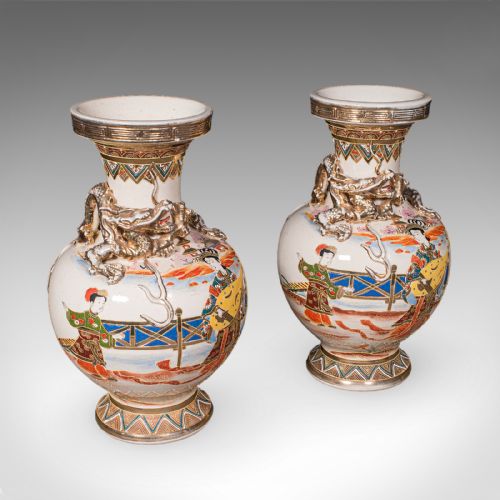
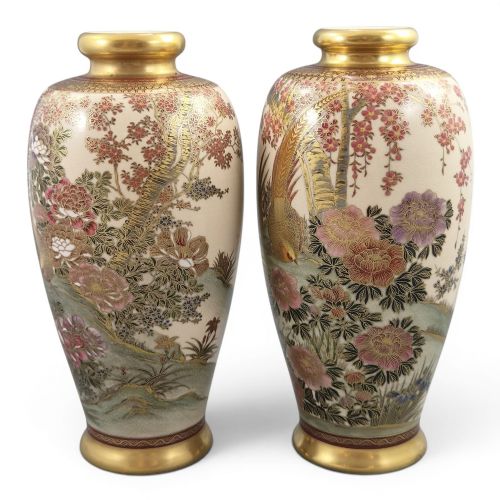
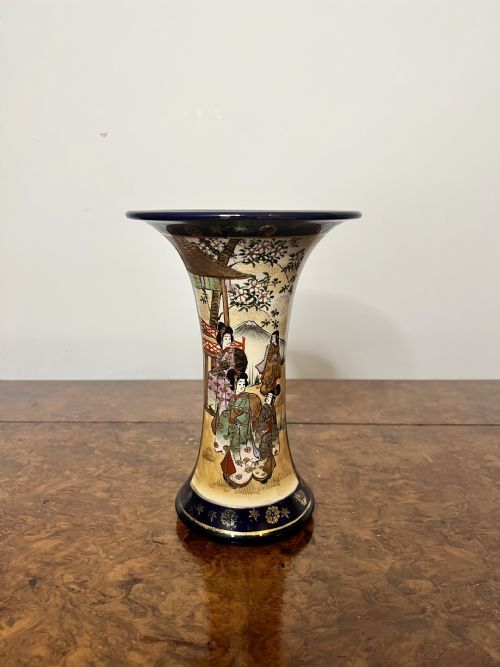
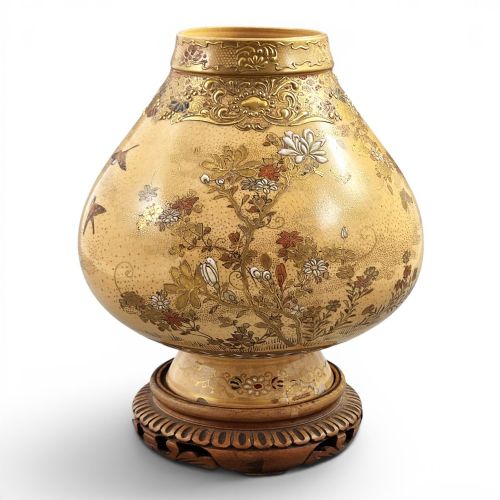
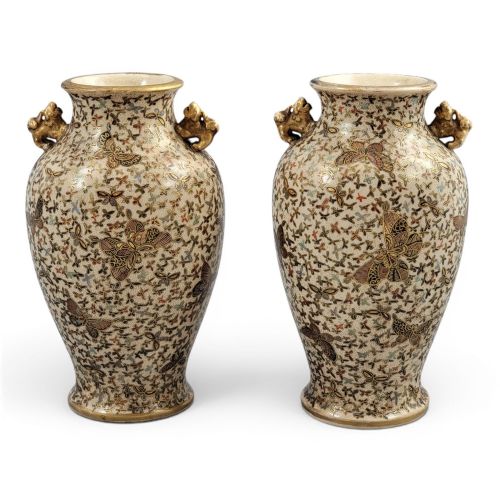
A cream satsuma pottery vase brings historic Japanese ceramic art into domestic spaces through forms created during the Meiji, Taisho, and early Showa periods. The pieces appearing here span traditional baluster shapes, miniature vessels, and larger decorative urns.
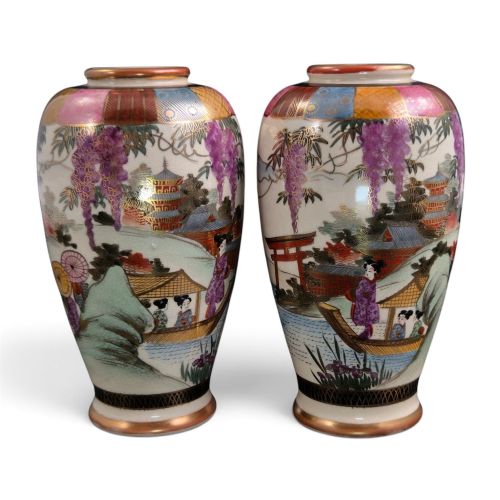
Makers often drew inspiration from natural landscapes, figures, and traditional motifs such as wisteria, butterflies, and processions. Buyers encounter both diminutive miniature vases and monumental exhibition-scale pieces created in Kyoto and other regional centres.
The aesthetic relies heavily on the crackle glaze characteristic of this ceramic tradition, serving as a pale background for detailed enamel and gilt work. Many examples originate from the late nineteenth century and the early decades of the twentieth century.
How They Were Made
Potters formed these items using earthenware clay, applying a distinctive cream-coloured glaze that developed a fine network of crackles during cooling. This absorbent porous body provided a suitable canvas for subsequent hand-painted decoration.
Artists decorated the hardened ceramic surfaces using coloured enamels and gold leaf or gilt details. Skilled painters executed minute figural scenes, landscapes, and floral patterns by hand before a final low-temperature firing fixed the design.
Some miniature vases are so small they require careful inspection just to reveal a bustling procession of tiny painted figures.
What Varies in Quality
The standard of painting distinguishes ordinary production from exceptional workshop output. Finer vessels display precise brushwork in the enamel and gilding, with carefully delineated facial expressions and botanical details.
Signatures by recognised makers or distinguished workshops elevate the standing of a piece. The weight, symmetry of the ceramic body, and the complexity of the forms, such as bamboo handles or garlic heads, also reflect the skill involved in their creation.
Maruni Kobe·Manpei·Kinkōzan·Kinzan·Hododa·Chosei·Shuzan·Seiko-en Chokei·Choshuzan·Hakusan·Tagawa·Tashiro·Hattori·Hayakawa
The Cream Satsuma Pottery Vase Glossary
- Baluster
- A vase form with a rounded body that tapers towards the neck and foot. This traditional silhouette appears frequently among Japanese ceramics.
- Enamel
- Opaque glass-like paint applied to the ceramic surface in various colours. Artists used it to build up the vibrant pictorial scenes.
- Gilt
- A thin layer of gold applied to highlight specific areas of the decoration. It accents borders, figures, and floral elements.
- Koro
- A small tripod incense burner with a lid. These decorative items often feature animal or mythical creature handles.
- Mon
- A Japanese heraldic badge or family crest. The Shimazu clan crest frequently appears on this pottery.
Cream Satsuma Pottery Vase: Frequently Asked Questions
What is a cream satsuma pottery vase?
It is a type of Japanese earthenware featuring a characteristic crackled cream glaze. These vessels are hand-painted with enamels and gilt.
They originate mainly from the Meiji and Taisho periods, showcasing traditional Japanese art styles.
How do I identify a satsuma vase?
Look for the fine network of crackles across the cream-coloured earthenware body. The surface typically displays detailed pictorial scenes executed in enamel and gold.
Many pieces also feature artist signatures, workshop stamps, or family crests on the base.
Where were these vases made?
Production centred around Kyoto, though workshops operated in other regions like Kobe. Master artisans created these pieces for both domestic use and international export.
Exhibition pieces often reflected high technical standards developed during the late nineteenth century.
How should I display my vase?
Place the item away from direct sunlight to protect the delicate enamel and gilt details. Ensure it sits on a stable surface where accidental knocks are unlikely.
Because many pieces are earthenware, handling them with clean, dry hands preserves the porous glaze.