


Japanese Edo Period Urns
These japanese edo period urns span seventeenth-century blue and white porcelain to nineteenth-century cloisonne enamel, offering substantial decorative presence.
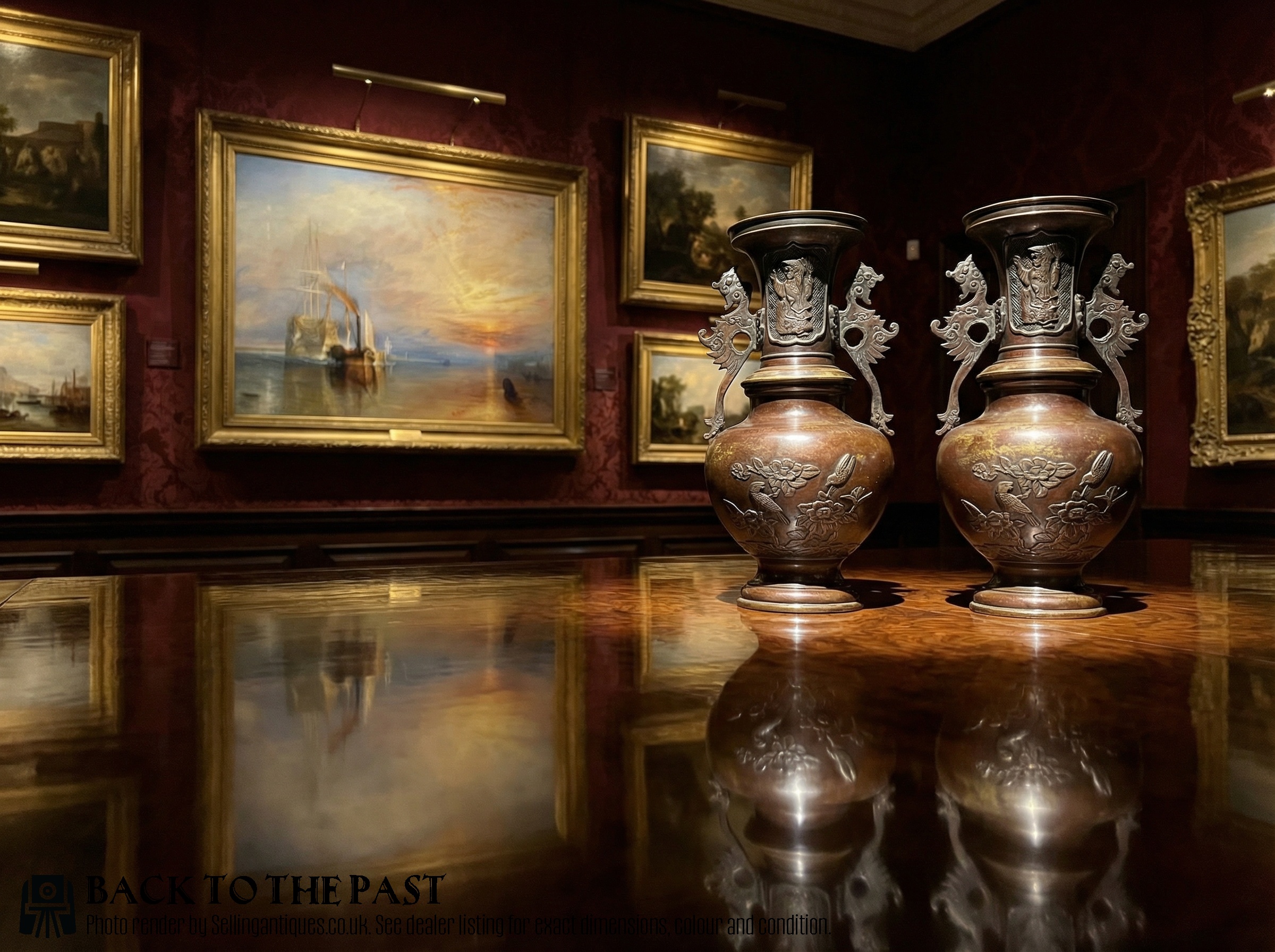
Japanese Edo Period Urns
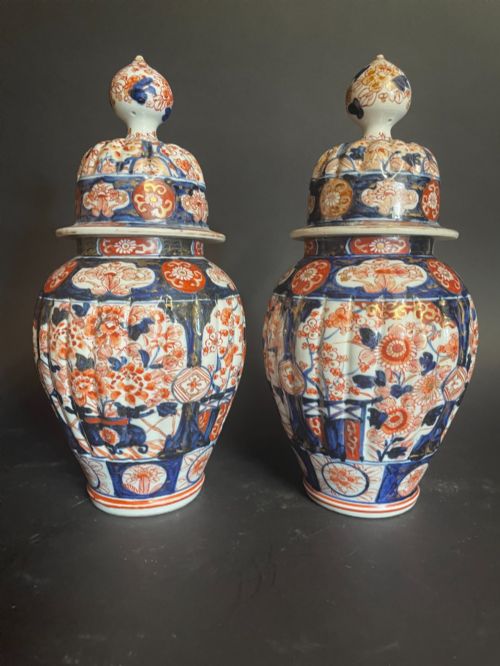
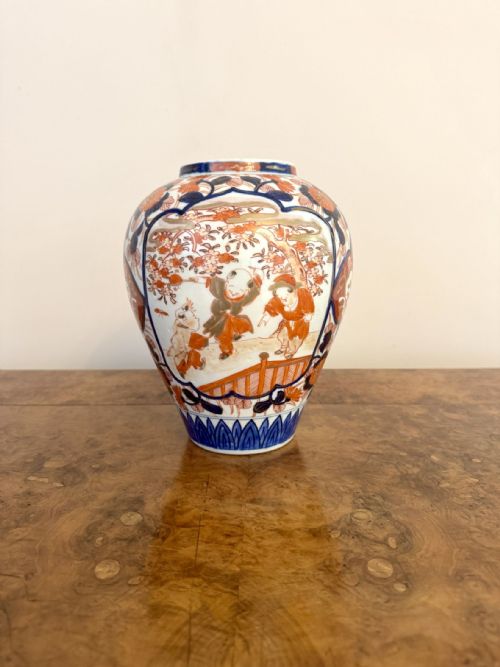
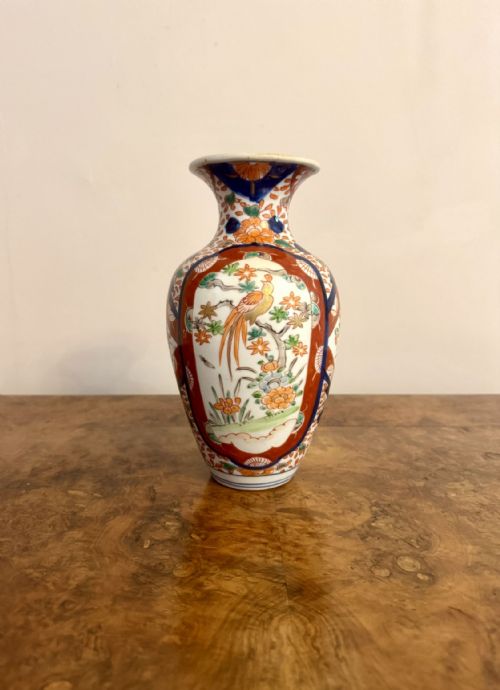
Japanese edo period urns encompass lidded jars, baluster vases, and decorative vessels originating across the seventeenth, eighteenth, and nineteenth centuries. The selection demonstrates diverse utilitarian forms adapted for display, including incense burners, jardiniere planters, and matching garniture sets.
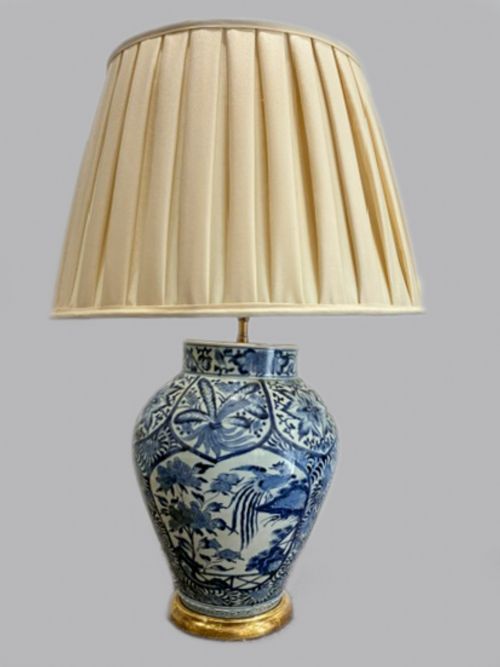
Imari palette porcelain dominates the offerings alongside blue and white Arita wares and cloisonne enamel palace vessels. Pieces range from converted nineteenth-century table lamps to seventeenth-century trumpet-shaped beaker vases decorated in traditional designs.
Materials and Technique
Construction relies primarily on porcelain and bronze, shaped into baluster, octagonal, and shaped vessel profiles. Potters and metalworkers utilised glaze, gilt, gold leaf, and enamel pigments to finish the ceramic and cast metal surfaces.
Decoration incorporates intricate hand-painted motifs, notably Phoenix and dragon subjects, alongside blue and white underglaze painting and polychrome Imari designs. Bronze pieces utilise casting techniques to form censers and planters with detailed ornamentation.
Listings span seventeenth-century production to the nineteenth century, incorporating porcelain, bronze, enamel, and silk materials.
Assessment of Quality
Distinction across the range rests on the precision of the hand-painted decoration, the crispness of porcelain moulding, and the casting depth of bronze forms. Complete matching pairs and garniture sets of three or more pieces command distinct interest compared to single items.
The complexity of the palette execution and the preservation of original lids and covers determine the standing of individual ceramic vessels.
The Japanese Edo Period Urns Glossary
- Imari
- A style of Japanese porcelain decorated in underglaze blue, iron red, and gilt. This palette appears frequently on seventeenth and eighteenth-century pieces.
- Arita
- The town in Japan associated with the production of Japanese porcelain. Arita wares form a major part of the blue and white and Imari listings.
- Garniture
- A set of matched vases or jars designed to be displayed together on a mantelpiece or cabinet. These sets typically comprise three or more vessels.
- Cloisonne
- A metalwork technique where enamel compartments are created using soldered flat wires. Palace vases utilise this method to depict birds and floral subjects.
- Censer
- A vessel designed for burning incense, typically cast in bronze. These items often incorporate dragon motifs on the body.
Japanese Edo Period Urns: Frequently Asked Questions
What periods do these vessels represent?
The selection spans from the late seventeenth century through the eighteenth and nineteenth centuries. Pieces align with the Edo period and later Victorian exhibition eras.
Datings range from specific years like sixteen-eighty through to nineteenth-century production dates.
How were lidded jars used?
Lidded jars and baluster vases served primarily as decorative display items within interiors. Many were arranged in matching pairs or larger garnitures.
Some later examples were adapted into table lamps while retaining their original ceramic bodies.
What is the difference between Arita and Imari?
Arita refers to the geographic production centre in Japan where the porcelain body was fired. Imari describes the specific decorative colour palette applied to the ceramic.
Many listings combine these terms to denote seventeenth and eighteenth-century porcelain vessels.
Are bronze items from the Edo period?
Bronze objects include censers and jardiniere planters attributed to the Edo period and Victorian importing eras. These cast metal pieces often feature dragon ornamentation.
They function as decorative urns and planters within the collection.