




Japanese Dragon Handle Vase
These japanese dragon handle vase examples bring striking Meiji period metalwork and ceramics into a room, offering exceptional sculptural form for collectors.
Japanese Dragon Handle Vase
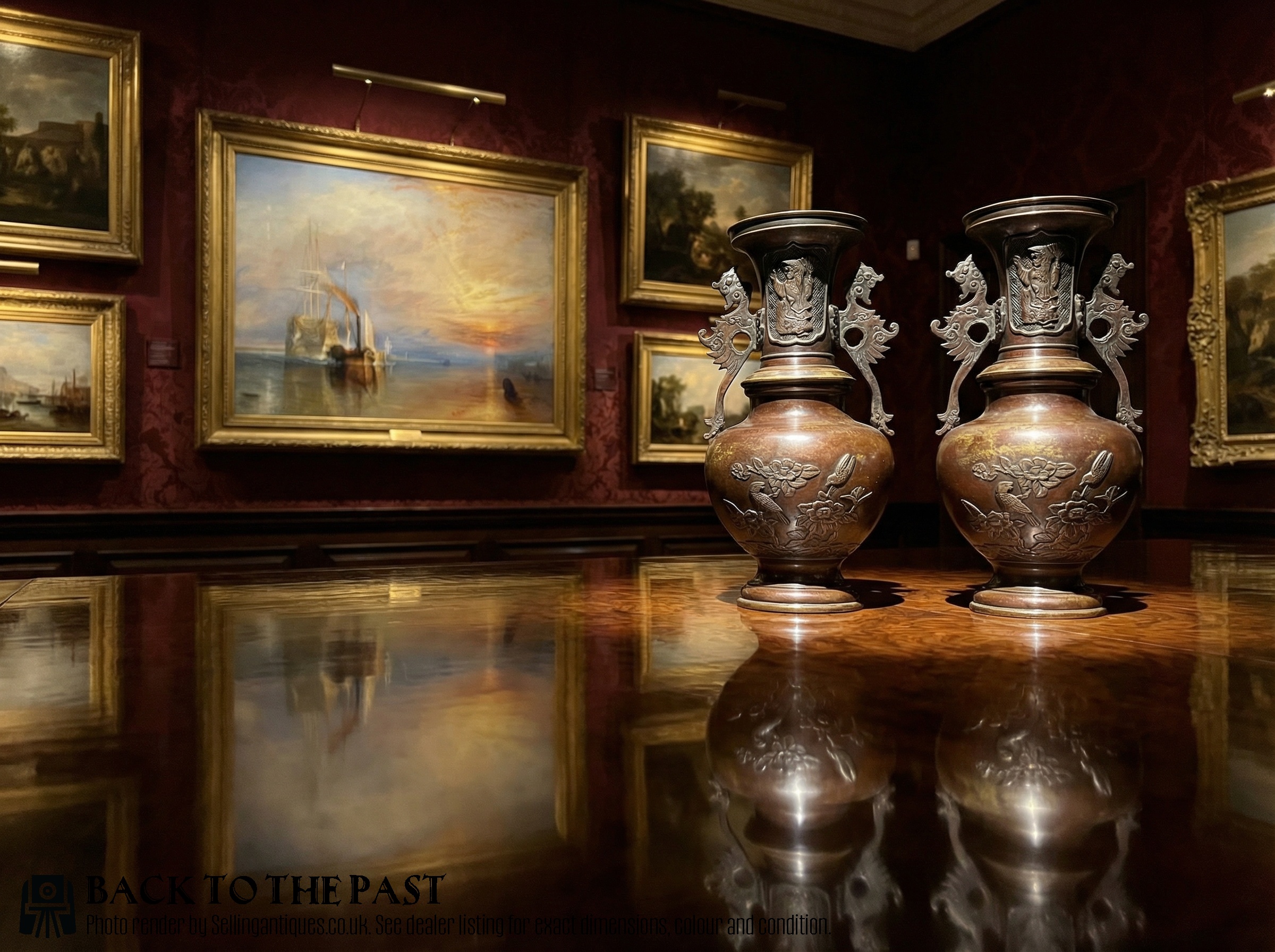
When you search for a japanese dragon handle vase, you encounter sculptural vessels shaped by metalworkers and potters during the nineteenth century and early twentieth century. These objects typically combine traditional Asian forms with bold, writhing dragon motifs integrated directly into the handles.
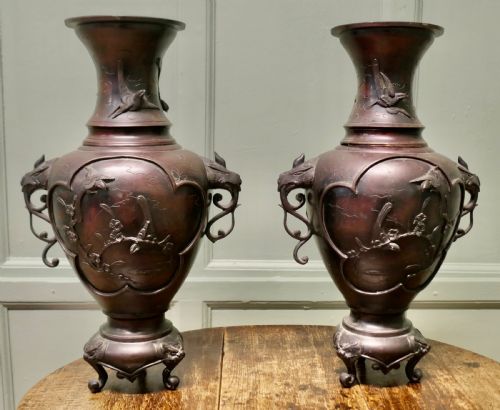
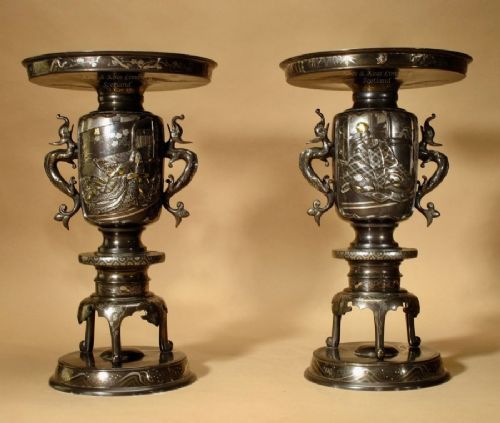
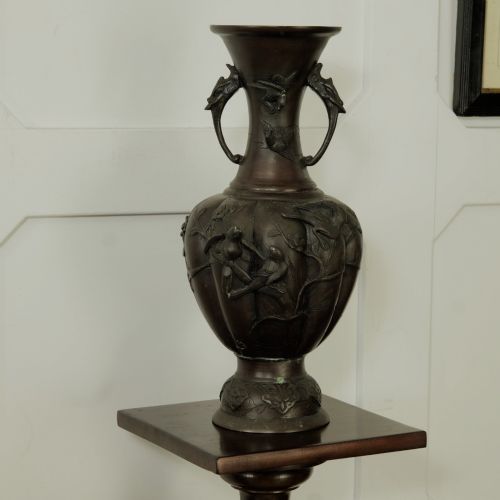
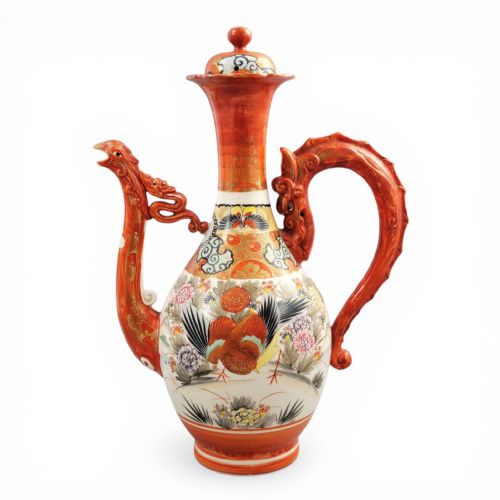
The pieces appearing most frequently across these listings are bronze vases and urns originating from the Meiji period. Alongside metalwork, ceramic examples such as Satsuma earthenware and Kutani porcelain occasionally emerge with modeled dragon handles and detailed hand-painted decoration.
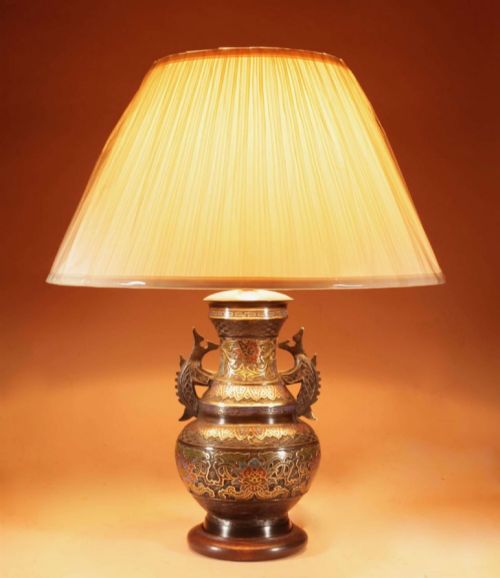
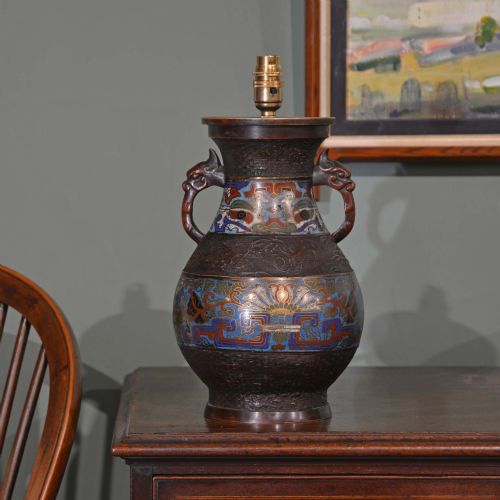
Originating largely from late Victorian and Meiji production, these vessels serve as dramatic decorative accents. They range in scale from cabinet vases to large floor urns, and several have been converted into table lamps over time.
What varies in quality
The crispness of the casting and the depth of the chasing define the better bronze examples. Superior pieces display sharply rendered scales and claws on the dragon handles, alongside finely executed champlevé enamel or gold inlay that remains intact across the surface.
In ceramic versions, quality rests on the precision of the hand-painted details and the stability of the glaze. Masterpieces often feature signed bodies, complex cloisonné techniques like totai shippo, and balanced proportions between the vessel and its sculptural handles.
The Japanese Dragon Handle Vase Glossary
- Meiji Period
- The era in Japanese history spanning from 1868 to 1912, noted for a surge in fine metalwork and export arts. Pieces from this time frequently incorporate traditional motifs like dragons and archaic bronze styles.
- Champlevé
- An enamelling technique where troughs or cells are sunk into the surface of a metal object and filled with vitreous enamel before firing. This method adds vivid colour highlights to bronze vases and urns.
- Satsuma
- A type of Japanese earthenware featuring a crackled ivory-coloured glaze decorated with polychrome enamels and gilt. These ceramics often depict figures, flora, and fauna alongside modeled elements.
- Archaistic
- A stylistic choice where makers consciously emulate the ancient ritual bronze forms of early Chinese dynasties. Such vessels draw on historic shapes while incorporating Meiji period craftsmanship.
Japanese Dragon Handle Vase: Frequently Asked Questions
What periods do these vases come from?
The pieces span the late nineteenth century and early twentieth century, with a strong concentration from the Meiji period. Victorian and Edwardian era production dates appear frequently among the listings.
Craftsmen produced these works across several decades, overlapping with the Taisho period in certain regional schools.
How were dragon handles attached?
Metal dragon handles were typically cast as integral parts of the vessel or securely riveted and brazed to the shoulders. On ceramic pieces, potters luted modeled clay handles onto the greenware body before kiln firing.
This sturdy construction allowed the handles to serve both a decorative purpose and a functional role in lifting the heavy urns.
Can these vases be used as lamps?
Several examples on the market have been adapted into table lamps using the body of the original bronze vase. These conversions generally preserve the main vessel structure while integrating electrical fittings.
Such pieces maintain the sculptural presence of the original Japanese bronzes while serving a modern lighting function.
How do I distinguish bronze from brass?
Bronze objects from this tradition typically exhibit a heavier weight and a deeper, darker patination developed over time. Brass variants tend to display a brighter golden metallic tone when the surface is exposed.
Consulting the specific material descriptions in individual listings helps clarify the primary metal composition of each piece.