
Oriental Metalwork Vessel
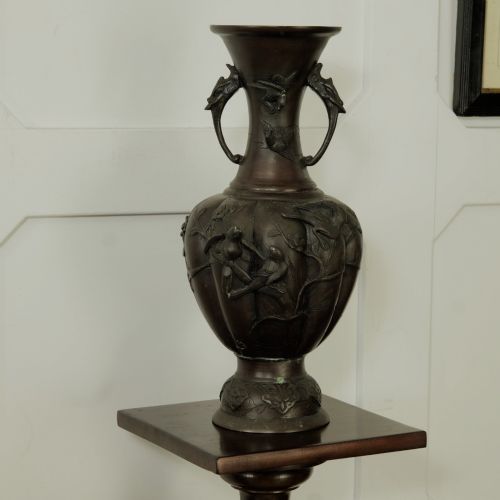
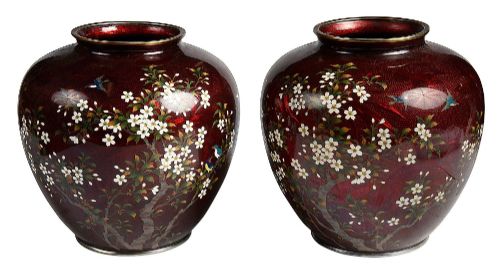
An oriental metalwork vessel brings tactile weight and centuries of foundry skill directly into a room, spanning bronze censers and cloisonne vases.
Oriental Metalwork Vessel
An oriental metalwork vessel encompasses hollow forms originating from China and Japan, spanning centuries of Far Eastern craftsmanship. When searching for an oriental metalwork vessel, collectors encounter utilitarian objects and decorative pieces fashioned from durable alloys.
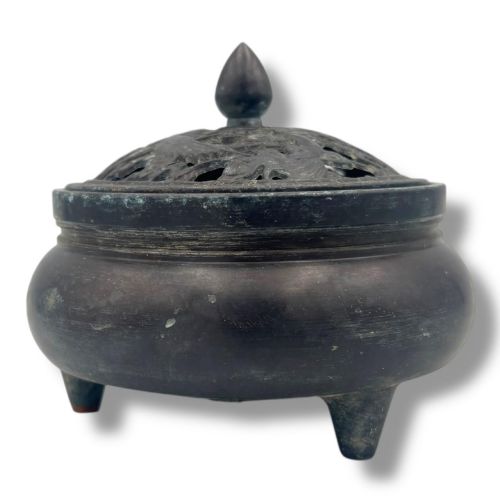
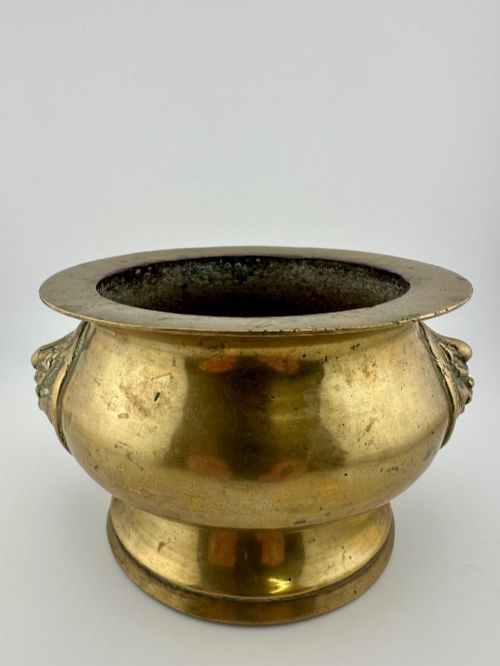
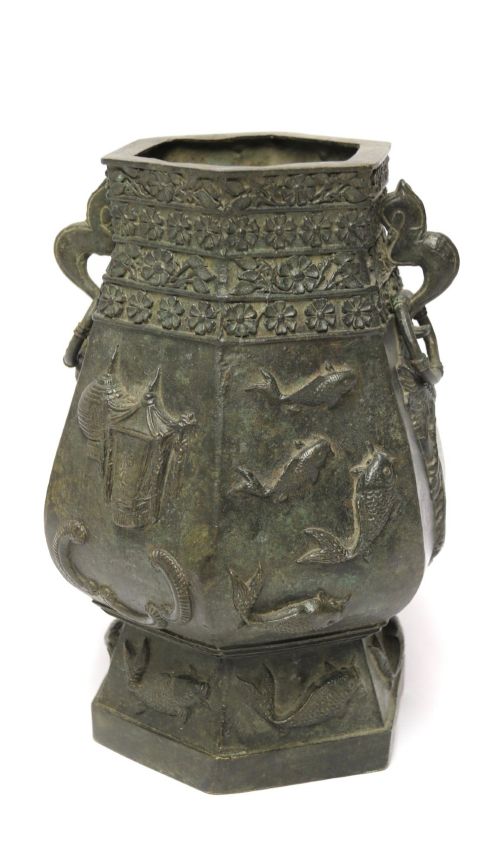
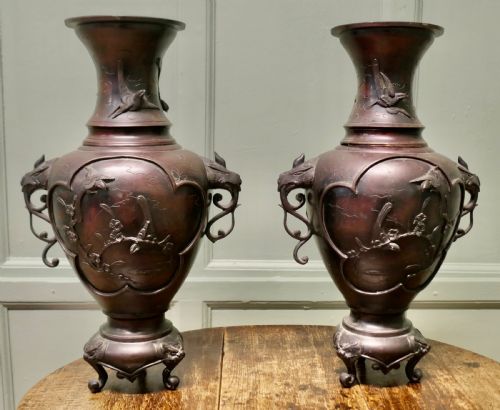
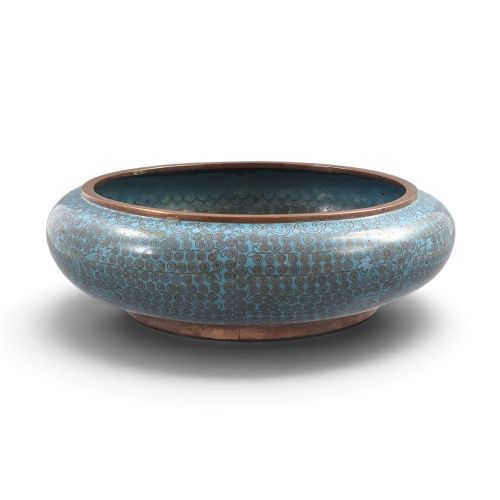
The selections available here rely heavily on 19th-century production, particularly pieces originating during the Japanese Meiji period and the late Qing Dynasty in China. Vases, tripod censers, and decorative bowls dominate the available inventory, reflecting traditional domestic and scholarly uses.
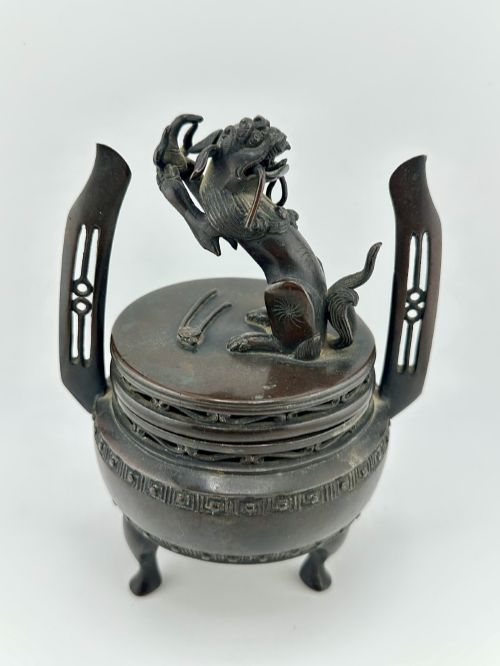
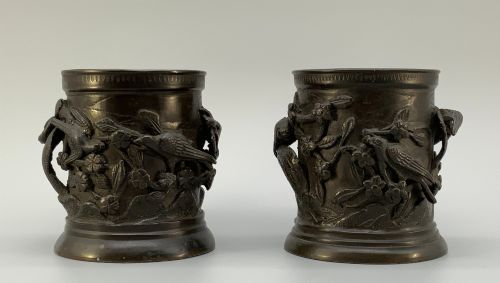
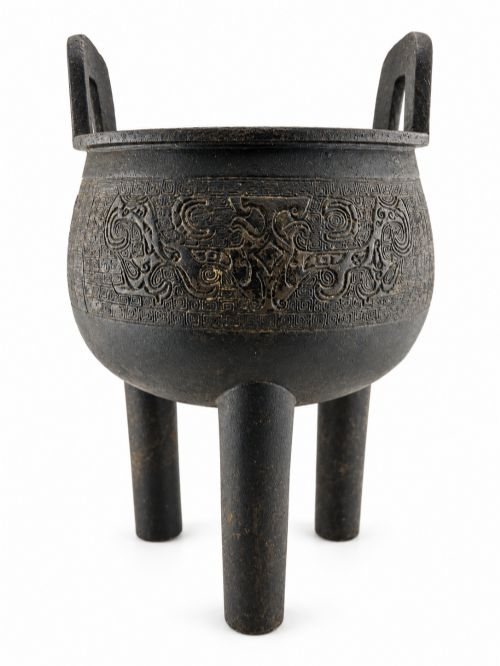
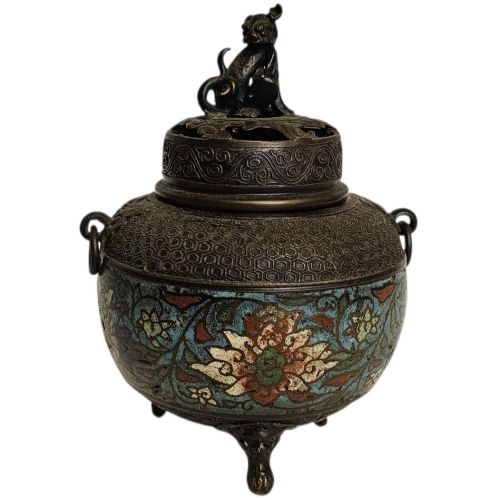
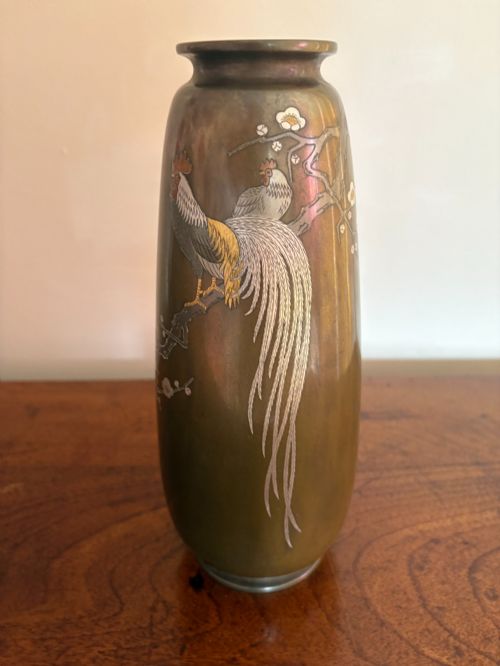
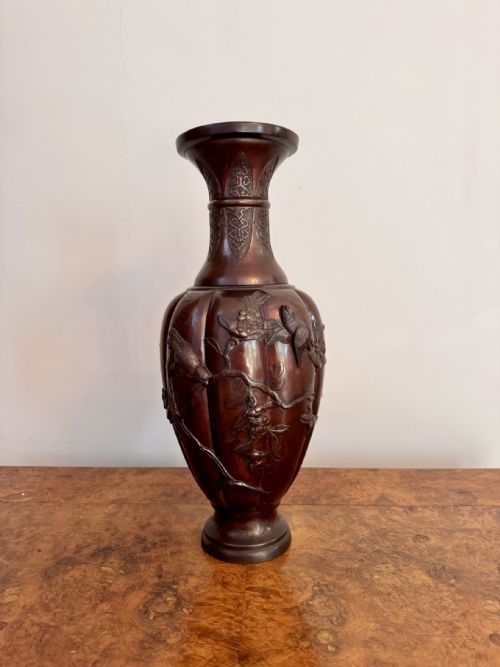
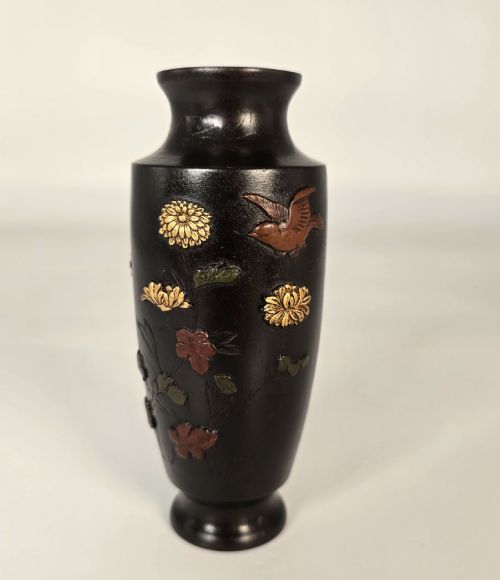
Forms range from heavily cast archaistic ritual ding vessels to slender baluster vases adorned with inlaid birds and blossom motifs. Buyers frequently find matching pairs of bronze vases or single bronze censers featuring lion mask handles and qilin finials.
Materials and Construction Methods
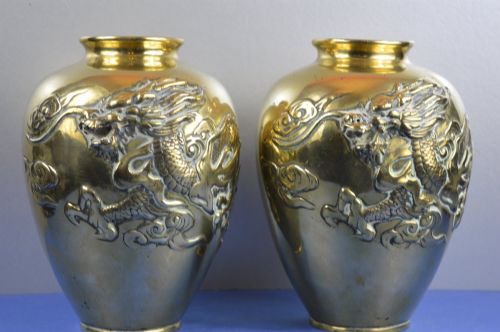
Foundries utilised bronze, brass, and copper as the primary metallic substrates, often shaping them through lost-wax casting or hammering sheet metal. Cast bronze provides structural heft and allows intricate relief decoration such as taotie masks and dragon motifs to emerge directly from the mould.
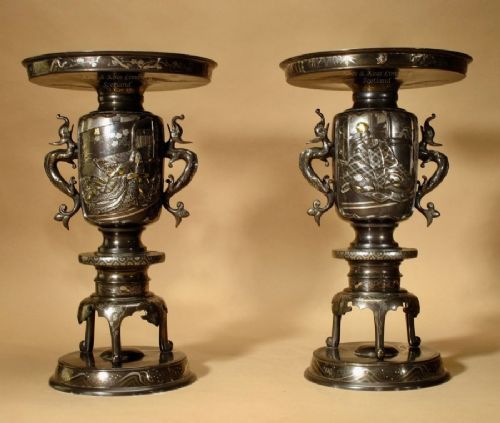
Surface embellishment defines much of the production, employing cloisonne and champleve enamel work where glass pastes fill soldered wire cells. Inlayers also hammered fine threads of gold, silver, and other contrasting metals into chiselled surface grooves to create detailed pictorial panels.
Oriental Metalwork Vessel Retail Price Guide 2026
Typical asking prices for oriental metalwork vessel among the pieces listed under this phrase on Sellingantiques today, from the lower quarter to the upper quarter. They describe what is for sale here now, not the wider market.
The listings span multiple centuries, uniting 18th-century scholar's studio pieces with abundant 19th-century Meiji period bronzes.
Distinctions in Quality
Quality rests upon the crispness of the casting and the depth of the subsequent patina, which develops naturally or through chemical treatment over time. Superior examples display sharp relief work where details like feathers, scales, and facial expressions remain distinct without softening from worn moulds.
The precision of the metal inlay and the vibrancy of the enamel work further separate standard decorative items from masterworks. Heavy weight relative to size often indicates solid construction rather than thin, hollow assembly, marking objects produced by accomplished workshops.
KANASAWA
The Oriental Metalwork Vessel Glossary
- Censer
- A vessel designed for burning incense during rituals or scholarly pursuits. These often feature pierced lids and tripod feet.
- Cloisonne
- An enamelling technique where metal wires form small compartments on a vessel surface to hold coloured glass pastes before firing.
- Meiji
- A period in Japanese history spanning from 1868 to 1912 noted for a surge in decorative metalwork destined for export markets.
- Ding
- An ancient Chinese form of ritual tripod cauldron adapted into decorative censers during later dynastic periods.
- Taotie
- A stylised zoomorphic mask motif frequently cast in low relief upon archaic and archaistic Chinese bronze vessels.
Oriental Metalwork Vessel: Frequently Asked Questions
What are oriental metalwork vessels made of?
These items utilise durable metal alloys including bronze, brass, and copper as a structural base for decorative forms. Artisans frequently added surface enrichment through enamel work, gilding, and contrasting metal inlays.
Heavier pieces usually consist of solid cast bronze, while others incorporate applied elements of silver and white metal for visual contrast.
How do I date a bronze vessel?
Dating relies on stylistic markers, casting techniques, and occasionally reign marks stamped or engraved onto the base. Pieces from the Meiji period in Japan or the late Qing Dynasty in China often display specific decorative conventions.
Examining the patina and wear patterns provides further clues regarding the age and handling history of the metal surface.
How were incense burners used?
Incense burners served functional roles in temples, domestic shrines, and scholars' studios to burn aromatic resins and woods. The perforated covers allowed scented smoke to drift outward while containing the embers safely inside.
Many examples remained purely ornamental, displayed on wooden stands as symbols of refinement and scholarly taste.
How do I care for antique metalwork?
Maintenance requires gentle dusting with a soft, dry cloth to prevent abrasive particles from scratching the patinated surface. Avoid chemical polishes or water, which can strip away historic patinas and damage delicate enamel inlays.
Keeping pieces away from direct moisture and handling them with clean hands preserves the integrity of the metal over time.