


Decorative Metal Urn
When you search for a decorative metal urn, you find cast and patinated vessels shaped by neoclassical and far eastern hands.
Decorative Metal Urn
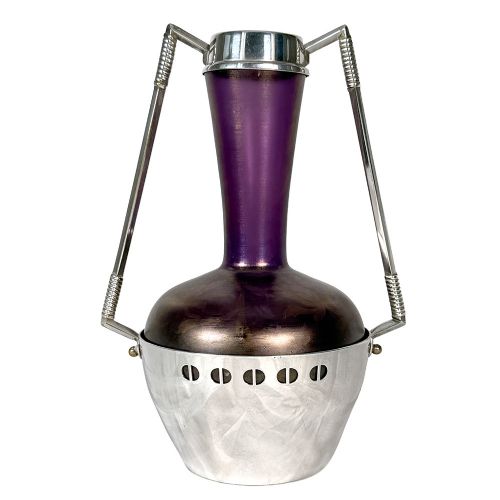
A decorative metal urn encompasses a range of historical vessels designed primarily for display rather than utility. When buyers search for this phrase, they encounter objects spanning the nineteenth century, with specific representations from Victorian, French Empire, and Meiji periods.
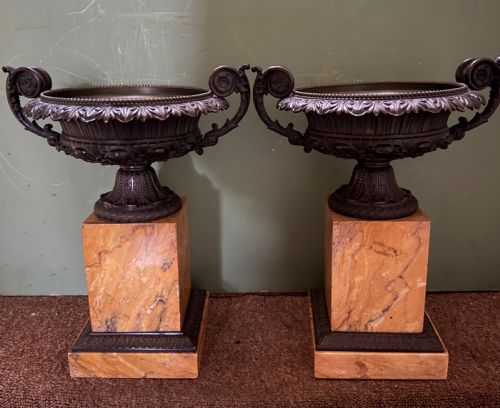
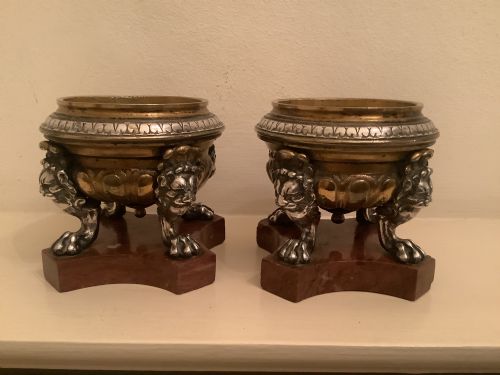
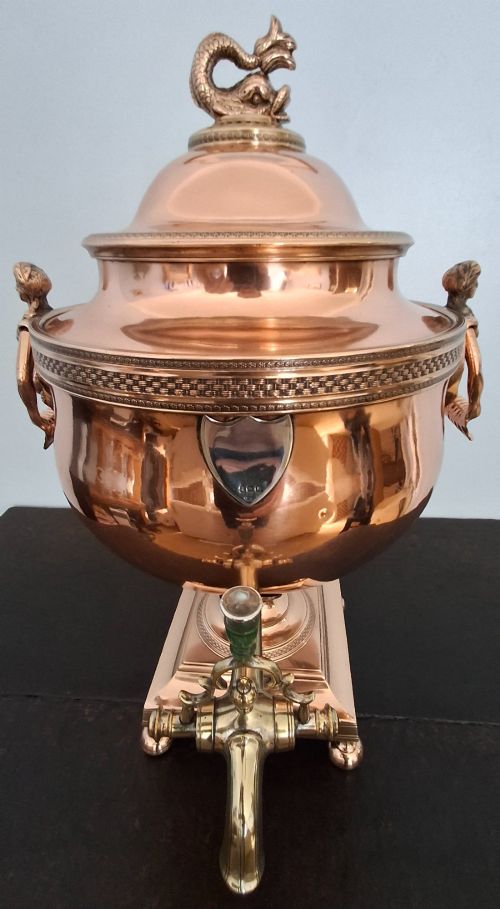
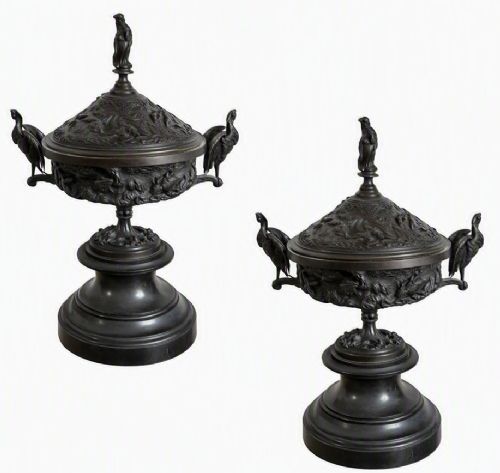
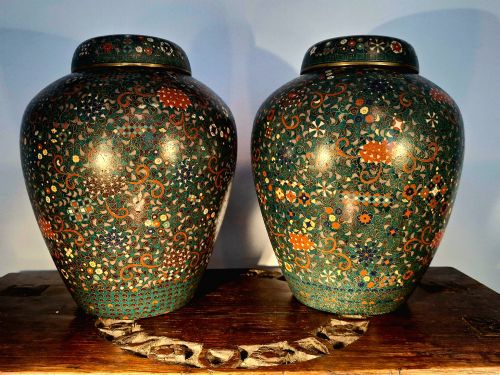
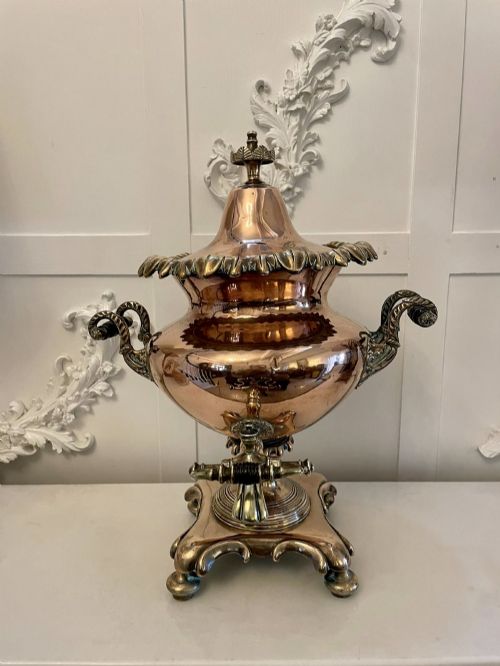
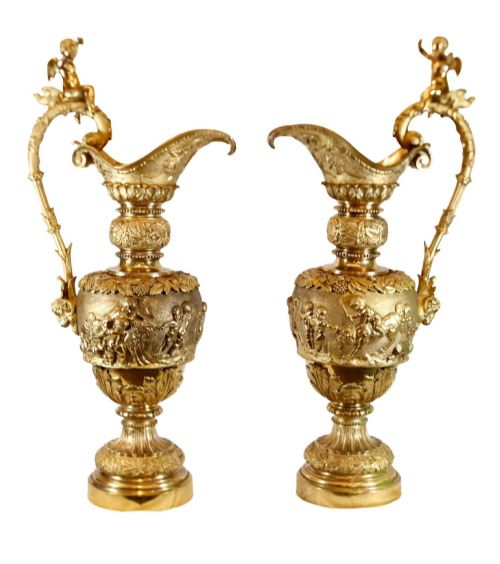
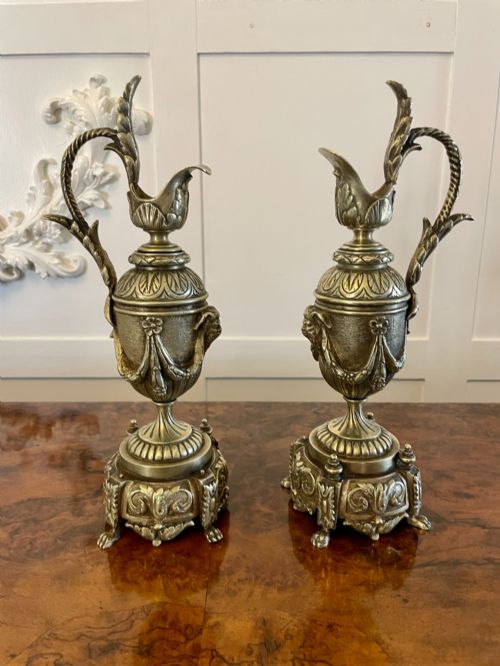
The forms extend beyond traditional garden urns to include tazzas, samovars, ewers, and Japanese and Chinese vases. Bronze, cast iron, brass, and copper dominate the material output, often combined with marble, ormolu, and enamel.
Grand Tour bronzes and French neoclassical designs appear alongside Japanese bronze and cloisonné works. Buyers meet items designed for domestic interiors, libraries, and gardens alike.
How they were made
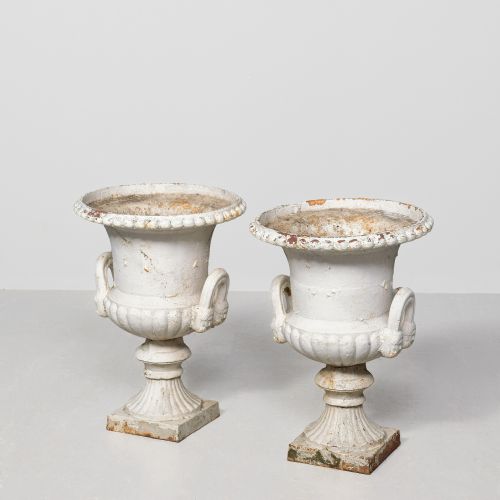
Foundry work relied heavily on casting bronze, brass, cast iron, and copper, sometimes utilising ormolu or silvered finishes to enhance the metallic surface. Many nineteenth-century pieces employ lost-wax casting or sand casting, followed by hand-chasing to sharpen details on figures and foliage.
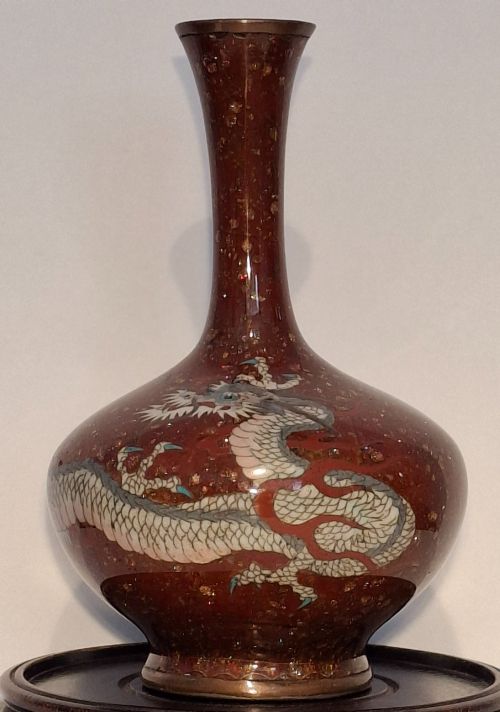
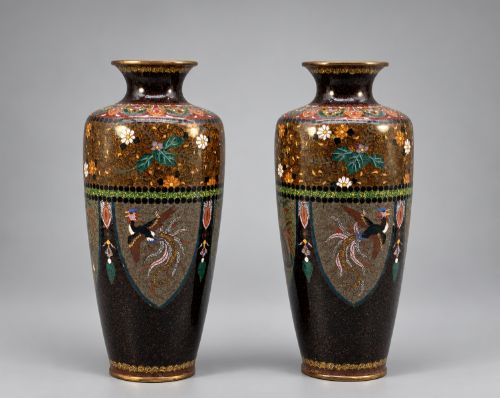
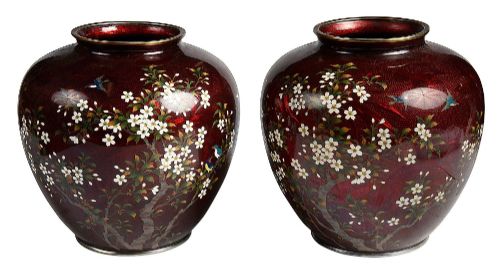
Enamelling techniques, particularly cloisonné, define the Japanese and Chinese vessels seen here, where thin wire partitions hold coloured vitreous pastes on metal bases. Marble plinths and bases frequently anchor heavier bronze and spelter bodies, secured with threaded central bolts.
Decorative Metal Urn Retail Price Guide 2026
Typical asking prices for decorative metal urn among the pieces listed under this phrase on Sellingantiques today, from the lower quarter to the upper quarter. They describe what is for sale here now, not the wider market.
Several nineteenth-century urns depict mischievous Bacchic cherubs and masks, reminding collectors that ancient gods occasionally enjoyed a party.
What varies in quality
The crispness of the chase work and the depth of the patination separate standard production from exceptional examples. Finer bronze and gilt surfaces display sharp relief in classical motifs, whereas lesser castings lose definition in repetitive patterns and mask ornaments.
Material integration dictates overall merit, seen in the solidity of marble bases and the precision of cloisonné wirework. Pieces attributed to recorded makers or specific historical workshops retain greater artistic coherence than anonymous factory output.
Tsukamoto Hikokichi·Jules Moigniez·Loetz and Argentor·KANASAWA·Andrew Handyside
The Decorative Metal Urn Glossary
- Tazza
- A shallow saucer-shaped vessel mounted on a stem and foot, commonly cast in bronze or marble during the nineteenth century. These items served as decorative centrepieces on tables and libraries.
- Samovar
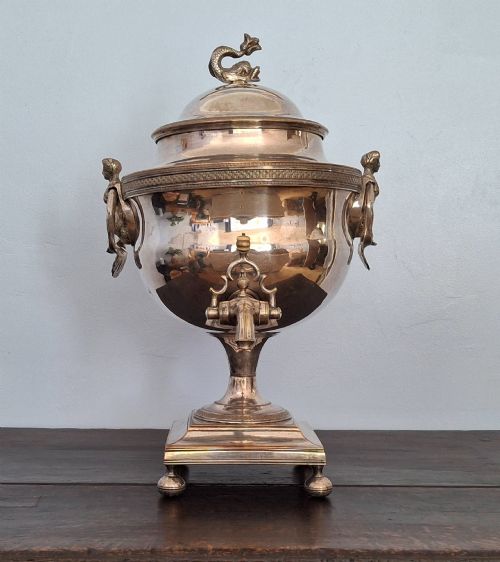
- A heated metal container traditionally used to boil water for tea, frequently fashioned from copper and brass with internal chimneys. Georgian and Victorian examples often feature decorative spigots and handles.
- Ewer
- A large jug with a wide spout and elaborate handle, historically used for pouring water but collected for its sculptural form. Neoclassical and French Empire iterations often depict mythological scenes.
- Cloisonné
- An enamelling technique where metal wire is soldered to a base to create cells filled with enamel paste and fired. Japanese Meiji period pieces demonstrate high mastery of this method.
- Ormolu
- Gilt bronze produced by applying a mercury-gilded finish to cast bronze objects. French decorative metalwork frequently utilises this technique to contrast with dark patinated bronze.
- Grand Tour
- Cultural travel undertaken by nineteenth-century Europeans who collected small-scale bronze reductions of classical antiquities. These souvenir urns and vases replicated famous Roman monuments.
Decorative Metal Urn: Frequently Asked Questions
What is a Grand Tour urn?
Grand Tour urns are nineteenth-century bronze and marble reductions of ancient Roman monuments collected by travellers in Italy. They brought classical antiquity into Victorian drawing rooms.
These pieces typically copy famous sculptures like the Warwick or Albani vases, cast in workshops supplying foreign visitors.
How do I care for bronze?
Bronze requires minimal intervention beyond dusting with a soft brush and maintaining stable indoor humidity. Avoid harsh metal polishes that strip historical patination.
Applying a light microcrystalline wax periodically protects the metal surface from atmospheric oxidation without altering its appearance.
Where were samovars used?
Samovars served as functional tea-heating urns in dining rooms and parlours across Britain and Europe. Copper and brass versions heated water via internal charcoal or metal cores.
Over time, these heavy vessels transitioned from functional kitchenalia into decorative living room objects.
What distinguishes Meiji bronzes?
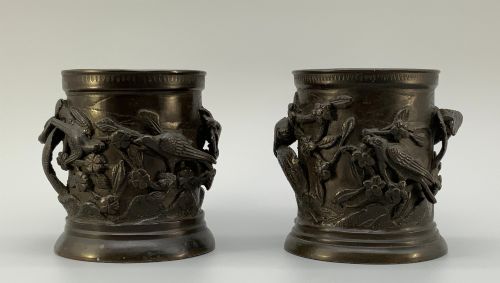
Meiji period bronzes reflect the opening of Japan to Western trade during the late nineteenth century. Artisans combined traditional casting with intricate inlay and high-relief flora and fauna.
These works demonstrate supreme technical control over patination and metal alloys.