






Japanese Decorative Wall Plates
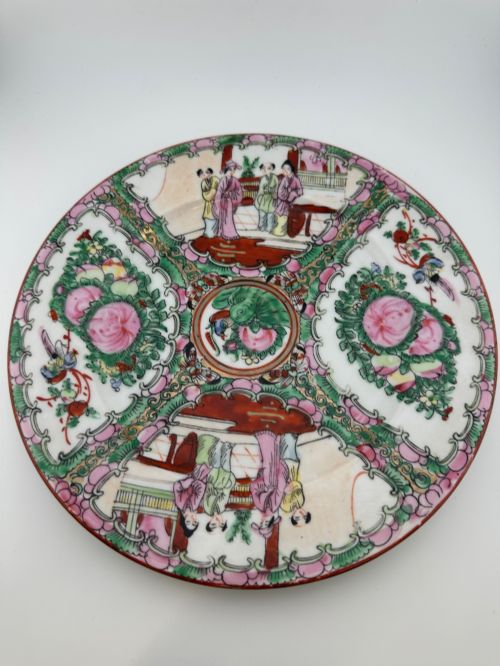
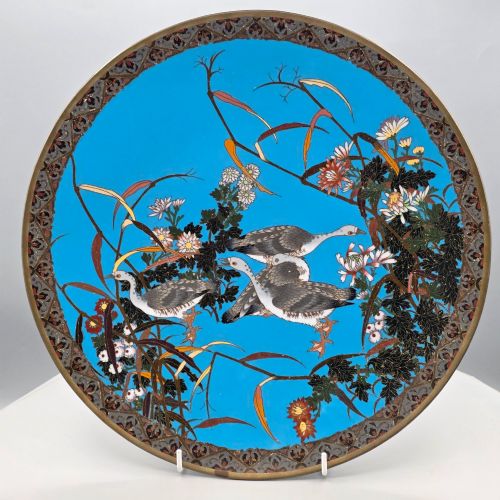
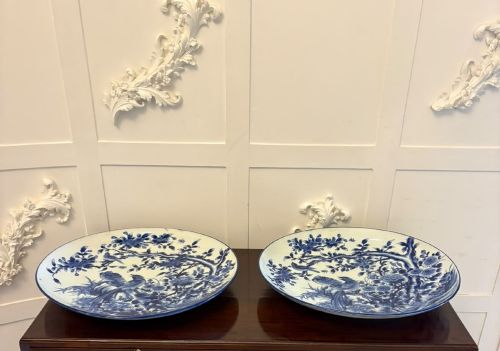
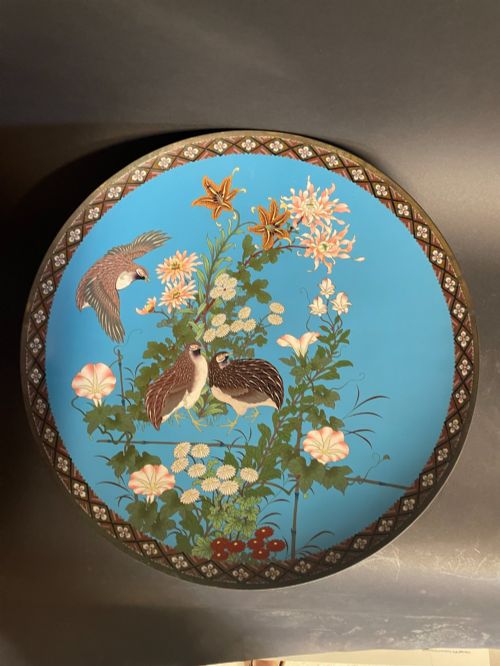
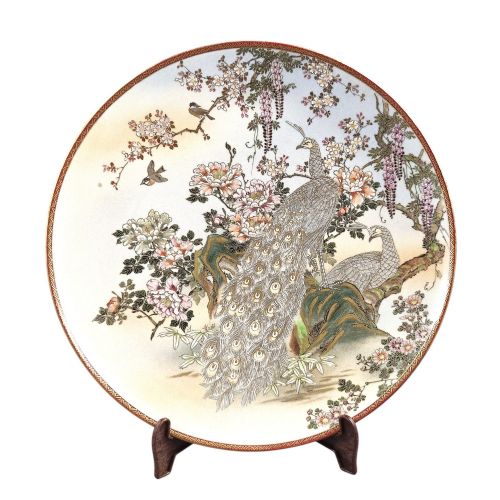
These Japanese decorative wall plates bring hand-painted porcelain and intricate cloisonne enamel into rooms that need a focal point.
Japanese Decorative Wall Plates
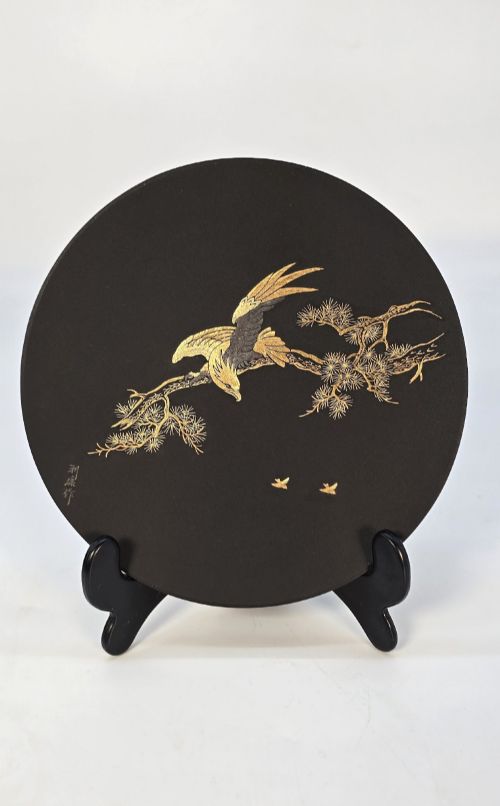
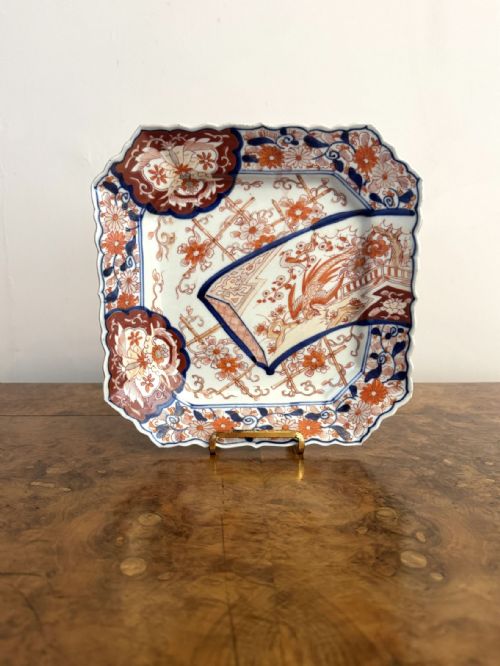
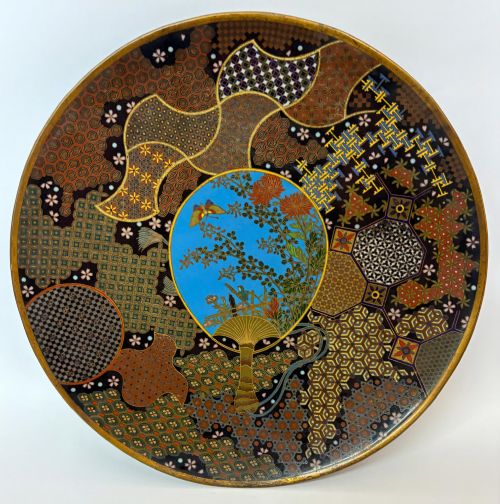
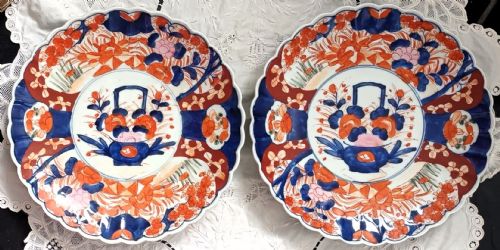
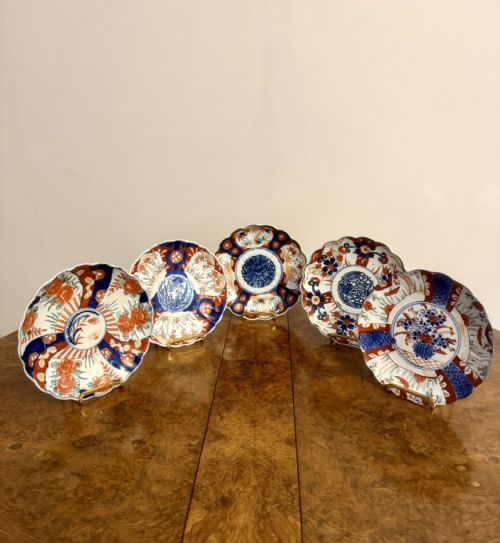
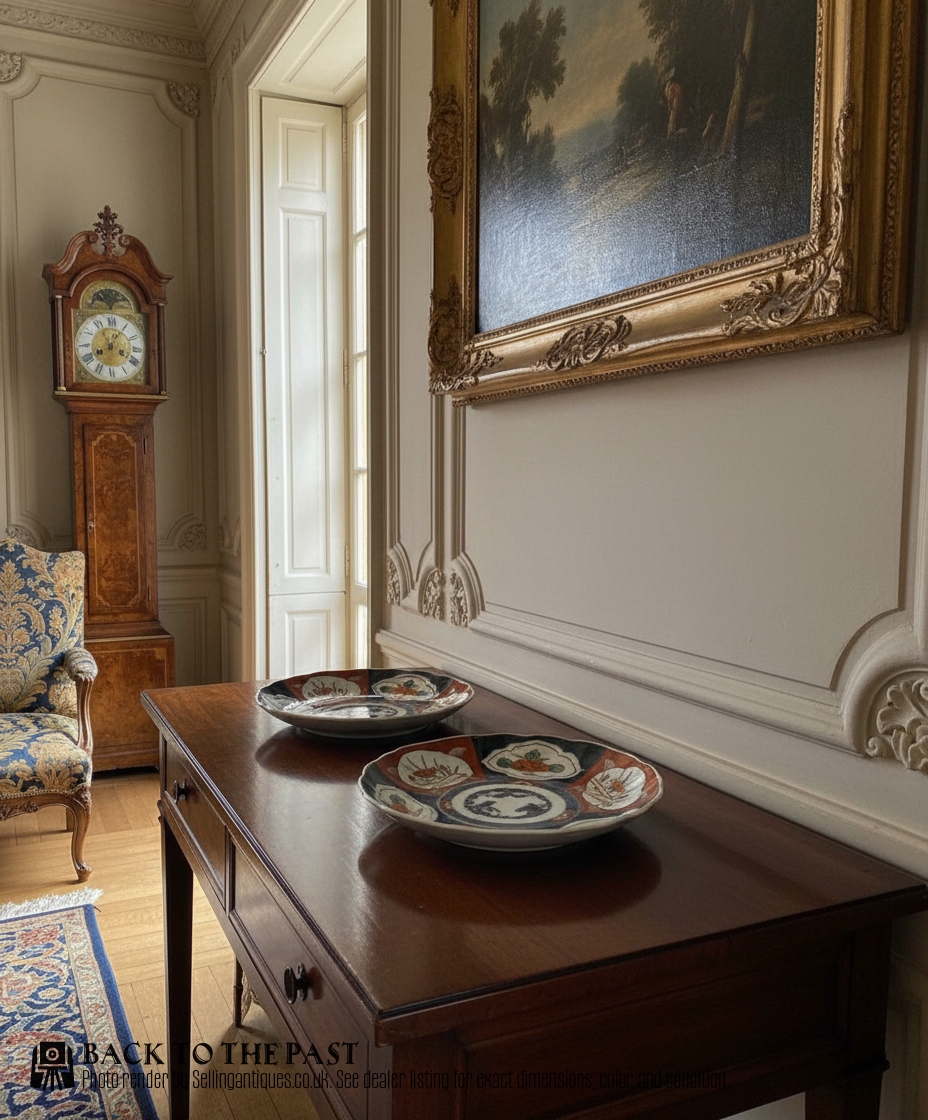
Japanese decorative wall plates encompass a wide range of chargers, dishes, and plaques made primarily during the Meiji and Taisho periods, spanning from the late nineteenth century into the early twentieth century. Buyers seeking these items will encounter traditional forms intended for display, including large Imari chargers and detailed enamel pieces depicting birds, landscapes, and auspicious symbols.
The selection on this page relies heavily on porcelain and earthenware bodies decorated in distinct regional styles such as Kutani, Satsuma, and Arita. Pieces range from scalloped blue and white plates to expansive chargers featuring moriage relief work and metallic inlay on patinated iron.
How they were made
Many of these decorative pieces combine fired porcelain or earthenware with hand-applied glazes, gold leaf, and cobalt blue pigments. Artisans used underglaze and overglaze techniques to build complex pictorial surfaces on Imari and Kutani wares.
Cloisonne examples utilise fine copper or brass wire soldered to a metal or porcelain base to create cellular compartments, which are then filled with coloured enamel pastes and fired multiple times. Skilled grinding and polishing reveal the metallic network among the intricate floral and avian designs.
Japanese Decorative Wall Plates Retail Price Guide 2026
Typical asking prices for japanese decorative wall plates among the pieces listed under this phrase on Sellingantiques today, from the lower quarter to the upper quarter. They describe what is for sale here now, not the wider market.
Listings feature items spanning from the late nineteenth century through the early twentieth century, utilising porcelain, copper, and bronze.
What varies in quality
The distinction between standard production and top-tier execution rests on the precision of the brushwork and the complexity of the motifs. Masterpiece chargers display meticulously controlled enamel layering, flawless wirework grids, or deep, vibrant blue tones in the underglaze painted decoration.
Overall harmony of design and the fineness of details like gold inlay or intricate bird plumage separate ordinary decorative items from exceptional period works. Superior pieces maintain crispness across every decorative element without crowding the visual space of the plate or charger.
Koshida
The Japanese Decorative Wall Plates Glossary
- Charger
- A large decorative plate traditionally intended for display on a sideboard or wall rather than for everyday dining. These items often measure over thirty centimetres across.
- Imari
- A style of Japanese porcelain featuring a distinctive palette of underglaze blue, iron red, and gilt highlights. The designs frequently incorporate complex floral and brocade patterns.
- Cloisonne
- An enamelling technique where metal wires form small compartments on a base to hold coloured enamel paste. The surface is subsequently fired and polished smooth.
- Moriage
- A decorative ceramic technique using piped clay slip to build up raised patterns and textured details on the surface. This method creates a tangible, three-dimensional effect on Satsuma ware.
- Kutani
- A style of Japanese porcelain known for bold pictorial designs and rich polychrome glazes. These pieces often depict nature scenes with expressive brushwork.
Japanese Decorative Wall Plates: Frequently Asked Questions
How do I hang a heavy charger?
Heavy ceramic chargers require specialised wall brackets or coated spring hangers that distribute the weight evenly across the entire rim.
Ensure the fixing is secured directly into wall studs or uses appropriate masonry plugs to support the substantial weight safely.
Can these plates be used for food?
Antique decorative wall plates and chargers are generally intended strictly for visual display rather than culinary use.
Older glazes and metal elements may contain components unsuited for modern food contact, and the surfaces can be delicate.
How do I clean enamel cloisonne pieces?
Dust enamel surfaces gently with a soft, dry cloth to remove everyday particles without applying moisture or abrasive pressure.
Avoid chemical cleaning products and submersing metal-backed items in water, as moisture can affect old soldering and patinated surfaces.