










Japanese Cobalt Porcelain Dish
These Japanese cobalt porcelain dish examples bring deep blues and complex iron-red accents into rooms through centuries of skilled ceramic design.
Japanese Cobalt Porcelain Dish
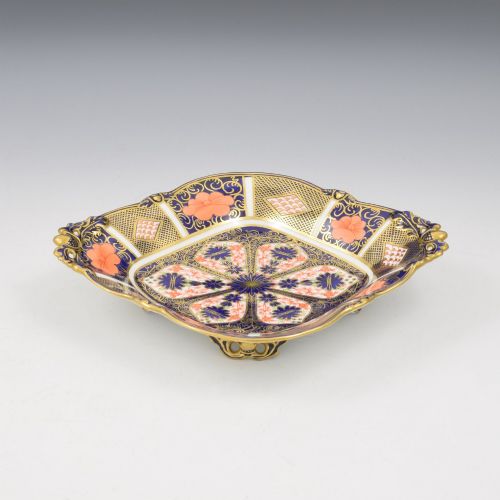
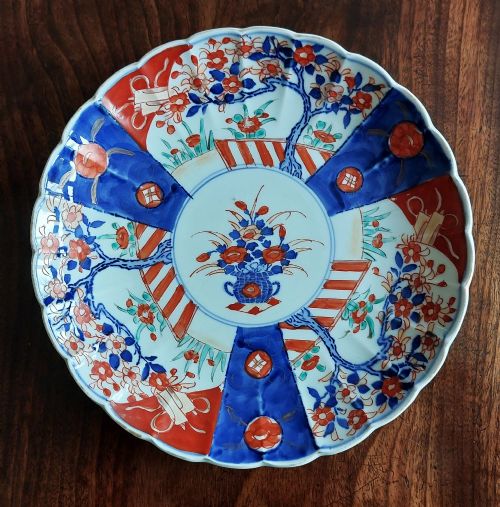
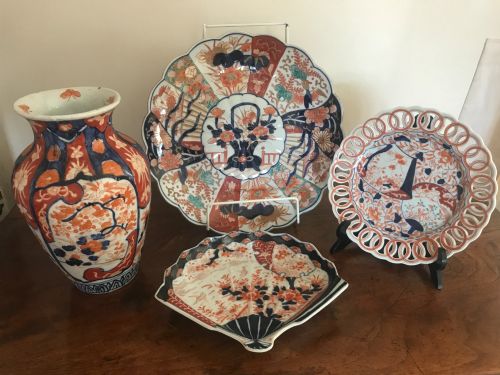
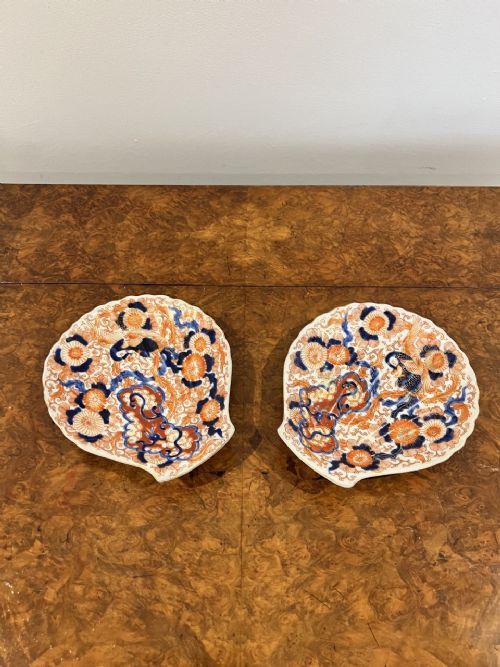
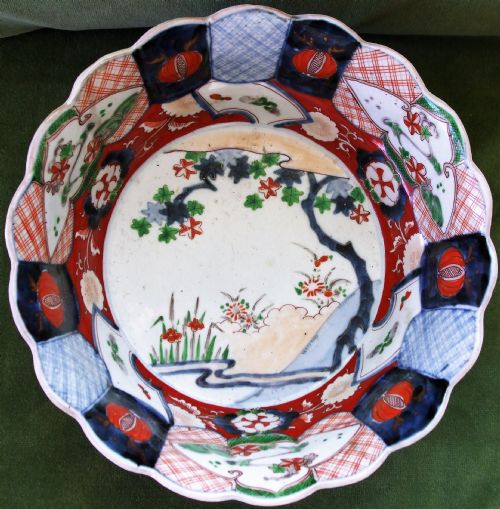
When you search for a Japanese cobalt porcelain dish, you enter a world of ceramic work shaped by distinct periods ranging from the Ming and Qing dynasties to the Edo and Meiji eras, alongside Victorian interpretations. The items appearing most often on this page take the form of chargers, plates, and bowls, frequently featuring the rich coloration associated with Imari wares.
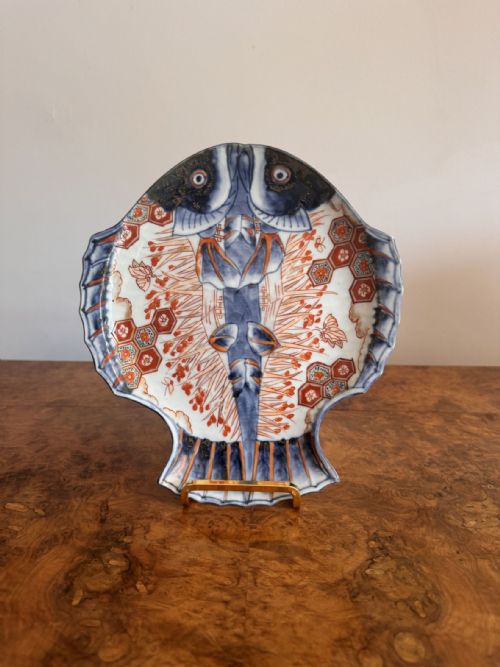
Buyers encounter forms varying from standard circular plates to shell, fish, square, hexagonal, and scalloped edge vessels designed for display and decorative use. These pieces bridge functional tableware and ornamental arts, spanning centuries of kiln production from seventeenth-century origins through nineteenth-century developments.
Materials and production
Makers utilised ceramic clay combined with cobalt pigment to create the foundational blue and white patterns seen across these listings. Enamel decoration and gold leaf or gilt were frequently added over the glaze to introduce contrasting red and metallic highlights.
Firing techniques allowed cobalt glaze to fuse with the porcelain body under high temperatures, producing durable surfaces with distinctive visual depth. Artisans shaped vessels into specific silhouettes including fish forms, deep saucers, and wide chargers prior to glazing and decoration.
Materials recorded across current items include porcelain, ceramic, cobalt glaze, cobalt pigment, enamel, gold leaf, and gilt.
Factors of distinction
Distinctions in quality rest on the crispness of the cobalt painting, the precision of the glazed surfaces, and the complexity of the form itself. Pieces shaped as fish, shells, or deep scalloped edges demand greater technical skill from the potter than simple circular platters.
The integration of additional enamel colours and gold leaf accents separates standard production items from finer decorative works. Preservation of the painted details and glaze integrity across centuries dictates the standing of individual examples.
The Japanese Cobalt Porcelain Dish Glossary
- Imari
- A style of Japanese porcelain decorated in underglaze blue, iron red, and gold, named after the port from which it was shipped to Europe. It represents a dominant aesthetic across many nineteenth-century pieces.
- Charger
- A large decorative plate utilised historically for ceremonial display rather than everyday dining. These items provide expansive surfaces for complex cobalt and enamel compositions.
- Meiji Period
- The era in Japanese history spanning from eighteen sixty-eight to nineteen twelve, associated with significant craft production and export. Works from this time often exhibit intricate detailing.
- Mukozuke
- A type of small dish traditionally employed in Japanese dining and tea ceremony settings. These items frequently display refined blue and white decoration.
- Scallop Edge
- A decorative rim shaped into a series of continuous curves resembling a scallop shell. This contour appears frequently on bowls and plates within these listings.
Japanese Cobalt Porcelain Dish: Frequently Asked Questions
How do I care for antique porcelain?
Wash porcelain by hand using warm water and mild soap, avoiding harsh scrubbing tools that might damage the surface glaze or gold leaf.
Display vessels securely away from heavy traffic areas to prevent accidental impact against the edges.
Were these dishes used for food?
Many larger chargers and decorative plates served primarily for display or ceremonial presentation rather than daily meals.
Smaller dishes and bowls saw direct use in domestic settings and formal dining traditions.
How do I identify Meiji period pieces?
Meiji period items often combine traditional cobalt blue pigments with rich enamel colours and gilt highlights on porcelain bodies.
Export production during this nineteenth and early twentieth-century era focused heavily on decorative plates and chargers.
What is the difference between Imari and blue and white?
Imari wares incorporate iron red and gold leaf alongside the core cobalt blue glaze to create a multi-coloured palette.
Standard blue and white porcelain relies strictly on cobalt pigment beneath a clear glaze without the addition of enamel highlights.