






Imari Blue Decorative Bowl
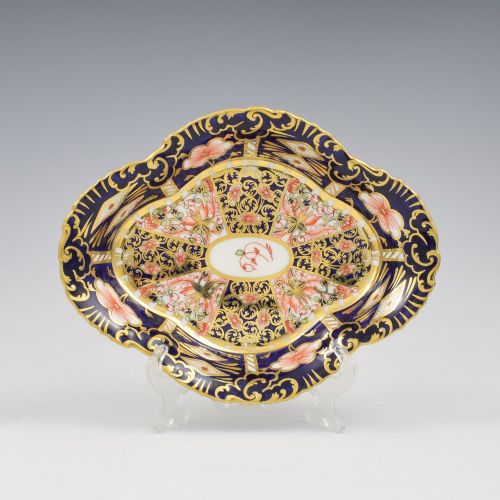
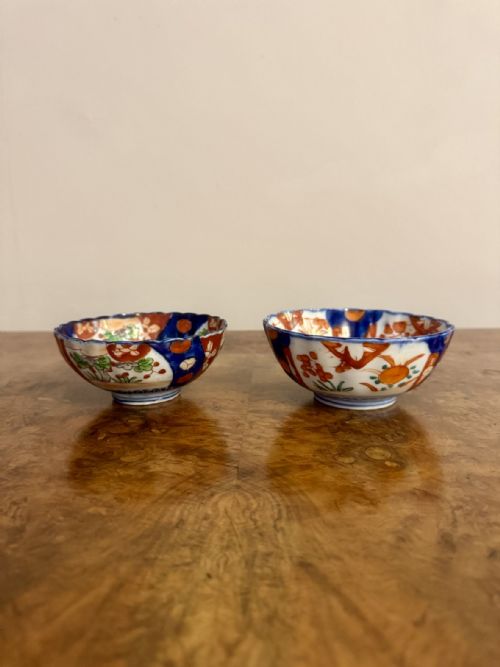
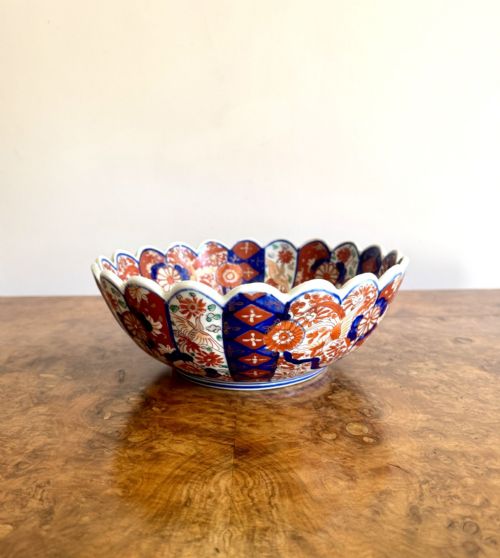
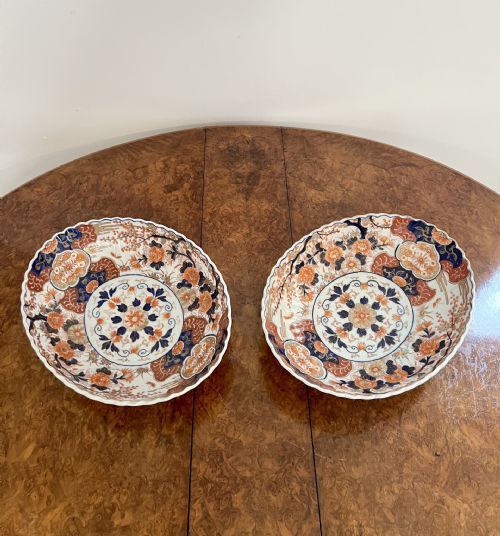
An imari blue decorative bowl brings rich palette and historic form into a room, offering the bold iron red and cobalt painting typical of export wares.
Imari Blue Decorative Bowl
When you search for an imari blue decorative bowl, you encounter pieces that span centuries, originating predominantly from Japanese export kilns alongside occasional British interpretations. The versions most commonly met on this page are Japanese porcelain vessels from the nineteenth century, including the Meiji period, often featuring scalloped edges and deep round forms.
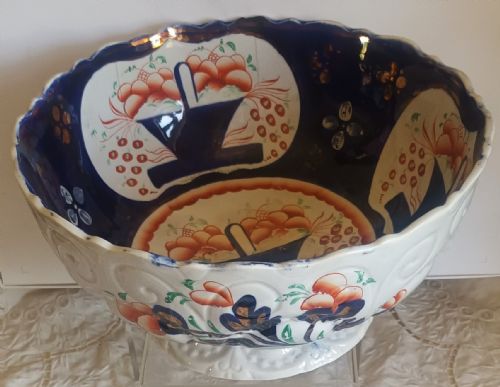
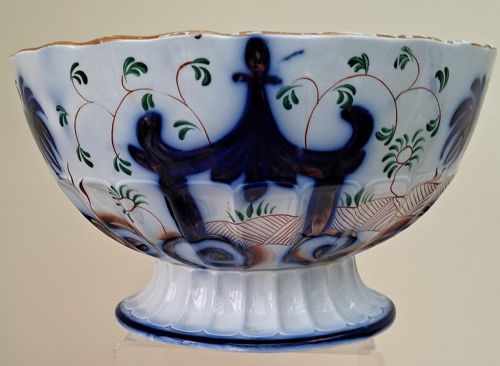
Beyond the standard round bowls, the selection extends to shaped dishes, boat shaped vessels, and tripod pieces alongside Victorian Gaudy Welsh earthenware and Mason's Ironstone pottery. These objects range in scale from small bowls to large centrepieces, spanning periods from seventeen hundred through to the Edwardian era.
The decorative schemes rely heavily on traditional Japanese Imari patterns rendered in deep cobalt blue, complemented by enamel and occasionally gold leaf or gilding. Such pieces serve primarily as decorative display items, bringing strong colour and historical pattern to interiors.
How they were made
The construction of these pieces relies on porcelain or earthenware bodies shaped into bowls, plates, and jars, sometimes finished with moulded scallop edges or hexagonal forms. Potters applied underglaze cobalt blue alongside enamel colours, frequently enriched with gold leaf or gilding.
Firing techniques in Japanese kilns and British potteries fixed the dense mineral pigments beneath or upon the glaze, creating durable surfaces that retain their rich contrast over centuries. Artisans shaped these vessels by hand or mould before applying the characteristic intricate painted motifs.
Listings feature Japanese porcelain and British earthenware, spanning the early eighteenth century through the Edwardian period.
What varies in quality
Quality in these bowls is determined by the crispness of the underglaze blue painting and the precision of the enamel and gilt detailing. Pieces at the higher end display deeply saturated pigments and finely controlled brushwork across complex scalloped or fluted surfaces.
The weight, resonance, and purity of the porcelain or ironstone body also distinguish superior examples, alongside the finesse of moulded details such as tripod feet or lidded jars. Earlier pieces from the seventeen hundreds demonstrate distinct throwing and glazing characteristics compared to later nineteenth century production.
The Imari Blue Decorative Bowl Glossary
- Imari
- A style of Japanese porcelain featuring a distinctive palette of underglaze cobalt blue and iron red, frequently accented with gold. The name derives from the port from which these wares were shipped to Europe.
- Meiji Period
- A historical Japanese epoch spanning from eighteen sixty-eight to nineteen twelve, known for prolific export pottery and porcelain production. Pieces from this era often display confident hand-painted motifs and refined porcelain bodies.
- Gilt
- A thin layer of gold applied to the surface of porcelain or pottery as a decorative accent. It highlights raised moulded details and rims on decorative bowls.
- Ironstone
- A type of durable earthenware patented in nineteenth century Britain as a robust alternative to porcelain. It frequently emulated Eastern export patterns like Imari.
- Arita
- The Japanese town and surrounding region in Hizen province where Japanese porcelain production originated. Kilns here produced the early Imari bowls destined for international trade.
Imari Blue Decorative Bowl: Frequently Asked Questions
How do I style an imari blue decorative bowl?
Place a large imari blue decorative bowl centrally on a dining table or sideboard where its rich cobalt and iron red palette can anchor the room. The bold patterns work well against neutral wooden surfaces and traditional interiors.
Smaller vessels suit display cabinets or open shelving, allowing the detailed enamel and gilt work to catch the light. Grouping pieces of varying scales creates a balanced historic display without cluttering the space.
Are these bowls dishwasher safe?
Historic porcelain and earthenware require gentle hand washing in lukewarm water with mild soap. Avoid soaking antique pieces to protect the glaze and any delicate gilt highlights.
Modern dishwashers use harsh detergents and high heat that can permanently damage nineteenth century enamels and gold leaf. Proper manual care preserves the painted surfaces of these decorative items.
How can I tell the age of an imari bowl?
Dating relies on examining the porcelain body, foot rim finish, and the characteristics of the cobalt blue and enamel pigments. Earlier pieces from the seventeen hundreds show different potting weight and pigment tones compared to late nineteenth century Meiji production.
British interpretations like Gaudy Welsh earthenware display distinct pottery bodies and pattern styles that separate them from Japanese porcelain exports. Comparing the potting technique provides clear clues to the period of manufacture.