


Japanese Ceramic Lidded Vase
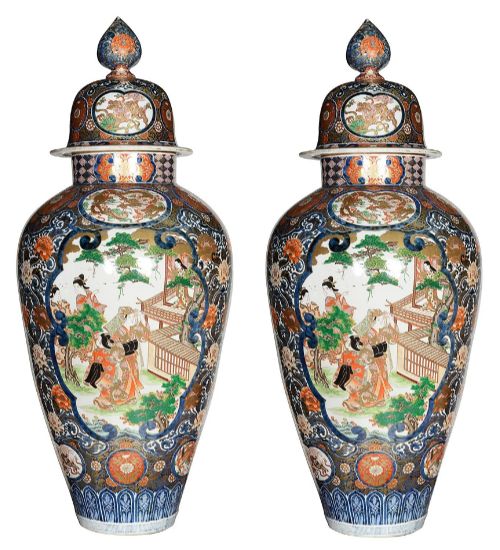
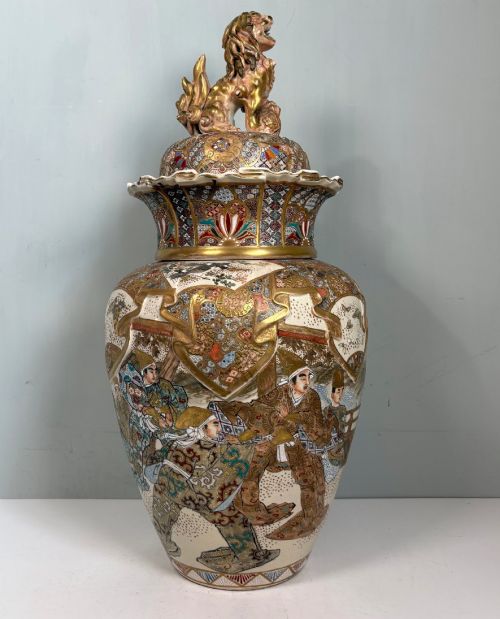
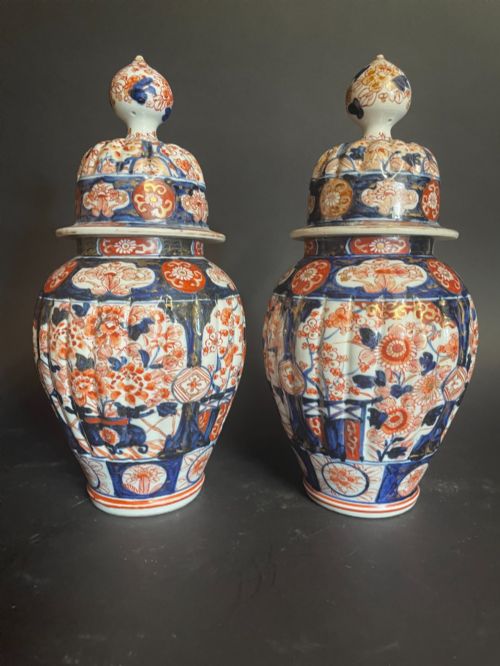
These japanese ceramic lidded vase examples bring centuries of kiln mastery into your home, offering dramatic scale and intricate hand-painted palettes.
Japanese Ceramic Lidded Vase
A japanese ceramic lidded vase typically arrives as a covered ginger jar, an octagonal baluster vessel, or a large decorative urn designed for display. These pieces frequently emerge from the 19th Century, particularly the Meiji and Edo periods, reflecting a rich heritage of ceramic production.
Materials and Technique
Potters shaped fine porcelain and earthenware before applying complex underglaze and overglaze techniques. Artisans then enriched these ceramic bodies using enamel, gold leaf, and elaborate gilding.
Some decorative compositions incorporate ormolu mounts, bridging Asian ceramic traditions with European tastes. Kiln workers managed high-firing processes to achieve durable, vitrified bodies capable of holding detailed polychrome patterns.
Several vessels require two people just to change the water - though most owners wisely stick to dry display.
Craftsmanship and Execution
Quality rests in the precision of the hand-painted decoration and the balance of the overall form. Superior vessels demonstrate exceptional control within the Imari palette or Satsuma enamel work, where brushwork remains crisp and deliberate across large surfaces.
The integration of the lid with the main body marks another distinction, as finer pieces maintain a seamless profile and consistent glaze distribution without warping during the firing process.
Fukagawa porcelain·Samson
The Japanese Ceramic Lidded Vase Glossary
- Imari
- A style of Japanese porcelain featuring a distinctive palette of iron red, cobalt blue, and gold. This aesthetic gained immense popularity in Europe during the export trade periods.
- Satsuma
- Earthenware pottery decorated with finely crackled glaze and elaborate polychrome enamel designs, often highlighted with raised gold. These pieces originated from the Satsuma Province.
- Arita
- The Japanese town renowned as the birthplace of porcelain production in the country. Kilns here produced substantial quantities of export ware for Western markets.
- Meiji Period
- The era spanning from 1868 to 1912, characterised by rapid modernisation and a surge in decorative arts destined for international trade. Pieces from this time often exhibit ambitious scale and detail.
- Ormolu
- Gilded bronze mounts applied to ceramic vessels, particularly popular during European adaptation periods. It frames the porcelain body with decorative metalwork.
Japanese Ceramic Lidded Vase: Frequently Asked Questions
What is a japanese ceramic lidded vase used for?
These vessels historically functioned as storage jars for spices or tea, or served as prominent decorative centerpieces in grand interiors. Today, collectors display them on sideboards, mantels, or pedestals to anchor a room's design.
Their substantial size and colourful palettes make them natural focal points within traditional and eclectic interior schemes.
How do I identify a Meiji period piece?
Meiji period vessels date between 1868 and 1912, an era marked by highly detailed export production. Look for dense decoration, vibrant enamel colours, and precise gilding that reflect the technical confidence of late 19th-century kilns.
Many examples from this time also feature specific studio marks or signatures on the base indicating the maker or workshop.
What is the difference between Imari and Satsuma?
Imari ware is porcelain decorated predominantly in cobalt blue and iron red with gold accents, possessing a resonant, vitrified body. Satsuma ware is an earthenware ceramic with a characteristic ivory-coloured, crackled glaze and opaque enamel painting.
Satsuma pieces generally feel heavier and display a more matte finish compared to the glassy sheen of Imari porcelain.
How should I display a large lidded vase?
Due to their height and weight, these vessels require sturdy furniture such as heavy sideboards, console tables, or dedicated pedestals. Keep them away from high-traffic walkways where the lids could be accidentally dislodged.
Pairing matching vessels symmetrically creates a formal arrangement, while a single large jar stands well alone against a neutral wall.