


Patterned Porcelain Cover Jar
These patterned porcelain cover jars bring bold colour and intricate hand-painted detail straight into your home.
Patterned Porcelain Cover Jar
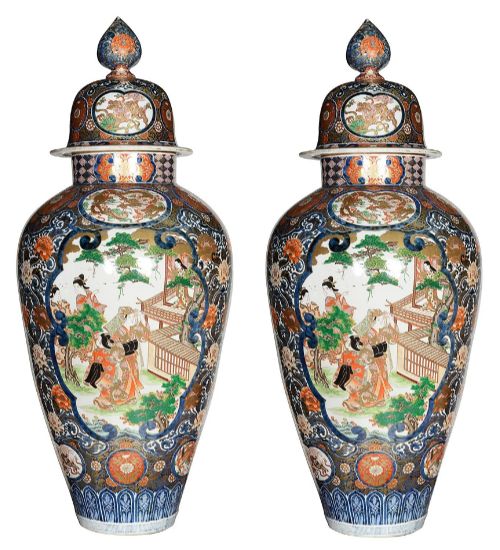
A patterned porcelain cover jar offers a decorative vessel topped with a matching lid, often taking the form of a baluster vase, pot pourri or lidded urn. When searching for a patterned porcelain cover jar, collectors encounter pieces spanning the Georgian, Victorian and Edwardian eras, alongside Japanese imports from the Edo and Meiji periods.
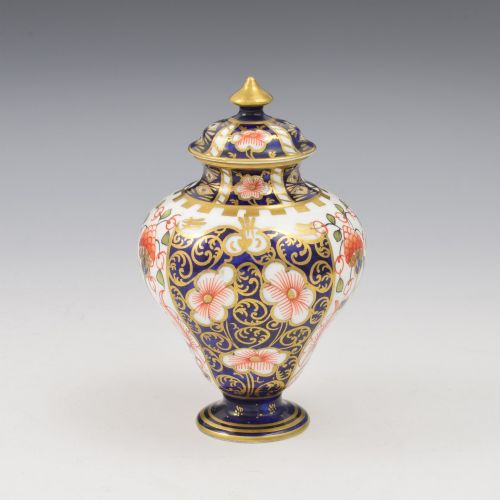
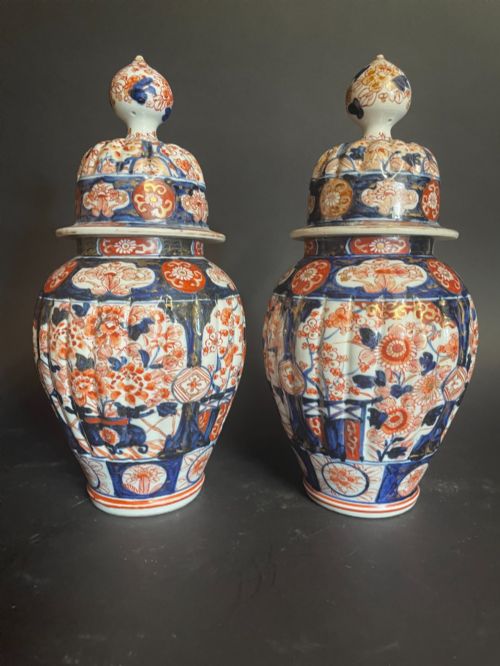
The assortment on this page ranges from large nineteenth century Imari pairs to miniature cabinet pieces and robust ironstone vessels. Makers such as Royal Crown Derby, Booths, Fielding's Crown Devon and Mason's Ironstone feature prominently across the inventory, displaying both English interpretations and traditional Japanese aesthetic influences.
How They Were Made
Potters shaped these vessels using fine porcelain, ironstone or earthenware, throwing or moulding the bodies before applying detailed underglaze and overglaze colours. Artisans then added rich surface decoration utilising enamel pigments, gold leaf and gilt highlights to accentuate the intricate motifs.
Many of the English pieces relied on durable ironstone bodies to support heavy enamel painting, while Japanese works employed traditional glazing techniques to achieve deep cobalt blues and vibrant iron-reds. Firing these lidded forms required careful kiln management to ensure the cover and base retained their precise fit.
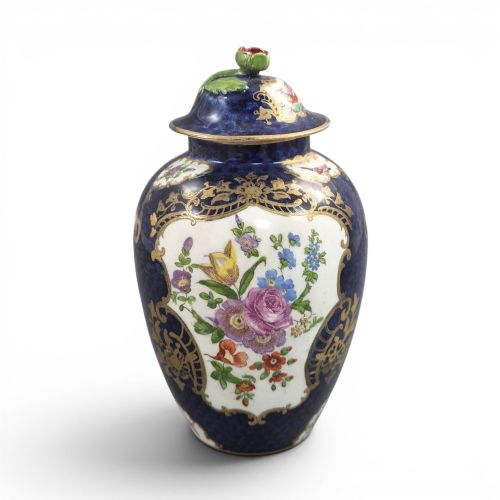
Several jars feature delightfully startled exotic birds perched permanently amidst scale blue grounds.
What Varies in Quality
The distinction between ordinary and exceptional examples rests upon the crispness of the hand-painted decoration and the precision of the gilding. Master painters applied enamel and gold leaf with remarkable control, creating depth and clarity that lesser workshops failed to achieve.
Form and proportion also dictate standing, with finely potted baluster silhouettes and well-balanced matching covers commanding greater regard. The integration of complex patterns, such as detailed Imari palettes or exotic bird scenes on scale blue grounds, separates standard production wares from the finest factory output.
Royal Crown Derby·Booths Silicon China
The Patterned Porcelain Cover Jar Glossary
- Imari
- A traditional Japanese style of porcelain decoration featuring deep cobalt blue, iron-red, and gilt highlights. European factories frequently copied these vibrant patterns during the eighteenth and nineteenth centuries.
- Ironstone
- A durable type of heavy earthenware patented in the nineteenth century. It provided a strong ceramic base well suited to rich enamel and gilt decoration.
- Baluster
- A vase or jar form characterised by a rounded body that tapers toward the base and swells near the lower centre. This shape offers a stable canvas for expansive surface patterns.
- Pot Pourri
- A decorative lidded jar designed to hold dried scented plant materials. Pierced covers allowed the fragrance to circulate while concealing the contents within.
Patterned Porcelain Cover Jar: Frequently Asked Questions
What were patterned porcelain cover jars used for?
These lidded vessels served primarily as decorative garnitures on mantelpieces and sideboards in grand nineteenth century interiors. Some specialised forms, such as pot pourri jars, held dried flower petals mixed with spices to scent drawing rooms.
Over time, collectors also utilised smaller versions as cabinet display pieces or functional storage containers for sweets and dry goods. Their substantial lids kept dust away from the contents while adding height and architectural presence to a room.
How do I date an antique lidded jar?
Dating relies heavily on factory backstamps, ceramic bodies, and stylistic shifts visible across the Georgian, Victorian, and Edwardian periods. Early nineteenth century pieces often utilise heavy ironstone bodies with hand-applied Imari palettes, whereas later Edwardian examples display refined transfer-printing techniques.
Examining the wear on the foot rim and the method of gilding application provides further clues to age. Comparing the specific shape of the cover and the potting technique against documented factory timelines helps narrow down the decade of production.
How do I display these jars at home?
These jars make a striking statement when placed symmetrically as a pair on a mantelpiece, console table, or sideboard. Their height and colourful enamel patterns draw the eye upward, making them ideal focal points in traditional or eclectic interiors.
When styling individual pieces, position them near natural light sources to catch the metallic glints of gold leaf and gilt highlights. Ensure they sit on stable, level surfaces away from high-traffic areas to protect their delicate lids and porcelain bodies.
How do English and Japanese styles differ?
English interpretations by factories like Mason's or Royal Crown Derby often reinterpreted traditional motifs through a Western lens, using ironstone bodies and robust enamel colours. These pieces frequently blended Imari patterns with British floral elements and heavy gilding.
Japanese imports, particularly from the Edo and Meiji periods, prioritized fine-grained porcelain and authentic pictorial compositions such as exotic birds and naturalistic landscapes. The palette in Japanese pieces tended toward deep cobalt underglazes combined with precise iron-red overglaze enamel work.