


Nineteenth Century Imari
Nineteenth century imari brings together vibrant iron-red and cobalt-blue palettes on porcelain and ironstone, prized for their rich decorative punch.
Nineteenth Century Imari
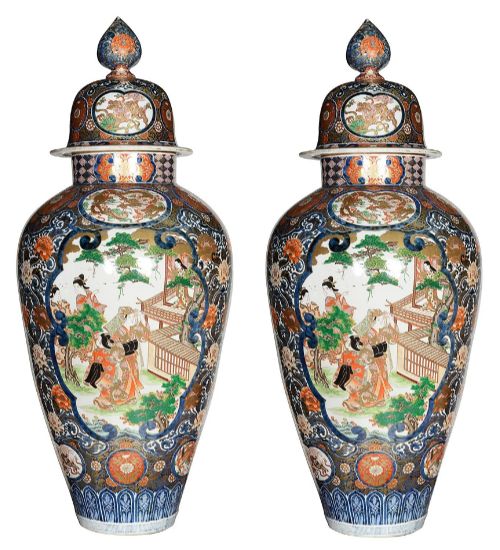
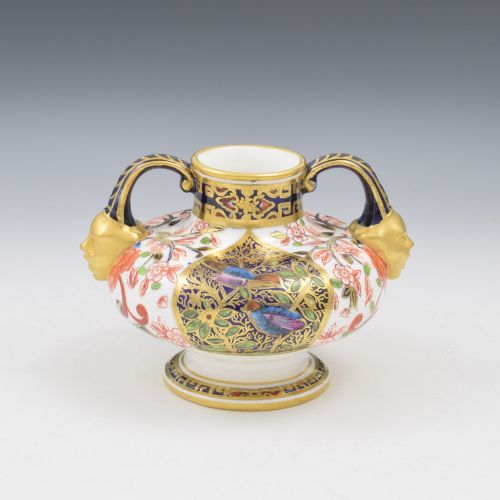
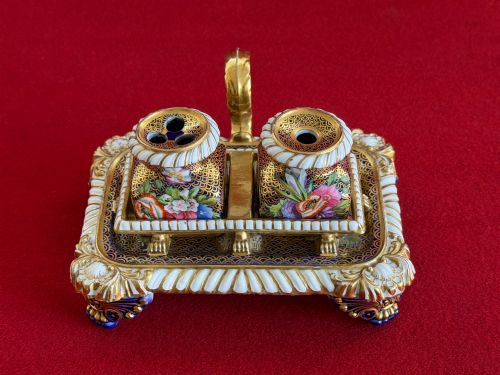
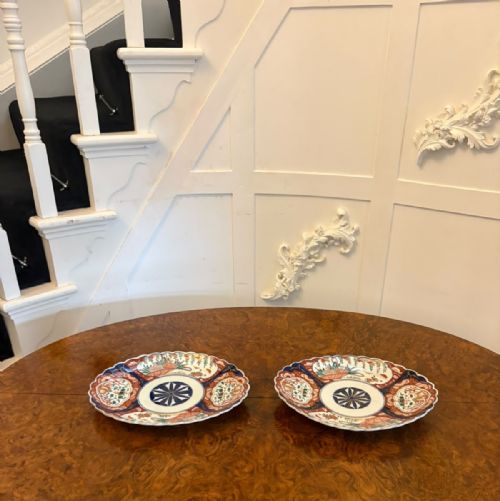
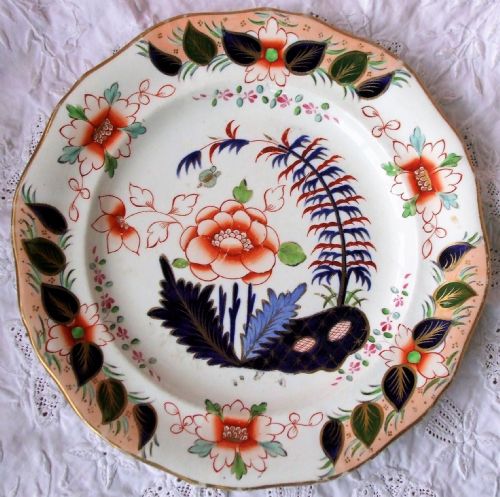
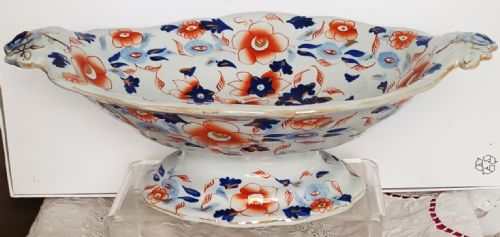
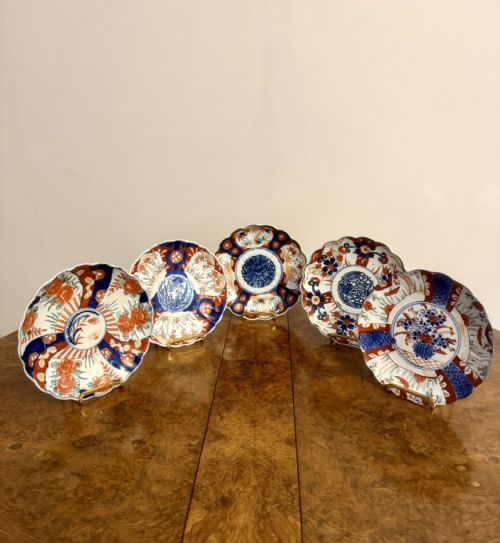
Nineteenth century imari spans both imported Japanese wares from the Edo and Meiji periods and English interpretations produced by factories such as Derby, Spode, and Mason's. The pieces appearing most frequently range from large chargers and decorative plates to lidded vases, comports, and hydra jugs. Japanese examples typically display hand-painted handwork on porcelain, whereas English pieces utilise heavy ironstone ceramic bodies decorated with distinct patterns.
Buyers encounter everything from massive pairs of lidded temple jars and koro vessels down to smaller cream jugs and soap dishes. These items cross several chronological categories, including Georgian, Regency, and Victorian periods, reflecting a sustained domestic appetite for the distinct East Asian colour scheme throughout the eighteen-hundreds.
Origin determines much of the character, distinguishing between Japanese export production and the robust stoneware output of Staffordshire potteries. Both traditions embrace strong palettes involving enamel, glaze, and gilding, yet they execute forms differently according to local potting capabilities.
Materials and manufacture
Makers built these objects using either fine porcelain or dense ironstone ceramic, applying underglaze cobalt blue followed by overglaze iron-red enamel and gold leaf. The pigment combination required multiple firings in kilns to fix the vibrant colours securely to the glazed surfaces without bleeding.
Japanese pieces relied on hand-painted porcelain techniques refined during the Meiji and late Edo periods, often resulting in intricate panel work and floral motifs. English potteries substituted durable ironstone bodies that could withstand daily service while imitating the prized Japanese aesthetic through transfer printing combined with hand-touching.
Several plates depict Black Ships, recording the sudden arrival of Western trade vessels through traditional Japanese artistic eyes.
Judging the range
Quality reveals itself in the crispness of the enamel work and the generosity of the gilding applied across the surface. Finer examples maintain sharp brushwork and precise registration between the cobalt blue underglaze and the overglaze red and gold details.
The weight and stability of the ceramic body also separate standard utility wares from ambitious exhibition pieces. Substantial vases, large chargers, and matched sets demonstrate superior potting skill and ambition in kiln management compared to smaller, simpler domestic dishes.
John Davenport of Longport·Royal Crown Derby·Mason's Ironstone·Spode Porcelain
The Nineteenth Century Imari Glossary
- Imari
- A style of ceramic decoration originating in Japan, defined by a dominant palette of cobalt blue and iron-red, frequently accented with gold leaf.
- Ironstone
- A heavy, durable type of ceramic developed in England as a tougher alternative to porcelain, widely utilised for tableware and platters.
- Charger
- A large decorative plate or platter intended primarily for display on a wall or sideboard rather than for serving food at the table.
- Koro
- A traditional Japanese incense burner, usually featuring a pierced lid and a decorative body supported on feet.
- Kakiemon
- An asymmetric Japanese ceramic style featuring delicate enamelled motifs like birds and floral sprays, heavily copied by early English potteries.
Nineteenth Century Imari: Frequently Asked Questions
What is nineteenth century imari?
Nineteenth century imari encompasses decorative ceramics created in Japan and Britain featuring the signature iron-red, cobalt-blue, and gold colour scheme. The category includes both imported Meiji and Edo period porcelain alongside English ironstone interpretations.
These pieces served as decorative centerpieces, tableware, and display items in period homes, combining Eastern aesthetic influences with Western domestic forms.
How do I tell Japanese from English pieces?
Japanese examples usually utilise a thin, translucent porcelain body with entirely hand-painted details. English pieces typically employ dense, heavy ironstone ceramic with moulded elements and patterns adapted by local potteries.
Examining the foot ring, weight, and underside marks often clarifies whether a piece originated in Staffordshire or Japan.
Were these pieces meant for daily use?
While utilitarian items like jugs, basins, and dinner services were built for practical domestic tasks, large chargers and lidded urns served purely decorative functions. Ironstone provided sturdy durability for frequent handling in busy nineteenth-century households.
Display items were commonly exhibited on mantelpieces, walls, and sideboards to demonstrate taste and worldly travel.