
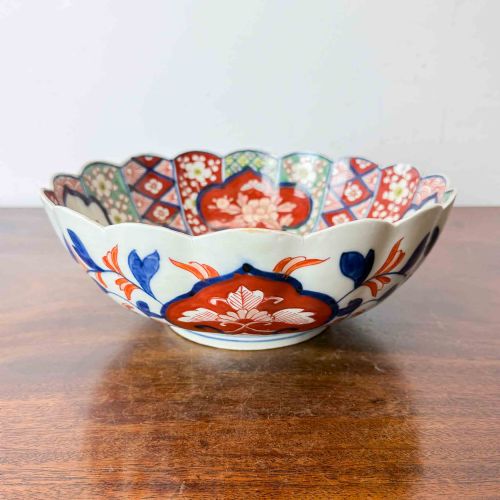

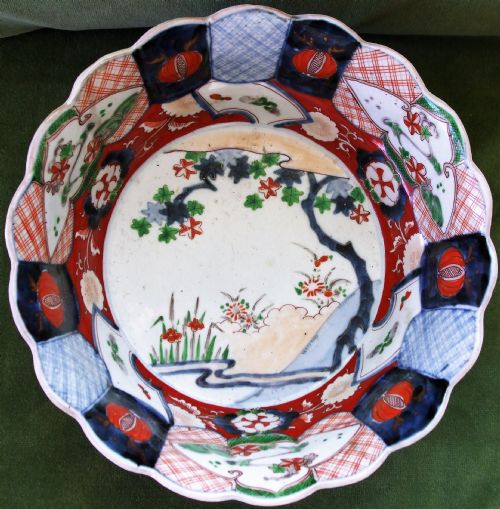
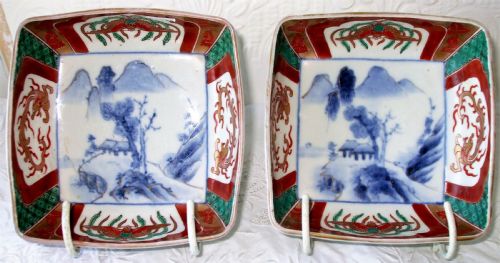
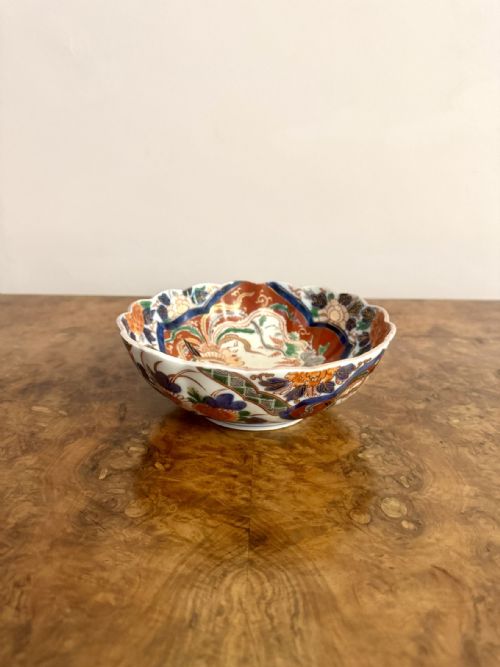
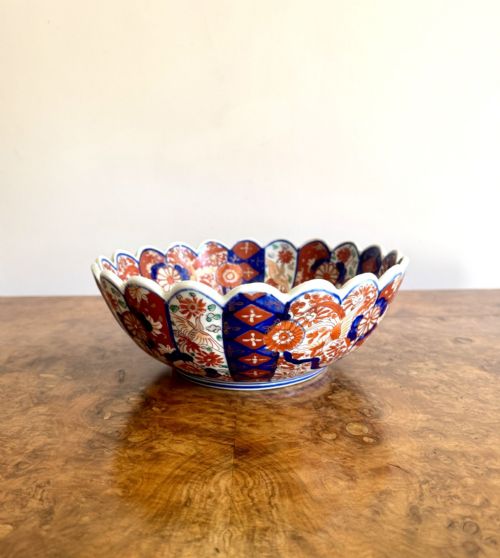


Japanese Arita Ware Bowl
These Japanese arita ware bowl examples bring enduring ceramic artistry to a room, valued for their rich history and striking painted decoration.
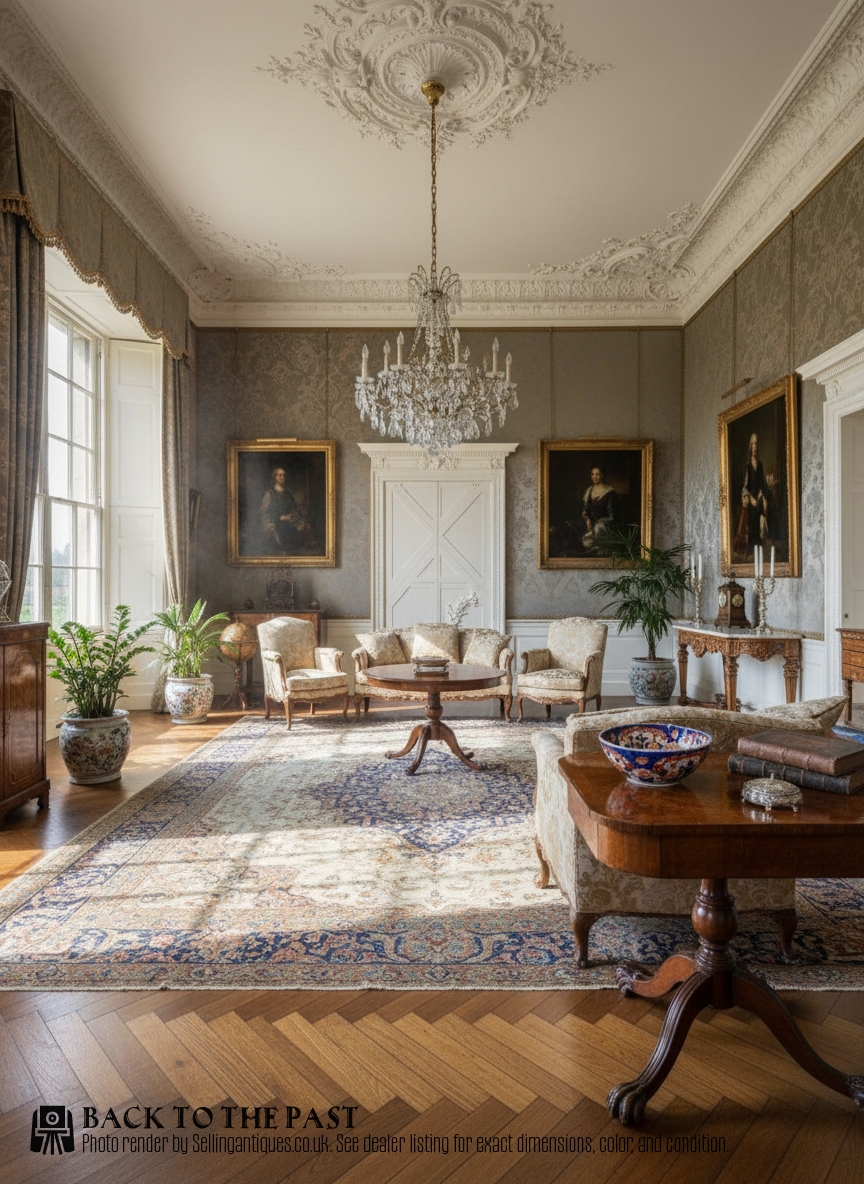
Japanese Arita Ware Bowl
A Japanese arita ware bowl encompasses decorative pieces originating from the historic Hizen province, spanning production periods from the 17th century through to the Meiji period and 1900. Collectors encounter various forms here, including large jardinieres, scallop edge bowls, hexagonal vessels, and clam shell dishes.
The aesthetic bridges several distinct eras, notably the Edo period and Meiji period, reflecting traditional Japanese ceramic techniques. Bowls and dishes often showcase classic Japanese Imari styles alongside Aka-e porcelain traditions.
Vessels range from substantial 17th century pieces to later 19th century and 1900 productions. Buyers typically find decorative bowls and plates designed for display or serving purposes.
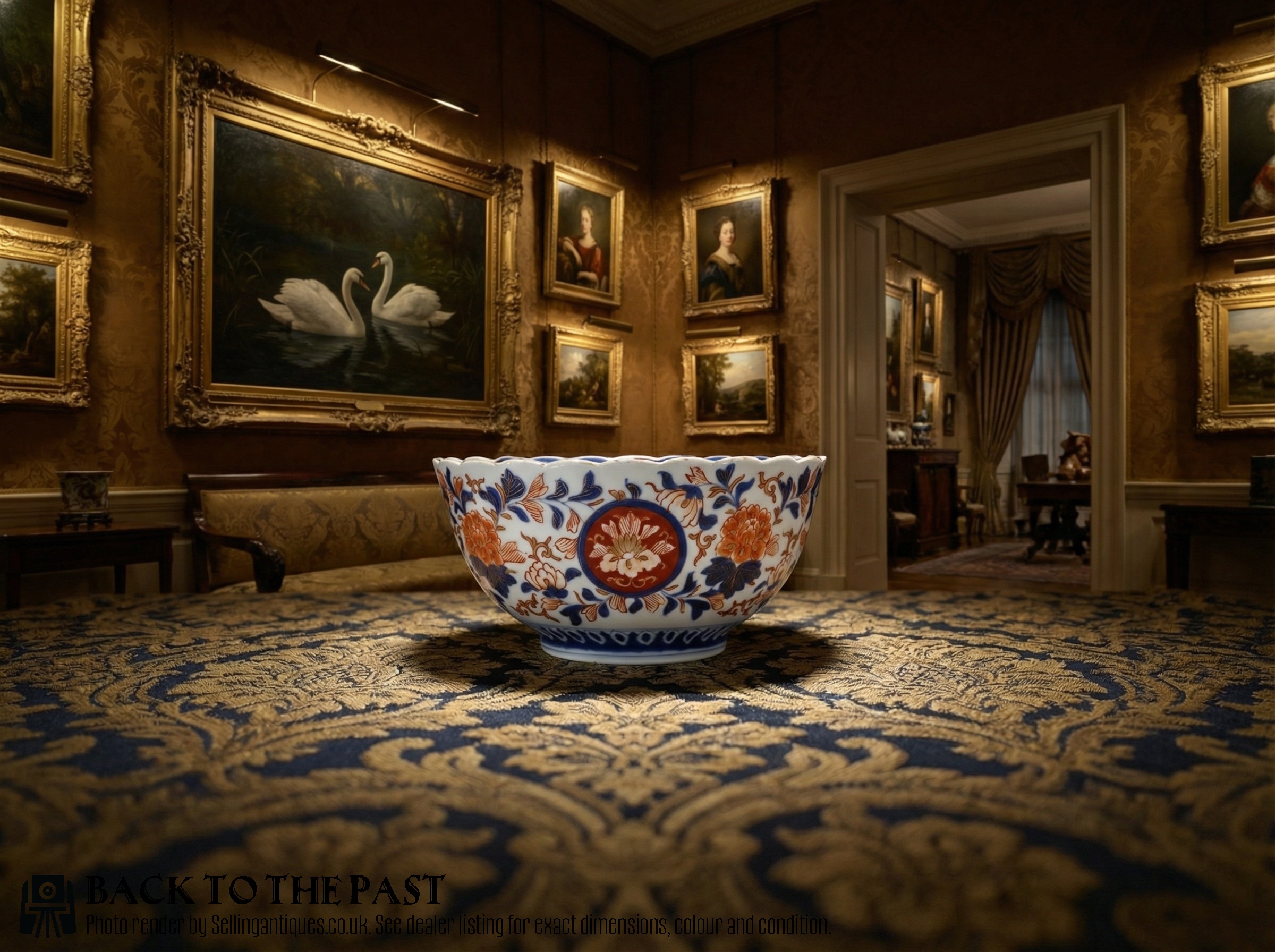
Materials and Technique
Potters utilised fine porcelain and ceramic bodies shaped into bowls, dishes, and jardinieres. Artisans applied cobalt underglaze and cobalt blue pigments directly to the clay before firing.
Decoration often includes vibrant enamel additions and gold leaf accents. Glaze finishes seal the ceramic surface, protecting the intricate underglaze painting.
Japanese Arita Ware Bowl Retail Price Guide 2026
Typical asking prices for japanese arita ware bowl among the pieces listed under this phrase on Sellingantiques today, from the lower quarter to the upper quarter. They describe what is for sale here now, not the wider market.
Materials recorded across the inventory include gold leaf, enamel, cobalt glaze, and traditional ceramic bodies.
Assessing Quality and Execution
The sophistication of the painted motifs separates standard vessels from finer examples. Precision in cobalt underglaze lines and the careful application of enamel and gold leaf determine artistic merit.
Form complexity also influences the piece, with scalloped edges, hexagonal shaping, and moulded clam shell designs requiring advanced pottery skills. Earlier 17th century and 18th century pieces exhibit distinct historical weight compared to later Meiji period or 1900 output.
The Japanese Arita Ware Bowl Glossary
- Arita
- A Japanese town and the historic centre of porcelain production in Hizen province. Pieces originating here are celebrated worldwide for their refined ceramic body.
- Imari
- A style of Japanese export porcelain decorated in underglaze blue, iron red, and gold. This aesthetic heavily influences many bowls and dishes found in this category.
- Edo Period
- The period in Japanese history spanning from 1603 to 1868. Items from this time represent foundational eras of traditional craftsmanship.
- Meiji Period
- The era lasting from 1868 to 1912 in Japan. Production during this time continued traditional decorative motifs while adapting to international tastes.
- Aka-e
- A Japanese term meaning red pictures. This refers to porcelain decorated primarily with iron-red enamel overglaze painting.
- Jardinerie
- A large decorative pot or bowl designed to hold plants or flowers. These substantial vessels often display prominent Arita and Imari ornamentation.
Japanese Arita Ware Bowl: Frequently Asked Questions
What is a Japanese arita ware bowl?
A Japanese arita ware bowl is a ceramic vessel produced in the Hizen region of Japan, known for its durable porcelain body and detailed painted decoration.
These pieces range from early 17th century examples to later Meiji period items, encompassing various functional and decorative forms.
How do I date an antique Arita bowl?
Dating relies on stylistic clues, potting techniques, and the specific palette of cobalt blue, enamel, and gold leaf utilised by the maker.
Earlier pieces often display the characteristics of the Edo period, while late 19th century and 1900 examples reflect Meiji period manufacturing methods.
What is Japanese Imari style?
Japanese Imari style refers to porcelain decorated with a distinctive combination of cobalt underglaze blue, iron red, and gold.
This aesthetic became immensely popular for export and defines many of the decorative dishes and bowls available today.
How were these bowls used historically?
Historically, these porcelain vessels served both practical domestic purposes and decorative display within homes.
Larger items like jardinieres held plants, while scalloped bowls and dishes functioned as tableware or ornamental objects.