






Japanese Arita Ceramic Bowl
These japanese arita ceramic bowl examples bring centuries of kiln tradition into your home, offering painted palettes and forms that defined export pottery.
Japanese Arita Ceramic Bowl
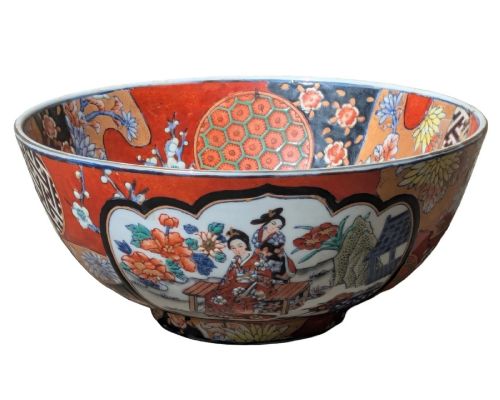
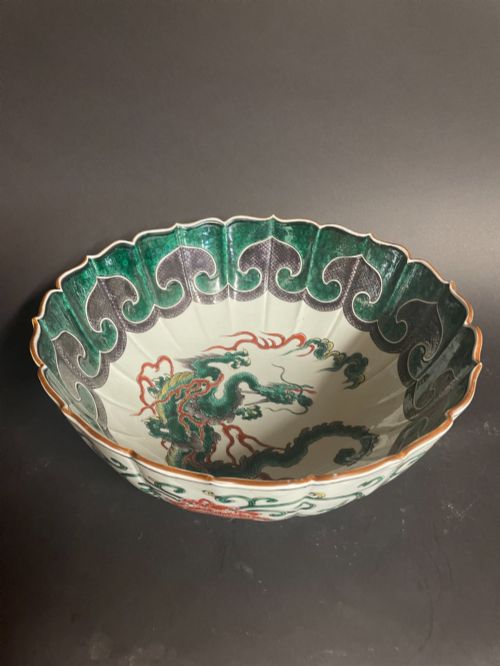
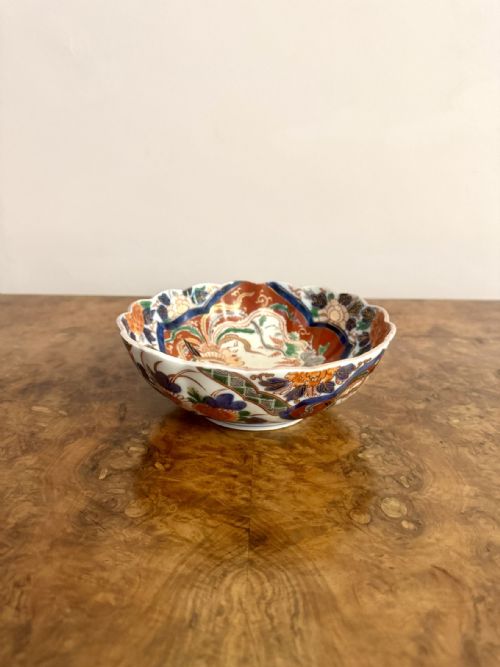
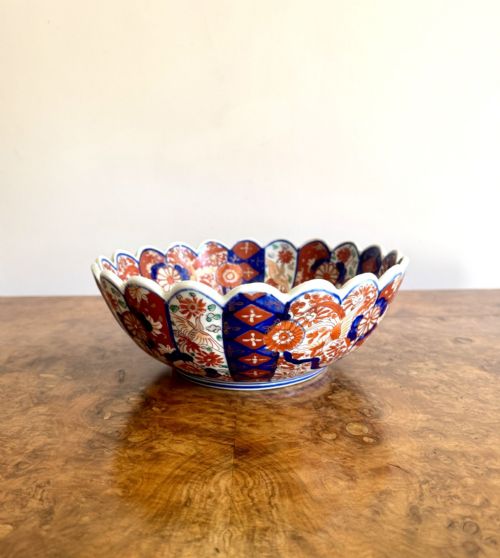
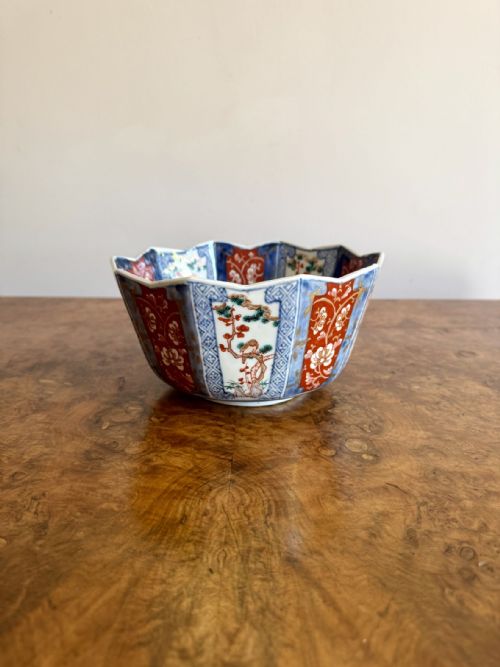
A japanese arita ceramic bowl encompasses centuries of pottery production from the Hizen province, spanning the Edo, Meiji, and Showa periods. The pieces appearing here range from deep jardiniere vessels and large chargers to delicate scallop edge bowls and hexagonal forms.
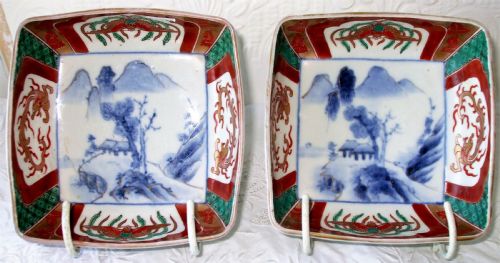
You will most frequently encounter nineteenth century Meiji examples and eighteenth century Edo period dishes. These items function as both practical tableware and decorative centrepieces, featuring classic Japanese Imari palettes or restrained cobalt blue designs.
The selection includes specialised forms such as clam shell dishes, tripod bowls, and shallow plates. Each item reflects the enduring output of Arita kilns through various historical reigns.
Assessing the work
Quality rests in the precision of the hand painting and the clarity of the cobalt underglaze against the porcelain ground. Superior examples display carefully controlled enamel work and intact gold leaf gilding.
The sophistication of the potting, particularly on scallop edged rims and unusual hexagonal or tripod forms, separates standard production from finer output. Preservation of the original glaze and crispness of the moulded shape indicate higher craftsmanship.
Materials recorded across these ceramics include porcelain, cobalt underglaze, enamel, and gold leaf.
The Japanese Arita Ceramic Bowl Glossary
- Arita
- The Japanese town in Hizen province where porcelain production began in the early seventeenth century. It remains the historic centre of Japanese ceramic manufacturing.
- Imari
- A style of Japanese export porcelain decorated in underglaze blue, iron red, and gold, named after the port from which the ceramics were shipped. This aesthetic dominated European interiors during the Edo period.
- Edo Period
- The historical epoch in Japan running from sixteen hundred and three to eighteen hundred and sixty-eight. Pottery from this time is prized for its historical significance and classic forms.
- Meiji Period
- The era spanning from eighteen hundred and sixty-eight to nineteen hundred and twelve. Ceramics from this reign often exhibit intricate hand painted details and ambitious scaling.
- Cobalt Underglaze
- A blue pigment applied to the raw porcelain body before glazing and firing. This technique produces durable designs that resist fading over centuries of use.
Japanese Arita Ceramic Bowl: Frequently Asked Questions
How do I date a Japanese Arita bowl?
Examine the potting style, glaze characteristics, and decorative palette to determine the era. Pieces spanning the seventeenth to twentieth centuries show distinct shifts from early Edo cobalt designs to elaborate Meiji Imari enamels.
Look closely at the foot ring and base construction for clues regarding kiln origins. Historical context from the Meiji and Edo periods helps narrow down the decade of creation.
What is Japanese Imari porcelain?
Imari porcelain refers to wares decorated in a palette of cobalt blue, iron red, and gold leaf highlights. This distinctive style was produced in Arita and exported extensively to Europe.
Collectors value these pieces for their vibrant colours and complex floral or landscape motifs. They served primarily as decorative items for elite interiors.
Were these bowls used daily?
Many larger chargers and decorative dishes served as display pieces in formal rooms rather than utilitarian tableware. Smaller bowls and plates saw practical use during meals.
Surviving examples often retain crisp surface decoration due to careful handling over generations. Their durability stems from high temperature porcelain firing.
How should I display my Arita bowl?
Place shallow bowls and plates on sturdy stands to showcase their painted interiors and scallop edges. Larger jardiniere vessels work well as standalone centrepieces on tables.
Keep ceramics away from direct sunlight to protect enamel colours and gold leaf details. Ensure stable placement to prevent accidental knocks against delicate porcelain rims.