



Gilded Japanese Imari Bowl
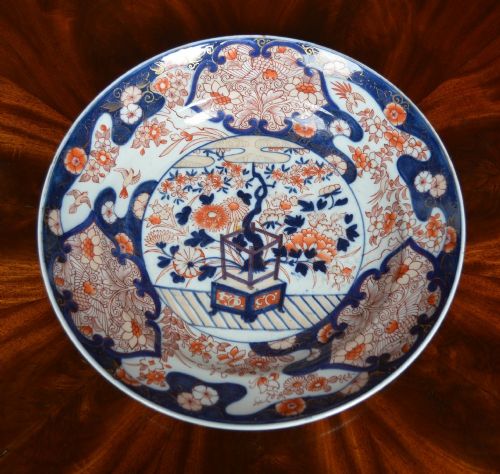
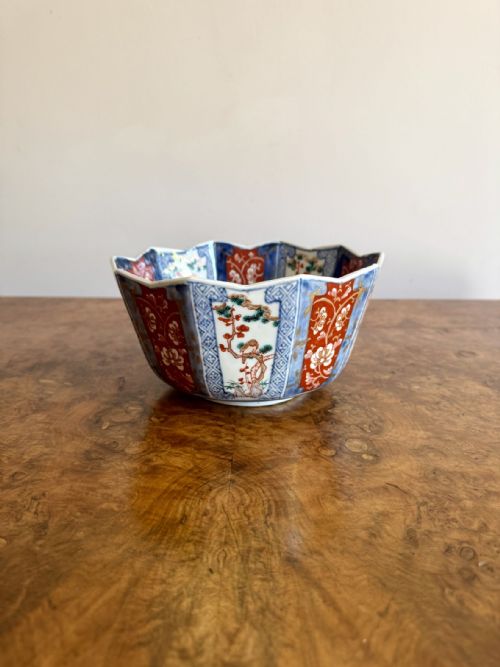
These gilded Japanese imari bowl pieces bring rich palette work and hand-painted detail straight to any room.
Gilded Japanese Imari Bowl
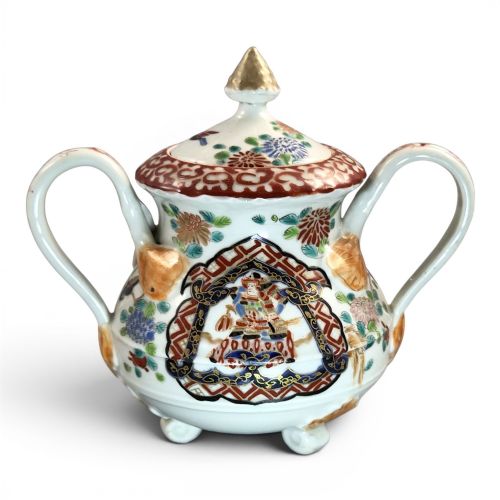
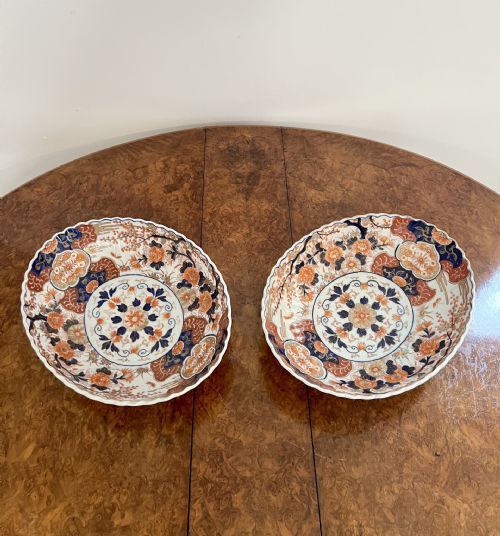
A gilded Japanese imari bowl represents a distinct intersection of traditional ceramics and decorative artistry, spanning periods from the seventeenth century through to the early twentieth century. When exploring this selection, buyers encounter various forms including standard bowls, sugar bowls, scalloped edge vessels, and tripod bowls.
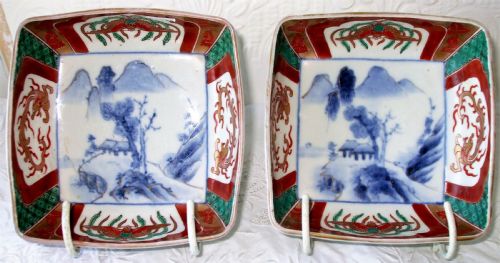
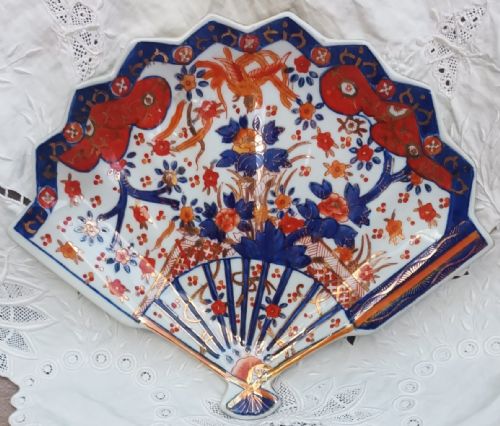
The objects originate primarily across distinct Japanese eras, notably the Edo Period, Genroku Period, and the Meiji Period. Alongside bowls, the listings include related decorative dishes and plates sharing similar stylistic traits.
Pieces most commonly surface from the nineteenth century and the nineteen hundreds, often showcasing traditional motifs and distinctive edging.
Materials and construction
These items rely on porcelain bodies shaped into bowls, dishes, and plates, finished with glaze and enamel decoration. Artisans applied hand-painted designs directly onto the ceramic surface before or during firing phases.
Gold leaf, gilding, and gilt accents were added to highlight specific patterns and edges, providing the characteristic metallic lustre seen across the pieces. Certain examples incorporate specific marks, such as the Fukagawa mark, denoting their origin.
Samurai warriors occasionally hide among the floral motifs, keeping watch over the sugar bowls.
Assessing quality in the range
Quality differences emerge in the precision of the hand painting and the execution of the enamel and gilt work. Superior examples demonstrate careful brushwork and balanced compositions across the porcelain surface.
The complexity of the form, such as scalloped edges or tripod supports, alongside the crispness of the applied gilding, separates standard domestic output from more ambitious workshop pieces.
Fukagawa Mark
The Gilded Japanese Imari Bowl Glossary
- Imari
- A style of Japanese porcelain decorated in underglaze blue and overglaze iron red, gold, and other colours. This distinctive palette defines the visual character of the bowls.
- Meiji Period
- The era of Japanese history lasting from 1868 to 1912. Many pieces on this page date from this significant time of production.
- Edo Period
- The period spanning from 1603 to 1867 in Japan. Early pieces in the listings trace back to this historical timeframe.
- Gilt
- Applied gold or gold-like material used to decorate the surface of the porcelain. It provides the metallic highlights on these bowls.
- Tripod bowl
- A vessel elevated on three feet or supports. Several pieces in the selection utilise this specific configuration.
Gilded Japanese Imari Bowl: Frequently Asked Questions
How do I date a gilded japanese imari bowl?
Dating relies on stylistic traits, historical periods such as the Meiji or Edo eras, and any recorded marks on the base of the porcelain. Comparing the brushwork and colour palette helps align a piece with its production century.
Later nineteenth and early twentieth-century pieces often display distinct decorative patterns compared to earlier seventeenth-century examples.
What materials make up these bowls?
The core structure consists of fired porcelain finished with smooth glazes. Enamel paints provide the colourful motifs.
Gold leaf, gilt, or standard gilding is subsequently added to accent the design elements and edges.
Were these bowls used for food?
Many items served practical dining and serving functions, including specific sugar bowls and general decorative vessels. Over time, their role shifted toward display and collection.
Their varied forms, from standard bowls to tripod bases, accommodated different domestic uses in period settings.
What is the difference between imari dishes and bowls?
Dishes and plates generally feature flatter profiles intended for serving or presentation rather than holding contents in depth. Bowls provide deeper wells suited for storage or display.
Both formats share the characteristic Japanese imari palette and decorative techniques.