

Jacobean Style Chair
A jacobean style chair brings heavy timber presence and historic formality into a room, spanning genuine seventeenth-century survivals and nineteenth-century revivals.
What They Are
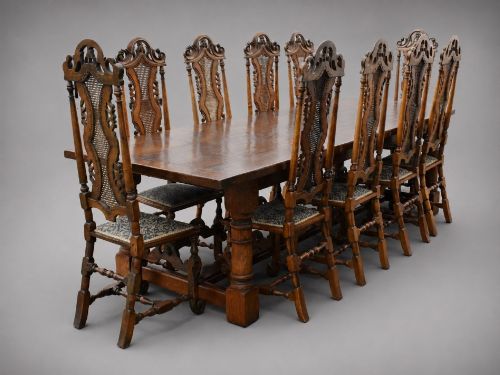
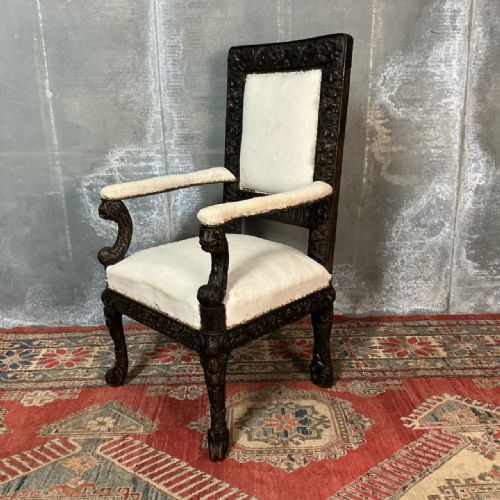
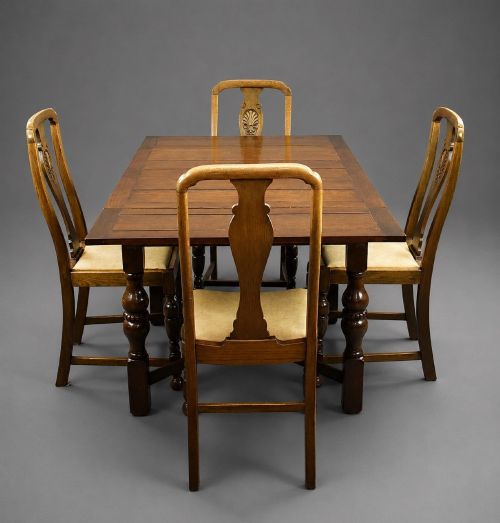
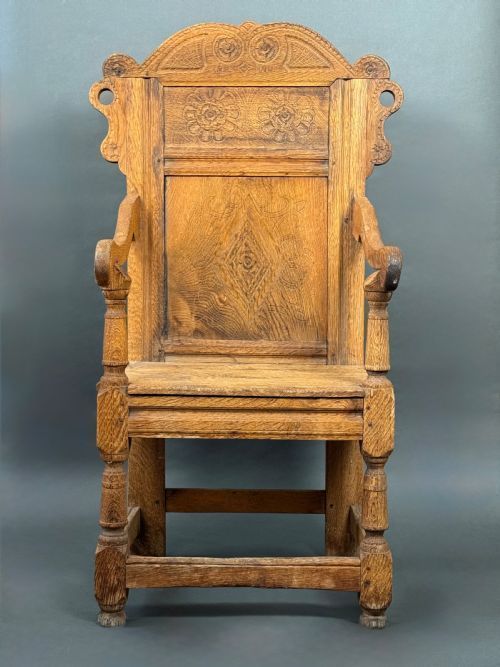
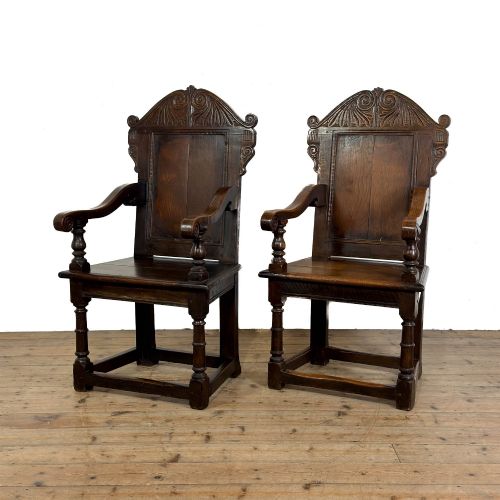
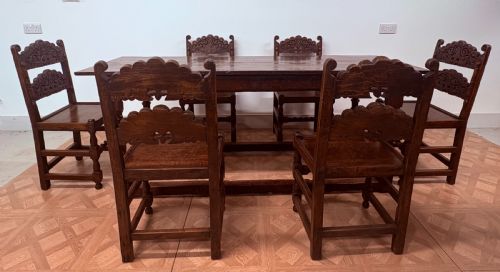
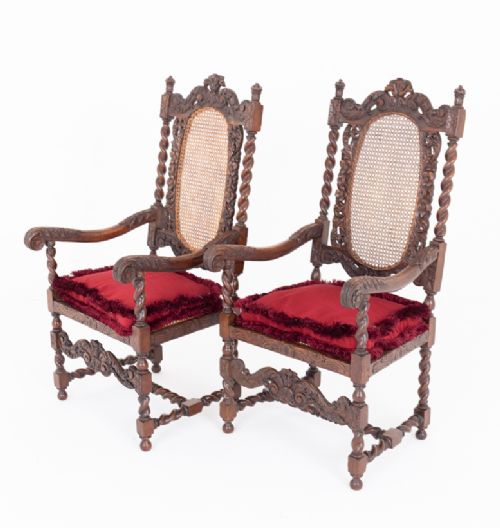
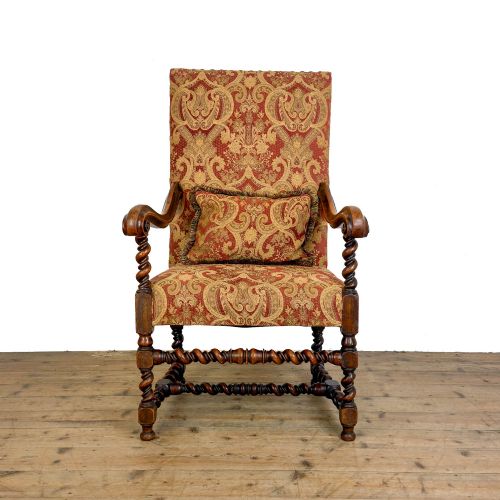
A jacobean style chair encompasses solid oak seating from the seventeenth century alongside nineteenth-century revivals, often taking the form of high-backed dining sets, armchairs, and wainscot chairs.
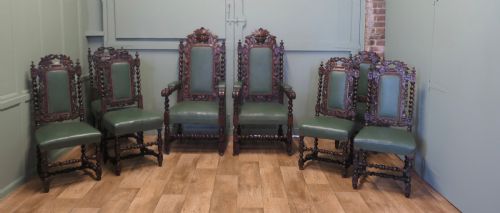
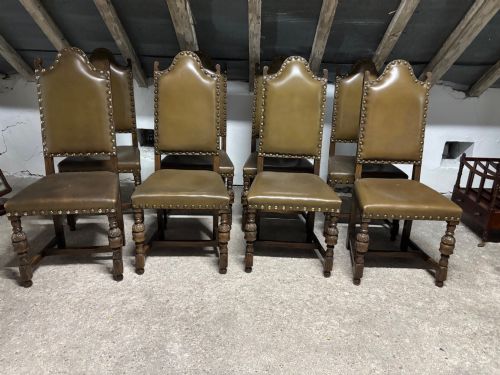
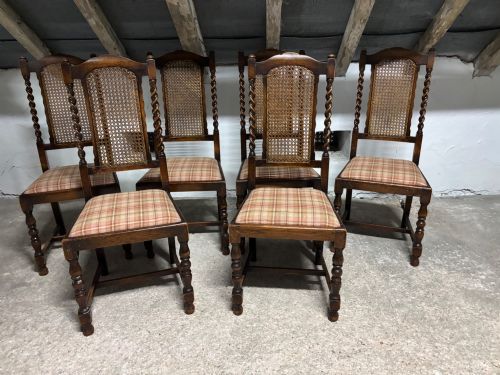
Buyers most frequently encounter nineteenth-century revival pieces, including dining chairs and carvers produced in sets during the Victorian era, alongside authentic seventeenth-century examples.
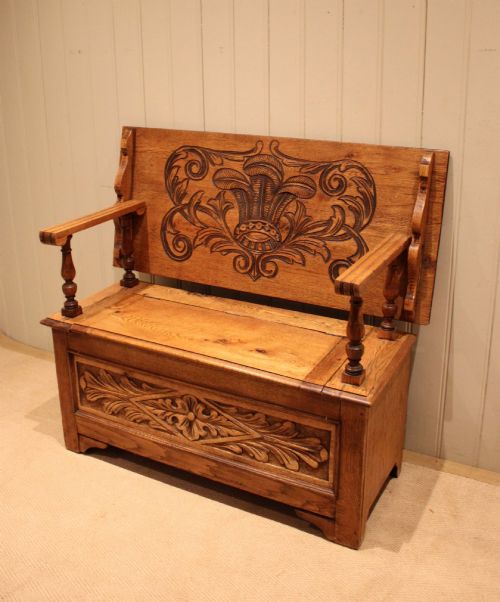
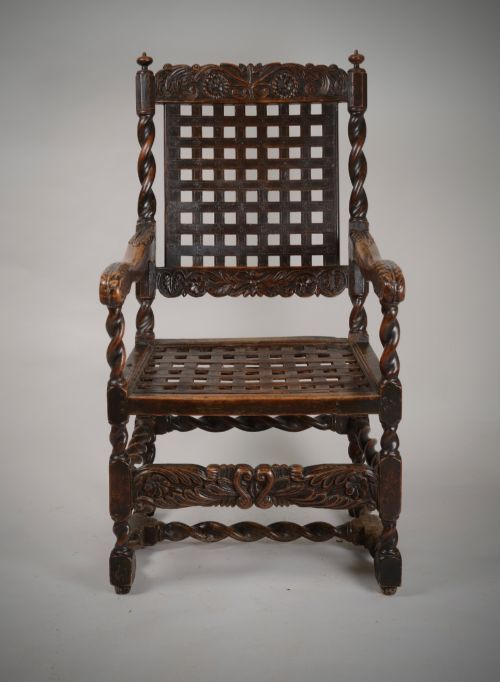
The designs draw on seventeenth-century proportions, featuring upright backs, turned legs, and carved woodwork that reflect seventeenth-century and Carolean aesthetic traditions.
What Varies in Quality
Quality rests on the depth and crispness of the hand carving across the wooden frame, distinguishing spirited workshop execution from softer, mechanical production.
The integrity of the timber and the original relationship between the oak frame, turning, and upholstery materials dictate the distinction between vernacular pieces and high-status examples.
Retail Price Guide 2026
Typical UK retail prices for jacobean style chair, calculated from the Sellingantiques database of over a million retail prices indexed since 2003. This retail price guide relies exclusively on Sellingantiques data; no external sources or auction records are used, so the figures do not describe the wider market.
Listings feature oak, walnut, ebonised wood, leather, tapestry, and brass across seventeenth-century, Victorian, and 1920s periods.
The Jacobean Style Chair Glossary
- Wainscot chair
- A solid wooden armchair with a paneled back and wooden seat, typical of early seventeenth-century construction. These heavy chairs were principal seating pieces before upholstered furniture became common.
- Turned chair
- Seating constructed primarily from cylindrical wooden members shaped on a lathe. The method creates rhythmic patterns of spindles common in seventeenth-century furniture.
- Carolean
- Pertaining to the reign of King Charles II, sharing stylistic traits with Jacobean design through ornate carving and scrollwork. This period follows the strict Jacobean aesthetic with more exuberant details.
- High back chair
- Seating featuring an elongated vertical backrest designed to project above the sitter's head. Such forms dominate formal dining sets from the revival periods.
- Ebonised wood
- Timber treated with a dark stain or finish to imitate ebony. This technique appears on revival pieces seeking to replicate high-status seventeenth-century finishes.
Frequently Asked Questions
How do I spot a seventeenth-century original?
Authentic seventeenth-century pieces display genuine timber oxidation, hand-cut joinery, and wear patterns consistent with centuries of use. The wood density and structural construction methods differ markedly from later revival pieces.
Examination of the underside and joints reveals tool marks and construction techniques specific to early period carpentry rather than nineteenth-century machine production.
Can I use these chairs for daily dining?
Many buyers place revival dining chairs around a table for everyday use, particularly nineteenth-century sets built with solid oak frames. Their robust timber construction handles regular seating well.
Original seventeenth-century pieces require more careful handling due to their age and historical significance, making them better suited for lighter daily use or display.
How do I care for leather and oak?
Solid oak benefits from occasional feeding with appropriate wax to maintain the grain without building up heavy residue. Keep the wood away from direct heat sources to prevent timber splitting.
Leather upholstery requires gentle cleaning and conditioning to preserve flexibility. Avoid commercial chemical cleaners that strip natural oils from antique hides.
What defines the Jacobean aesthetic?
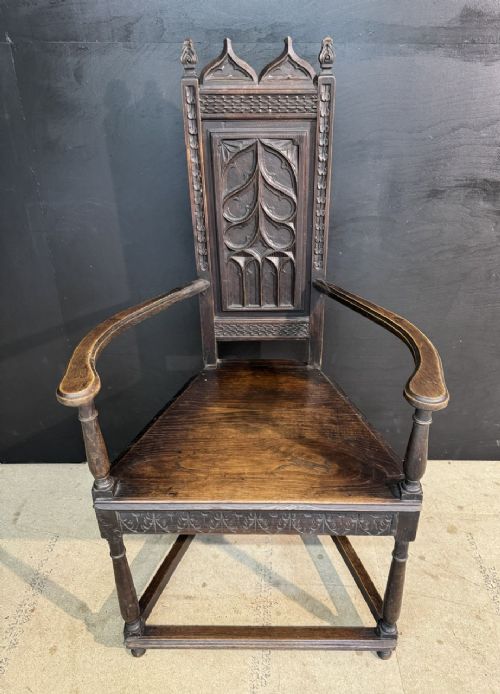
The style emphasises rectilinear wooden frames, geometric paneling, and turned structural elements. Carved motifs often include strapwork, foliage, and arched panels reflecting early seventeenth-century architecture.
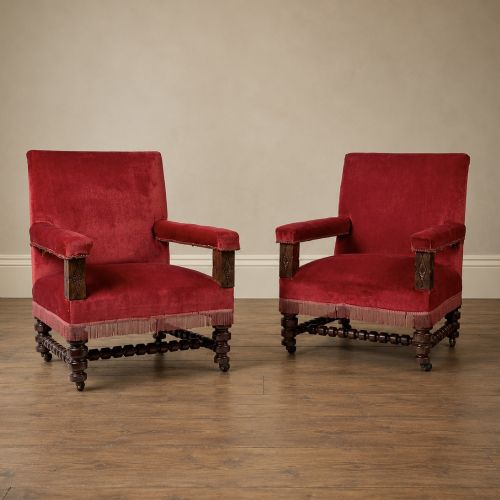
Later Victorian and Edwardian revivals reinterpreted these elements to create uniform dining sets for country houses, blending historical forms with nineteenth-century comfort.