
Seventeenth Century Oak
Seventeenth century oak furniture represents the sturdy domestic craft of the English and European countryside, prized for its heavy timbers and enduring joinery.
Seventeenth Century Oak
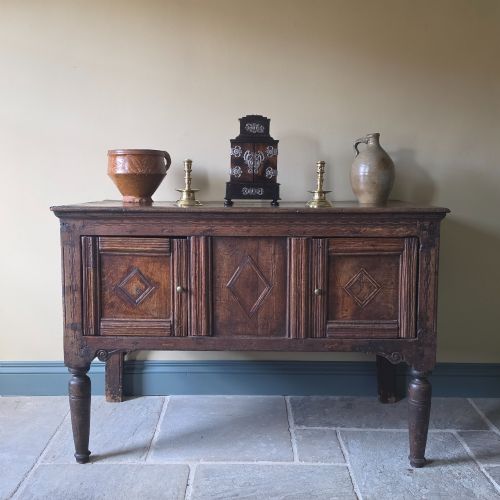
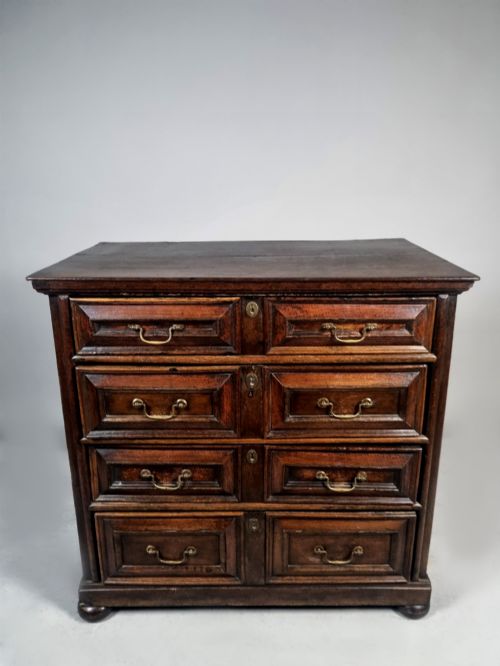
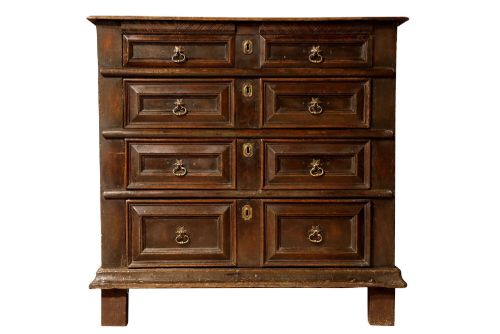
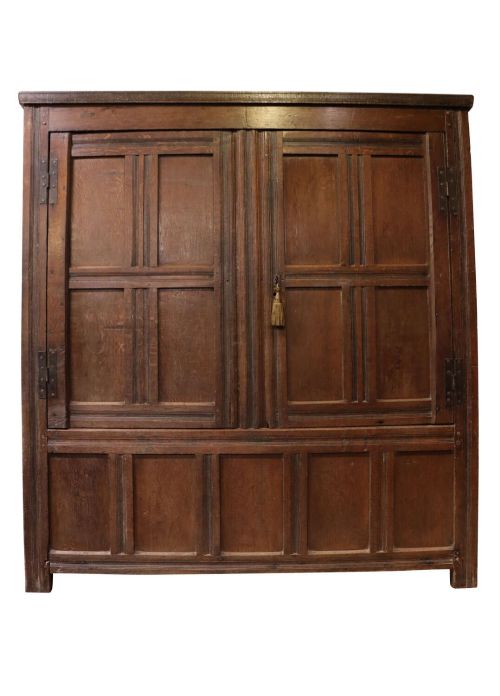
When searching for seventeenth century oak, a buyer encounters domestic utility items built to last generations, predominantly storage chests, side tables, and joint stools. Coffers and panelled chests appear most frequently on this page, reflecting the daily storage needs of seventeenth century households.
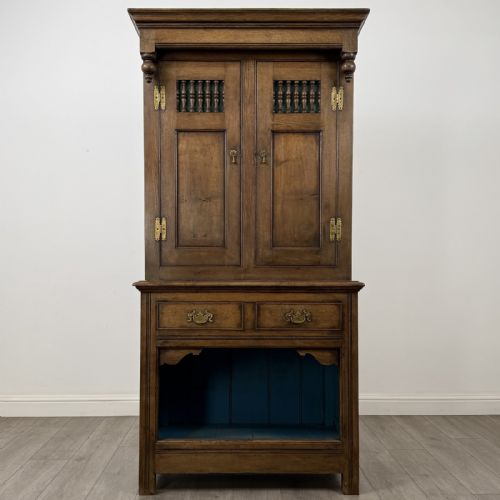
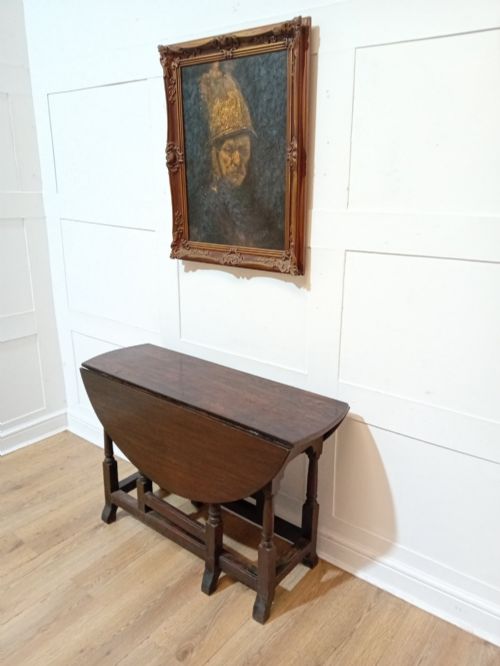
Beyond simple storage, the inventory includes sturdy dining tables, armchairs such as the wainscot and backstool, and elaborate cupboards on stands. Regional variations emerge through specific items like Welsh coffers from the Gower Peninsula and Dutch inlaid tables.
Materials and Construction
Makers utilised solid oak alongside secondary timbers like fruitwood, building pieces through heavy framing rather than modern fasteners. Joined construction, pegging, and panelled box assembly defined the structural integrity of these tables, chests, and chairs.
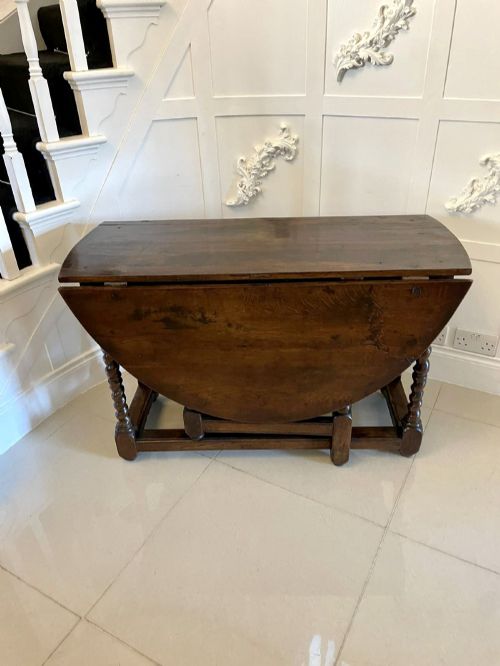
Surface ornamentation relied on hand carving, geometric mouldings, and occasional wood inlay or applied bobbin-turnings. Metal fittings in iron and brass reinforced heavy lids, strong boxes, and draw-leaf mechanisms.
Listings combine genuine seventeenth century examples with later revival pieces produced around 1900 in solid oak.
Judging Quality
The standard of seventeenth century oak rests upon the depth of the hand carving, the crispness of geometric mouldings, and the integrity of the original joints. Pieces that retain their initial boards, feet, and iron hardware hold greater architectural honesty than those rebuilt over subsequent centuries.
Proportions also dictate the hierarchy of these items, as smaller scale coffers and chests demand higher joinery skill to execute successfully. Surface patina, developed through centuries of wax and handling, separates untouched examples from heavily stripped or altered surfaces.
The Seventeenth Century Oak Glossary
- Coffer
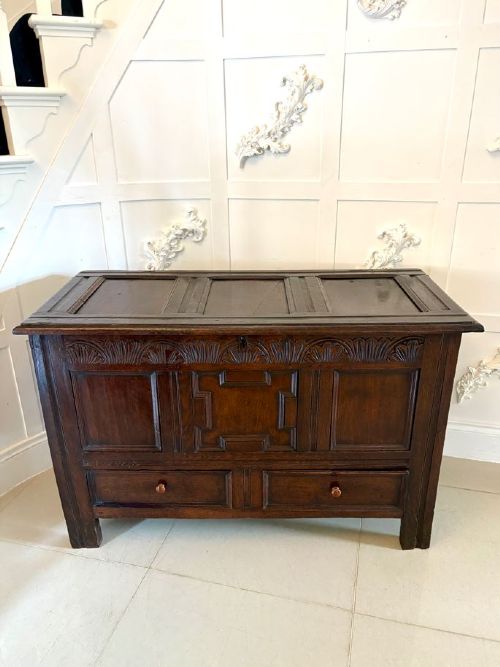
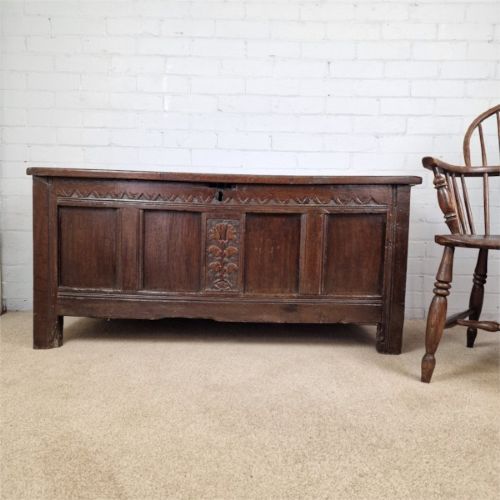
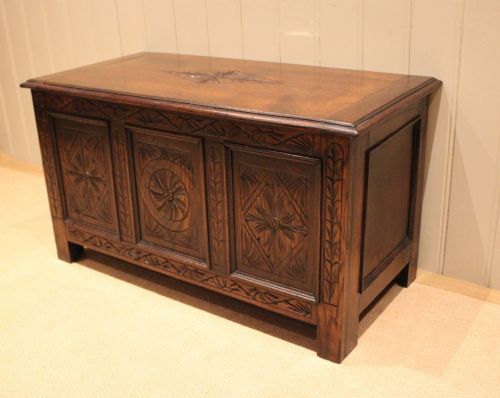
- A large wooden chest used for domestic storage, typically constructed with heavy panelled sides and a hinged lid. Many surviving examples feature carved fronts and sturdy frame-and-panel construction.
- Joint Stool
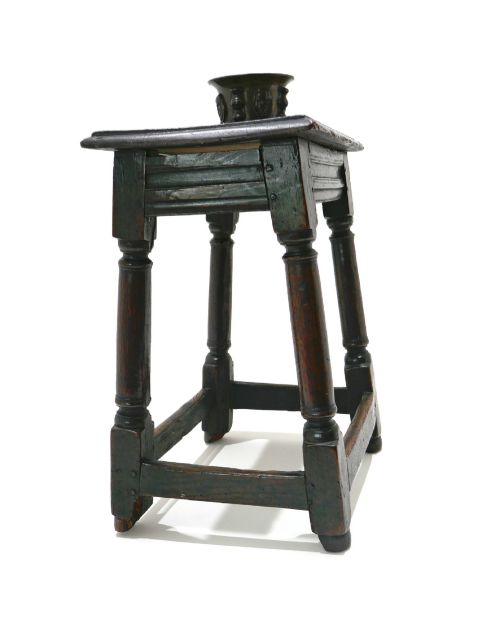
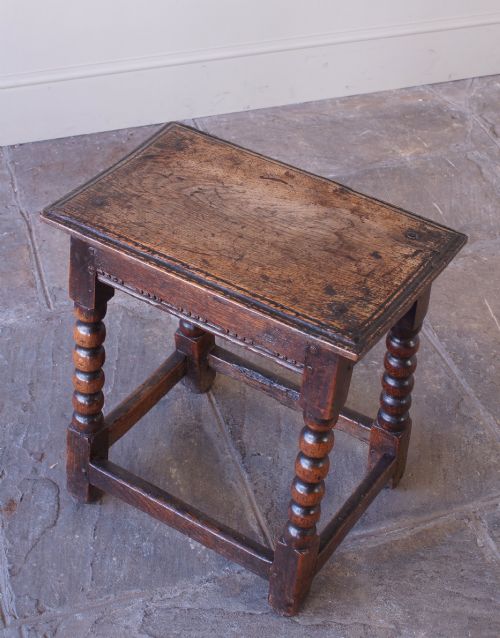
- An early form of domestic seating built using pegged mortise and tenon joints by joiners rather than turners. These sturdy items served as seating or small occasional tables in the seventeenth century home.
- Wainscot Chair
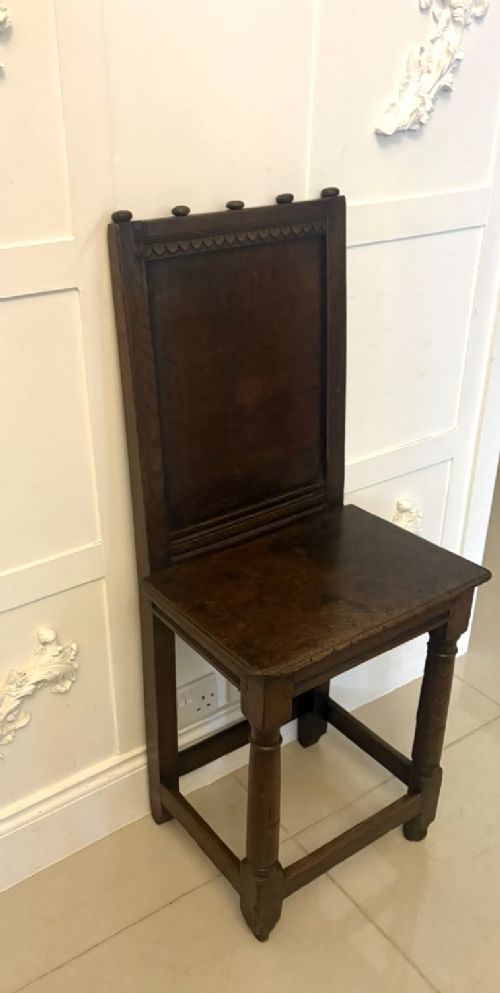
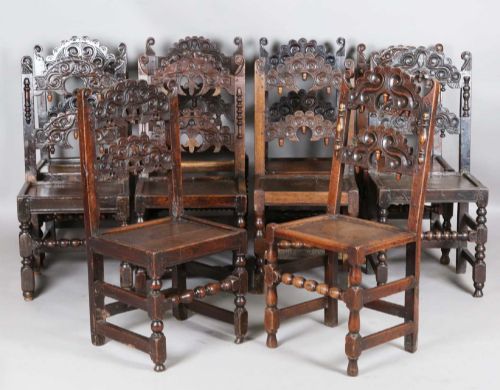
- A heavy wooden armchair constructed with panelled backs and solid wooden seats, rooted in carpentry traditions. They represent high status domestic seating before the widespread adoption of upholstered furniture.
- Draw Leaf Table
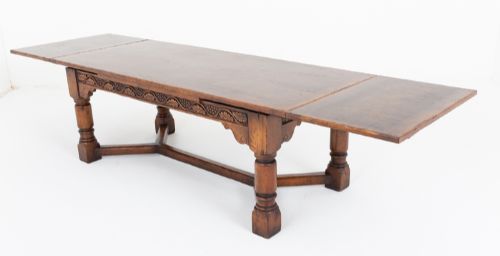
- An expandable dining table featuring two pull-out leaves hidden beneath the main surface. This clever mechanism allows the top to extend smoothly while maintaining a stable base.
- Refectory Table
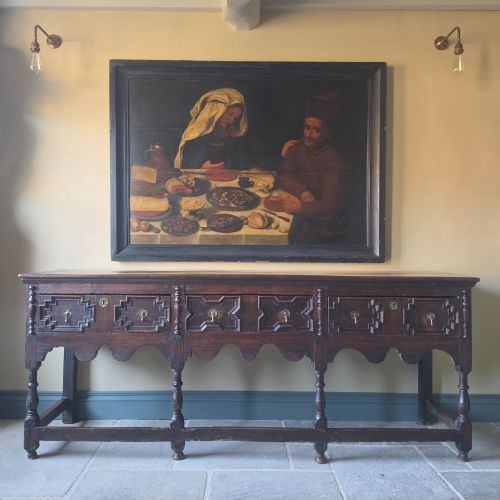
- A long dining table supported by thick legs connected with low floor stretchers. These pieces provided communal dining surfaces in great halls and large households.
Seventeenth Century Oak: Frequently Asked Questions
What is a coffer?
A coffer is a heavy wooden chest designed for storing textiles, valuables, and household goods. They served as primary storage furniture in early homes and often doubled as benches.
Most examples feature flat hinged lids and panelled construction that could withstand heavy daily use and transport.
How should I care for oak furniture?
Historic oak requires stable indoor humidity and protection from direct sunlight and heat sources. Applying traditional beeswax helps maintain the timber without sealing the surface.
Avoiding modern chemical polishes preserves the historic patina built up across centuries of handling.
What is a joint stool?
A joint stool is a sturdy wooden seat built by a carpenter using tight mortise and tenon joints. These items were essential seating around the dining board before chairs became common.
Their robust construction allowed them to double as small side tables or stands for household objects.