



Jacobean Livery Cupboard
A jacobean livery cupboard is a sturdy storage piece in oak, offering historical weight and practical presence for any traditional interior.
Jacobean Livery Cupboard
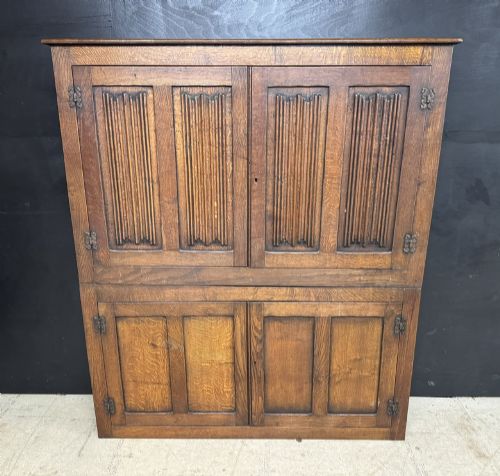
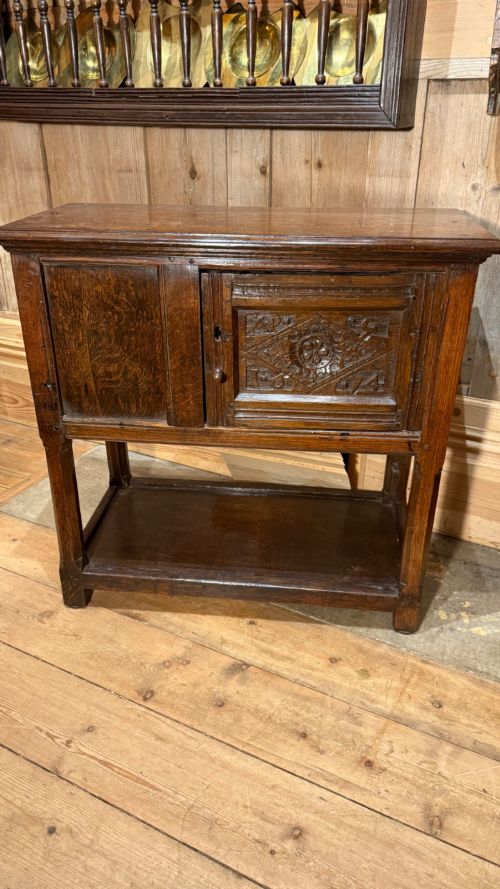
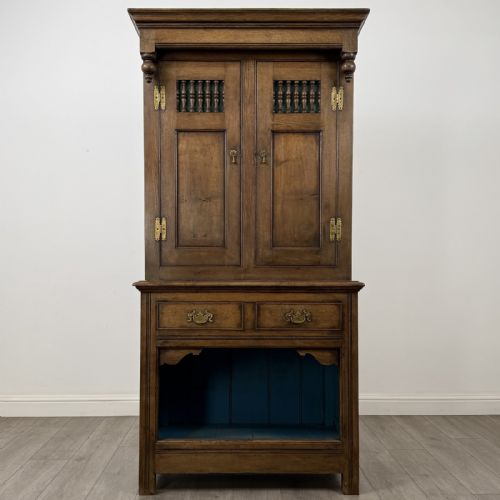
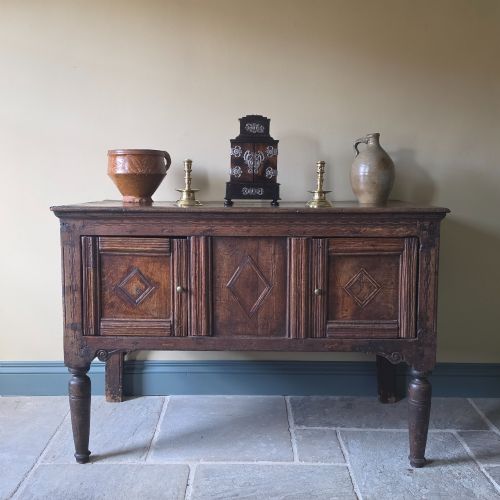
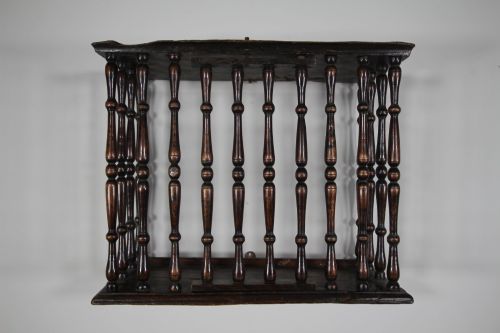
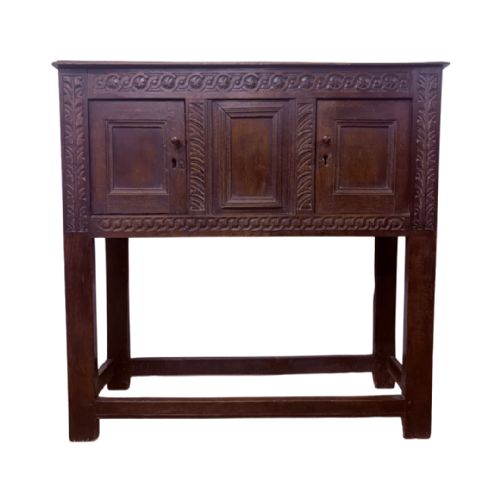
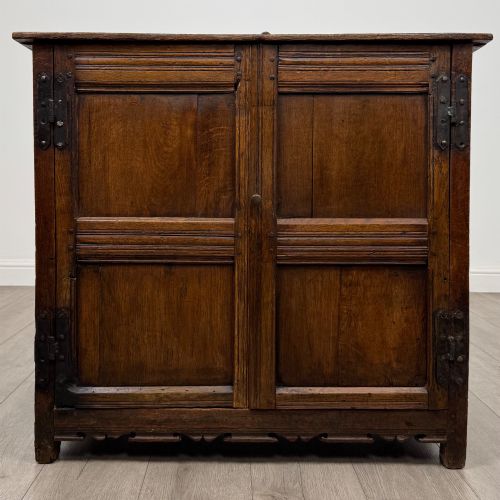
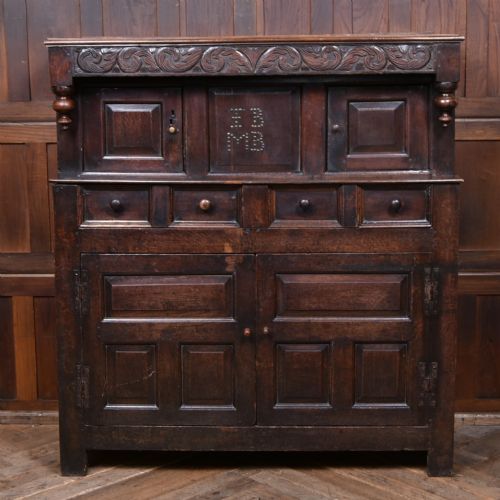
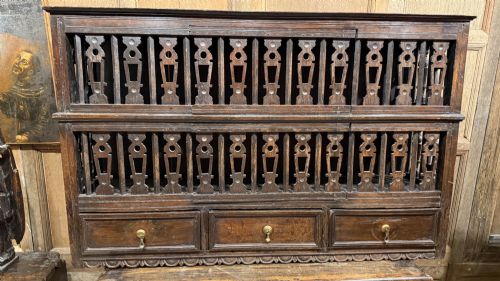
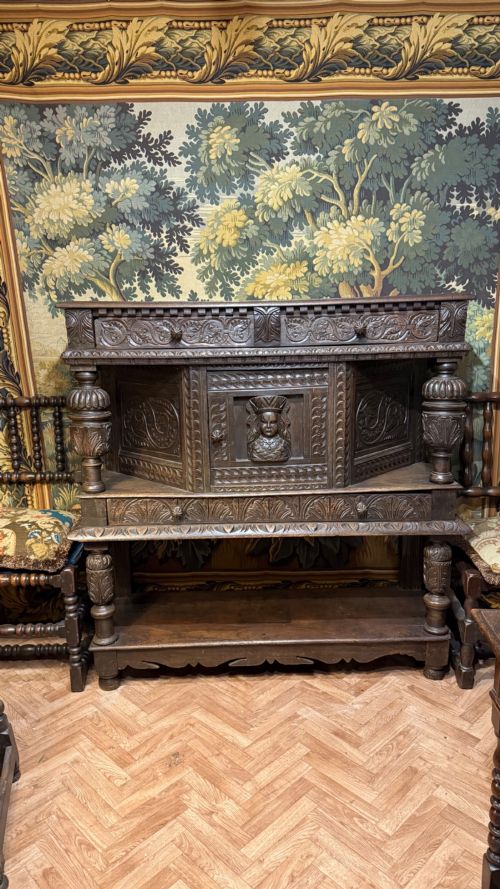
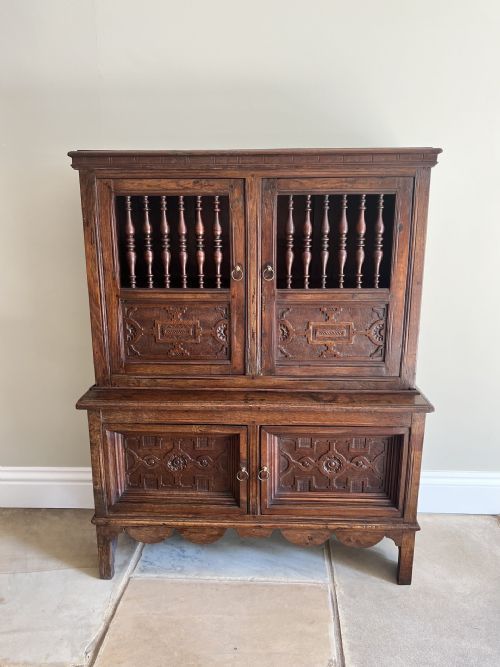
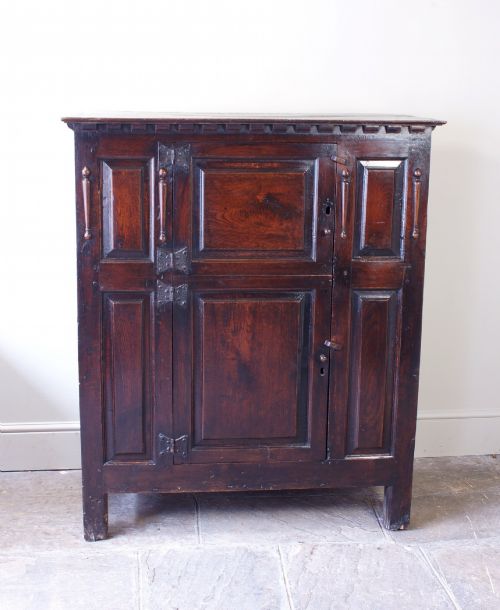
A jacobean livery cupboard is an early storage piece primarily encountered in solid oak from the seventeenth century, alongside later nineteenth century interpretations and revivals. These forms include court cupboards, hanging cupboards, wall cabinets, and linen presses constructed with pegged frames and panelled doors.
Buyers seeking a jacobean livery cupboard will find examples ranging from compact mural units to large standing pieces. The construction relies on traditional joinery methods, often featuring carved ornamentation and enclosed compartments designed originally for provisions or household stores.
Materials and Construction
Construction relies heavily on English oak, shaped through heavy joinery techniques using wooden pegs and sturdy frame-and-panel assemblies. Selected pieces incorporate fruitwood inlay, wrought iron hinges, and brass details to accent the timber framework.
Surface decoration relies on hand carving into the solid wood, producing geometric panels, strapwork, and moulded framing. The structural integrity depends on thick timber planks joined without modern adhesives, reflecting the cabinet-making standards of the period.
Jacobean Livery Cupboard Retail Price Guide 2026
Typical asking prices for jacobean livery cupboard among the pieces listed under this phrase on Sellingantiques today, from the lower quarter to the upper quarter. They describe what is for sale here now, not the wider market.
The listings span from pre-sixteenth century examples through the seventeenth century, with later nineteenth century and twentieth century revival pieces also represented.
Assessing Quality and Character
Quality separates pieces by the depth and crispness of the hand carving, the selection of figured oak timber, and the originality of the structural components. Early seventeenth century examples display tighter grain and more pronounced tool marks than later nineteenth century revivals.
The integrity of the timber, the retention of original brass and iron hardware, and the survival of the original stand or base dictate the standing of a piece. Finer examples maintain their original patination and uncompromised joined frames.
The Jacobean Livery Cupboard Glossary
- Livery cupboard
- A traditional storage cabinet used in early households to keep food, candles, or clothing. These pieces often feature ventilated doors or open tiers.
- Court cupboard
- A heavy oak sideboard or cabinet featuring multiple tiers, enclosed upper sections, and recessed or supported upper levels. They are typical of seventeenth century English joinery.
- Joined oak
- Furniture constructed using mortise and tenon joints secured with wooden pegs rather than metal nails. This method defines the sturdy frames of seventeenth century case pieces.
- Fruitwood inlay
- Contrasting lighter wood insertions used to decorate the dark oak surfaces of select cabinets. This decorative technique adds refined detail to the geometric panels.
- Mural cupboard
- A compact wall-mounted cabinet designed to hang in a room rather than stand on the floor. These pieces save valuable ground space in smaller chambers.
Jacobean Livery Cupboard: Frequently Asked Questions
What is a jacobean livery cupboard?
A jacobean livery cupboard is an early storage cabinet built predominantly from oak during the seventeenth century. They were originally designed to hold provisions, rations, or household linen.
Today, these pieces function as striking statement cabinets in traditional dining rooms or hallways. Their robust frames and carved panels bring a distinct historical character to an interior.
How were these cupboards used originally?
These cabinets served primarily to store food, wine, and candles in wealthy households, keeping provisions secure and aired. The open tiers on certain variants allowed servants to prepare items for service.
In modern homes, they adapt easily for use as cocktail cabinets, sideboards, or general storage units. Their deep compartments accommodate dinnerware and table linens effectively.
How do I tell seventeenth century from later pieces?
Seventeenth century pieces exhibit hand-split oak timber, peg construction, and wear patterns consistent with extended age. The joinery uses traditional hand tools that leave distinct surface textures.
Later nineteenth century revivals often feature machine-sawn timber elements and standardised carving styles. Examining the interior construction and the backboards helps clarify the manufacturing period.
How do I care for antique oak furniture?
Antique oak benefits from stable room temperatures away from direct heat sources and strong sunlight. Applying a traditional wax polish occasionally helps nourish the dry timber and maintain the surface sheen.
Avoid using modern liquid silicone sprays, as they can penetrate the historic grain and damage the patination. Gentle dusting with a dry, soft cloth remains the best daily maintenance.