




17th Century Oak Hutch
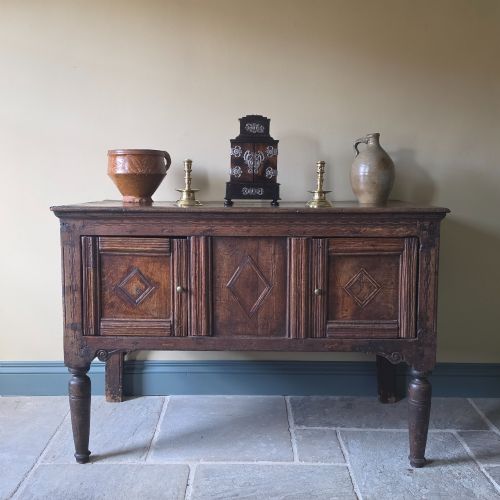
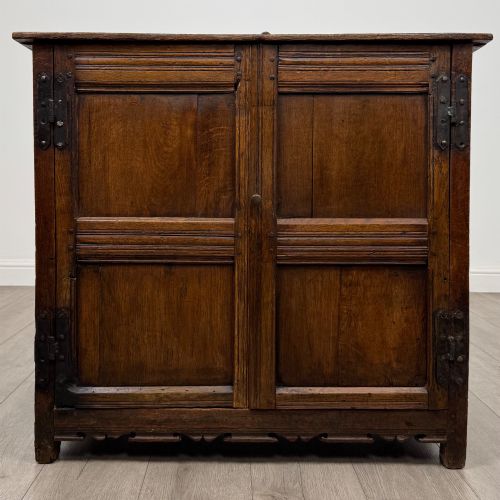
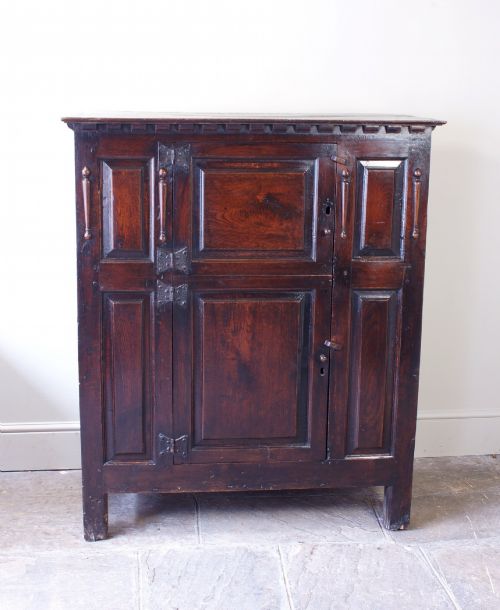
These pieces known as a 17th century oak hutch are utilitarian wooden cabinets built for early domestic life.
17th Century Oak Hutch
A 17th century oak hutch is a sturdy domestic storage piece designed to keep provisions and household items safe. The selection includes food cupboards, bread hutches, and small cupboards dating from the seventeenth century through to later revival periods.
Buyers will encounter forms ranging from small food cupboards and dug out metamorphic pieces to taller livery cabinets and dressers. Many examples display the vernacular styles and Jacobean details typical of early British cabinet making.
The inventory also spans Victorian and 1900 interpretations built in the Jacobean style alongside genuine seventeenth-century survivals. Each piece demonstrates the heavy timber construction and practical utility demanded by early households.
How they were made
Makers utilised solid oak combined with iron and wrought iron hardware to build these robust structures. Timber boards were joined to withstand daily household demands without modern adhesives.
Carving and panel construction defined the aesthetic, often incorporating Jacobean motifs into the structural framing. Brass fittings appear on later examples or restorations, supplementing the primary iron hinges and latches.
17th Century Oak Hutch Retail Price Guide 2026
Typical asking prices for 17th century oak hutch among the pieces listed under this phrase on Sellingantiques today, from the lower quarter to the upper quarter. They describe what is for sale here now, not the wider market.
What varies in quality
Quality rests in the integrity of the original timber and the depth of the carving. Pieces showing untouched period surfaces and original ironwork stand apart from heavily restored or later revival examples.
The 17th Century Oak Hutch Glossary
- Hutch
- An early enclosed storage cabinet or cupboard used for food and household provisions. These pieces often feature panelled doors or ventilated fronts for storing bread.
- Jacobean
- A style dating from the reign of James I characterised by heavy geometric panels and strapwork carving. Later revival periods recreated these distinct motifs.
- Vernacular
- Everyday furniture made by local craftsmen using regional materials rather than following formal court designs. This approach prioritises utilitarian function over academic ornamentation.
- Metamorphic
- Furniture designed to transform into more than one functional form, such as a seat converting into a table. These dual-purpose objects reflect the spatial economy of early homes.
17th Century Oak Hutch: Frequently Asked Questions
What was an oak hutch used for?
These cabinets served primarily as secure storage for bread, meat, and dry provisions in early homes. Keeping food off the damp floor protected supplies from pests and spoilage.
Over time, families also utilised them to store valuable tablewares, linens, and domestic documents. Their solid construction made them versatile pieces for holding household goods.
How do I date a 17th century hutch?
Dating relies on examining the timber grain, tool marks, and construction joints rather than relying on surface appearance alone. Original iron hinges and hand-cut nails provide reliable clues to the period.
Revival pieces from the Victorian era or 1900 often use machine-cut elements and standardised fixings. Comparing the timber patination with genuine seventeenth-century examples helps confirm the age.
Are these hutches suitable for modern homes?
Their compact proportions make them practical for contemporary hallways, kitchens, or living spaces. They provide genuine storage while adding historical character to a room.
Placing them away from direct heat sources and sudden humidity changes preserves the ancient oak timber. Regular waxing maintains the dry, historic finish without adding artificial shine.
What is the difference between a hutch and a dresser?
A hutch is primarily an enclosed cabinet designed for secure food storage, often featuring panelled or ventilated doors. Dressers typically incorporate open display racks for plates above a base of drawers and cupboards.
While both share the same primary timber and period origins, their internal layouts serve different domestic tasks. Some regional examples combine elements of both forms.