

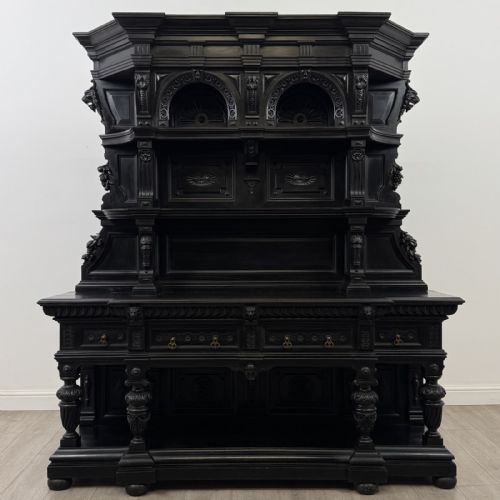
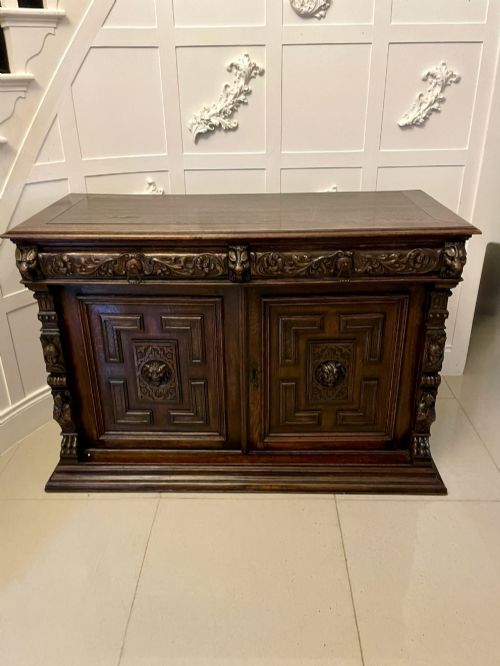
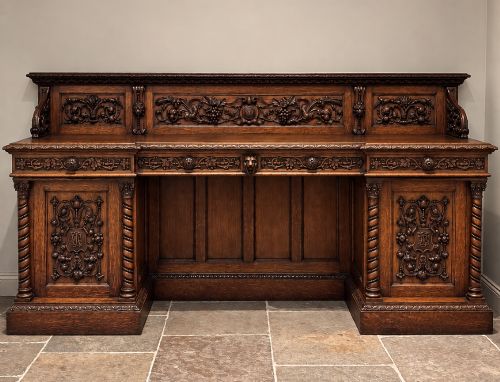
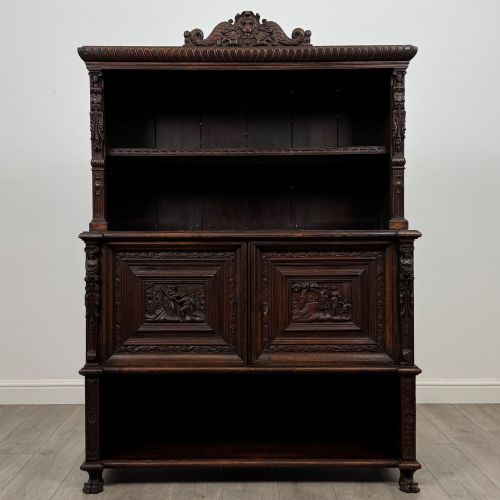


Antique Lion Carved Cupboard
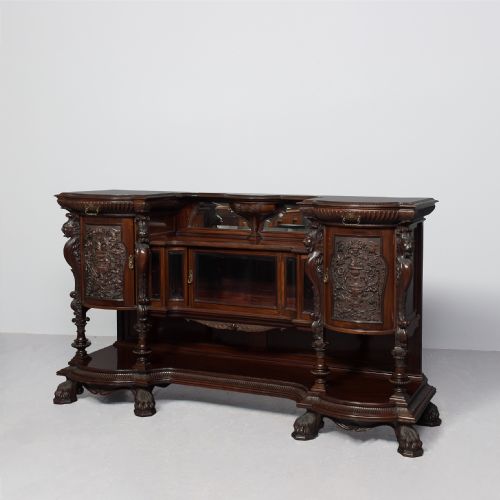
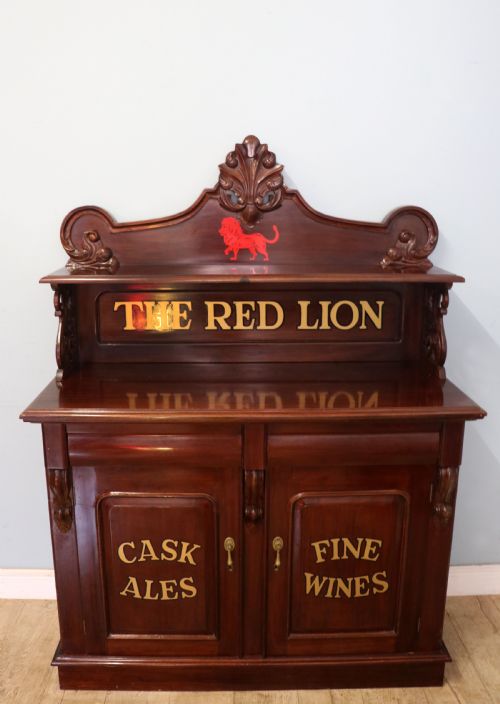
These antique lion carved cupboard pieces bring monumental presence to an interior, built from heavy timbers to hold your prized possessions.
Antique Lion Carved Cupboard
When you search for an antique lion carved cupboard, you encounter substantial storage furniture shaped by various historical revivals. Sideboards, cabinets on stand, and court cupboards dominate the selection, combining deep functionality with sculptural animal motifs.
Oak forms the backbone of these pieces, alongside mahogany and padauk wood. You find examples spanning the seventeenth century through the Victorian era, displaying Flemish, Gothic, and Renaissance influences.
The lion carvings manifest as masks, fierce supports, or integrated panel details. These sturdy items function primarily as grand sideboards, display cabinets, and standing livery cupboards for dining rooms and grand halls.
How they were made
Cabinetmakers constructed these pieces using solid timbers such as oak, mahogany, and padauk wood. Hand-carving brought the lion masks and intricate foliage into relief, demanding high levels of joinery skill.
Glazing involved bevelled glass for cabinet doors, while brass hardware secured heavy doors and drawers. Artisans integrated mirrors into backboards on later Victorian iterations to reflect light across the carved surfaces.
Antique Lion Carved Cupboard Retail Price Guide 2026
Typical asking prices for lion carved cupboard among the pieces listed under this phrase on Sellingantiques today, from the lower quarter to the upper quarter. They describe what is for sale here now, not the wider market.
The listings span from the 17th century through the Victorian era, featuring oak, mahogany, and padauk wood.
What varies in quality
Depth and crispness of the hand-carving separate ordinary production from superior examples. The vitality of the lion masks and the architectural harmony of the cabinet structure dictate the aesthetic tier of each piece.
Selection of timber figure, such as pollard oak or rich padauk, elevates the visual weight. Intact original brasses and well-executed joinery without excessive later alterations maintain the integrity of the antique.
The Antique Lion Carved Cupboard Glossary
- Court cupboard
- A traditional English two-tier storage piece used for displaying plate. These items often feature enclosed upper sections and sturdy lower supports.
- Cabinet on stand
- A raised storage box resting upon a separate supporting frame or table base. This form lifts the carved decoration closer to eye level.
- Padauk wood
- A dense tropical timber valued for its rich colour and durability. Cabinetmakers utilised it in ambitious nineteenth-century works.
- Bevelled glass
- Glass panes featuring angled edges ground down for a decorative finish. This technique catches light distinctively in Victorian cabinet doors.
- Livery cupboard
- An early form of freestanding storage used for food and candles. They typically feature panelled doors for ventilation.
Antique Lion Carved Cupboard: Frequently Asked Questions
How were these cupboards used historically?
Households utilised these substantial pieces in dining rooms and halls to store tableware, linens, and provisions. Upper display tiers also served to showcase silver and ceramic collections.
They acted as focal points of domestic authority and hospitality in wealthy homes.
How do I style an antique cupboard?
Position these heavy wooden pieces against a neutral wall to let the sculptural lion carvings and dark timber grain dominate the room. Ensure the floor can bear the substantial weight of solid oak or padauk.
Pair them with complementary antique dining furniture or use them as a grounding anchor in a modern hallway.
How do I date an antique carved cupboard?
Examine the timber species, construction joints, and decorative style to determine the period. Seventeenth-century examples display different joinery methods compared to Victorian Renaissance Revival pieces.
Hardware styles and mirror-backs further help narrow the decade of manufacture.