

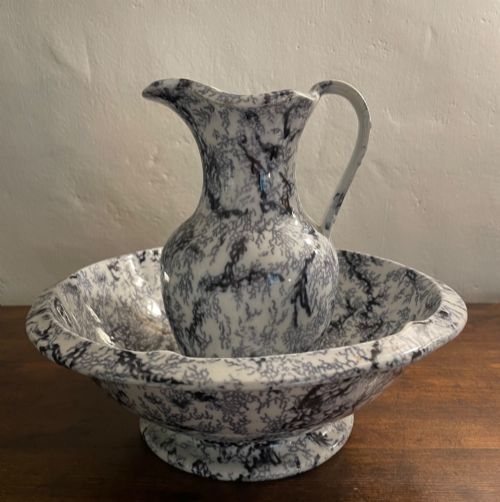
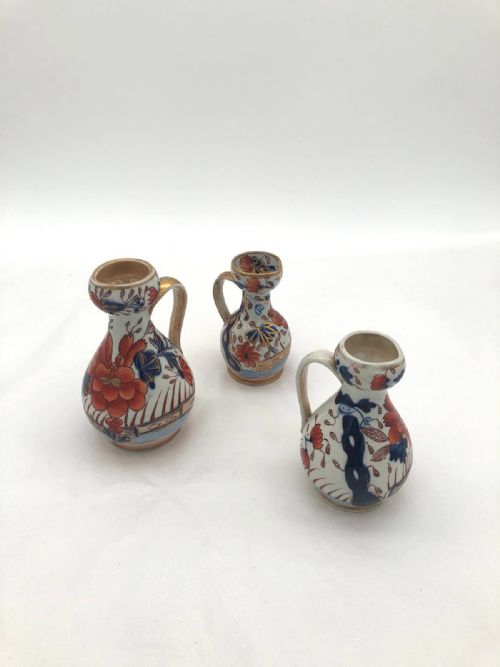
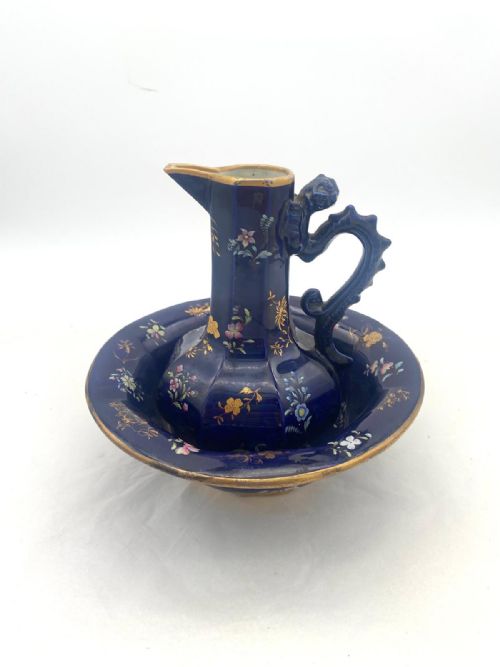
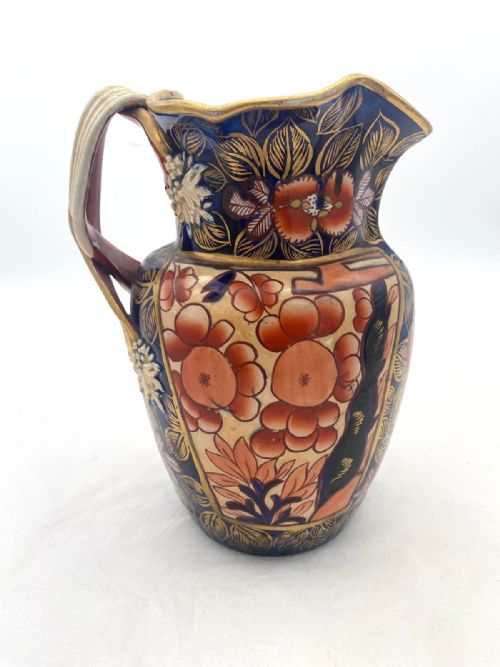


Ironstone Ceramic Jug
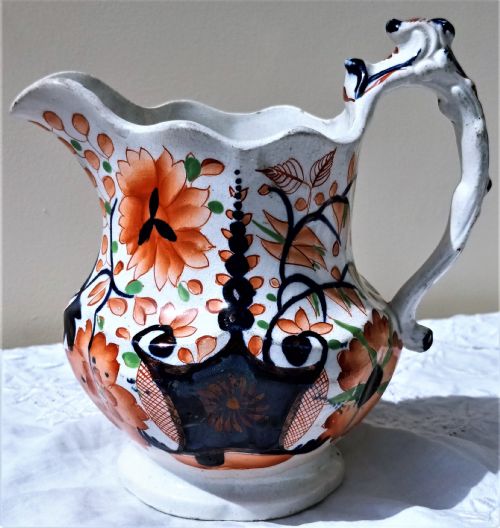
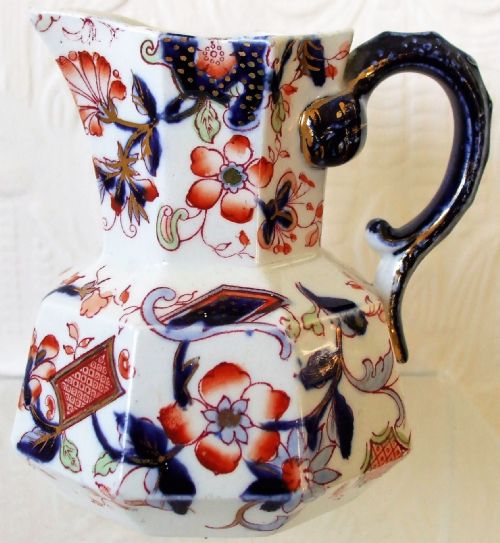
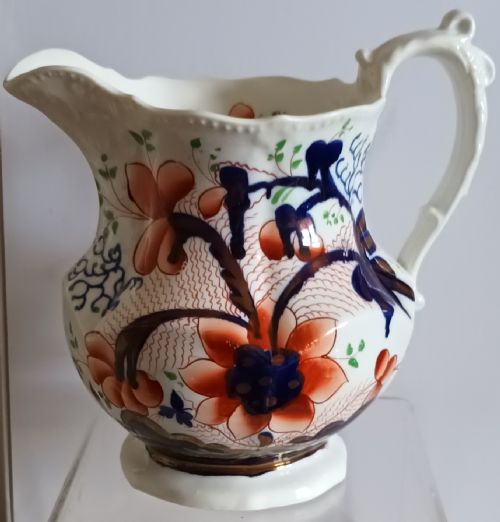
These ironstone ceramic jugs bring sturdy utility and vibrant nineteenth-century patterns straight to the table.
Ironstone Ceramic Jug
An ironstone ceramic jug represents a durable fusion of heavy earthenware and fine porcelain, designed primarily for pouring water, milk or decorative display. When you search for this phrase, you encounter robust domestic vessels that often survived heavy daily service because of their dense body.
The most common examples on this page date from the nineteenth century, spanning Georgian, Regency and Victorian periods. Forms range from modest table pitchers and miniature hydra vessels to large washbasin sets and ewers.
Many pieces display oriental or botanical motifs, drawing on Chinoiserie, Imari and Gaudy Welsh patterns. These styles reflect nineteenth-century tastes for bright cobalt blues, enamel colours and gilt highlights on sturdy ceramic bodies.
Materials and production techniques
Potteries manufactured these vessels using dense ironstone clay, an earthenware formula patented to achieve the strength of stoneware alongside the refined surface of porcelain. Potters then coated the fired body in a smooth glaze to seal the porous clay.
Makers applied hand-painted and transfer-printed decorations over or under the glaze, utilising rich cobalt blue, enamel colours and gold leaf accents. Elaborate pieces often feature moulded details such as snake-like hydra handles or faceted octagonal bodies.
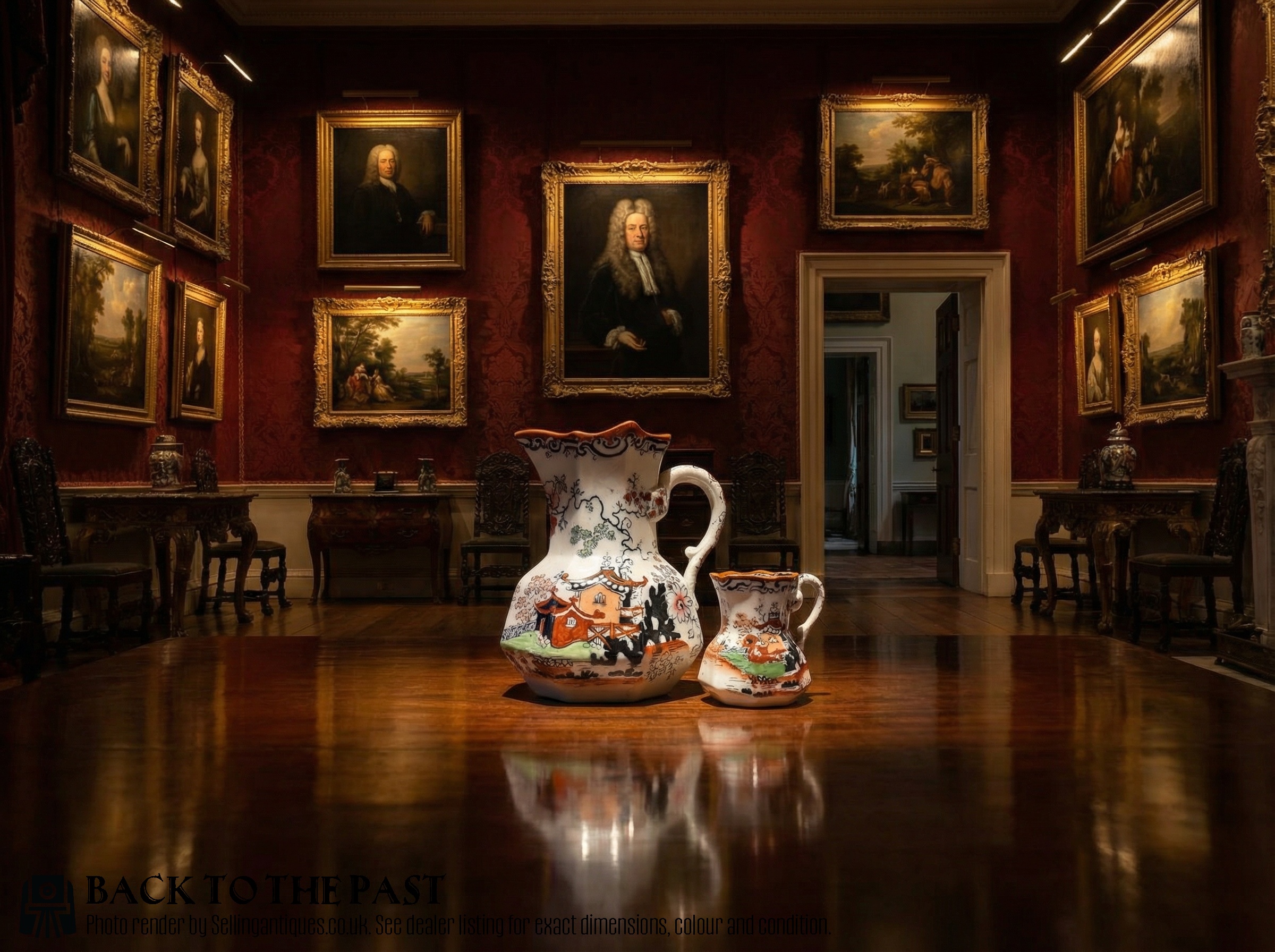
Current listings feature nineteenth-century ironstone ceramic jugs decorated with Chinoiserie patterns, cobalt blue transfer prints, and enamel colours.
Distinctions in quality
Quality rests upon the crispness of the moulded relief, the weight and density of the ironstone body, and the precision of the hand-painted or transfer-printed enamel details. Superior vessels display sharp facet lines, well-defined serpent handles, and deeply saturated cobalt or polychrome pigments.
The sophistication of the pattern layout and the presence of rich gilding separate standard utility kitchenware from ambitious cabinet pieces produced by leading potteries. Well-preserved enamel work and intact gold leaf elevate the visual distinction of a jug.
Mason's·Keeling and Co·Livesley Powell and Co·Davenport
The Ironstone Ceramic Jug Glossary
- Ironstone
- A heavy, durable ceramic invented in the nineteenth century to bridge the gap between earthenware and porcelain. It provides high resistance to chipping while accepting bright glazes.
- Hydra jug
- A vessel featuring a distinctive loop handle shaped like a mythical serpent or dragon. These handles frequently terminate at the rim and shoulder of nineteenth-century pitchers.
- Chinoiserie
- European decorative motifs inspired by Chinese art and design. These patterns often depict landscapes, figures, fences and exotic birds in cobalt blue and enamel colours.
- Flow blue
- A transfer-printing technique where the cobalt blue pigment bleeds slightly into the surrounding glaze during firing. This creates a soft, hazy outline across the pattern.
- Gaudy Welsh
- A style of colourful pottery decorated with cobalt blue, copper lustre, and bright enamel red or pink. It was widely produced in the nineteenth century for domestic tea and milk service.
- Ewer
- A large pitcher with a wide spout and elaborate handle, traditionally paired with a matching basin. These sets formed part of nineteenth-century bedroom washing equipment.
Ironstone Ceramic Jug: Frequently Asked Questions
What was an ironstone ceramic jug used for?
These vessels served practical daily roles in the nineteenth-century home for pouring liquids at the table or carrying water in washbasin sets.
Larger pitchers held water for bedroom basins, whilst smaller ones dispensed milk, water or tea during meals.
How do I date a nineteenth-century jug?
Dating relies on identifying maker marks, potting styles, and the specific application of transfer-printed or hand-painted patterns.
Georgian and Regency pieces often feature octagonal bodies and hydra handles, whereas later Victorian examples lean towards bolder polychrome enamels.
Are these jugs safe for daily use?
Most nineteenth-century pieces function well for serving cold liquids or dry display, though historic glazes require gentle hand washing.
Avoid thermal shock from boiling water or modern dishwashers to protect the original enamel and gold leaf decorations.
What is the difference between ironstone and porcelain?
Ironstone is a heavy, opaque vitrified earthenware designed for maximum durability in domestic service.
Porcelain is a lighter, translucent ceramic fired at higher temperatures from kaolin and petuntse.