




Iron Red Imari Jar
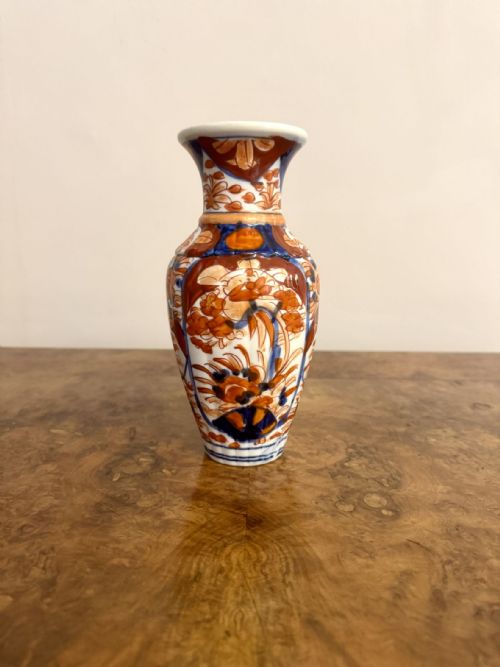
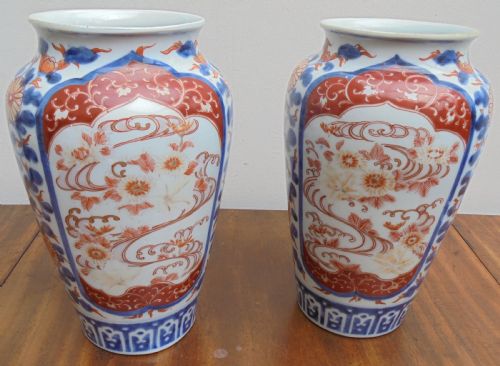
These iron red imari jar items are striking Japanese ceramic vessels that bring rich traditional colour and pattern into a room.
Iron Red Imari Jar
When you search for an iron red imari jar, you encounter Japanese porcelain vessels spanning the nineteenth century, Edwardian era, and Meiji period. These objects arrive primarily as vases, decorative vases, and lidded jars featuring distinct oriental motifs.
Most examples you meet on this page date from the nineteenth century or around nineteen hundred, showcasing traditional forms such as fluted bodies and hexagonal shapes. Certain listings include pairs or trios, alongside large lidded containers and bamboo patterned pieces.
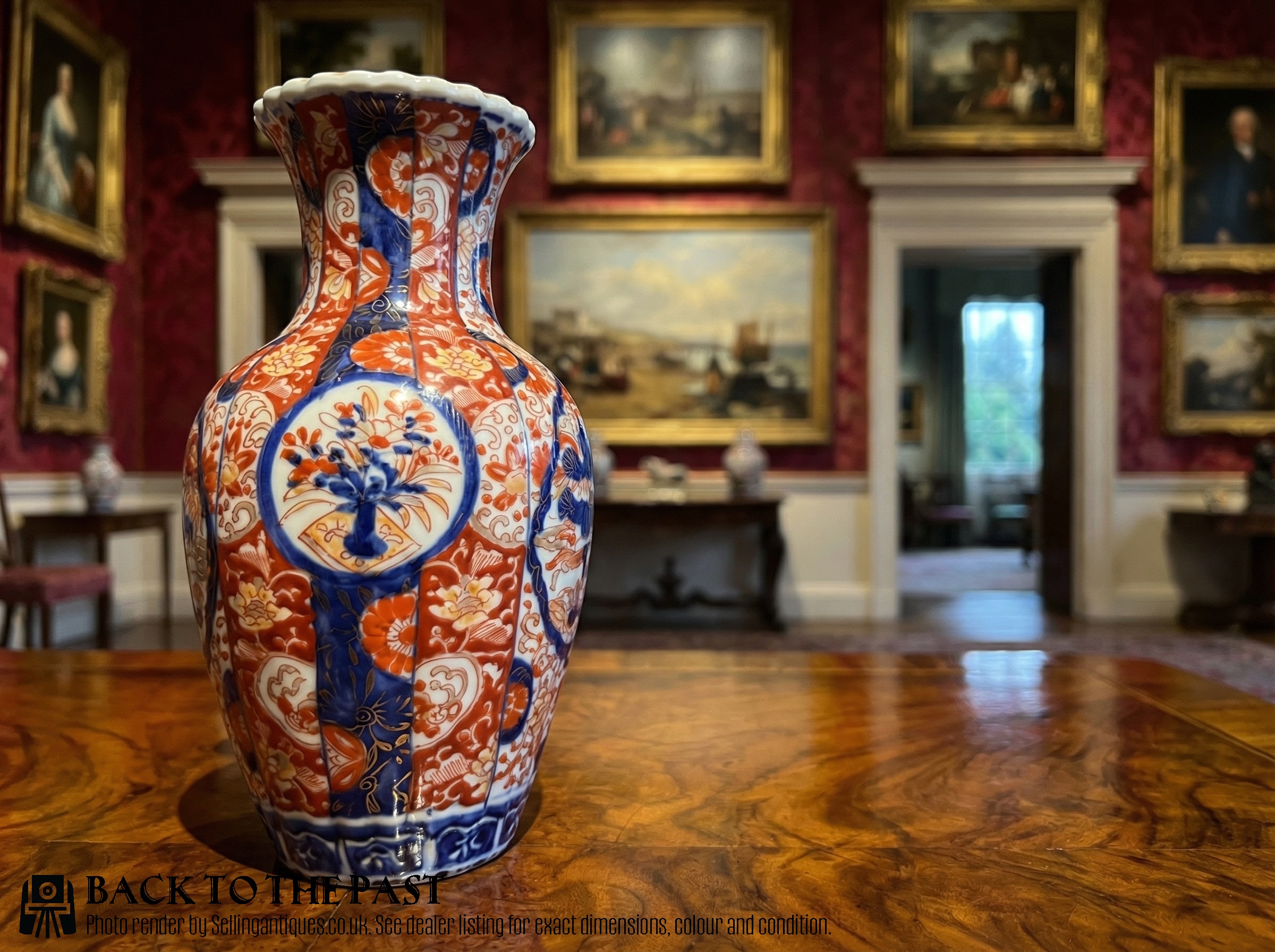
Originating from Japanese craftsmanship, these pieces combine ceramic potting with vivid enamel glaze and gold leaf highlights. The visual impact relies heavily on the characteristic iron red pigment contrasted against classic cobalt blue and white porcelain.
How they were made
The foundation of every piece is porcelain, shaped into vessels, vases, and lidded jars before undergoing initial firing. Potters occasionally formed these bodies with fluted profiles or hexagonal geometry to add structural depth.
Decoration relies on the application of enamel glaze, incorporating the signature iron red alongside gold leaf and gilding. Artisans painted intricate patterns directly onto the fired surface, often introducing bamboo motifs and traditional Japanese designs before secondary firing fixed the colours.
Iron Red Imari Jar Retail Price Guide 2026
Typical asking prices for iron red imari jar among the pieces listed under this phrase on Sellingantiques today, from the lower quarter to the upper quarter. They describe what is for sale here now, not the wider market.
Certain nineteenth-century pieces come with lids that actually match the jar they sit on.
What varies in quality
Distinction across these ceramic vessels lies in the crispness of the porcelain potting and the precision of the hand-painted enamel glaze. Superior examples display sharply defined hexagonal or fluted forms with harmonious proportions.
The application of gold leaf and gilding further separates standard domestic output from finer exhibition pieces. Rich saturation in the iron red pigment combined with detailed pattern work elevates the visual presence of the jar.
The Iron Red Imari Jar Glossary
- Imari
- A traditional style of Japanese porcelain originating from the port of Imari, exported extensively during the Meiji period. It is defined by a distinct palette of iron red, cobalt blue, and gold leaf.
- Enamel glaze
- A vitreous composition applied to fired porcelain to add colourful decoration. This coating fuses to the ceramic body during a subsequent firing stage.
- Gilding
- The application of gold leaf or powdered gold onto the surface of the ceramic. This technique highlights specific design elements and adds a reflective quality.
- Meiji Period
- The era in Japanese history spanning from eighteen sixty-eight to nineteen twelve, associated with significant craft production for export. Pieces from this time often exhibit meticulous detail and vibrant enamels.
- Hexagonal
- A six-sided geometric form utilised for certain vase and jar bodies. This shape requires careful potting to maintain symmetry across all angled faces.
Iron Red Imari Jar: Frequently Asked Questions
How were these jars used historically?
Historically, these porcelain vessels served as decorative ornaments within domestic interiors, often displayed on mantelpieces or tables. Lidded versions also functioned to store dry goods or simply enhance room aesthetics.
Their striking combination of iron red, cobalt, and gold leaf made them focal points in Victorian and Edwardian display cabinets and reception rooms.
How do I date an imari jar?
Dating relies on examining the characteristics of the porcelain body, the specific tones of the enamel glaze, and stylistic indicators such as Meiji period motifs. Nineteenth-century examples often display distinct potting techniques and hand-mixed pigments.
Comparing the form, whether fluted, hexagonal, or standard rounded, alongside any recorded production periods helps narrow down the decade of manufacture.
How do I live with an imari jar?
Living with these pieces involves placing them on stable surfaces away from high-traffic areas to protect their glazed and gilded surfaces. Their vibrant colour palette allows them to stand alone as statement objects or complement existing collections of Asian art.
Routine maintenance requires only gentle dusting with a soft, dry cloth to preserve the integrity of the enamel glaze and gold leaf highlights.