









Iron Red Imari Dishes
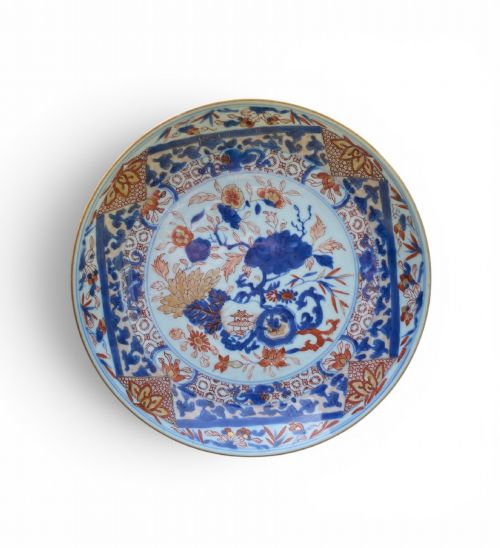
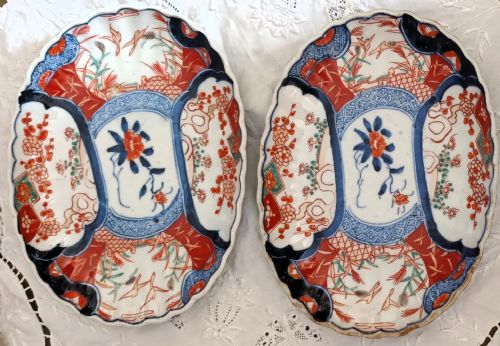
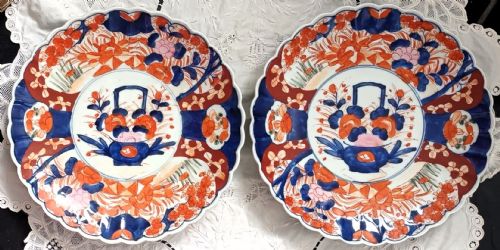
Iron red imari dishes bring together rich underglaze cobalt and vibrant iron red enamel, offering a striking display of historic ceramic artistry.
Iron Red Imari Dishes
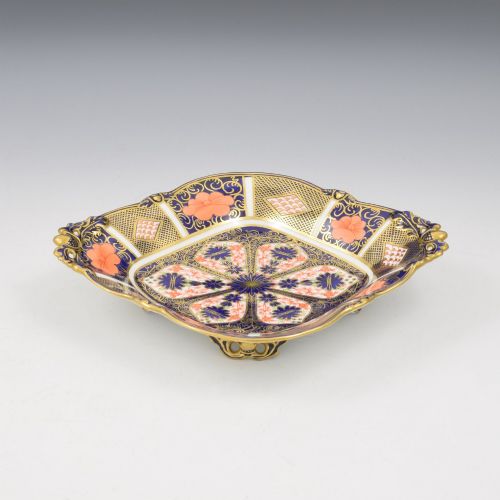
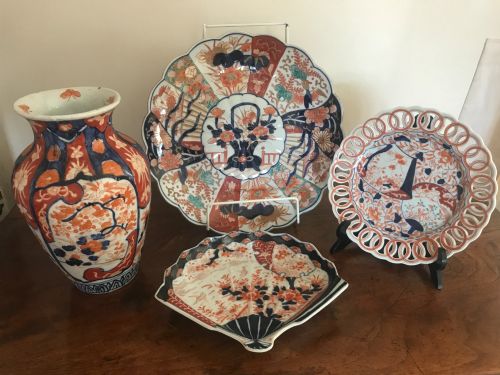
Iron red imari dishes encompass plates, chargers, bowls, and trays produced across multiple centuries. Buyers will primarily find Japanese Meiji period examples alongside Chinese export pieces and English interpretations.
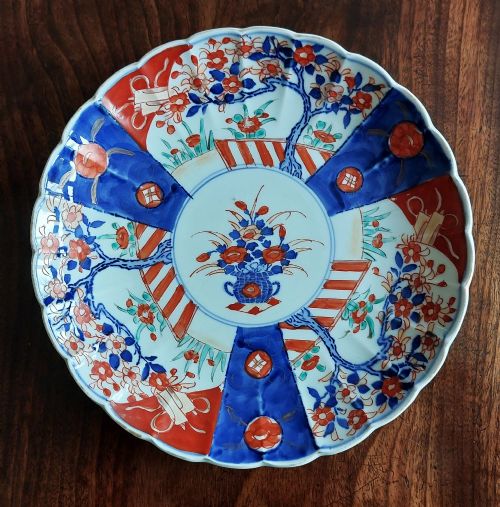
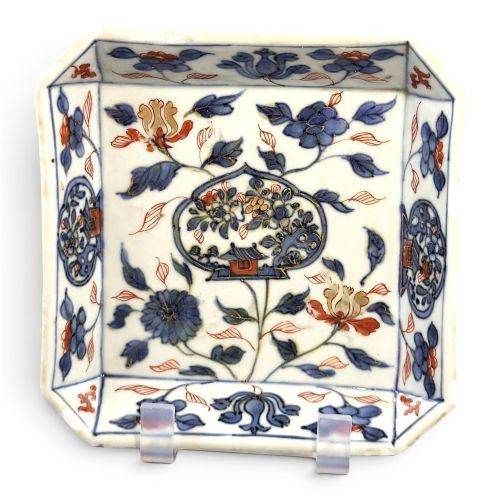
The forms range from traditional circular plates and deep chargers to scalloped, hexagonal, and chamfered square shapes. These objects served both functional dining roles and decorative display purposes within interiors.
Origins span from the Kangxi and Qing periods through the nineteenth and early twentieth centuries. Pieces often feature distinct motifs such as exotic birds, floral patterns, and figurative scenes including the Seven Lucky Gods.
How they were made
Potters shaped ceramic and porcelain bodies before applying cobalt underglaze details to the raw clay. After an initial firing, artisans added enamel colours, including iron red and occasionally gold leaf or gilt highlights, before a secondary firing to set the palette.
Surface decoration relied on careful hand painting, which accounts for the intricate floral and avian designs seen across the plates and chargers. Edge treatments varied from simple circular profiles to moulded scallop, ribbon, and chamfered geometric rims.
Several plates capture the Seven Lucky Gods sharing space with exotic birds, proving that ancient deities occasionally enjoyed avian company.
What varies in quality
The precision and detail of the hand painting distinguish superior examples from standard production. Crispness in the cobalt underglaze lines and depth within the iron red enamel indicate higher atelier skill.
The complexity of the ceramic form also influences the standard of the piece. Hexagonal plates, scalloped edges, and pierced serving trays demand greater technical mastery during shaping and firing than basic circular dishes.
Royal Crown Derby
The Iron Red Imari Dishes Glossary
- Iron red
- A prominent red enamel pigment derived from iron oxide, applied over the glaze and fired at a lower temperature. It provides the signature warm tone characteristic of imari palette ceramics.
- Cobalt underglaze
- A blue pigment painted directly onto the unglazed ceramic body before the application of a clear glaze and high-temperature firing. This technique protects the blue pigment beneath the glassy surface.
- Charger
- A large decorative plate traditionally used for formal service or display rather than everyday dining. These pieces measure significantly wider than standard dinner plates.
- Meiji Period
- The era in Japanese history spanning from 1868 to 1912, associated with a vast output of decorative arts for both domestic and export markets. Many surviving imari plates originate from this timeframe.
- Kangxi Period
- The reign period of the Qing dynasty from 1662 to 1722, noted for technical excellence in Chinese porcelain production. Export wares from this era heavily influenced later Japanese and European styles.
Iron Red Imari Dishes: Frequently Asked Questions
What is an iron red imari dish?
An iron red imari dish is a ceramic or porcelain plate, bowl, or charger decorated with a distinct palette combining cobalt blue underglaze with iron red enamel, frequently accented by gold.
These pieces originate from Japanese, Chinese, and English kilns, reflecting centuries of cross-cultural stylistic exchange in ceramic manufacturing.
How were these dishes used originally?
While some vessels served functional dining and serving purposes, larger chargers and decorative plates were primarily intended for display on walls, sideboards, or tables.
Their vibrant pigments and intricate motifs made them focal points in formal rooms and collections.
How do I date an imari piece?
Dating relies on examining the characteristics of the porcelain body, the specific hue of the cobalt and iron red pigments, and the potting style. Meiji period Japanese pieces often display lively asymmetry and detailed bird motifs, while earlier Chinese export wares exhibit distinct Kangxi or Qing characteristics.
English interpretations, such as those from the twentieth century, incorporate specific pattern numbers and European ceramic bodies.
How should I display them at home?
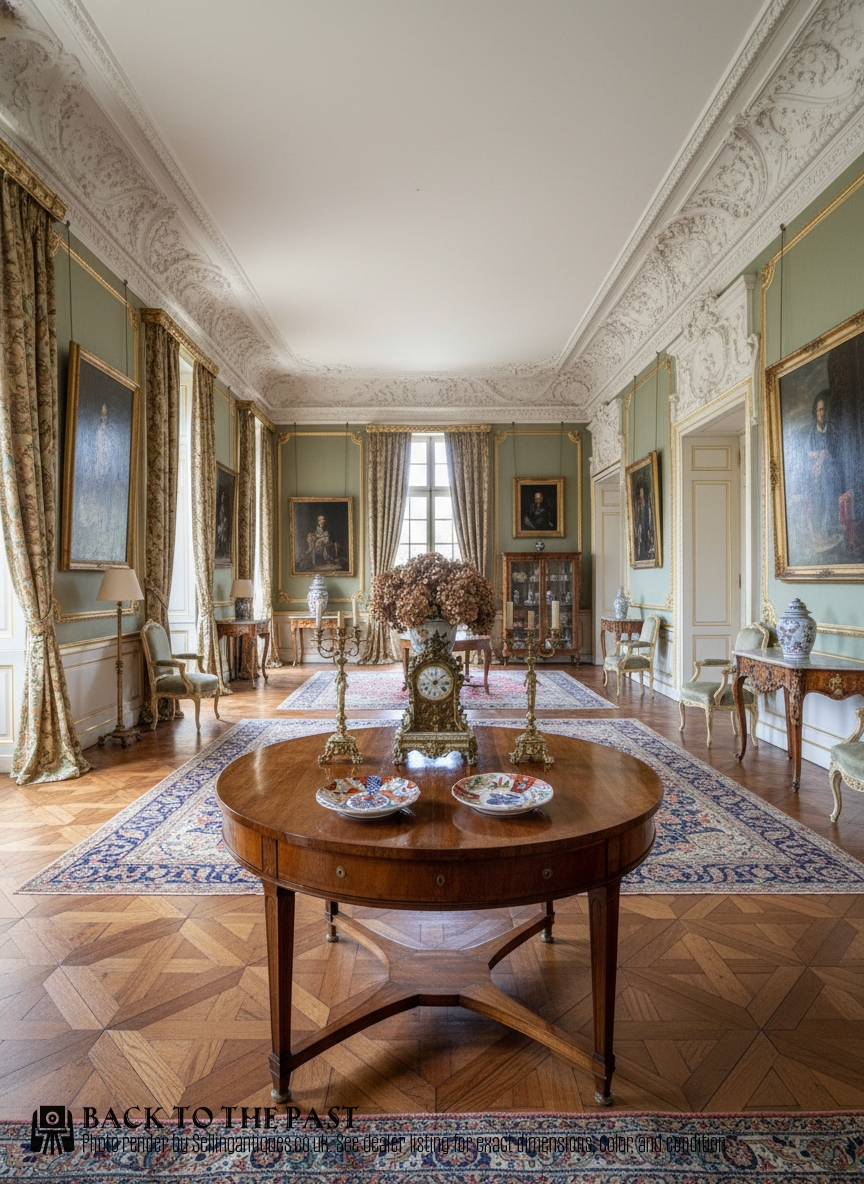
Imari dishes suit traditional and eclectic interiors alike, functioning well mounted on walls as chargers or displayed upright in plate stands on shelving units.
Their robust porcelain construction allows them to integrate easily into daily living spaces when placed securely away from high-traffic edges.