
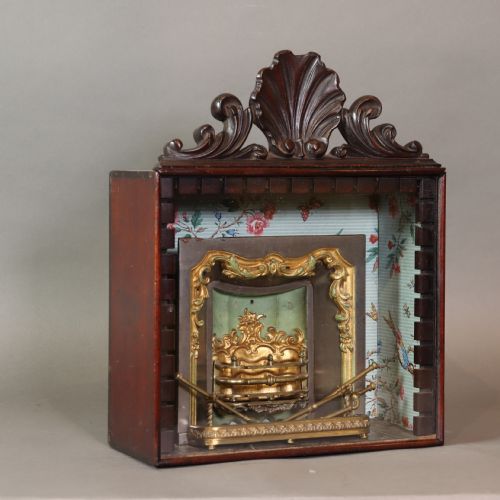


Iron Fireplace Grate
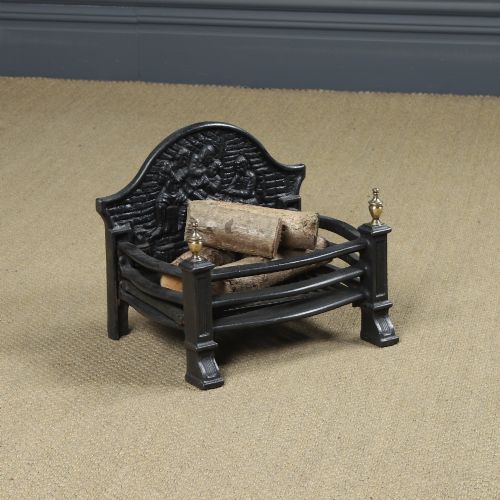
An iron fireplace grate provides a sturdy and functional hearth centrepiece, originating in periods from the Georgian era through to the 1930s.
Iron Fireplace Grate
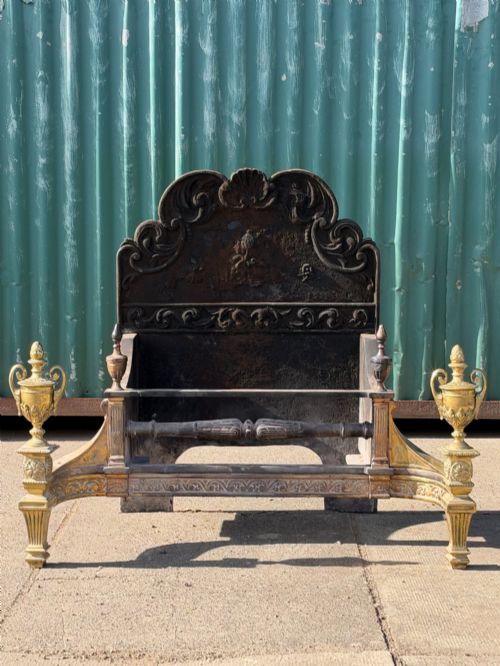
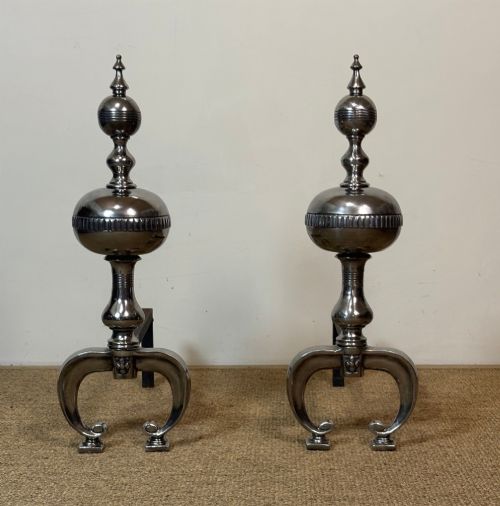
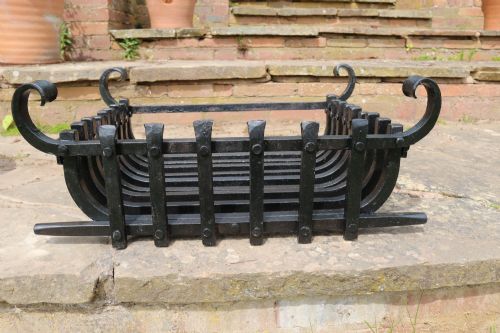
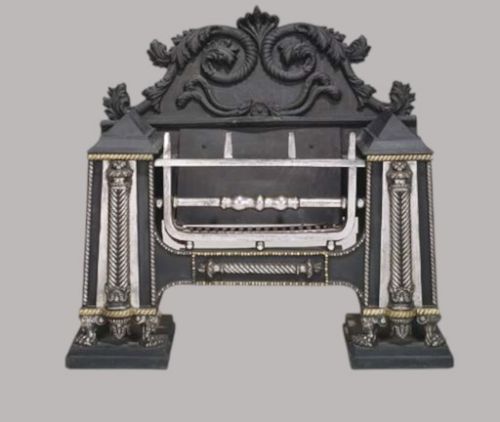
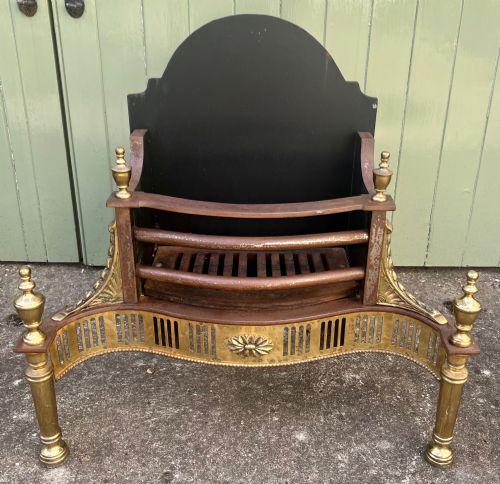
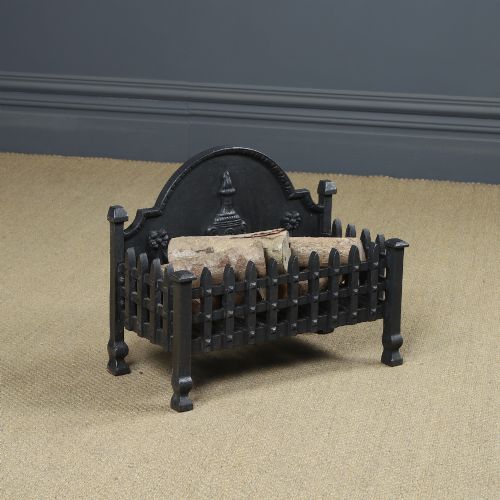
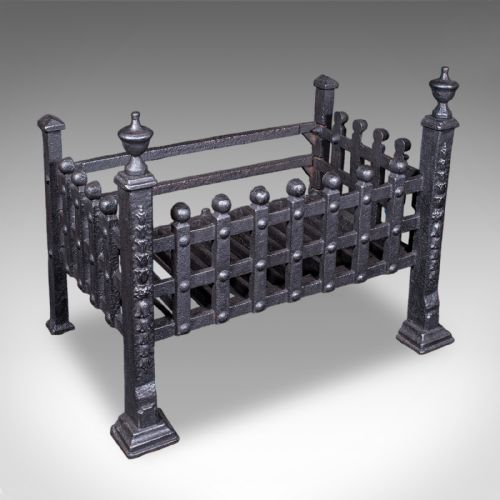
An iron fireplace grate serves as the structural basket or support for burning solid fuel inside a hearth. Buyers browsing this selection encounter various forms, including freestanding fire baskets, hob grates, register grates, and complete inglenook sets paired with andirons.
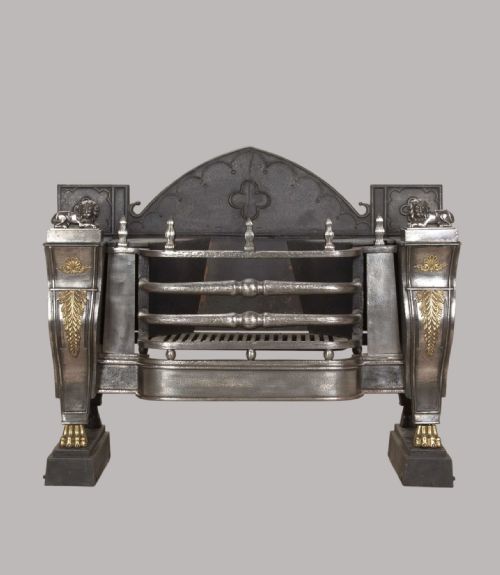
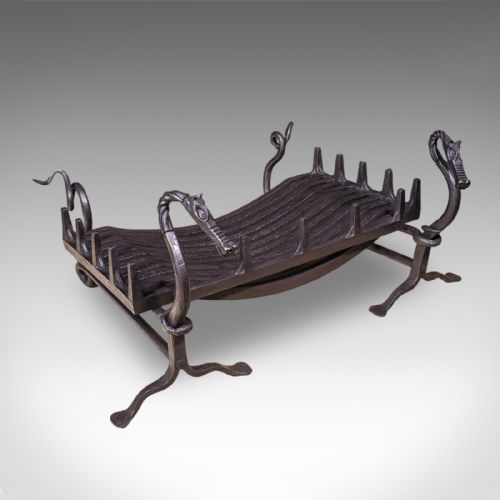
The material tradition spans from the robust utility of Victorian and Georgian cast iron to hand-forged wrought iron pieces influenced by the Arts and Crafts movement. Many examples incorporate brass detailing, steel components, or firebrick backs to manage intense heat.
Originating largely from British domestic architecture, these items reflect historical shifts in interior heating from open hearths to controlled coal and wood burning grates. Neo-Gothic, Regency, Adam, and Neoclassical revival styles appear frequently across the inventory.
Materials and construction
Foundry casting allows for intricate decorative motifs, structural side plates, and heavy grates capable of withstanding extreme thermal cycles. Molten iron is poured into sand moulds, creating rigid components that hold classical or Gothic revival patterns with sharp definition.
Wrought iron elements are manually heated and hammered by blacksmiths, resulting in the organic scrolls and textured bars typical of Arts and Crafts and medieval-style fire baskets. Artisans combine these forged members with riveted joints and braces.
Brass mountings, finials, and fire dogs provide a contrasting metallic sheen against the dark iron surfaces, often secured through threaded fasteners or traditional pegging methods.
Salesmen once carried miniature brass and iron fire places from house to house as portable samples.
Assessing construction and design
Thick-gauge iron castings and heavy-section wrought bars distinguish superior grates from lighter utilitarian iterations, ensuring structural longevity under daily heat exposure. Metal density and weight dictate how well a basket retains and radiates warmth.
The refinement of surface detail and period ornamentation - such as crisply rendered classical urns, relief panels, or hand-forged scrollwork - separates standard production items from masterwork pieces. Proportion and scale relative to standard hearth openings also govern desirability.
The Iron Fireplace Grate Glossary
- Hob grate
- A fireplace grate featuring flat iron shelves on either side of the fuel basket, traditionally used for keeping kettles warm. This design became popular during the Georgian and Regency periods.
- Register grate
- A framed fireplace insert equipped with a flap or damper plate to control the draught escaping up the chimney. These units are set directly into the masonry opening.
- Andirons
- Supporting metal fire dogs placed on either side of the hearth to hold logs or support a fire basket. They often feature decorative cast or brass terminals.
- Fire back
- A heavy cast iron plate placed against the rear wall of a fireplace to protect the masonry and reflect heat back into the room. They frequently display heraldic or historical relief scenes.
- Inglenook
- A large, recessed fireplace space designed to accommodate a generous fire basket and seating areas within the chimney breast itself.
Iron Fireplace Grate: Frequently Asked Questions
How do I choose the right size grate?
Measure the internal width, depth, and height of your fireplace opening carefully before selecting a basket. Ensure adequate clearance around the sides and back for proper airflow and heat management.
Take note of whether the piece is freestanding or designed to fit into a register frame. Matching the proportions to your chimney opening maintains both safety and visual balance.
Can these grates burn real wood and coal?
Most historical iron grates are constructed to handle solid fuel, though some decorative or delicate baskets suit gas log sets or display purposes better. Assess the thickness of the iron base bars to determine their suitability for heavy coal fires.
Check for internal firebricks or hearth plates that protect the outer metal structure from direct, prolonged flame contact. Proper maintenance preserves the integrity of older ironwork.
How do I clean and maintain cast iron?
Remove ash and soot regularly using a soft brush to prevent moisture absorption and subsequent surface corrosion. Apply a suitable grate polish or black lead compound periodically to maintain the dark protective finish.
Avoid using harsh chemical solvents or water directly on untreated iron surfaces. Gentle maintenance keeps the metal sealed against atmospheric humidity.
What is the difference between a basket and a register grate?
A fire basket is an open, freestanding unit often raised on legs or paired with andirons within a larger hearth. It allows maximum radiant heat from all sides.
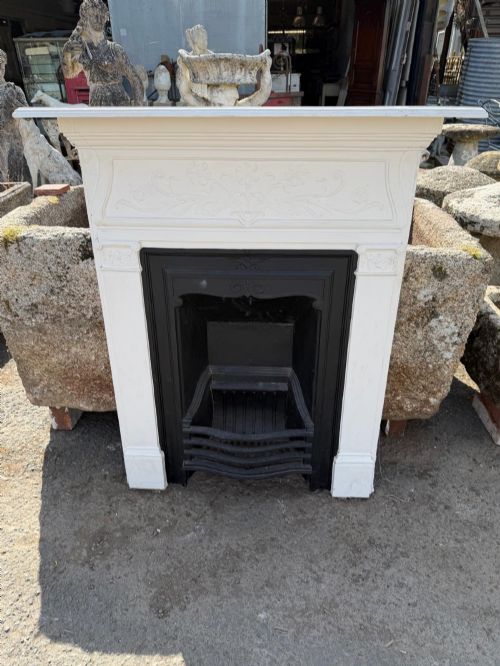
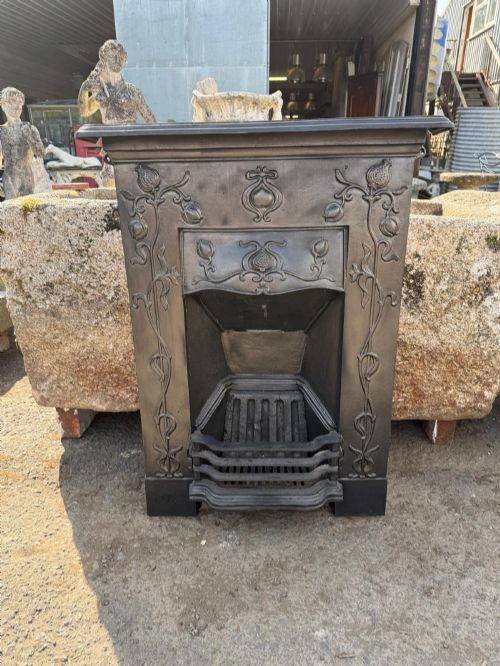
A register grate forms a complete structural assembly built into the wall opening, featuring an integrated frame and a mechanical damper to regulate smoke extraction.