
Iron Bound Storage Chest
An iron bound storage chest is a heavy-duty container built for travel or security, combining timber with robust metalwork to survive heavy use.

Iron Bound Storage Chest
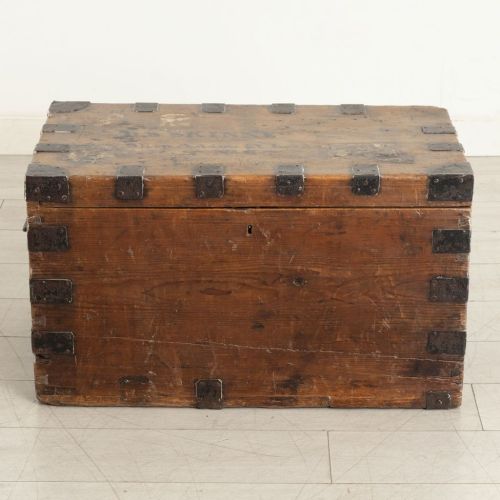
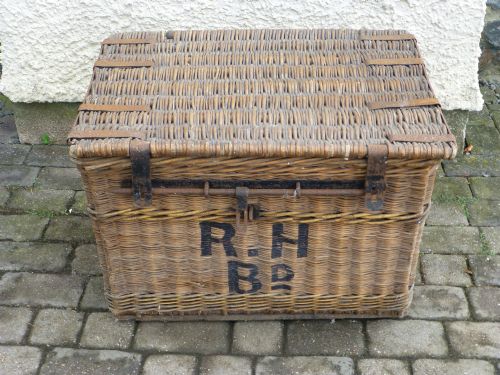
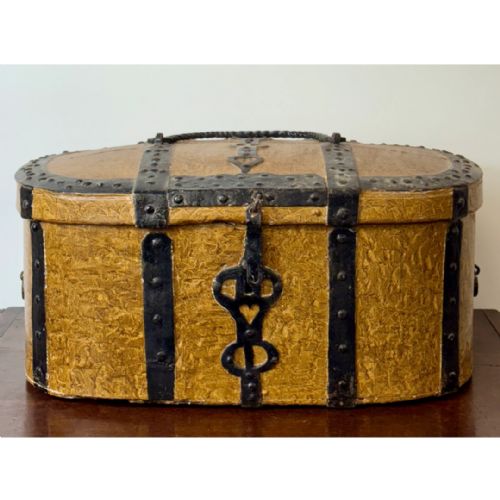
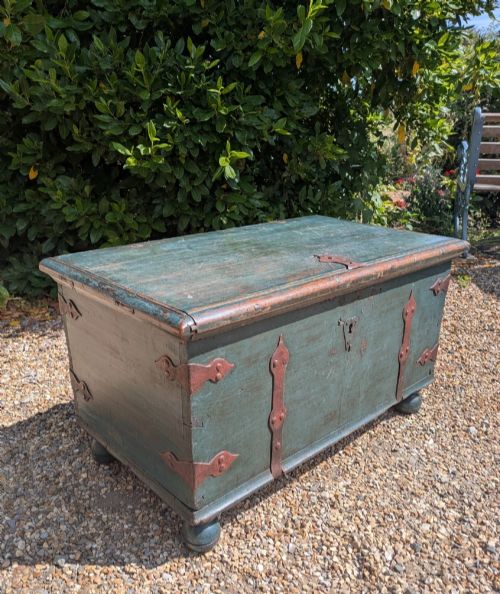
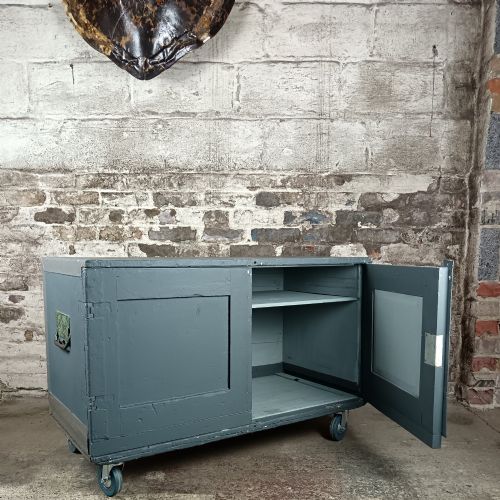
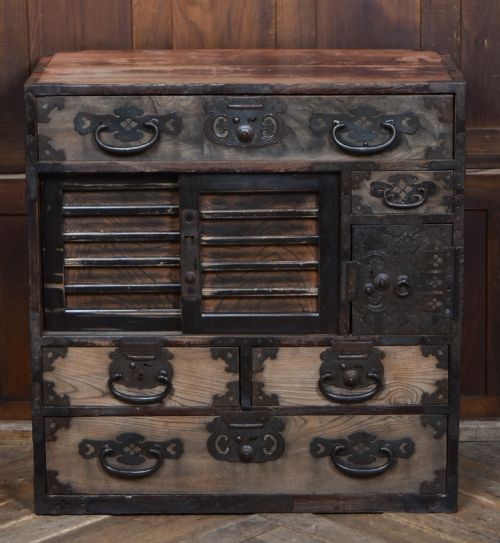
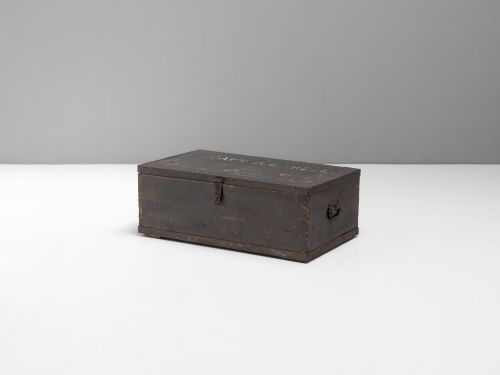
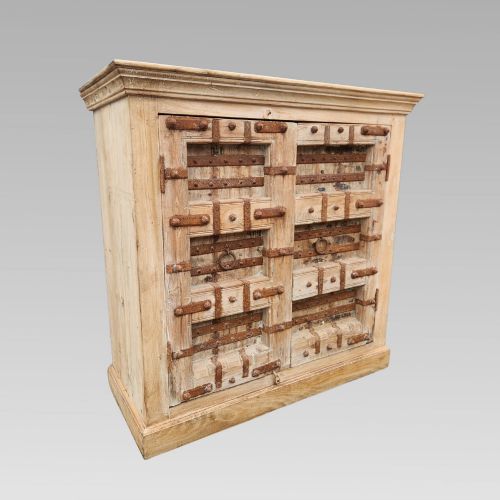
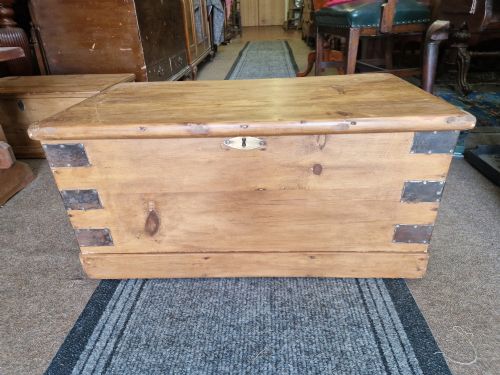
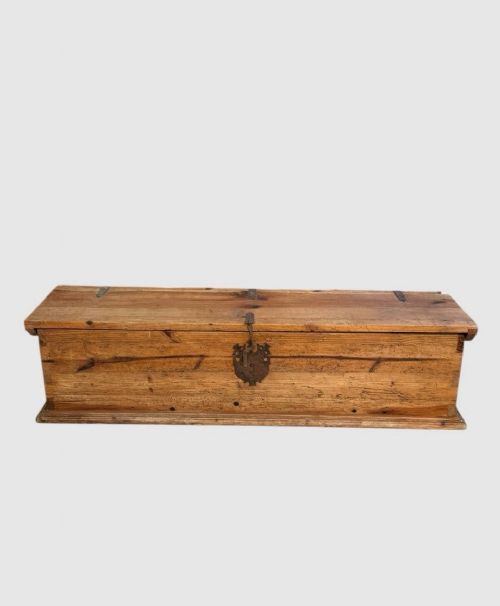
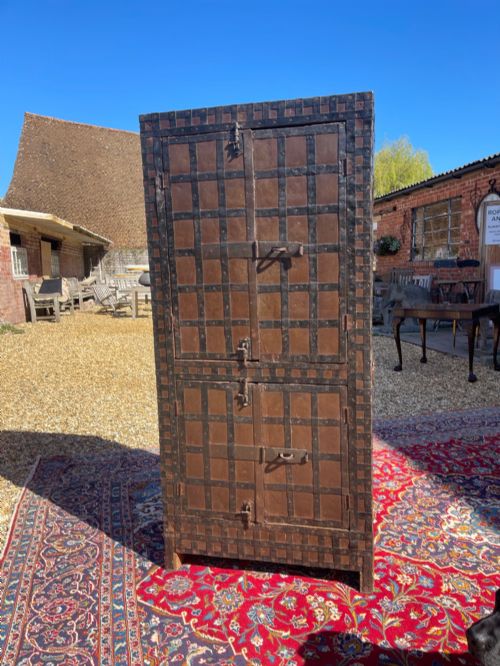
When you search for an iron bound storage chest, you encounter sturdy timber boxes fashioned for utility, travel, and household storage. The selection spans utilitarian pine blanket boxes and campaign trunks alongside decorative painted Swedish marriage chests and dowry pieces.
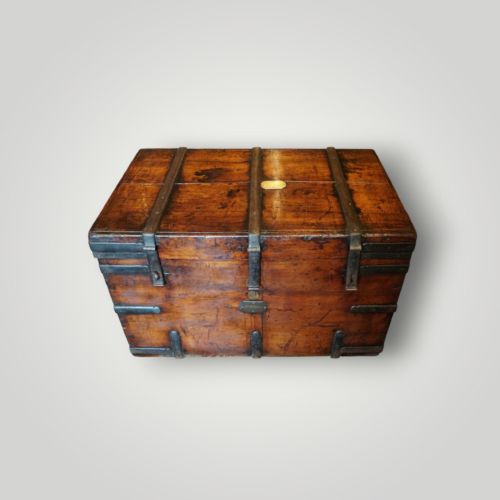
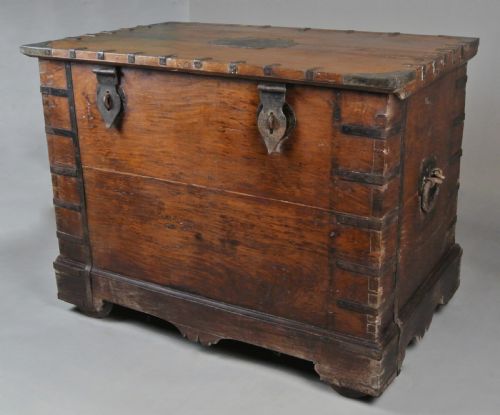
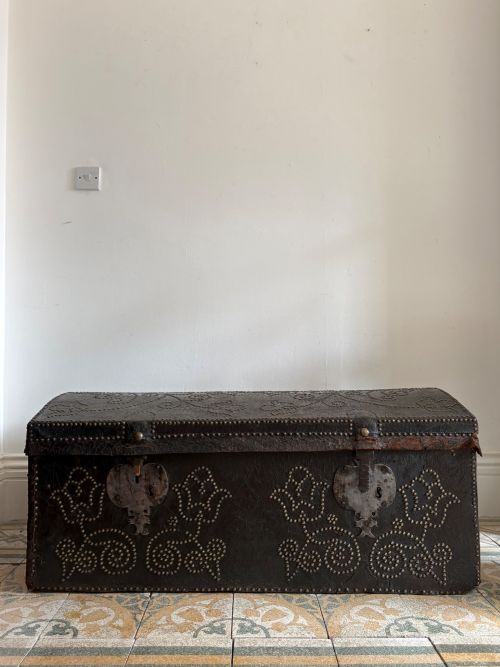
Most examples originate from the eighteenth and nineteenth centuries, taking the shape of dome-top trunks, silver chests, and strongboxes. Woods such as pine, oak, teak, and mahogany form the carcass, while iron strapping provides structural integrity.
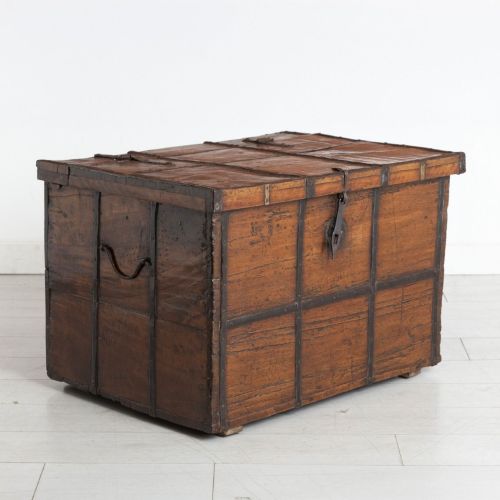
Origin points range from British military service and domestic households to Scandinavian folk art traditions and Indian workshops. These pieces served to transport valuables, silver, swords, and personal clothing across land and sea.
Materials and Construction
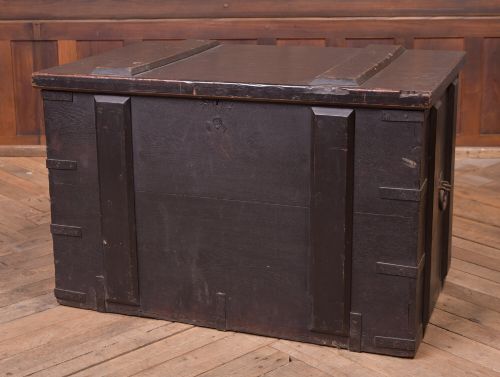
Carpenters constructed these boxes using solid timbers like pine, oak, and teak, frequently joining the corners with dovetails or robust framing. Hand-forged iron strapwork, bands, and braces were then fastened across the wood using heavy nails or rivets.
Additional reinforcement often came from brass hardware, leather coverings, and iron carrying handles fitted to the sides for transport. Some surfaces received coats of paint, particularly in Scandinavian folk art and decorative marriage chests.
Periods represented span from the seventeenth century through the Victorian era and into the early twentieth century.
Evaluating Quality
The standard of an iron bound storage chest rests upon the integrity of its timber carcass and the heft of its metal fittings. Heavy hand-forged iron strapwork and original locking mechanisms indicate superior workshop output compared to later replacement hardware.
Preservation of original painted surfaces, authentic military provenance, and untouched interior linings elevate specific examples. Finer pieces demonstrate precise joinery and well-fitted lids that maintain structural alignment over centuries.
The Iron Bound Storage Chest Glossary
- Strapwork
- Flat metal bands or strips fastened across the exterior of a chest to reinforce the wooden joints.
- Campaign chest
- Modular furniture or trunks designed for easy dismantling and transport by military officers on active service.
- Strongbox
- A heavily secured container, often bound in iron, used for keeping money, documents, or valuables safe.
- Dowry chest
- A traditional trunk created to hold household linens and goods accumulated for a marriage.
- Dome top
- A rounded lid profile designed to shed water during travel and provide extra interior headroom.
Iron Bound Storage Chest: Frequently Asked Questions
What were iron bound storage chests used for?
These chests served primarily for transporting and securing personal belongings, military uniforms, silver, and valuable documents during travel. Households also used them domestically for storing blankets, household linens, and winter clothing.
Their heavy construction protected contents from moisture, pests, and theft whether on a sailing ship, a military campaign, or in a domestic hallway.
How do I date an antique storage chest?
Dating relies on examining the timber species, construction techniques, and hardware style. Eighteenth-century examples often feature hand-sawn boards and hand-forged ironwork, while Victorian pieces show machine-cut elements and standardised screws.
Historical provenance, labels from makers or retailers, and stylistic markers like Georgian proportions or Scandinavian folk painting also help narrow the period.
Are these chests suitable for modern coffee tables?
Many people utilise large flat-topped chests as coffee tables in living spaces, taking advantage of their sturdy construction and internal storage. Their height and flat surfaces accommodate books and trays while keeping clutter hidden inside.
When using a chest this way, ensure the lid remains stable and protect the antique timber surface with appropriate care.
How do I clean an antique painted chest?
Painted surfaces require gentle dusting with a soft, dry cloth to remove surface particles without disturbing the original finish. Avoid using water, modern detergents, or chemical solvents that can strip or soften historic paint.
If the paintwork feels dry or fragile, consult a professional conservator regarding appropriate waxes or preservation treatments.