



Metal Bound Blanket Box
A metal bound blanket box offers rugged utility and historic character, grounding a room with substantial timber and reinforced iron or brass.
Metal Bound Blanket Box
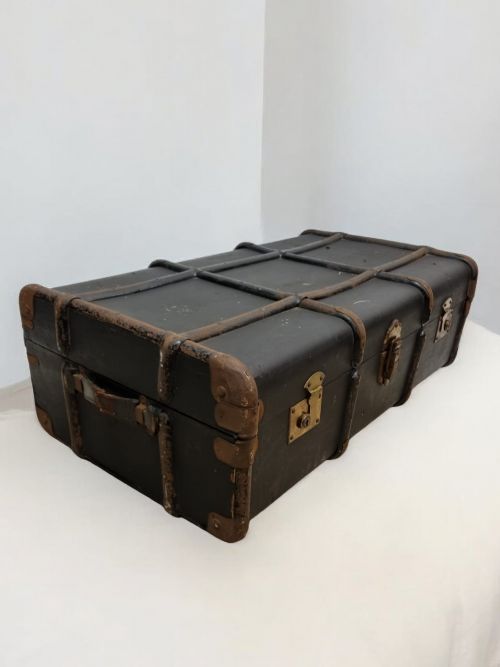
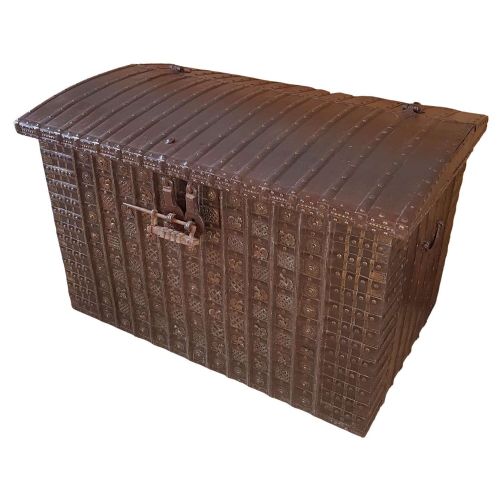
A metal bound blanket box encompasses robust storage chests, coffers, and travel trunks strengthened with iron, steel, brass, or zinc bands. Buyers encounter pieces spanning from the 16th century through the Victorian era and into early 20th century utility designs, originating from British workshops, European sources, and regions such as Rajasthan.
The materials reflect practical demands for security and transport, combining sturdy woods like oak, pine, and hardwood with protective metal straps, studs, and original hardware. Forms range from dome-topped coffers and dowry chests to campaign military luggage and fitted silver chests designed for heavy travel or country house storage.
Quality and Construction Differences
The calibre of a metal bound blanket box rests upon the integrity of its timber frame and the substantial nature of its original hardware. Heavy oak or early hardwood bodies paired with hand-wrought iron bands demonstrate superior structural commitment compared to lighter utility replacements.
Original locks, working keys, and untouched interior fittings such as zinc linings or compartments elevate the integrity of a piece. The harmony between the blacksmith's metalwork and the joiner's carpentry distinguishes utilitarian storage from finer campaign and silver chests.
Listings feature woods spanning sturdy oak, pine, and exotic hardwoods paired with iron, brass, steel, and zinc.
Samuel Pratt·Seabrook of St.Pauls London
The Metal Bound Blanket Box Glossary
- Coffer
- A heavy wooden chest traditionally used for storing valuables, often reinforced with iron straps. These early forms precede standard domestic wardrobe storage.
- Silver Chest
- A fitted wooden box reinforced with metal bands designed specifically to transport and store family silver. They frequently feature internal baize-lined trays and robust carrying handles.
- Campaign Trunk
- Portable furniture and luggage built for military officers on the move. They typically incorporate durable exterior bindings and reinforced corners to withstand arduous journeys.
- Damchiya
- A traditional Indian dowry chest characterised by low proportions and intricate iron banding. These pieces served both storage and ceremonial functions within households.
- Armada Chest
- A type of heavy iron-bound strongbox produced in Flanders and Germany during the sixteenth and seventeenth centuries. They feature complex internal locking mechanisms operated by a single lever.
Metal Bound Blanket Box: Frequently Asked Questions
What is a metal bound blanket box used for today?
These boxes provide practical storage for heavy textiles, bed linen, and household items while serving as coffee tables or statement furniture. Their robust construction allows them to withstand daily domestic use.
Placing one at the foot of a bed or within a hallway introduces both historic texture and concealed capacity to a modern interior.
How do I date an old storage chest?
Dating relies on observing construction methods, timber species, and the style of the metal reinforcements. Hand-wrought iron bands and pegged joints point toward earlier centuries, while machine-rolled steel and zinc linings indicate Victorian or later manufacture.
Examining locks, hinges, and any surviving maker signatures helps narrow the period of origin.
Were these trunks meant for travel?
Many examples were specifically engineered for transit, functioning as steamer trunks, campaign luggage, or silver chests for country house relocations. Heavy iron straps and side handles were added to endure rough handling by transport workers.
Other forms, such as dowry chests and traditional coffers, remained static within homes to safeguard valuable textiles and family possessions.
How do I care for antique wood and iron?
Maintaining these pieces involves applying microcrystalline wax to nourish dry timber and protect exposed metal from atmospheric moisture. Keeping them away from direct heat sources prevents the wood from shrinking and splitting.
Gentle dusting preserves original painted surfaces, leather coverings, and patinated iron hardware without removing historic character.