

Victorian Wooden Coffer
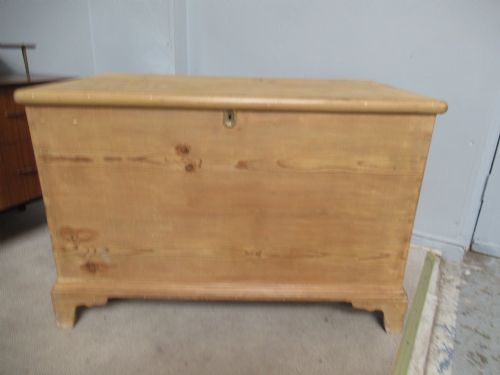
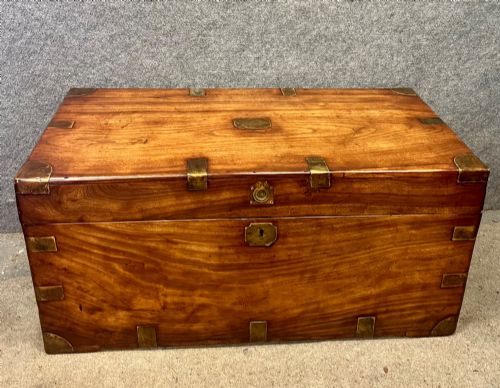
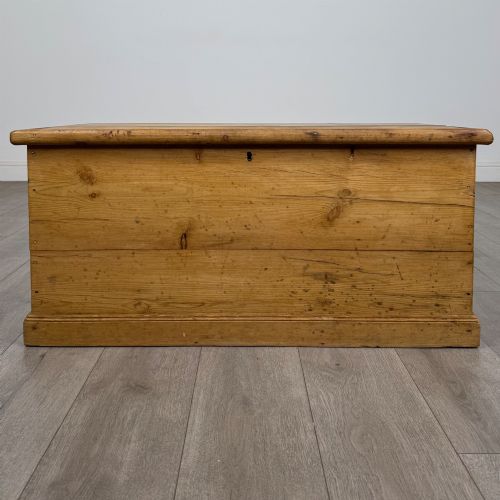
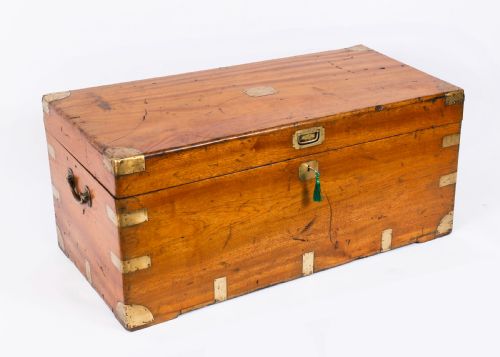
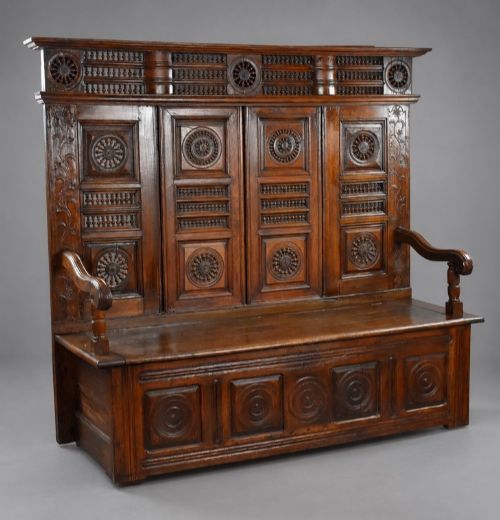
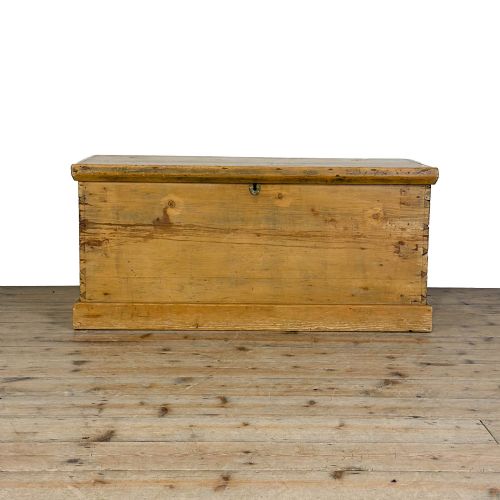
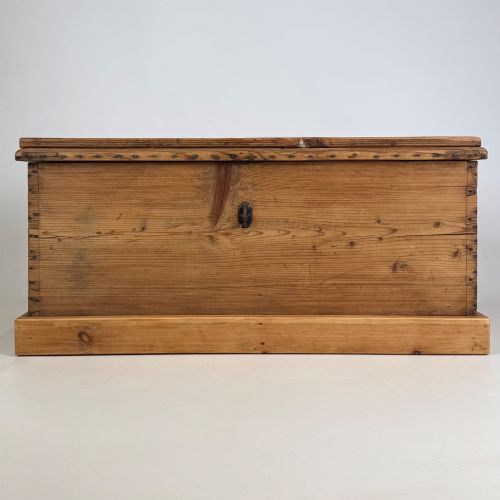
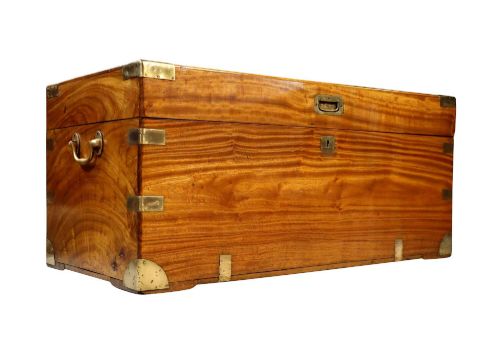
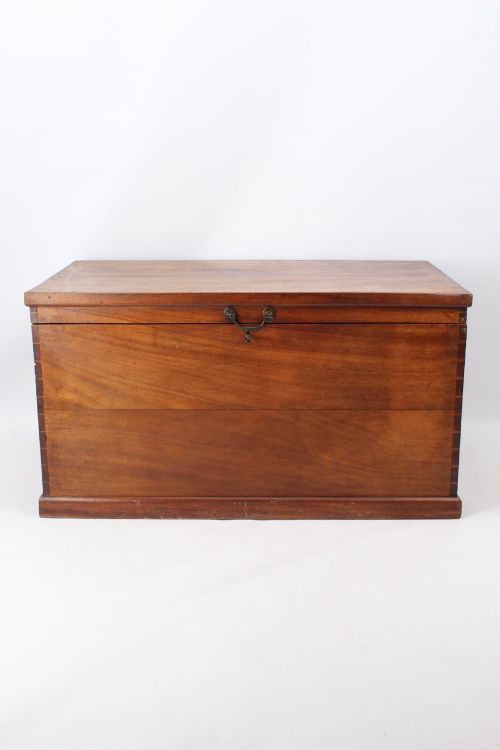
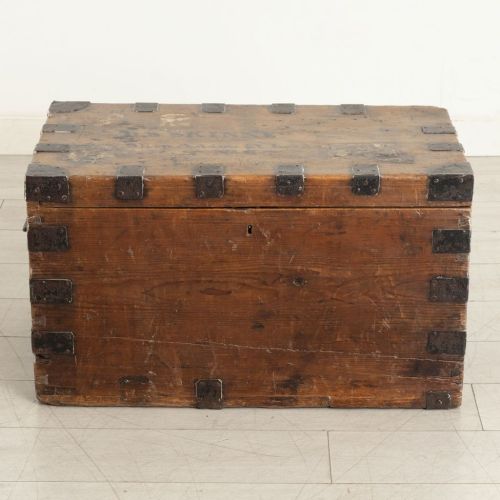
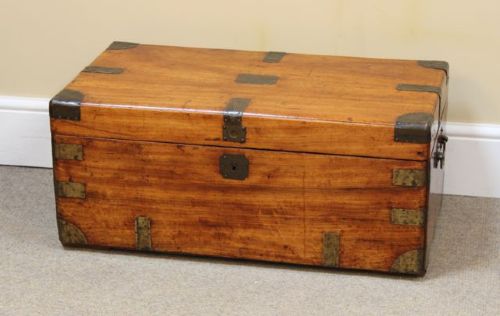
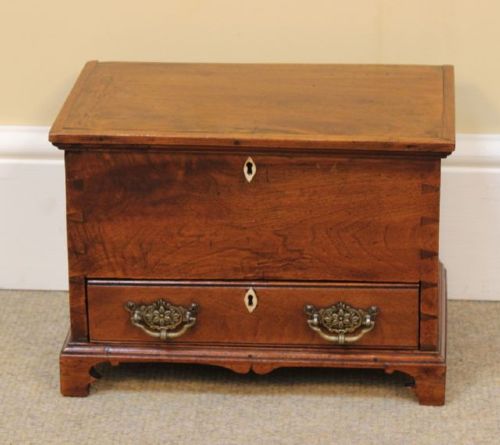
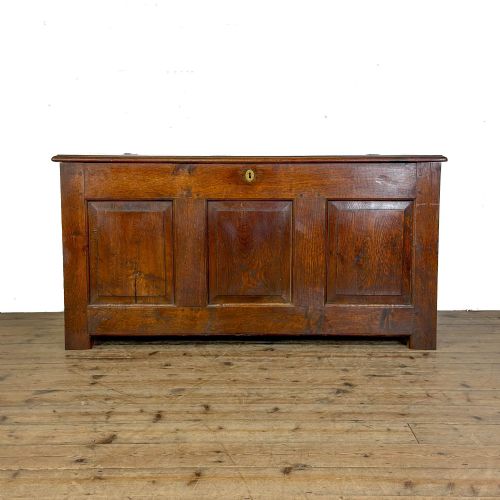
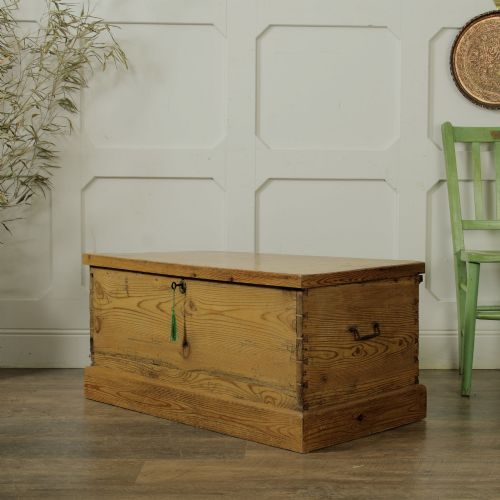
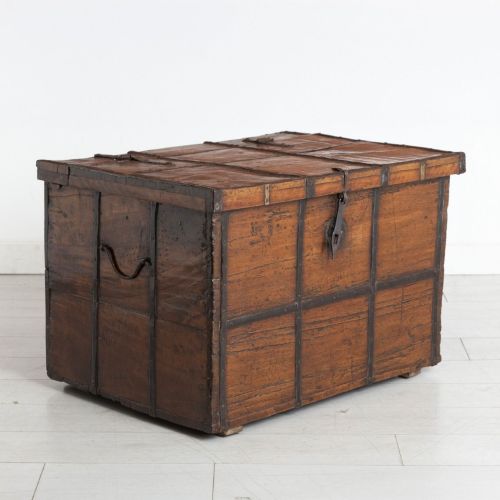
These Victorian wooden coffer pieces are robust blanket boxes, trunks, and chests built for storage and travel.
What they are
A victorian wooden coffer is a practical storage chest designed for household utility or travel during the nineteenth century. The examples on this page comprise blanket boxes, trunks, and smaller deed boxes.
Most pieces date to the Victorian era or around eighteen ninety, spanning the nineteenth century. Buyers frequently encounter pine and mahogany construction, often paired with iron or brass hardware.
Forms range from simple pine blanket chests to painted travelling trunks and metal-bound boxes with fitted interiors. Each piece reflects the domestic and travel storage needs of the period.
How they were made
Cabinet makers and joiners utilised solid timber such as pine, oak, and mahogany to construct these storage chests. Surfaces were frequently painted, while some retained a plain wood finish.
Durability was essential, so makers reinforced corners and lids with iron or brass bands and hinges. Interiors sometimes featured paper linings, contrasting with red or natural wood finishes.
Retail Price Guide 2026
Typical UK retail prices for victorian wooden coffer, calculated from the Sellingantiques database of over a million retail prices indexed since 2003. This retail price guide relies exclusively on Sellingantiques data; no external sources or auction records are used, so the figures do not describe the wider market.
The selection spans blanket boxes, deed boxes, storage chests, and travelling trunks from the nineteenth century.
What varies in quality
Quality rests in the selection of timber and the robustness of the metalwork applied to the chest. Solid mahogany chests demonstrate finer cabinet work, whereas painted pine trunks focus on utilitarian strength.
The degree of original decorative detail, such as painted finishes and contrasting interior linings, separates standard storage pieces from more considered nineteenth century examples.
The Victorian Wooden Coffer Glossary
- Cofer
- An early term for a strong box or chest used for storing valuables and garments.
- Deed box
- A small, secure container traditionally utilised for keeping legal documents and important papers.
- Travelling trunk
- A sturdy chest built to withstand the rigours of nineteenth century journeys, often fitted with metal straps.
- Blanket box
- A large chest designed primarily for storing linens, blankets, and household textiles at the foot of a bed.
- Pine
- A softwood commonly employed for utilitarian nineteenth century furniture and painted storage trunks.
Frequently Asked Questions
What were victorian wooden coffer chests used for?
These pieces served multiple domestic and travel functions across the nineteenth century. Households relied on them for storing heavy woollen blankets, linens, and personal apparel.
Smaller iterations, such as deed boxes, kept important documents secure. Travelling trunks were specifically constructed to accompany owners on journeys by rail or carriage.
How do I date a victorian wooden coffer?
Dating relies on examining the timber, construction methods, and hardware fastened to the chest. Pieces from this era typically display nineteenth century joinery and materials like pine or mahogany.
Specific clues appear in the iron or brass hinges, locks, and any painted decoration applied to the exterior surface.
Are painted trunks authentic to the period?
Many nineteenth century trunks received painted finishes to protect the softwood beneath and to provide a decorative appearance. These painted surfaces often show age-related wear appropriate for travel items.
Interiors sometimes retain contrasting paper or painted linings, such as red finishes, which remain characteristic of nineteenth century trunk production.
How should I clean a painted trunk?
Maintenance requires gentle dusting with a dry cloth to preserve fragile painted surfaces and historic paper linings. Avoid harsh chemical cleaners that could strip the original nineteenth century finish.
Keep the chest in a stable environment away from excessive moisture and direct sunlight to protect the wood and iron fittings.