





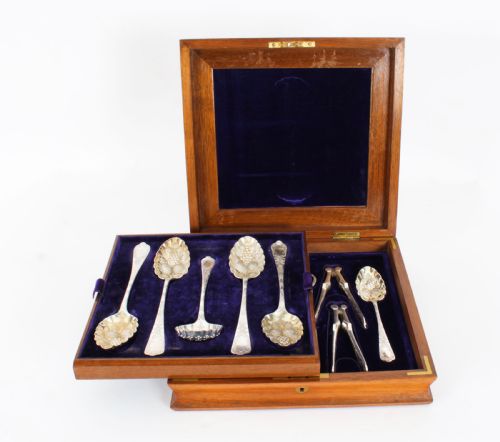


Nineteenth Century Silver Box
These nineteenth century silver box pieces range from snuff mulls to tea caddies, offering tangible links to the craftsmanship of the past.
Nineteenth Century Silver Box
When you search for a nineteenth century silver box, you encounter a diverse collection of small containers designed for personal use, travel, or domestic display. The listings span snuff boxes, tea caddies, card cases, vinaigrettes, and larger storage chests from the Victorian and Edwardian eras.
Most items you meet on this page date from the nineteenth century, including specific years like 1850, 1860, 1880, and 1890. Alongside solid silver and silver plate, forms often incorporate horn, mother of pearl, tortoise-shell, wood, and velvet.
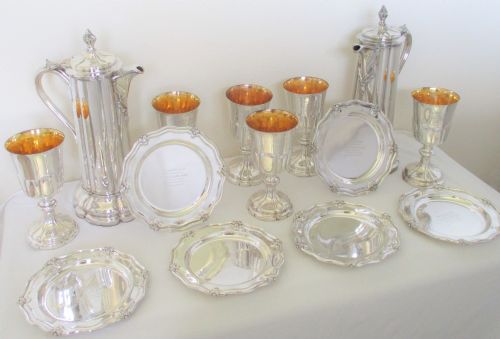
Styles range widely across the period, taking in Dutch Rococo Revival, early Victorian, Anglo-Indian, French Second Empire, and Imperial Russian designs. You will find objects intended for specific functions, such as nutmeg graters, communion sets, and dressing cases.
How they were made
Makers utilised solid silver and silver plate combined with organic materials like horn, tortoiseshell, and mother of pearl. Wooden carcases in oak and rosewood frequently form the structural basis for larger boxes and dressing cases.
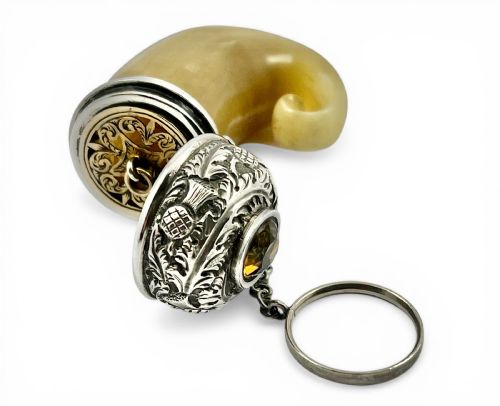
Techniques involve metal mounting, intricate inlay work, and surface gilding, known as vermeil. Items like snuff mulls and vinaigrettes display detailed metalwork paired with natural horn and inset stones such as citrine.
Periods represented span the nineteenth century, encompassing Victorian, Edwardian, and specific dates like 1850, 1860, 1880, and 1890.
What varies in quality
The standard of execution separates basic containers from exceptional examples of nineteenth century silver box manufacturing. Finer pieces demonstrate precision in metal chasing, tight joinery of organic inlays like mother of pearl, and well-preserved interior linings of velvet.
Material selection also defines the tier of an object, with solid silver or silver-gilt construction outranking simpler plated alternatives. The presence of identifiable maker marks and decorative regional styles, such as Dutch Rococo Revival or Russian shaded enamel, elevates the status of the piece.
Hukin & Heath·Frederic Boucheron·Fenton Brothers·Khlebnikov
The Nineteenth Century Silver Box Glossary
- Vinaigrette
- A small ornamental box with a perforated inner grille used for holding a sponge soaked in aromatic vinegar. These portable items were popular personal accessories in the nineteenth century.
- Snuff mull
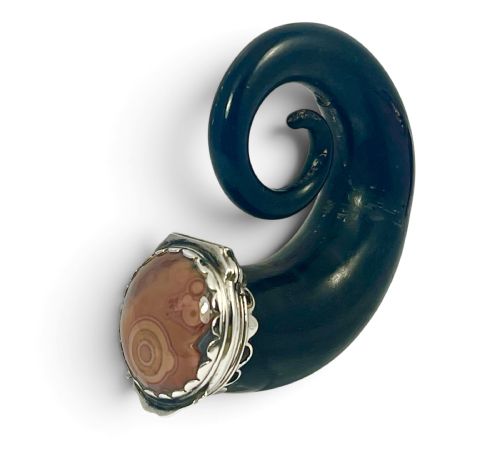
- A container made from animal horn used for holding dry powdered tobacco. Scottish examples often feature silver mounts and hinged lids.
- Tea caddy
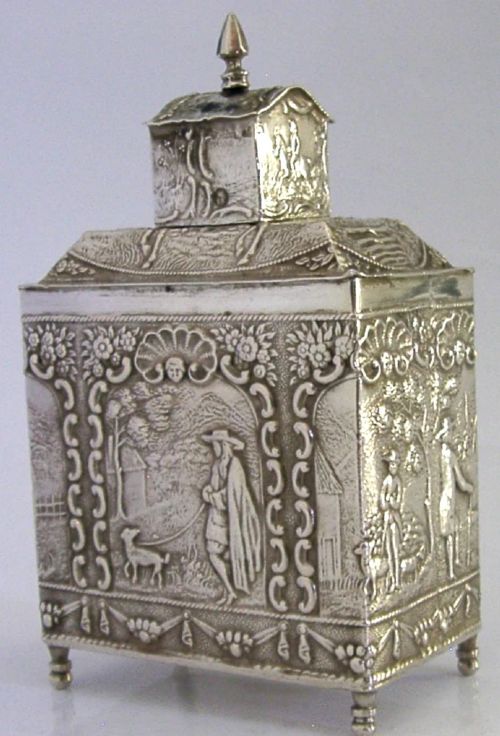
- A box designed to store loose tea leaves securely, often featuring internal compartments or lockable lids. They reflect the high value placed on tea during the period.
- Vermeil
- Sterling silver plated with a thin layer of gold. This technique provides the rich appearance of solid gold while utilising a silver base.
- Old Sheffield Plated
- A fused composite material made by applying a sheet of silver to a copper base. This predates modern electroplating methods.
Nineteenth Century Silver Box: Frequently Asked Questions
What was a nineteenth century silver box used for?
These boxes served various domestic and personal functions, from storing tea and snuff to carrying visiting cards or serving during communion.
Smaller items like vinaigrettes and nutmeg graters met specific social needs, while larger chests accommodated cutlery or dressing accessories.
How do I identify the period of a box?
Dating relies on stylistic clues, materials, and any accompanying hallmarks or inscriptions stamped on the metal components.
Objects span the nineteenth century, showing transitions from early Victorian styles to later Edwardian and revivalist designs.
How should I care for a silver box?
Maintenance depends on the materials present, requiring gentle cleaning for delicate elements like mother of pearl or velvet.
Silver components benefit from occasional polishing with appropriate cloths to manage tarnishing without damaging inlays or mounts.