
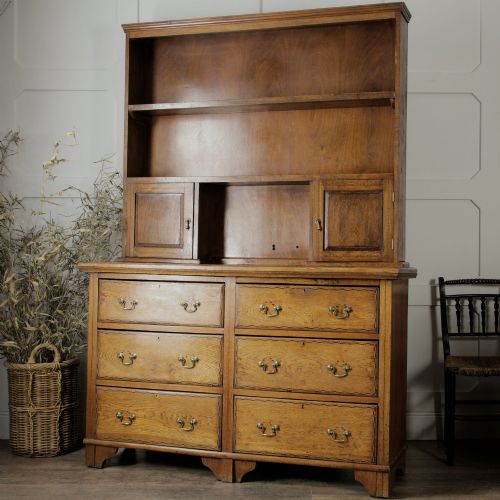


Oak Plate Chest
These oak plate chest pieces are heavy timber repositories built to safeguard precious tableware, offering both robust security and enduring domestic character.
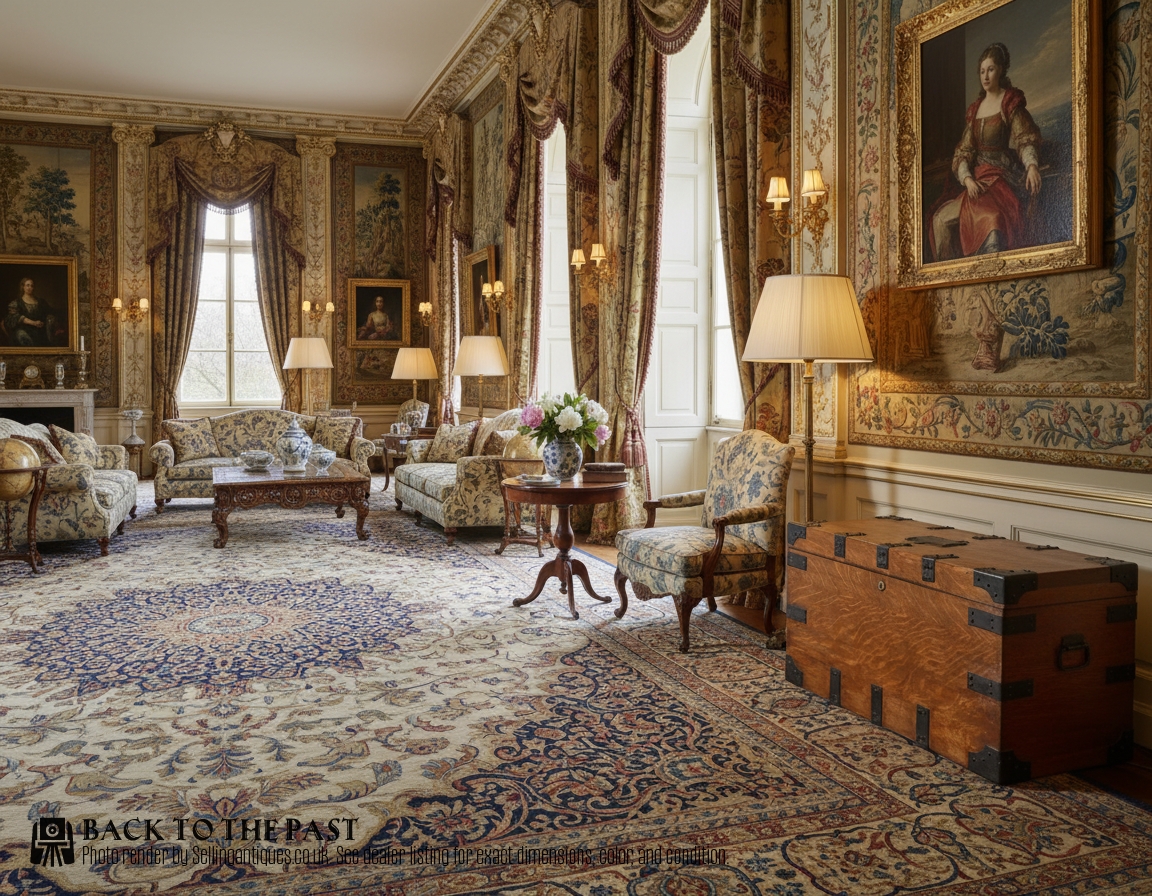
Oak Plate Chest
An oak plate chest is a substantial timber storage piece designed to hold silver, cutlery, and dining ware securely. When you browse this selection, you encounter forms ranging from Georgian storage trunks to Victorian travel chests and early twentieth century canteens.
The pieces on this page span the eighteenth, nineteenth, and early twentieth centuries, encompassing Georgian, Victorian, Edwardian, and Art Deco eras. You meet sturdy country house boxes alongside brass-trimmed trunks and fitted cutlery canteens.
Makers and owners utilised these durable chests in large domestic settings to protect heavy service items from damp and theft. Today, they function primarily as statement storage furniture in traditional and eclectic interiors.
Construction and materials
Makers built these pieces primarily from solid oak, often selecting timber with rich grain patterns and honey tones. Metal reinforcements in iron and brass provide structural integrity and secure corners against the rigours of travel and heavy use.
Interiors frequently feature textile linings such as velvet, baize, or fabric to cushion delicate silver plate and cutlery sets. Brass name plates and heavy drop handles complete the construction, combining utility with functional hardware.
Many a Victorian silver chest still carries the faint, comforting scent of old baize and decades of silver polish locked inside.
Assessing quality and craftsmanship
Quality in an oak plate chest rests upon the weight of the timber and the integrity of the joinery, distinguishing heavy dovetailed construction from simpler box builds. The robustness of the iron or brass binding and the retention of original locking mechanisms further elevate a piece.
The refinement of internal fittings, such as specialised baize or velvet-lined trays for cutlery, separates utilitarian boxes from high-status service chests. Original exterior details like inscribed brass name plates add historical depth and distinction.
The Oak Plate Chest Glossary
- Silver chest
- A heavy storage trunk specifically reinforced to transport or house valuable plate and cutlery. These pieces typically feature iron or brass bands for added security.
- Canteen
- A fitted box or chest designed to hold a complete set of cutlery in dedicated slots or layers. They often appear lined with baize or velvet to prevent scratching.
- Campaign chest
- Portable furniture built in sections or reinforced for travel, frequently fitted with recessed brass handles. They were designed to withstand the demands of movement.
- Baize
- A coarse woolen material resembling felt, traditionally used to line the interior trays of chests and canteens. It protects silver and cutlery from friction damage.
Oak Plate Chest: Frequently Asked Questions
What is an oak plate chest?
An oak plate chest is a durable timber box built to store and transport heavy dining silver and cutlery securely. These pieces utilise robust construction to protect valuable service items.
They appear in various forms, from simple country house boxes to heavily bound Victorian travel trunks and fitted Edwardian canteens.
How were these chests used?
Households utilised these chests to safeguard silver plate and cutlery from tarnish, theft, and damage during transport or storage. The lined interiors kept individual pieces separated and secure.
Servants and travellers relied on the heavy iron or brass bindings to withstand frequent handling in large country houses and during journeys.
How do I live with one?
An oak plate chest functions well as a coffee table, blanket box, or statement storage trunk in a living space. The sturdy timber top provides a practical surface while the interior conceals modern clutter.
Placement away from direct heat sources helps preserve the condition of the historic oak and any interior textile linings.
How do I tell periods apart?
Georgian and early pieces often display simpler, heavier timber construction with hand-forged iron work and understated brass plates. Victorian and later examples frequently incorporate more elaborate hardware, fitted trays, and refined internal linings.
Stylistic shifts from Georgian restraint to Victorian embellishment and eventual Art Deco clean lines provide clear visual markers for dating.