




Vintage Metal Bound Trunk
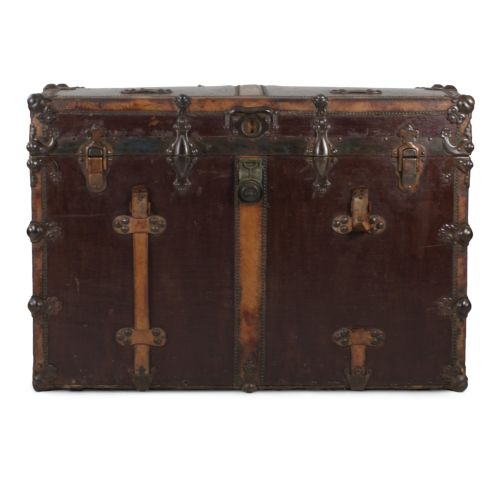
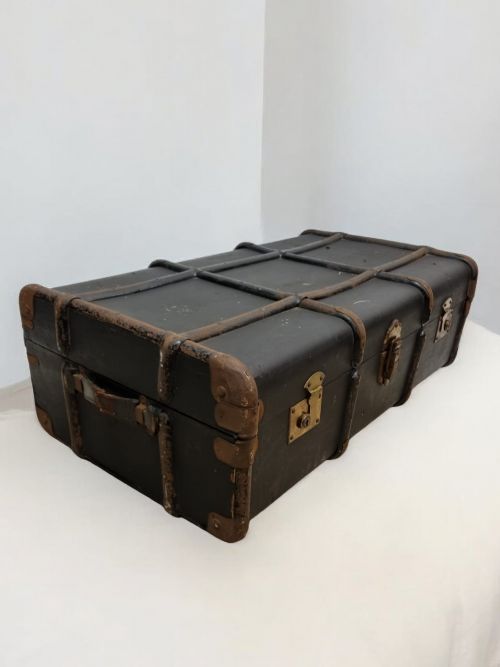
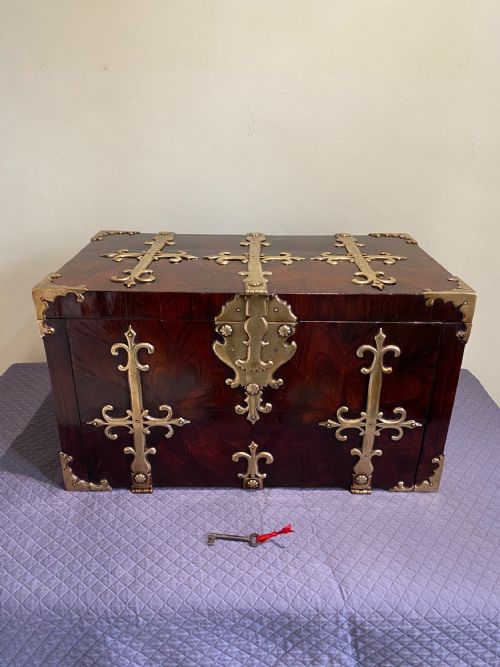
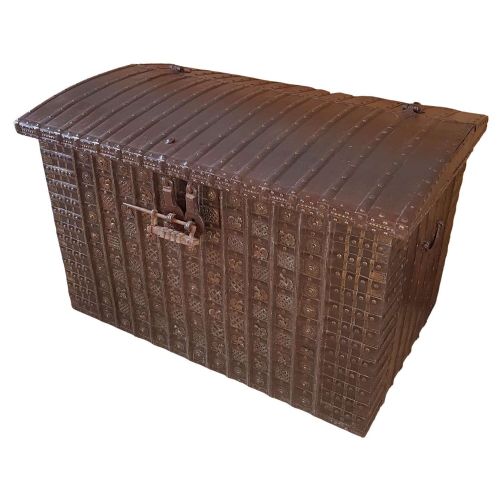
A vintage metal bound trunk offers robust storage built from wood and reinforced with iron, brass, or steel for travel or display.
Vintage Metal Bound Trunk
A vintage metal bound trunk functions primarily as a practical storage piece, often taking the form of a chest, coffer, or travel container. Buyers looking for this phrase encounter various constructions spanning centuries, from heavy wooden boxes to specialised travel luggage.
Most examples rely on sturdy timbers like oak, pine, or teak, combined with substantial corner brackets, straps, and protective bands. These items served different functions historically, from holding household silver to storing apparel during long journeys.
Materials and construction methods
Construction typically combines a wooden carcase of oak, pine, teak, or kingwood with external metal reinforcement. Blacksmiths and makers applied iron, brass, or steel straps, bands, and corner plates to protect the wood from the rigours of transit.
Many examples incorporate leather, canvas, or painted finishes over the timber, secured with studwork or original hardware. Interiors often feature fabric linings, fitted compartments, or zinc linings designed to protect contents from moisture during shipping.
Listings feature items spanning the sixteenth century through the twentieth century, utilising materials including oak, teak, pine, iron, and brass.
Factors determining quality
Quality rests heavily on the integrity of the original hardware, hinges, and locks, particularly when accompanied by working keys or specialist mechanisms. The choice of primary timber, such as dense oak or teak versus softer pine, dictates the durability and weight of the piece.
Superior execution shows in the precision of the metal bands, hand-forged studwork, and any specialised interior fittings like sliding trays or wardrobe sections. Retaining original surfaces, travel labels, or maker details elevates the historical interest of the trunk.
Samuel Pratt·Seaward·Allen of London·Hartman Luggage Co.
The Vintage Metal Bound Trunk Glossary
- Coffer
- A heavy wooden chest, often iron-bound, traditionally used for storing valuables. These early forms precede the more familiar travel luggage of later centuries.
- Steamer trunk
- A lower-profile travel trunk designed to fit beneath a ship cabin berth. They often feature compartments or wardrobe fittings.
- Silver chest
- A robust storage box lined to protect heavy tableware from tarnishing. These are typically constructed from dense English oak with steel bands.
- Damchiya
- An ornate dowry chest originating from India, frequently featuring iron bands and specialist locking mechanisms. They represent regional traditions of storage furniture.
- Campaign case
- Portable furniture and luggage made for military officers on the move. These pieces prioritise sturdy construction and practical travel utility.
Vintage Metal Bound Trunk: Frequently Asked Questions
How do I choose the right size?
Consider the intended placement in your room and the volume of items you plan to store inside. Larger oak silver chests require substantial floor space, whereas smaller dome-top boxes fit easily on side tables.
Measure both the floor area and vertical clearance before selecting a trunk. Compact cabin luggage offers versatile placement options for smaller living spaces.
Were these trunks used for international travel?
Many examples saw heavy use during ocean voyages and railway journeys, serving as durable luggage for travellers. Steamer trunks and campaign cases were specifically engineered to withstand rough handling in transit.
Other variations, such as dowry chests and silver boxes, remained stationary in homes to safeguard precious family possessions.
How should I clean the metal and wood?
Dust the exterior surfaces regularly with a soft, dry cloth to protect the timber and metal hardware. Avoid abrasive cleaners that might strip historical patina from the iron or brass.
Apply a suitable wax to wooden panels to maintain moisture levels. Treat metal bands gently to preserve their original finish without removing signs of age.