





Antique Metal Strap Chest
An antique metal strap chest is a heavy-duty container built for storage and transit, reinforced with iron or brass bands for lasting security.
Antique Metal Strap Chest
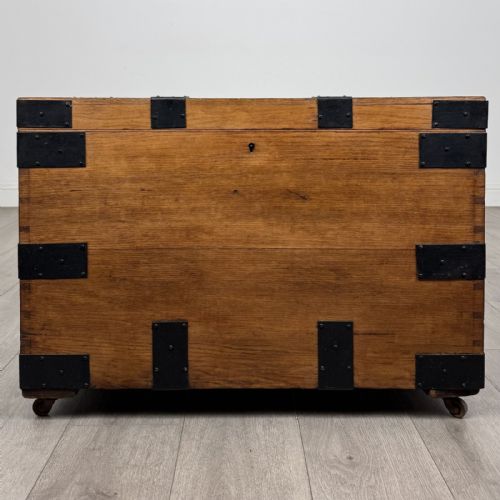
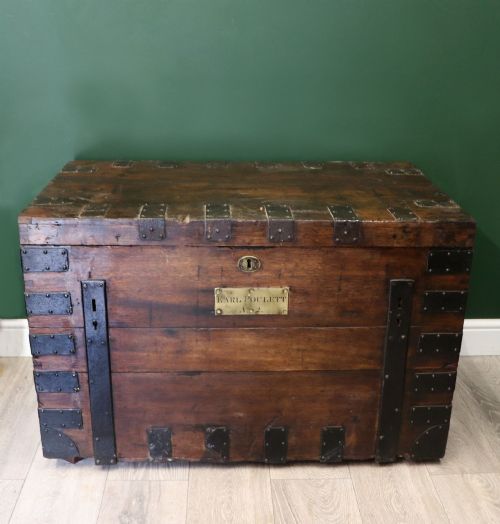
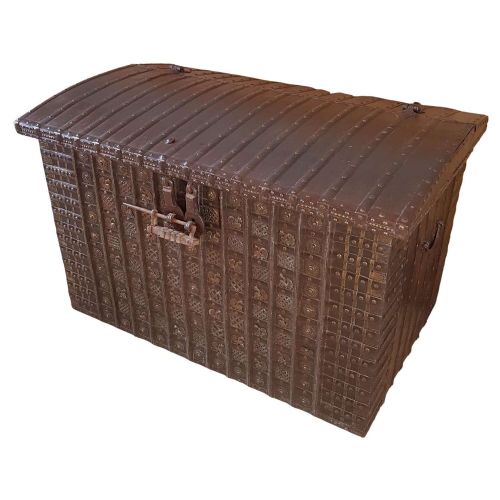
An antique metal strap chest combines robust timber construction with visible reinforcement bands, serving primarily as secure storage for valuables or domestic linen. When exploring this selection, buyers frequently encounter substantial oak silver chests from the Victorian era and the nineteenth century, alongside simpler pine blanket boxes and continental dome-top coffers.
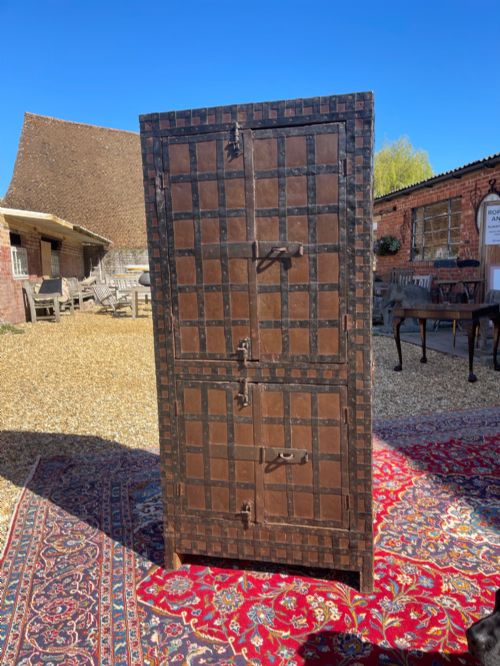
The regional origins of these pieces vary widely across the listings, spanning English silver chests, Scandinavian painted pine boxes, German Renaissance caskets, and Indian iron-banded dowry trunks. Such diversity reflects centuries of utilitarian craft where metal straps provided structural integrity and protection against rough travel or forced entry.
Forms range from flat-topped blanket boxes and compartmentalised silver chests to domed travelling trunks and low dowry chests. Timber choices shift between native hardwoods like oak and softer woods such as pine, whilst the metalwork itself transitions from simple iron bands to elaborate brass mounts and complex locking mechanisms.
Materials and construction methods
Makers built the primary carcase using solid planks of oak, pine, or teak, joined by dovetail or finger joints to withstand the heavy loads of domestic or maritime transit. The timber was often waxed, painted, or left natural depending on the regional workshop tradition.
Iron and brass straps were hand-forged or cut, then secured across the corners and lids using handmade rivets or screws to reinforce the wooden walls against splitting. Heavy-duty strap hinges and strap-work locks completed the assembly, integrating structural utility with decoration.
Antique Metal Strap Chest Retail Price Guide 2026
Typical asking prices for metal strap chest among the pieces listed under this phrase on Sellingantiques today, from the lower quarter to the upper quarter. They describe what is for sale here now, not the wider market.
Listings feature oak, pine, and teak chests reinforced with iron or brass, spanning the sixteenth to the early twentieth century.
Distinguishing quality in strap chests
The grade of an antique metal strap chest rests on the integrity of its timber frame and the sophistication of its metalwork. Pieces featuring hand-forged iron bands with countersunk rivets demonstrate a higher standard of craftsmanship than later, purely decorative iterations.
Internal fitted compartments, such as baize-lined trays in silver chests or intricate locking mechanisms with original keys, elevate the standing of a piece. Original painted surfaces on Scandinavian pine boxes or rich, patinated finishes on English oak further separate utilitarian storage from superior examples.
The Antique Metal Strap Chest Glossary
- Silver chest
- A heavy wooden storage box lined internally with baize or fitted compartments designed specifically for holding family silver plate. These containers were constructed with robust iron carrying handles and secure locks.
- Dome top
- A rounded lid profile commonly found on early trunks and coffers to encourage rainwater runoff during travel. This shape required steam-bent or segmented wooden framing beneath the metal straps.
- Damchiya
- A traditional Indian dowry chest featuring low proportions and structural iron banding used to secure the front facade. These regional storage pieces often incorporate low-relief carving and specialised locking hardware.
- Casket
- A smaller, highly finished box intended for precious items or documents rather than heavy clothing. Nuremberg examples are particularly noted for intricate internal locking mechanisms beneath the lid.
- Strapwork
- Metal bands applied externally to reinforce the joints and panels of a wooden chest. In earlier pieces, these strips played a vital role in preventing the timber from warping or splitting.
Antique Metal Strap Chest: Frequently Asked Questions
What were metal strap chests used for?
These chests served multiple purposes ranging from domestic linen storage to secure transport for family silver and valuables. Heavy reinforcement allowed them to endure long journeys by sea and carriage.
Over time, specific forms evolved for particular contents, such as fitted silver chests for dining plate or dowry chests for household goods.
How do I date an antique chest?
Dating relies on examining the construction methods of the timber carcase, the style of the hinges, and the hand-forging techniques of the metal straps. Hand-cut dovetails and wrought iron work generally indicate earlier manufacture.
Regional characteristics, such as Scandinavian painted finishes or specific Victorian lock stamps, also help narrow down the period of production.
Are these chests suitable for modern homes?
A metal strap chest provides practical, heavy-duty storage for living rooms, hallways, or bedrooms while adding historic texture to a space. Their flat lids often allow them to double as occasional tables or bench seating.
Placing them away from direct heat sources helps protect the aged timber and ironwork from environmental stress.
How should I care for the metal straps?
Maintaining the metal straps involves keeping the iron and brass free from active corrosion with light applications of microcrystalline wax or specialist metal oil. Excessive cleaning should be avoided to preserve the natural historic patina.
Maintaining stable indoor humidity prevents the timber beneath the straps from shrinking or expanding.