



Metal Bound Oak Chest
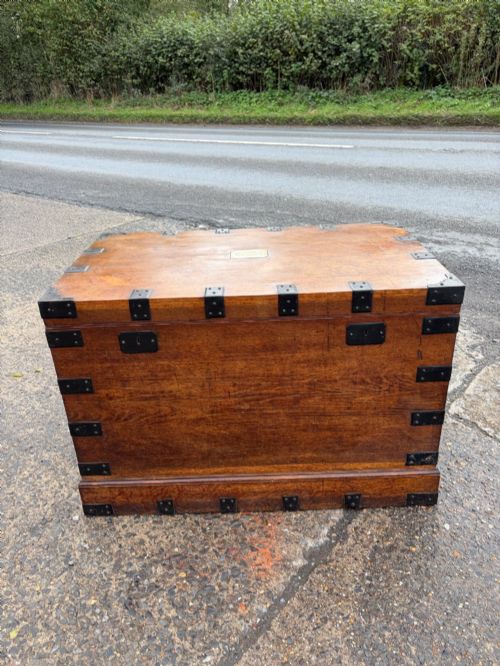
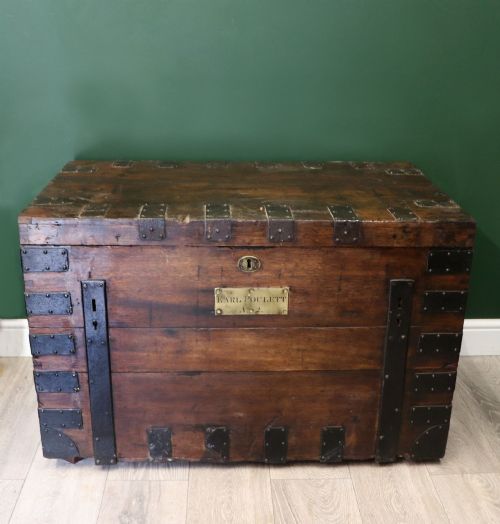
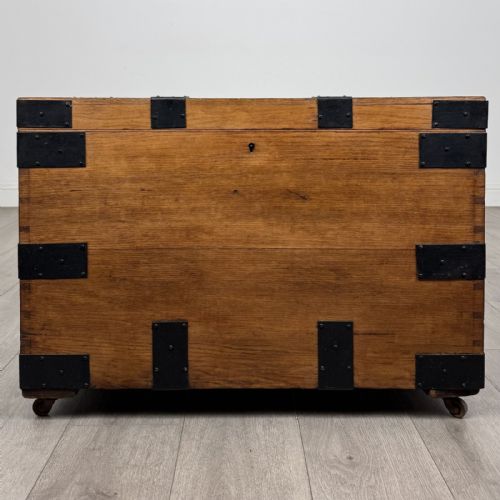
These metal bound oak chest pieces combine robust timber storage with resilient iron and brass reinforcement, making them a practical choice for heavy-duty household use.
Metal Bound Oak Chest
A metal bound oak chest provides sturdy storage through thick wooden construction secured by metal banding, appearing in forms such as trunks, coffers, and silver chests. These heavy containers were built to hold valuable household possessions or travel securely.
The selections span multiple eras, most frequently meeting buyers in Victorian and 19th Century iterations alongside earlier Tudor or Renaissance influences. Regional examples range from country house boxes to fitted silver chests designed for specific domestic duties.
Dome top chests and flat-lidded steamer trunks show the variety of silhouettes available within this category. Each piece relies on the combination of solid oak boards and supportive metal straps to maintain structural integrity.
How they were made
Makers constructed these storage pieces using solid oak planks joined to form deep rectangular boxes or curved dome tops. The timber provided a heavy foundation capable of withstanding regular movement and long-term storage.
Iron, steel, and brass straps, bands, and brackets were fastened across the wood to reinforce the corners and edges. These metal elements were secured with rivets or screws to handle the stress of heavy loads and travel.
Metal Bound Oak Chest Retail Price Guide 2026
Typical asking prices for metal bound oak chest among the pieces listed under this phrase on Sellingantiques today, from the lower quarter to the upper quarter. They describe what is for sale here now, not the wider market.
A travelling trunk with a bright red interior brings an unexpected flash of colour when you lift the lid.
What varies in quality
The standard of construction depends on the thickness of the oak boards and the weight of the iron or brass binding applied to the exterior. Heavier metal reinforcement and robust dovetailed or pegged wooden joints distinguish superior examples.
Internal fittings such as fitted trays, original red interiors, or preserved lining papers elevate the interest of a storage trunk. The precision of the metalwork and the integration of functional handles or locks also shape the overall standard.
The Metal Bound Oak Chest Glossary
- Cofer
- An early form of chest, often heavily reinforced with iron bands, used for storing valuables and travel. These sturdy receptacles predate many standard domestic storage boxes.
- Dome top chest
- A storage box featuring a rounded upper lid designed to shed water during travel. This curved profile adds interior height while altering the exterior silhouette.
- Steamer trunk
- A lower-profile trunk designed to fit in limited storage spaces during transit. These pieces utilise metal bindings to survive the rigours of nineteenth-century journeys.
Metal Bound Oak Chest: Frequently Asked Questions
What were metal bound oak chests used for?
These containers stored valuable household silver, heavy blankets, and personal travelling belongings. Their reinforced structure made them suitable for secure transport and domestic safekeeping.
Over time, wealthy households utilised specialised silver chests to protect precious dining ware from damage or theft. Their robust nature also suited long-distance journeys.
Where should I place a metal bound oak chest at home?
These substantial chests function well as living room coffee tables, hallway storage benches, or bedroom blanket boxes. Their heavy presence anchors a room while offering concealed storage.
Keeping them away from direct heat sources prevents the solid oak from drying out or splitting. Their flat tops also provide a sturdy surface for display.
What is the difference between a coffer and a chest?
A coffer typically refers to an older, heavily banded storage receptacle often associated with valuables and travel. A chest generally describes a wider range of rectangular storage boxes.
Both terms overlap in historical listings, but coffer frequently points towards earlier centuries of construction. Metal bindings appear commonly across both forms for added reinforcement.