
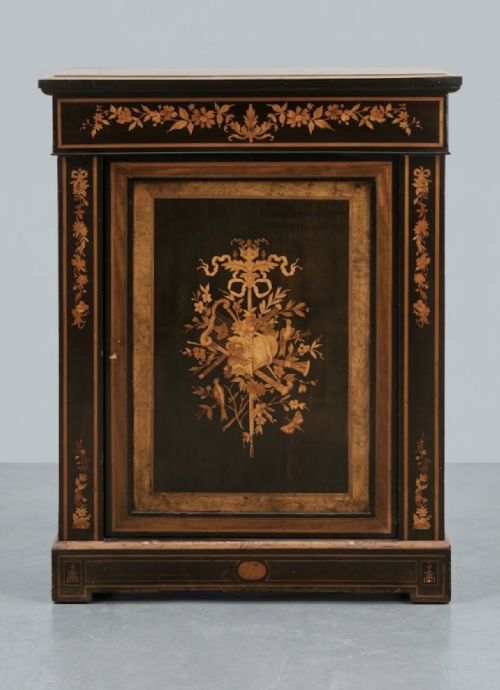
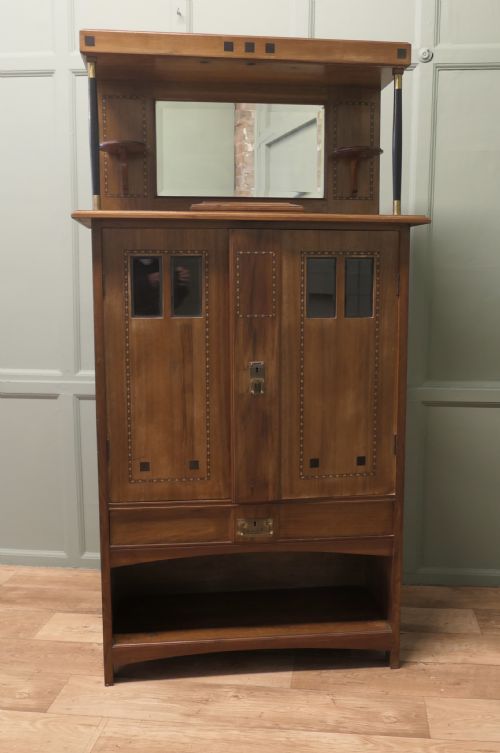
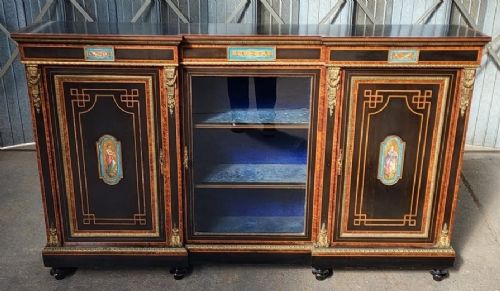
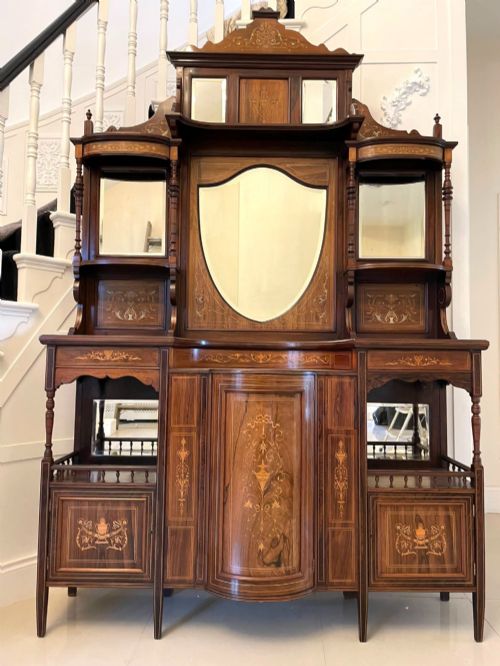
Inlaid Wooden Side Cabinet
An inlaid wooden side cabinet brings distinct timber grain and precise marquetry into a room, offering functional storage with decorative presence.
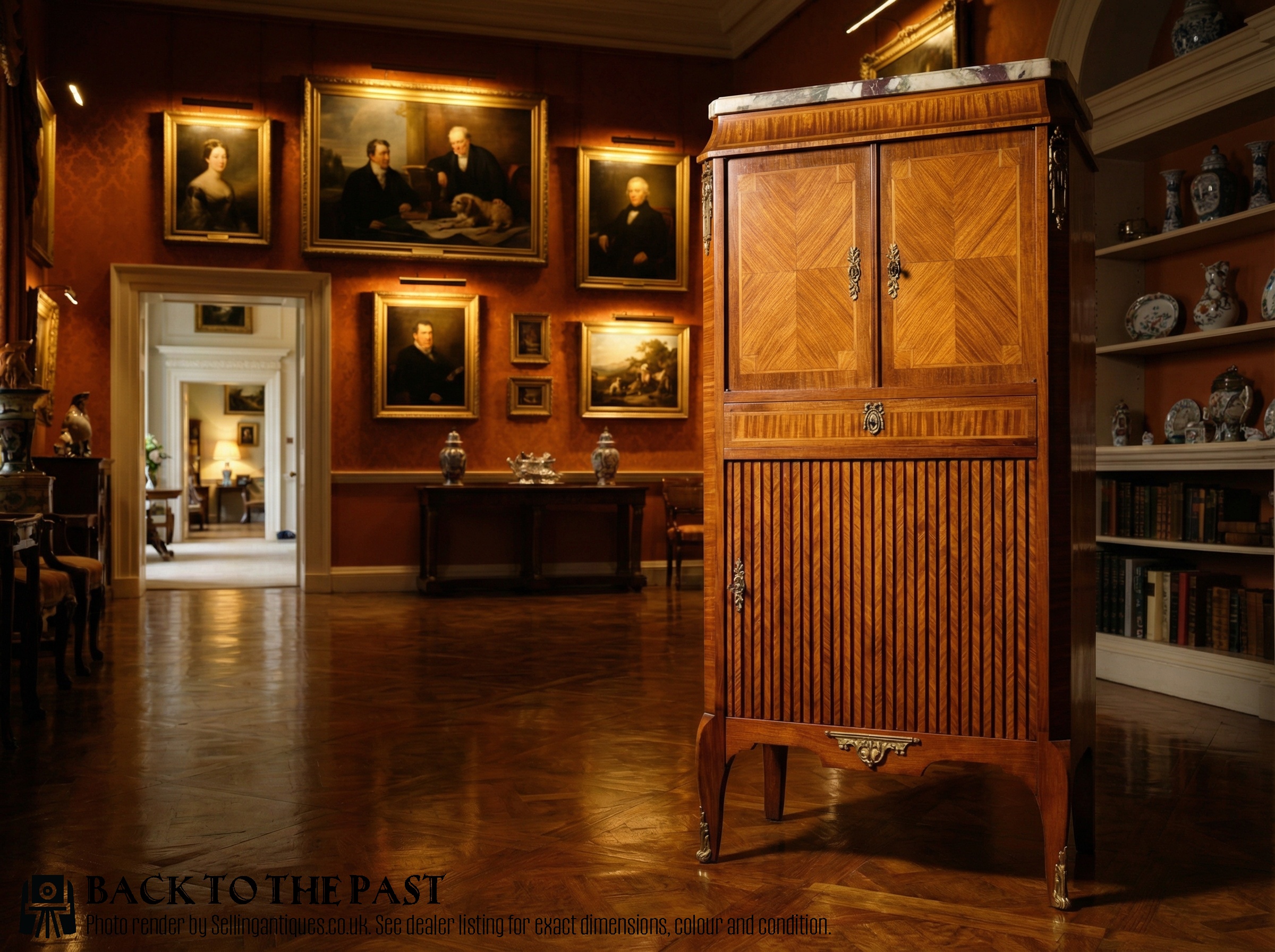
Inlaid Wooden Side Cabinet
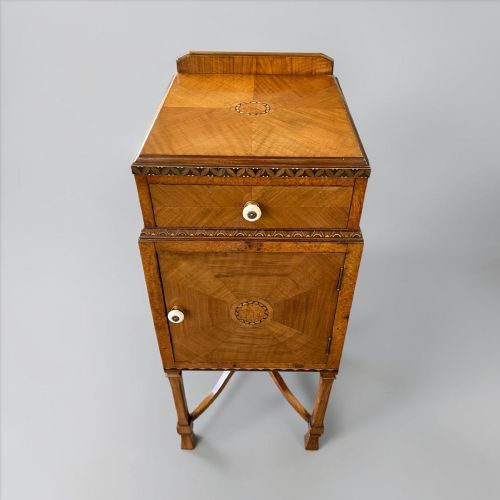
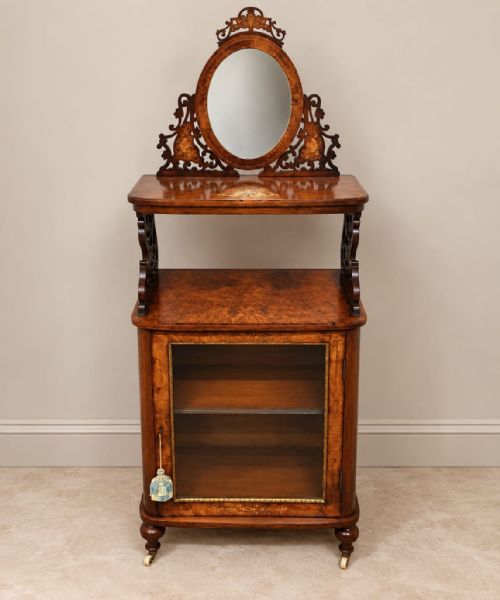
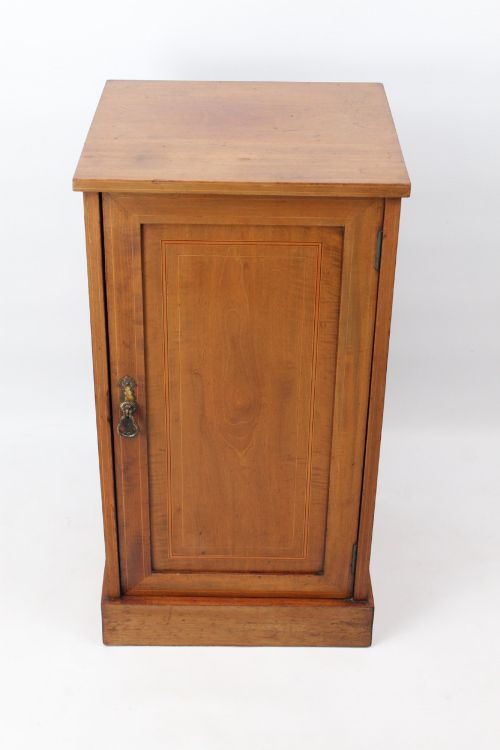
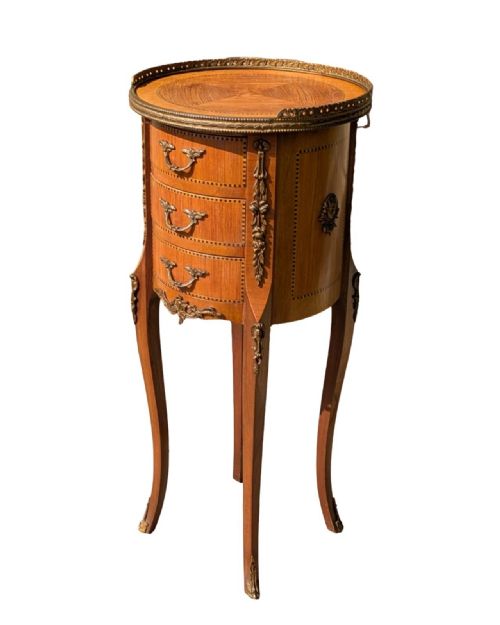
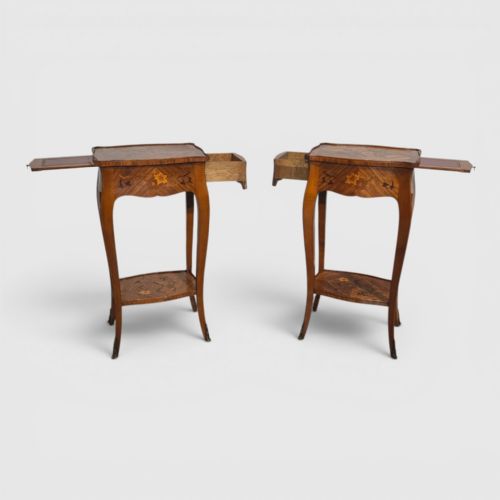
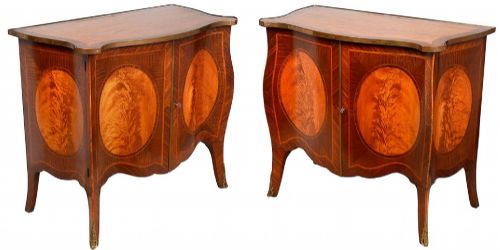
When you search for an inlaid wooden side cabinet, you encounter a varied group of storage furniture spanning several centuries. These pieces function primarily as bedside units, compact cupboards, and larger credenzas designed for living spaces and bedrooms.
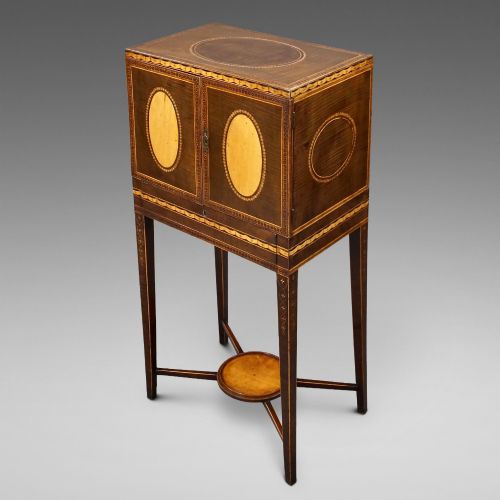
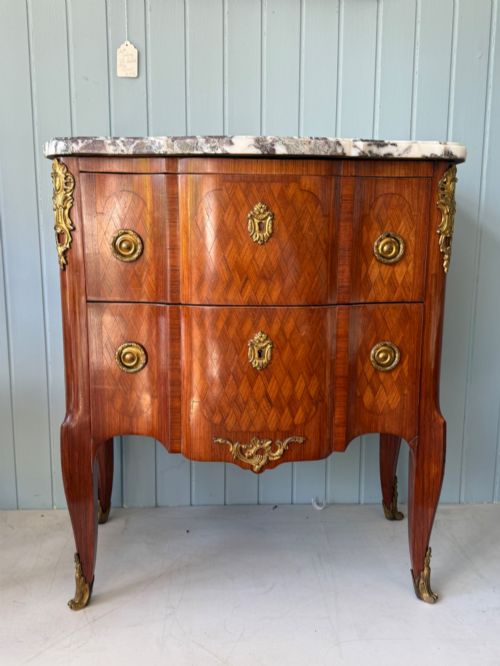
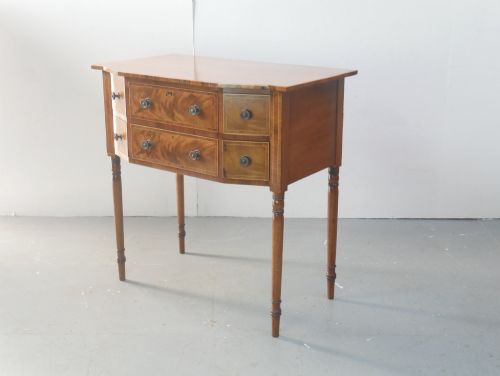
The selection on this page relies heavily on Victorian and Edwardian examples, alongside French styles and earlier Georgian or Regency forms. Walnut, mahogany, and satinwood dominate the primary structures, often enhanced by contrasting timber veneers.
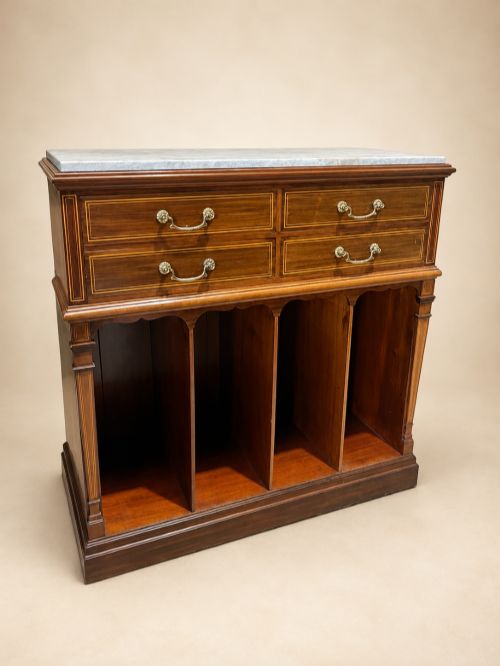
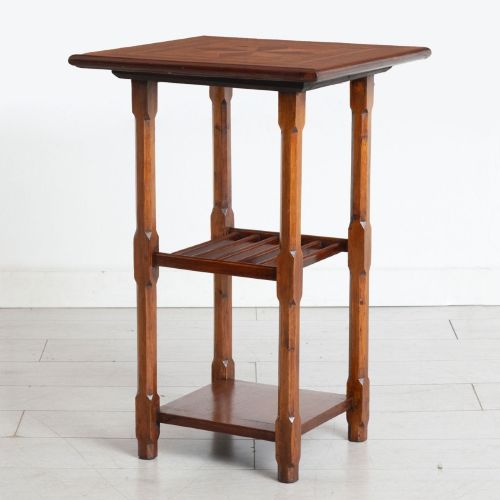
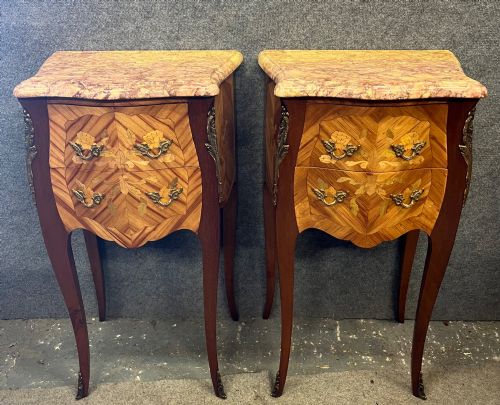
Forms range widely from tall bedside cabinets and marble-topped commodes to low side tables and extensive bookcases. Each variant serves a distinct domestic purpose while displaying the decorative woodwork characteristic of its period.
Materials and construction methods
Cabinet makers utilised dense hardwoods such as mahogany and walnut for the primary carcass, applying fine veneers of satinwood, harewood, and kingwood to exterior surfaces. Marquetry and crossbanding techniques introduced intricate geometric or floral patterns into the wood grain.
Metal mounts in brass and ormolu frequently frame doors and corners, while inset marble tops appear on French commodes and bedside cabinets. Glass panels and intricate fretwork also feature in display cabinets and bookcases from the later periods.
Inlaid Wooden Side Cabinet Retail Price Guide 2026
Typical asking prices for inlaid wooden side cabinet among the pieces listed under this phrase on Sellingantiques today, from the lower quarter to the upper quarter. They describe what is for sale here now, not the wider market.
Moorish influences occasionally surface in unexpected hexagonal forms, incorporating genuine mother of pearl and bone inlay.
Distinctions in construction and design quality
Quality rests upon the precision of the timber matching and the delicacy of the inlay work integrated into the surfaces. Superior examples display seamless veneer application and well-fitted doors that operate smoothly within their frames.
The choice of secondary timbers and the crispness of brass or ormolu mounts further differentiate standard production from finer workshop output. Structural integrity in the joints and the preservation of original surface finishes determine the standing of each piece.
The Inlaid Wooden Side Cabinet Glossary
- Crossbanding
- A border technique where thin strips of veneer are applied perpendicular to the grain of the main surface.
- Marquetry
- The art of forming decorative patterns using fitted pieces of various coloured woods and natural materials.
- Ormolu
- Gilded bronze mounts and decorative details applied to furniture, particularly common on French styles.
- Credenza
- A large sideboard or cabinet, frequently featuring glass doors and elaborate marquetry work.
- Commode
- A low French storage cabinet or chest of drawers, often finished with a marble top.
Inlaid Wooden Side Cabinet: Frequently Asked Questions
Where should I place a side cabinet?
These cabinets suit living rooms, hallways, and bedrooms where surface space and enclosed storage are both required. Smaller versions function effectively as bedside tables or lamp stands.
Larger credenzas and bookcases anchor dining rooms or spacious reception areas, providing a focal point for decorative objects.
How do I identify a Victorian piece?
Victorian cabinets often employ burr walnut, rosewood, or ebonised timber combined with heavy marquetry and brass mounts. Proportions tend to be robust, reflecting the manufacturing capabilities of the nineteenth century.
Interior construction typically relies on solid secondary woods like oak or pine behind the polished mahogany or walnut exteriors.
What is crossbanding?
Crossbanding involves framing a central panel of wood with narrow strips of veneer laid so the grain runs transversely. This technique creates a distinct visual border around drawer fronts and tabletops.
Cabinet makers used this method across Georgian, Victorian, and Edwardian periods to add depth and geometric contrast to plain surfaces.
Are marble tops original?
Marble tops frequently appear on French commodes and bedside cabinets designed from the nineteenth century onward. The stone provides a durable, heat-resistant surface for everyday use.
Inspect the edges and underside to confirm the marble sits flush against the wooden frame without modern shims or alterations.