





Sheraton Style Console Table
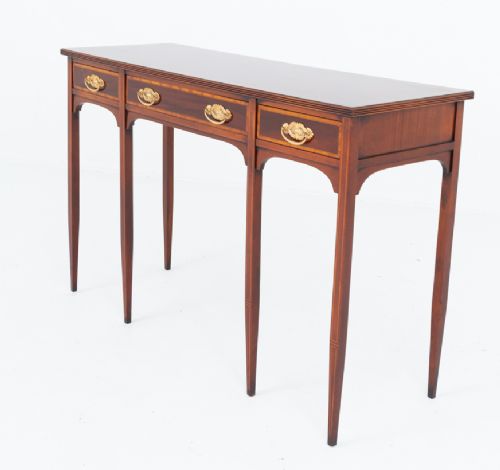
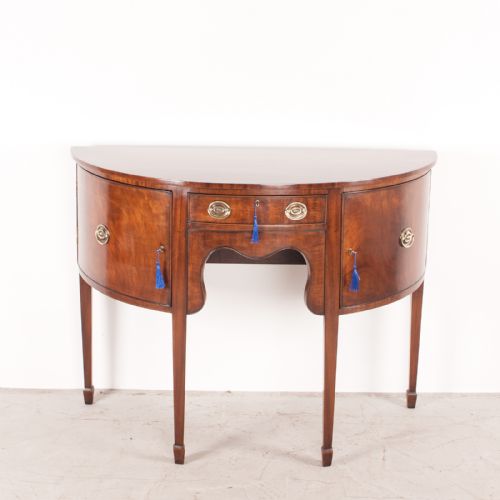
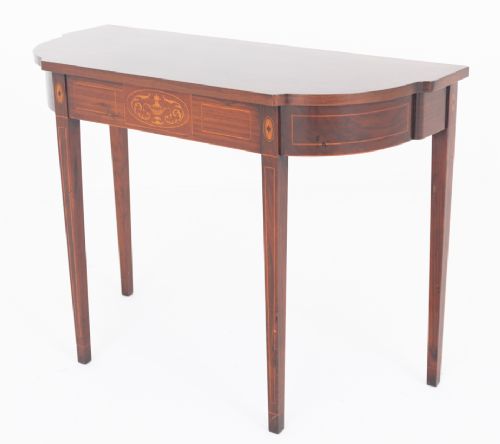
These sheraton style console table pieces bring neoclassical elegance and fine inlay into a room.
What these pieces are
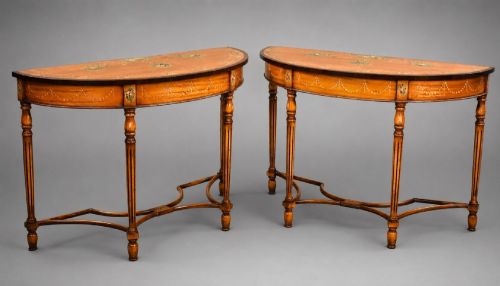
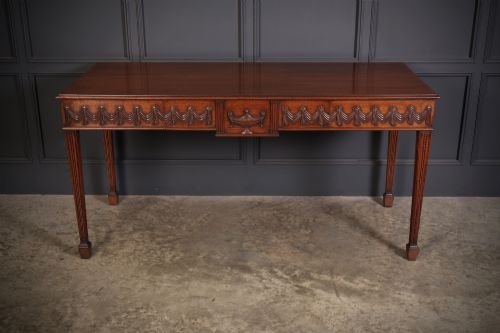
A sheraton style console table embodies the refined geometry and classical restraint of the late eighteenth and nineteenth centuries. These items appear across periods including the Georgian, Victorian, and Edwardian eras, as well as specific revivals. Makers of these pieces favoured graceful proportions and geometric layouts designed to sit flat against a wall.
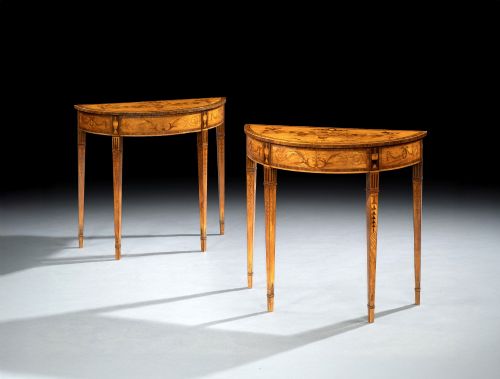
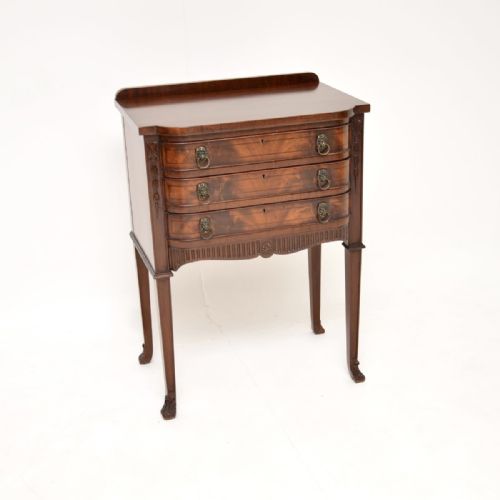
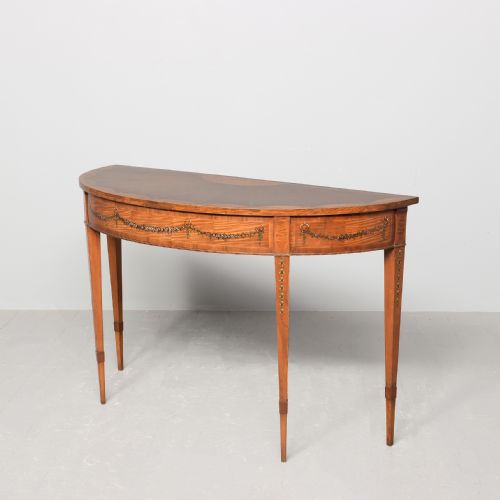
The most common formats in this selection are demi-lune and serpentine forms designed as console tables, hall tables, or pier tables. Alongside dedicated tables, related pieces encompass card tables and side cabinets sharing the same stylistic vocabulary. Origins span the eighteenth, nineteenth, and twentieth centuries, with Edwardian interpretations appearing frequently.

How they were made
Cabinet makers constructed these pieces using a foundation of substantial timbers such as mahogany and walnut, alongside exotic hardwoods like padoukwood and pollard oak. Surfaces often display light timbers including satinwood, augmented by contrasting stringing and banding in boxwood. These varied woods provided the tonal contrast essential to the aesthetic.
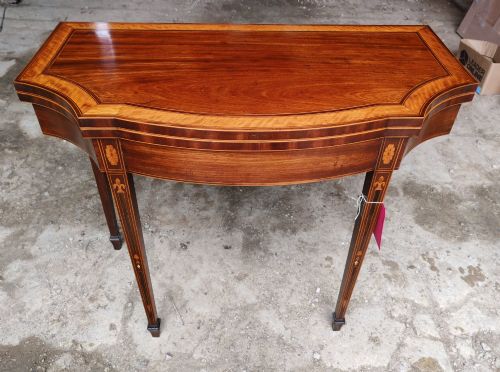
Ornamentation relies heavily on marquetry inlay and delicate satinwood inlay, creating classical motifs and floral swags across tabletops and friezes. Certain pieces incorporate cast brass elements to accent key structural points or drawers. Joinery and surface finishing reflect traditional hand woodworking techniques appropriate to each period.
Retail Price Guide 2026
Typical UK retail prices for sheraton style console table, calculated from the Sellingantiques database of over a million retail prices indexed since 2003. This retail price guide relies exclusively on Sellingantiques data; no external sources or auction records are used, so the figures do not describe the wider market.
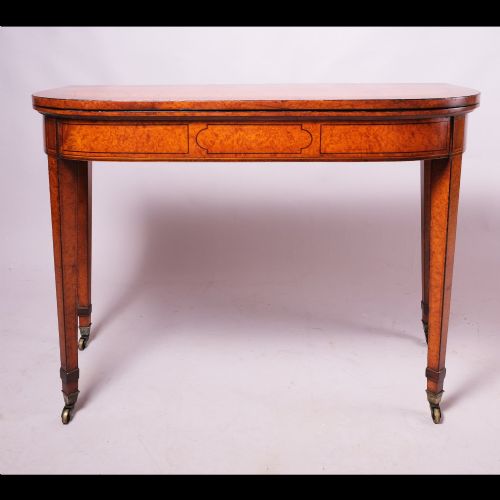
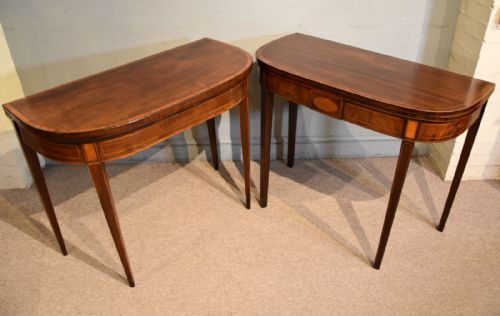
Some tables hide card-playing secrets beneath folding tops, ready for an impromptu evening of eighteenth-century whist.
What varies in quality
Quality in a sheraton style console table rests in the precision and complexity of the inlay work, where crisp botanical or geometrical motifs distinguish finer examples. The choice of primary timber and the grain selection in satinwood or mahogany dictate the visual depth of the top. Finer pieces demonstrate superior timber matching and tighter joint tolerances throughout the carcase.
Proportion and execution of the legs, whether tapered or reeded, determine the overall elegance of the silhouette. Early eighteenth and nineteenth-century examples often display sharper carving and more sophisticated timber selection than later revival iterations. The integration of secondary woods and the refinement of the finishing layer further separate standard workshop output from master cabinet work.
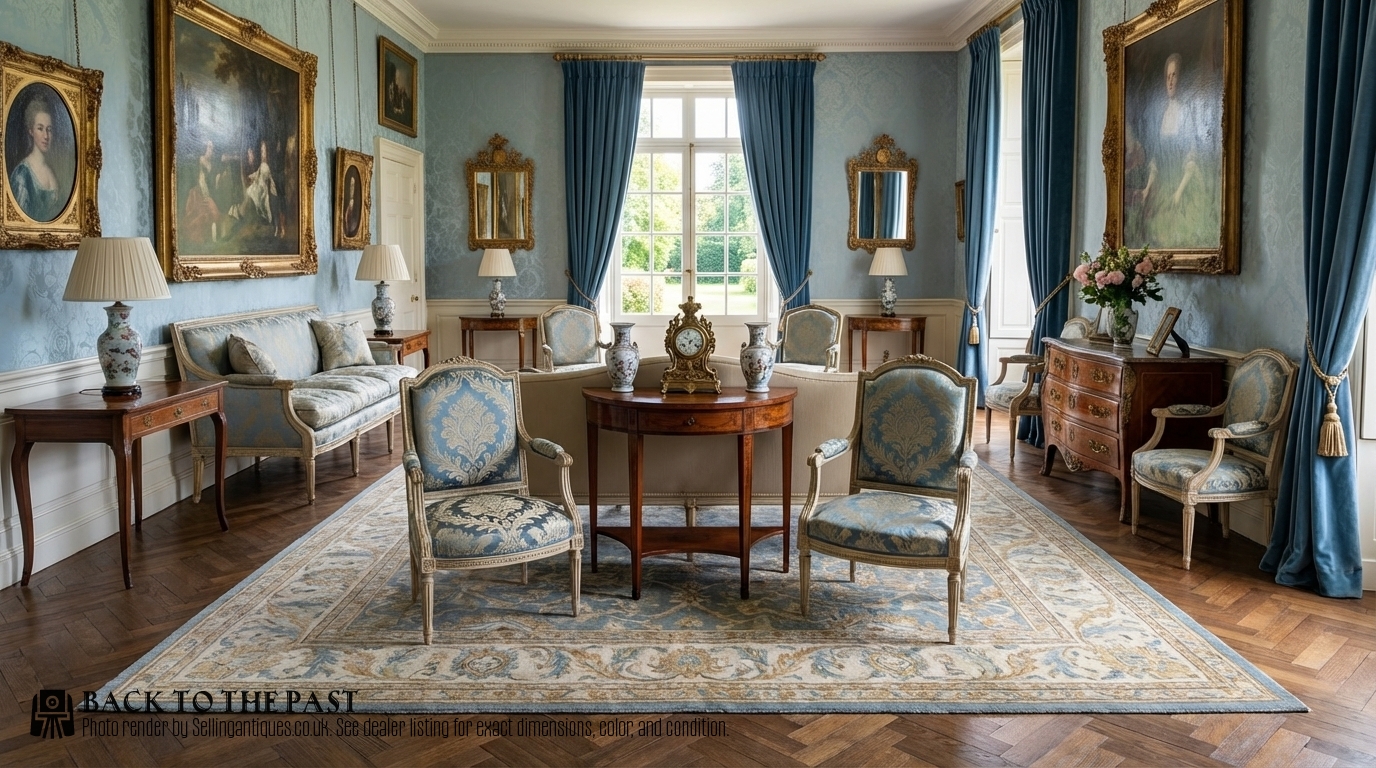
The Sheraton Style Console Table Glossary
- Demi-lune
- A half-moon shape used frequently for the tops and frames of console tables. This silhouette allows the piece to fit flush against a wall while saving floor space.
- Satinwood
- A light-coloured, lustrous timber native to tropical regions. Cabinet makers valued it for its fine grain and ability to take a high polish in inlaid panels.
- Marquetry inlay
- Decorative patterns formed by fitting contrasting veneers into a prepared wooden ground. This technique creates pictorial or geometric designs across tabletops.
- Serpentine
- A gently undulating furniture front characterised by a convex centre flanked by concave curves. It adds a sculptural quality to the profile of a hall table.
- Boxwood
- A dense, pale wood utilised for fine stringing and inlay lines. Its uniform texture permits precise cutting for geometric borders.
Frequently Asked Questions
How do I date a console table?
Dating relies on examining the timber species, construction methods, and inlay style used in the carcase. Eighteenth-century pieces show different timber preparation compared to Edwardian revivals.
Secondary woods inside drawers and the ageing of the polish provide further clues to the original period of manufacture.
Where should I place a console table?
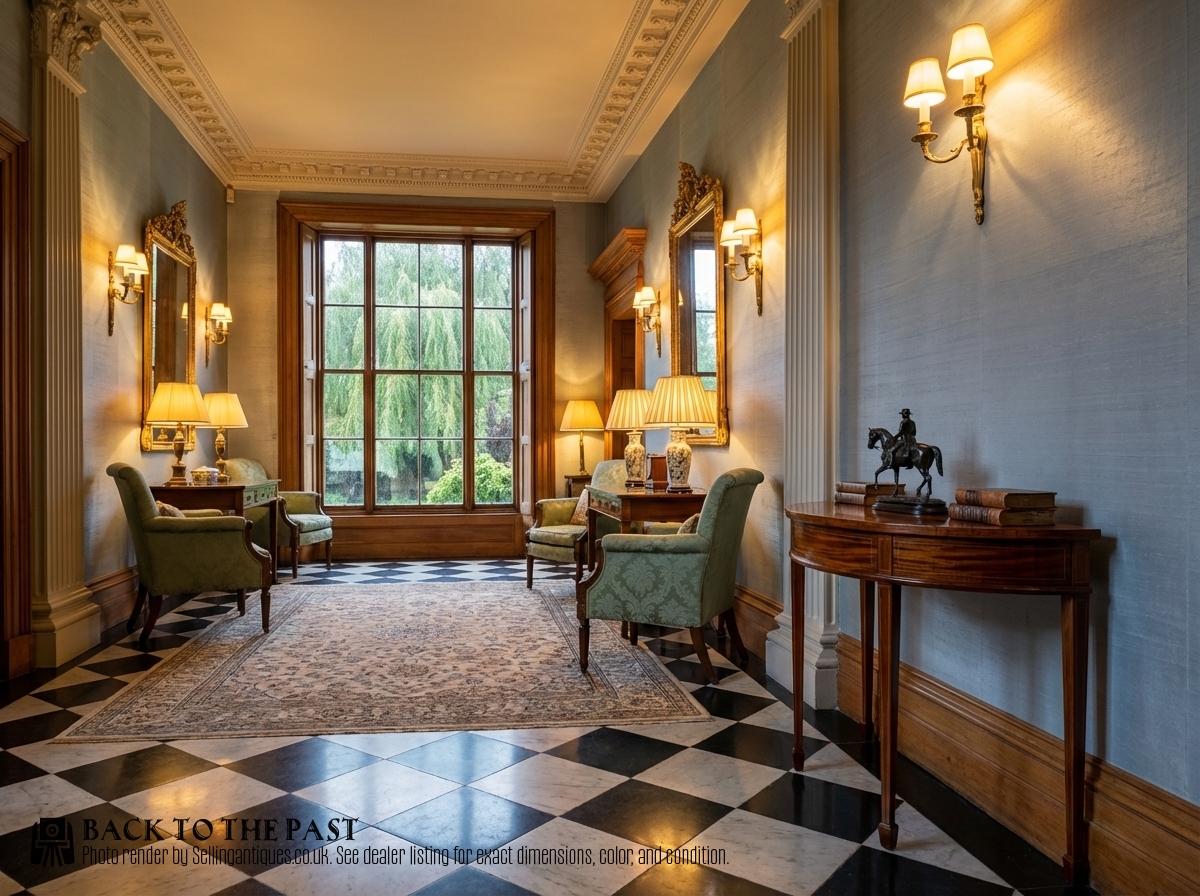
These tables suit narrow entrance halls, living rooms, or dining spaces where floor space is limited. Their shallow profile allows them to sit neatly beneath mirrors or paintings.
They function well as display surfaces for decorative objects rather than heavy daily use.
What is the difference between George III and Sheraton style?
George III encompasses a broader chronological period of British furniture design spanning the mid to late eighteenth century. Sheraton style represents a specific subset of neoclassical design focusing on light proportions and delicate ornamentation.
Many Sheraton pieces were produced during the George III period, while later revivals borrowed the same vocabulary.