


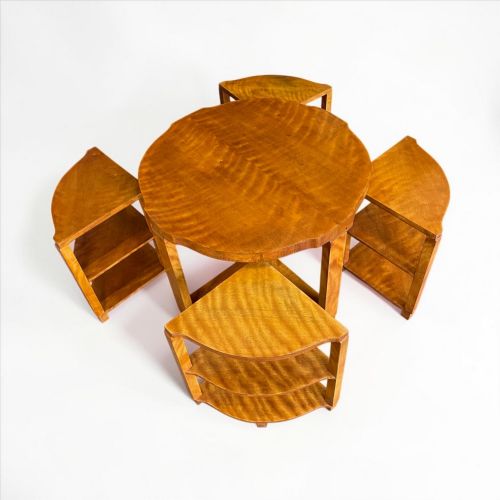
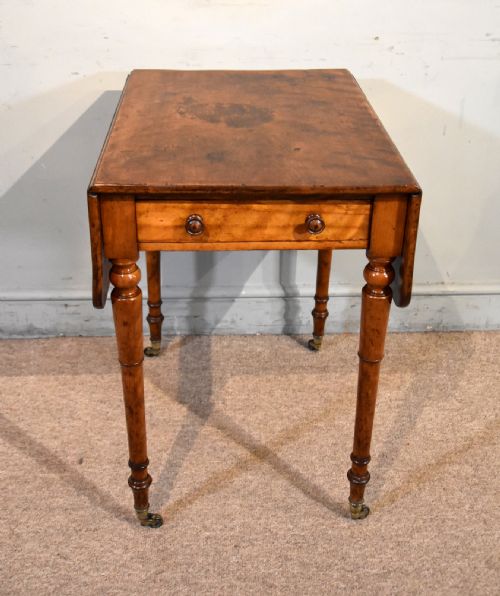

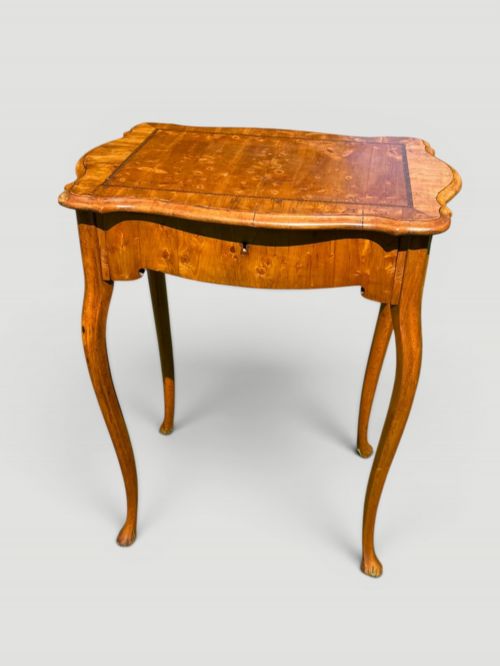


Golden Wood Side Table
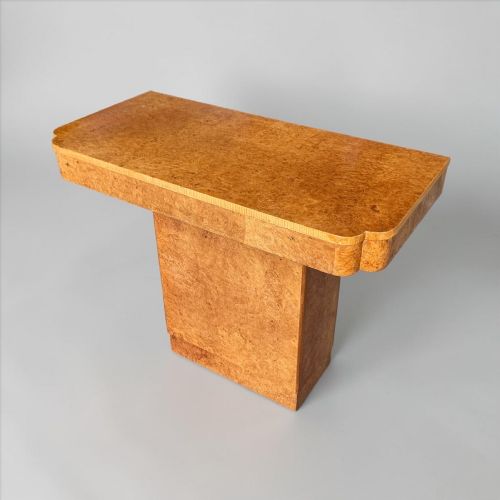
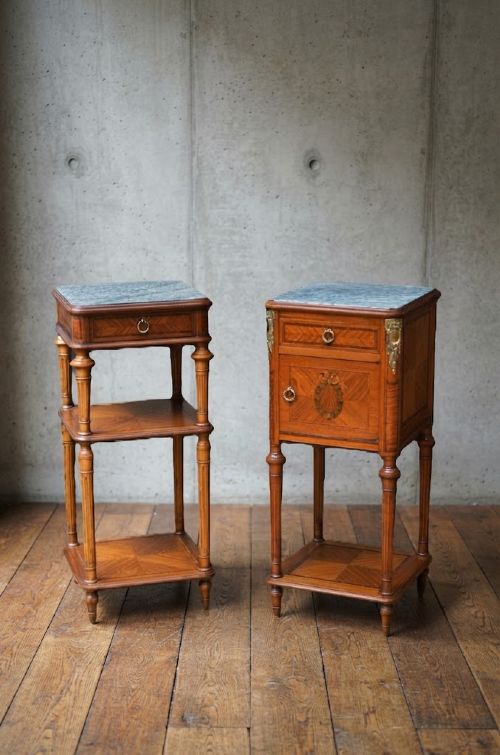
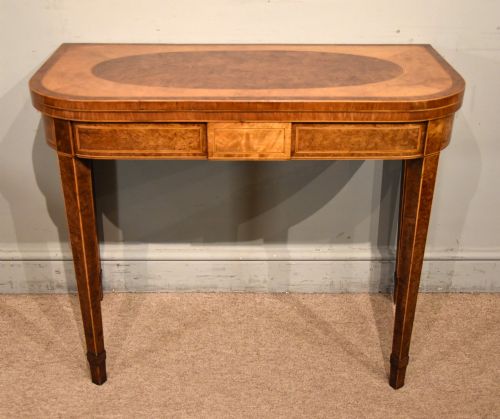
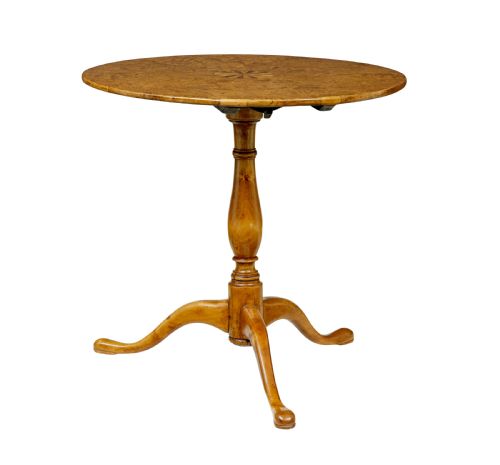
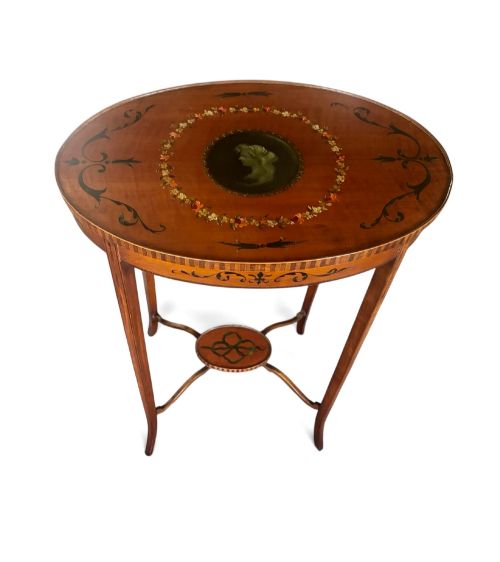
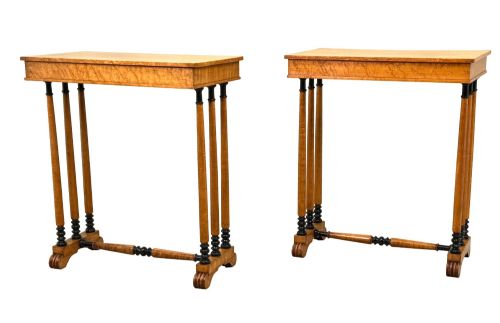
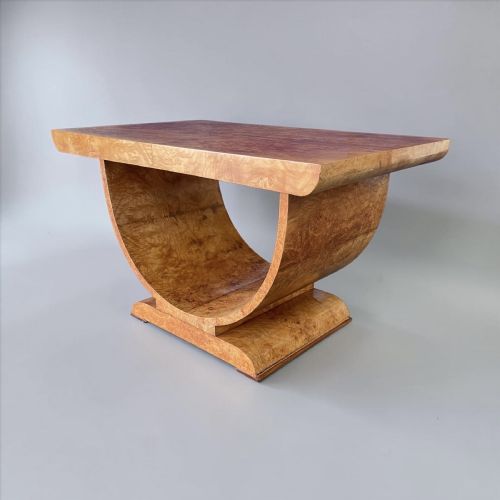
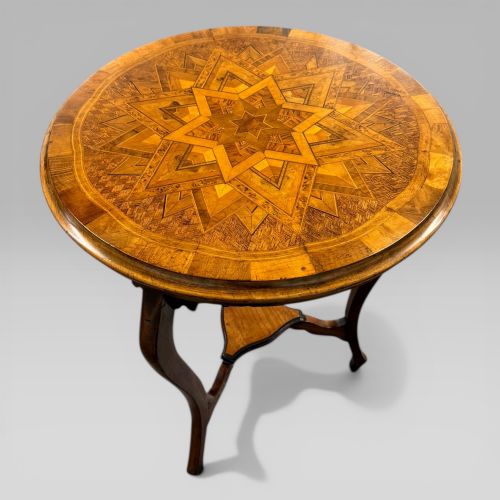
A golden wood side table brings refined satinwood, mahogany, and marquetry inlay into a room as both console and occasional furniture.
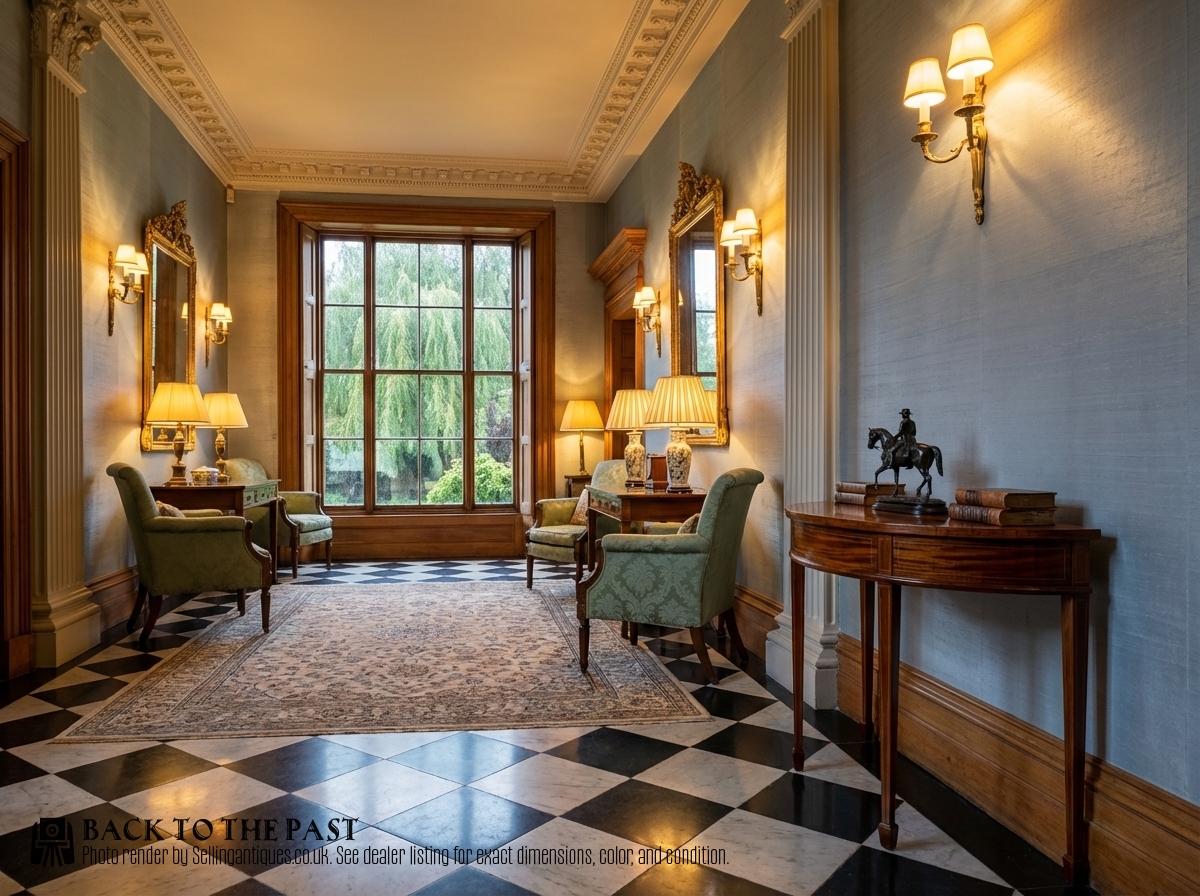
What these golden wood side tables are
Makers utilised various timbers and decorative schemes, incorporating boxwood inlay, padoukwood, and timber veneers to achieve the characteristic golden hue.
How they were made
These tables rely on timber veneer and solid construction in satinwood, mahogany, and padoukwood, enhanced by marquetry inlay and boxwood stringing. Artisans shaped timber into serpentine fronts, drop leaves, and demi-lune formats.
Ornaments include brass mounts and ormolu detailing, which accent the golden tones of the primary woods. Workshops applied these brass and ormolu elements to console tables and occasional tables during the eighteenth, nineteenth, and Edwardian periods.
Retail Price Guide 2026
Typical UK retail prices for golden wood side table, calculated from the Sellingantiques database of over a million retail prices indexed since 2003. This retail price guide relies exclusively on Sellingantiques data; no external sources or auction records are used, so the figures do not describe the wider market.
Some tables hide drop leaves so clever they double as tea stations before you even pour the kettle.
What varies in quality
Quality rests upon the precision of the marquetry inlay and boxwood detailing, where crisply defined borders distinguish finer examples from simpler workshops. The choice of primary timber veneer, particularly figured satinwood paired with contrasting padoukwood or mahogany, dictates the visual depth.
Structural sophistication also separates pieces, visible in the fluid geometry of serpentine hall tables versus standard occasional tables. The integration of bronze ormolu and brass mounts reveals the maker's commitment to materials and finish.
The Golden Wood Side Table Glossary
- Satinwood
- A durable timber known for its natural golden sheen and lustrous grain, frequently employed in high-status eighteenth and nineteenth-century furniture. It serves as the primary surface material for Sheraton Revival and Edwardian pieces.
- Marquetry Inlay
- The art of applying decorative pieces of veneer to a structure to form ornamental designs. This technique creates complex floral or geometric patterns across table tops.
- Demi-lune
- A half-moon shape characteristic of console and pier tables designed to stand flat against a wall. This profile became popular during the Regency and Edwardian periods.
- Ormolu
- Gilt bronze ornamentation applied to furniture mounts and borders. It provides a metallic contrast to golden wood timbers.
- Pembroke Table
- A small occasional table featuring hinged drop leaves on either side. These tables often double as tea or card tables.
Frequently Asked Questions
Where should I place a side table?
These tables fit easily into hallways, living rooms, and parlours as display surfaces or serving furniture.
Demi-lune console tables suit narrow spaces against walls, whilst occasional and Pembroke tables function well beside seating.
How do I date a satinwood table?
Dating relies on stylistic markers and construction methods associated with periods like the Regency, George III, and Edwardian eras.
Sheraton Revival and late nineteenth-century pieces often emulate eighteenth-century forms with distinct Edwardian aesthetic touches.
What is a Pembroke table?
A Pembroke table is a versatile drop-leaf design created for occasional dining, tea, or writing.
The hinged leaves allow the table to expand or contract according to space and function.
How do I care for satinwood?
Satinwood benefits from regular dusting with a soft, dry cloth to protect its delicate veneer and golden finish.
Avoid placing these tables in direct sunlight or near heat sources to prevent timber splitting.