
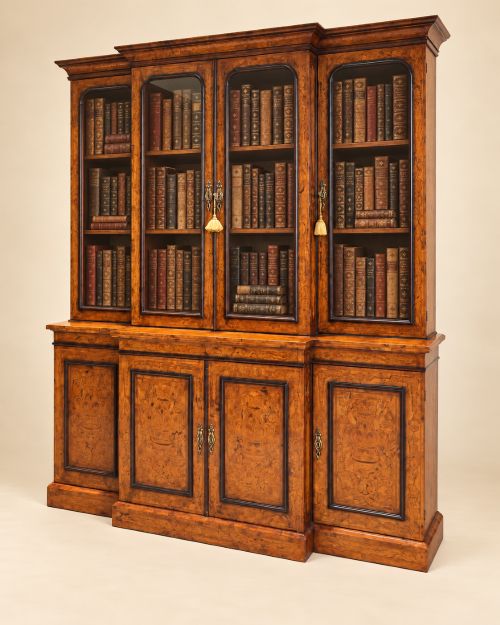


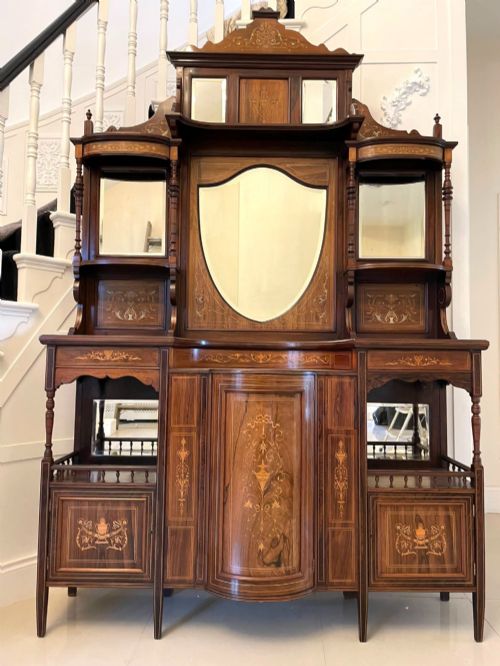
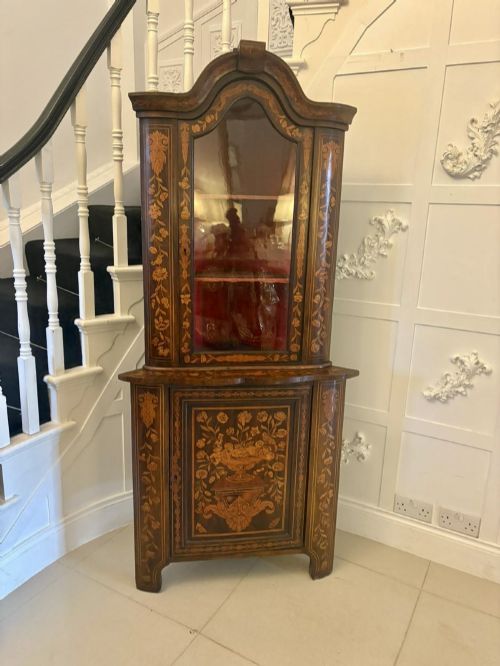
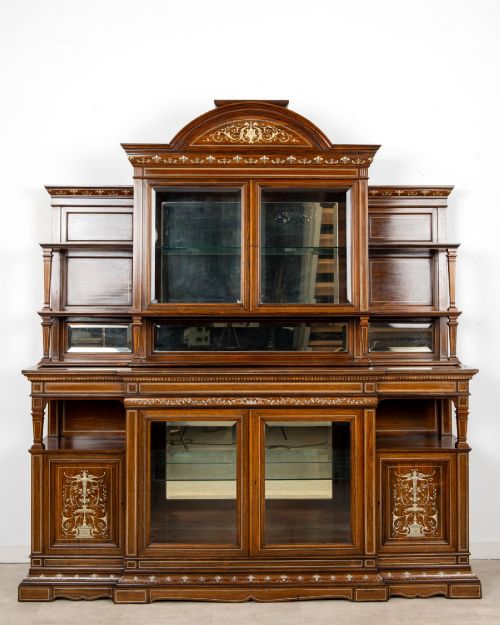
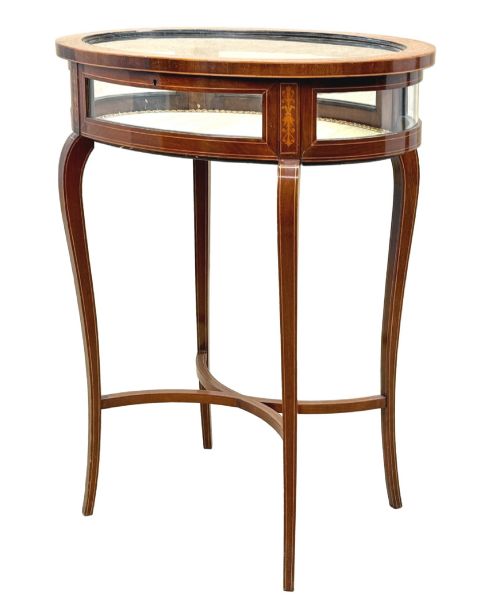
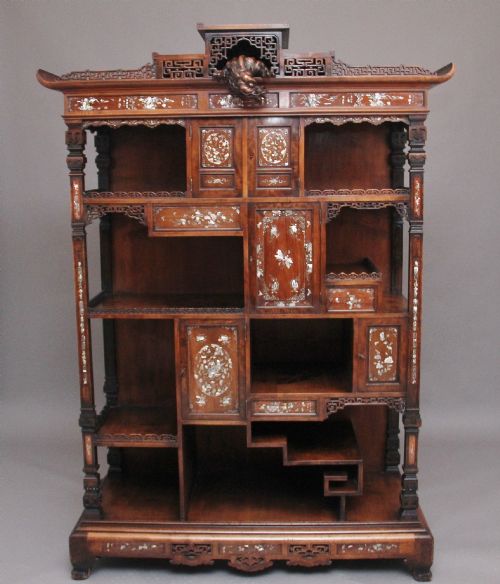
Inlaid Wood Display Cabinet
An inlaid wood display cabinet brings together figured timbers and precise decorative banding to showcase treasured possessions with period elegance.
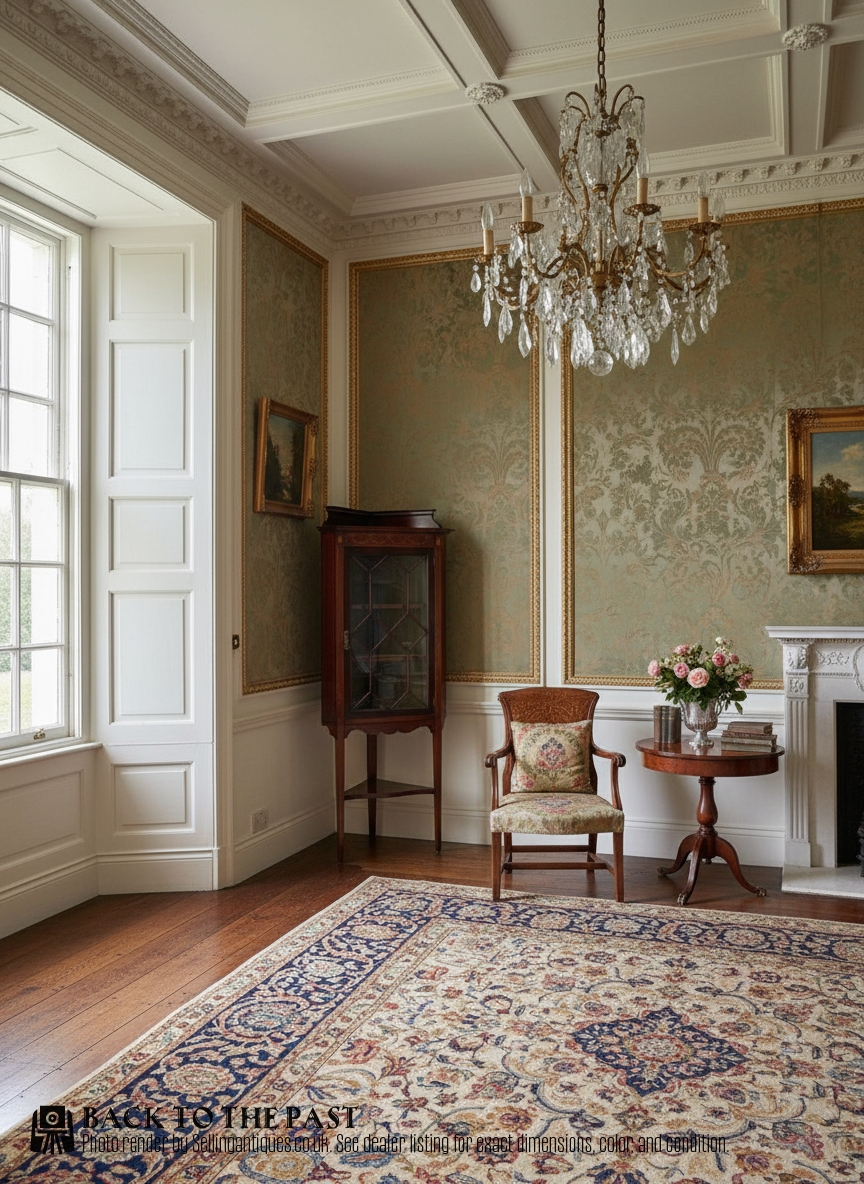
Inlaid Wood Display Cabinet
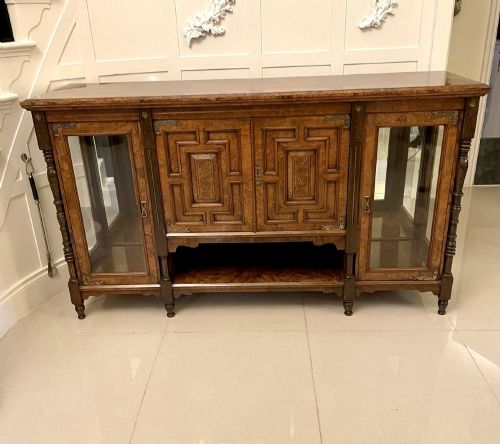
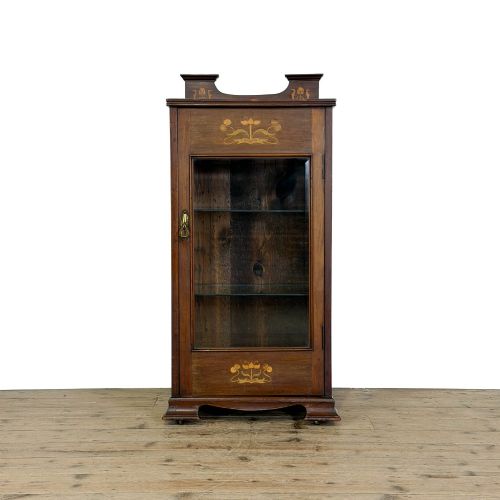
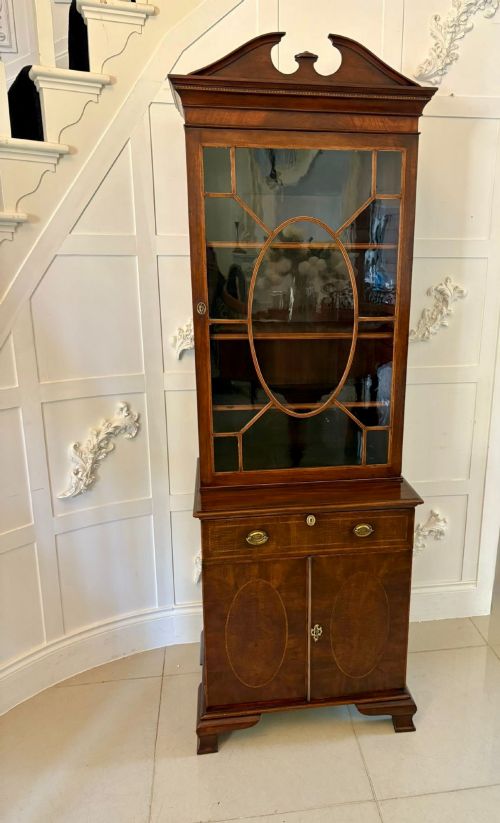
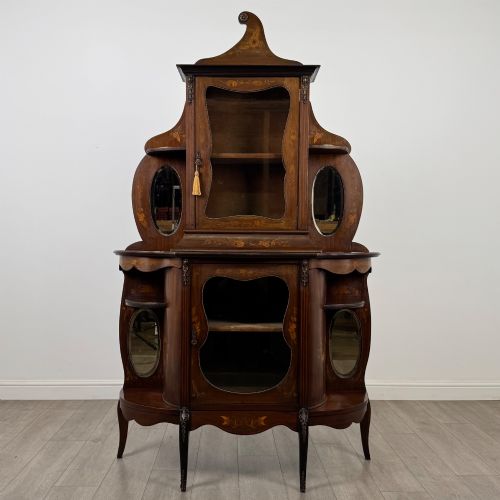
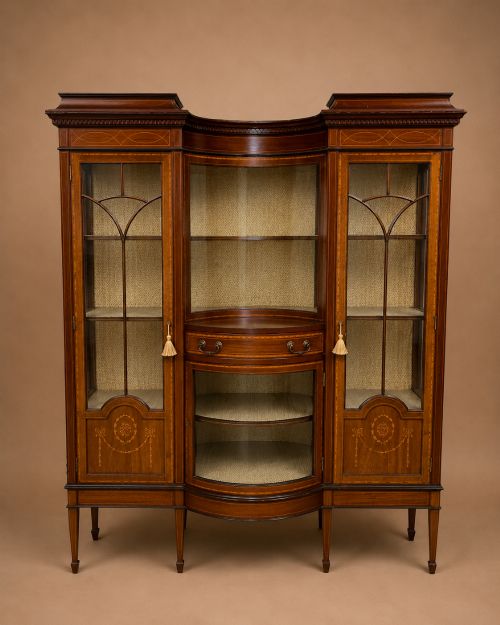
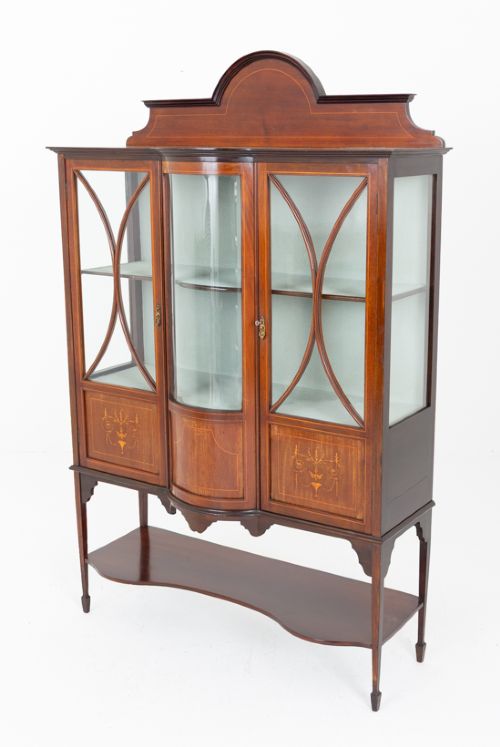
An inlaid wood display cabinet typically presents as a glazed upright piece designed to protect and exhibit porcelain, glassware, or small collections within domestic rooms. These pieces appear frequently from the Victorian and Edwardian eras, alongside Georgian and Sheraton Revival interpretations.
The selection ranges from upright floor-standing corner cupboards and narrow pier cabinets to expansive breakfront bookcases and delicate glass-topped bijouterie tables. Timber choices span deep mahogany, rich rosewood, figured walnut, and bright satinwood, often enhanced by contrasting stringing and marquetry motifs.
Materials and construction
Cabinet makers utilised dense primary timbers such as mahogany, walnut, and rosewood for the main carcase, pairing them with lighter secondary woods like satinwood for contrasting details. Glass panels were integrated into timber doors to create viewing windows, sometimes supported by brass or fabric linings within the interior.
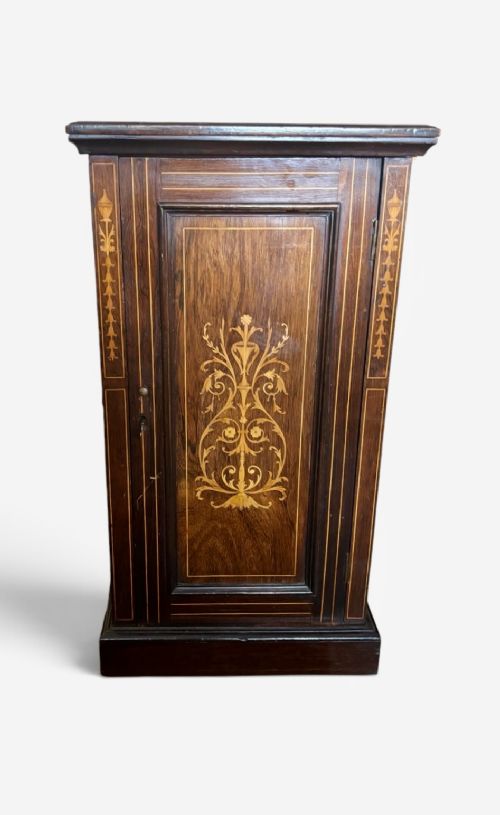
Surface ornamentation relied on intricate marquetry and fine satinwood inlay, where contrasting veneer segments were precisely fitted into recesses to form geometric patterns, floral sprays, or classical urns.
Some Edwardian cabinets included dedicated compartments for sheet music alongside traditional display space.
Evaluating craftsmanship
Quality rests in the crispness of the inlay work and the selection of figured veneers, where balanced wood grain enhances the visual depth of the cabinet front. Superior examples display tight joinery, original glass panels, and well-fitted doors that maintain proper alignment over time.
The refinement of internal shelving, sturdy brass hardware, and subtle decorative carving distinguish standard production items from pieces bearing maker attribution or exhibition provenance.
Maple & Co·Collinson & Lock·Edwards & Roberts
The Inlaid Wood Display Cabinet Glossary
- Marquetry
- Decorative veneer work assembled to form pictorial or geometric designs on the surface of furniture. It uses various wood types to create tonal contrast without relying on paint.
- Veneer
- A thin layer of choice timber applied over a sound secondary wood carcase to provide a figured exterior surface. This technique allows makers to utilise expensive woods efficiently.
- Stringing
- Narrow strips of contrasting timber inlaid into shallow channels on cabinet doors or drawer fronts. It creates fine border lines that define the structural panels.
- Vitrine
- A glass-fronted display cabinet designed specifically for showing porcelain and decorative objects. The term derives from the French word for glass.
- Credenza
- A low cabinet piece often featuring glazed or panelled doors, utilised for storage and display. Victorian variations frequently combine cupboard space with central shelving.
Inlaid Wood Display Cabinet: Frequently Asked Questions
How do I clean the glass and wood?
Dust the timber surfaces regularly with a soft, dry cloth and nourish the wood periodically with traditional beeswax to maintain the finish. Avoid commercial chemical sprays that can degrade historic polishes.
Use a mild glass cleaner applied directly to a cloth rather than the cabinet itself to prevent liquid from seeping into the wooden frames and damaging the surrounding veneer.
Where should I place a display cabinet?
Position the piece away from direct sunlight and strong heat sources like radiators to prevent the timber from drying, warping, or cracking over time. Stable ambient temperatures preserve fragile veneers and glued joints.
Ensure the floor surface is level so the doors hang true and latch properly without putting undue stress on the structural frame.
How do I date an inlaid cabinet?
Examine the construction methods, timber choices, and overall style cues to determine the period of manufacture. Edwardian pieces often display lighter satinwood highlights, while Victorian versions favour darker rosewood and walnut.
Look for hand-cut dovetails on interior drawers and subtle irregularities in the glass panes as indicators of older craftsmanship.
Can these cabinets support heavy books?
Most display cabinets and vitrines are engineered primarily for porcelain, glassware, and lightweight decorative objects rather than heavy libraries. The internal wooden shelves are typically thinner than those found in dedicated bookcases.
Check the thickness and support of the shelving before loading heavier volumes to prevent sagging or structural strain.