


Inlaid Wood Cabinet
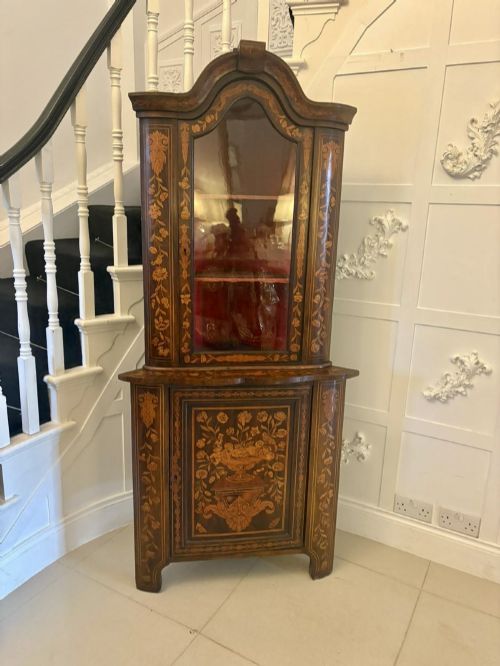
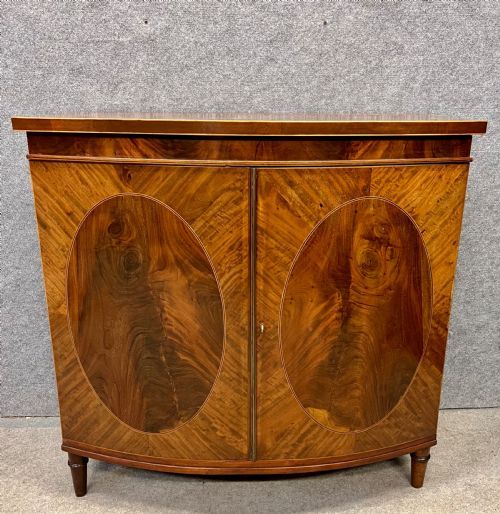
When you search for an inlaid wood cabinet, you enter a world of finely figured timbers ornamented with contrasting botanical veneers.
Inlaid Wood Cabinet
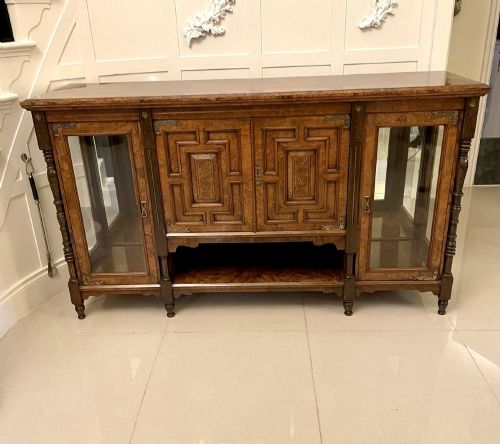
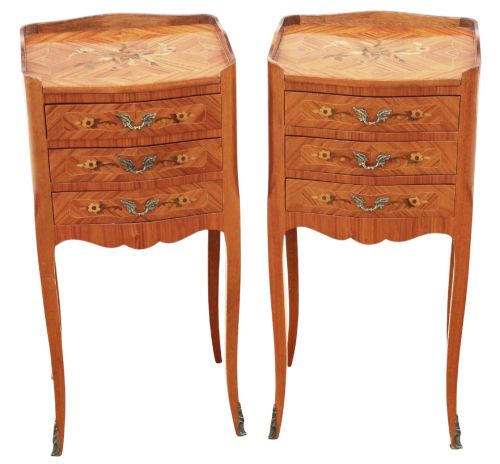
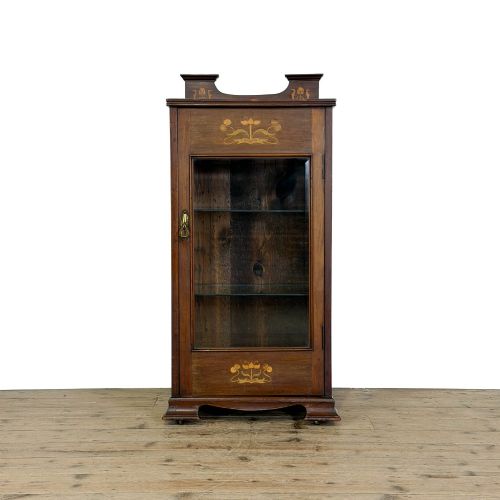
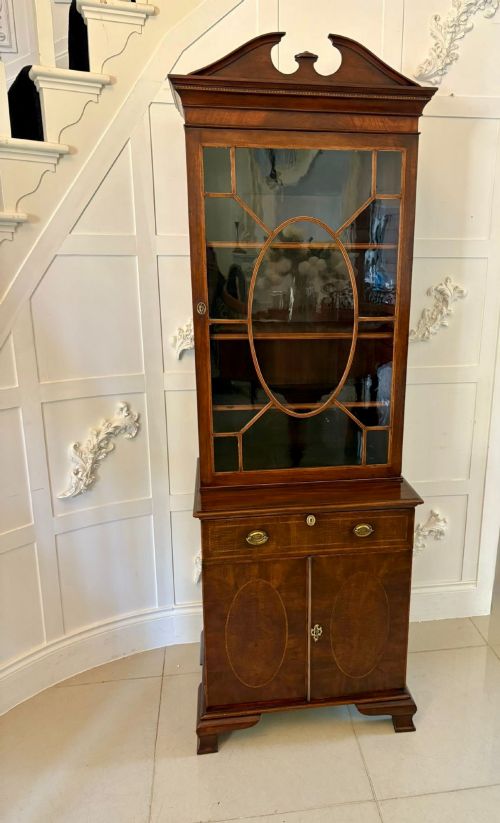
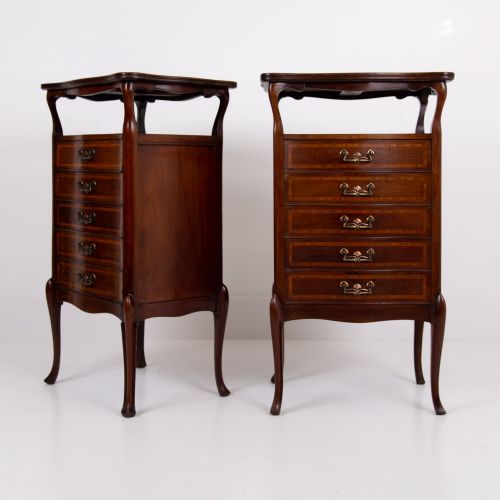
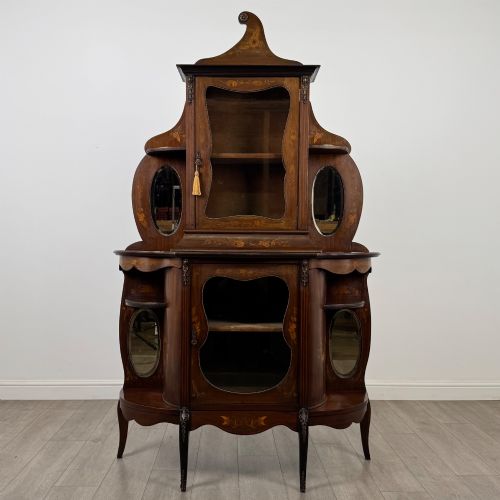
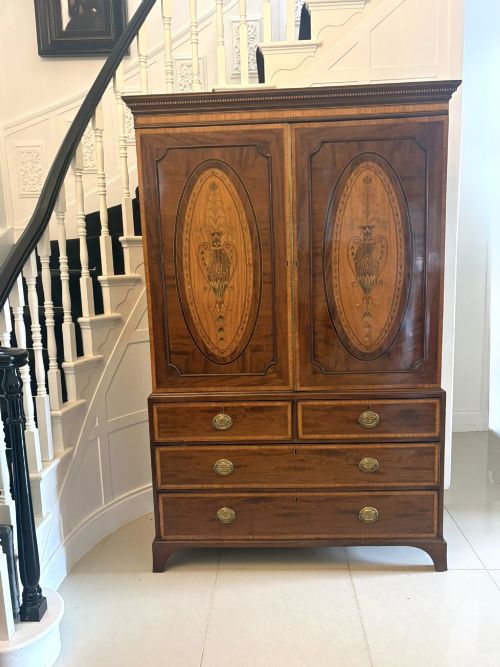
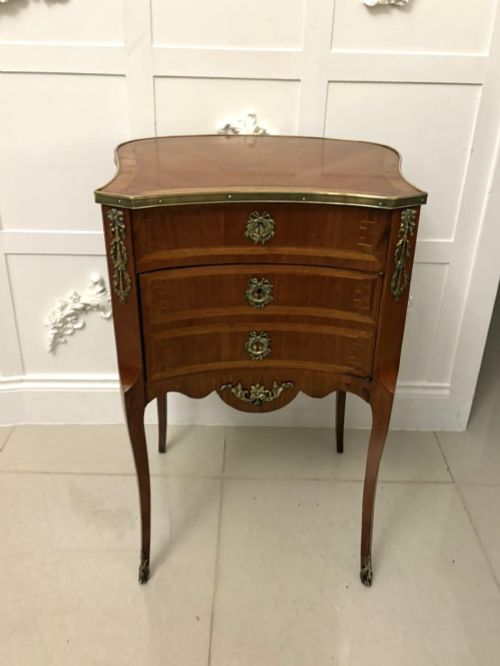
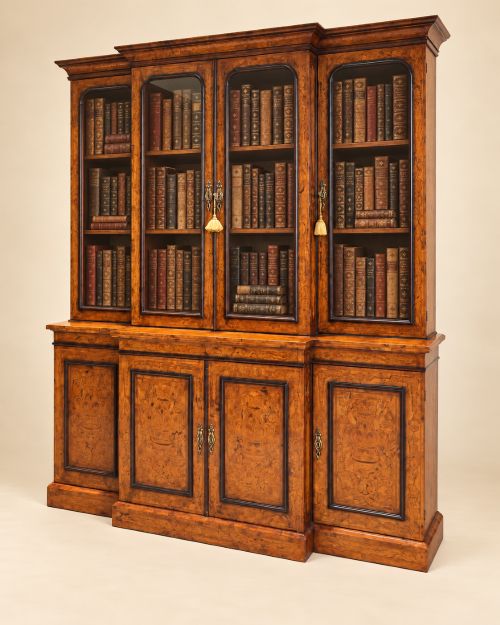
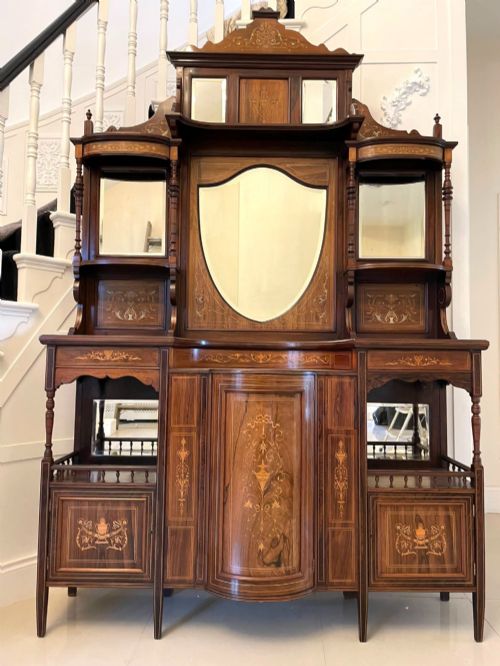
An inlaid wood cabinet encompasses a diverse group of storage furniture, ranging from tall display cases and bookcases to compact bedside tables and corner cupboards. These pieces bridge utilitarian storage and decorative arts, serving as focal points within period interiors.
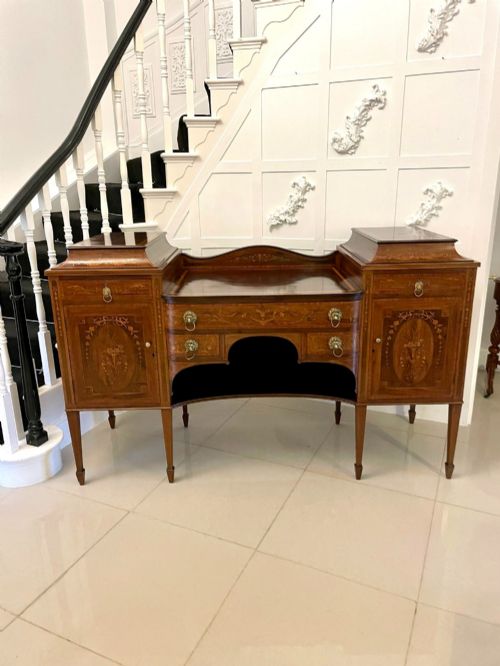
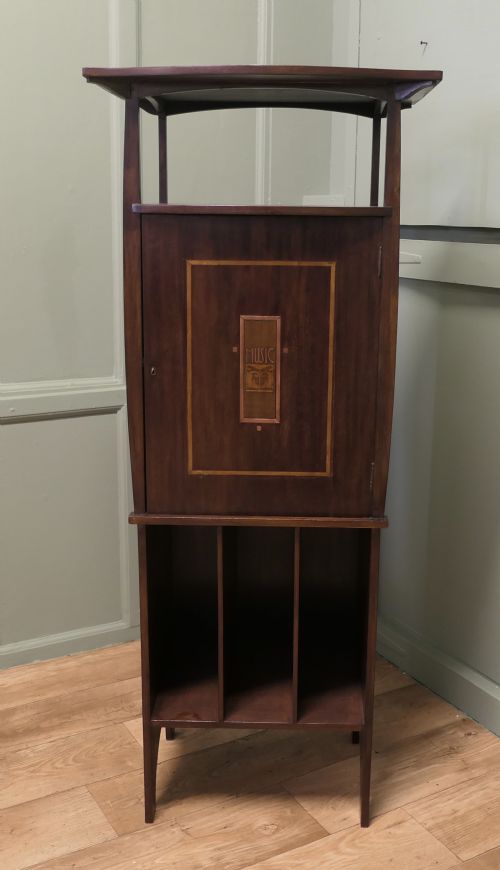
The selection reflects significant representation from the Victorian and Edwardian eras, alongside pieces originating in the Georgian, Regency, and eighteenth centuries. Alongside standard upright cabinets, buyers regularly encounter sideboards, chiffoniers, and specialised music cabinets.
Continental examples, notably French Louis XV style pieces and Dutch marquetry works, appear alongside British craftsmanship. This mix provides varied proportions and decorative motifs suited to both traditional rooms and contemporary settings.
Materials and construction
Cabinet makers relied primarily on foundational carcases of mahogany, walnut, and rosewood, chosen for their dense grain and structural stability. These primary timbers frequently received contrasting details in satinwood, boxwood, and brass.
Surface ornamentation relied on marquetry and inlaid banding, where skilled artisans cut precise sections of lighter wood to form floral, geometric, or scrolling patterns. The finished surfaces were then polished to highlight the natural variance of the timber.
Inlaid Wood Cabinet Retail Price Guide 2026
Typical asking prices for inlaid wood cabinet among the pieces listed under this phrase on Sellingantiques today, from the lower quarter to the upper quarter. They describe what is for sale here now, not the wider market.
Listings feature eighteenth-century pieces up to twentieth-century Edwardian and Art Deco works, utilising mahogany, rosewood, and walnut.
Assessing craftsmanship
Quality rests upon the precision of the inlay work and the selection of the primary timber veneers. Finer examples display tight, seamless joints where the contrasting wood meets the background ground, without visible filler or gaps.
The depth of figure in woods such as flame mahogany or figured walnut distinguishes standard utility furniture from high workshop output. Original brass hardware, smooth drawer action, and balanced proportions further elevate the standing of a piece.
Hewetsons London·GM Elwood for JS Henry·Collinson and Lock·Maple and Co·Edwards and Roberts
The Inlaid Wood Cabinet Glossary
- Marquetry
- A decorative technique applying pieces of veneer to a structure to form pictorial or geometric designs. Artisans cut these contrasting woods together to ensure a tight fit.
- Satinwood
- A durable, lustrous timber native to India and the West Indies, prized for its golden yellow colour and reflective grain. It frequently forms the contrasting panels on darker mahogany furniture.
- Boxwood
- A dense, pale yellow wood utilised extensively for delicate stringing and linear inlay work. Its fine grain permits precise cutting for narrow borders.
- Chiffonier
- A low sideboard or cabinet developed in the nineteenth century, typically featuring shelves or a raised back. These items combined display space with enclosed lower storage.
- Serpentine
- A curved furniture front characterised by a convex centre flanked by concave ends. This shape requires advanced carpentry skills to construct and veneer accurately.
Inlaid Wood Cabinet: Frequently Asked Questions
Where were these cabinets placed?
These pieces served diverse roles throughout historic homes, functioning as display units in formal parlours, bedside storage in private chambers, or serving surfaces in dining spaces.
Larger bookcases and linen presses populated libraries and bedrooms, while corner cupboards utilised neglected architectural angles to maximise floor space.
How do I care for inlaid wood?
Maintenance requires stable indoor humidity and protection from direct sunlight, which can fade delicate satinwood and rosewood veneers over time.
Regular application of a traditional beeswax polish nourishes the timber and preserves the sheen without building up synthetic residues on the surface.
How do I date an inlaid cabinet?
Dating relies on observing structural secondary woods, cabinet hardware styles, and the prevailing decorative vocabulary of periods like the Georgian or Edwardian eras.
Construction methods inside drawers, such as hand-cut dovetailing, provide reliable indicators of age before mass production standardised manufacturing.
What is the difference between inlay and marquetry?
Inlay involves embedding pieces of wood or metal into a solid carved cavity within the primary timber, typically creating linear patterns or stringing.
Marquetry assembles an entire decorative veneer picture across the surface from multiple wood veneers before applying it to the carcase as a single sheet.