
Inlaid Small Cabinet
When searching for an inlaid small cabinet, collectors find compact furniture pieces designed for storage or display, ornamented with contrasting woods or metal.
Inlaid Small Cabinet
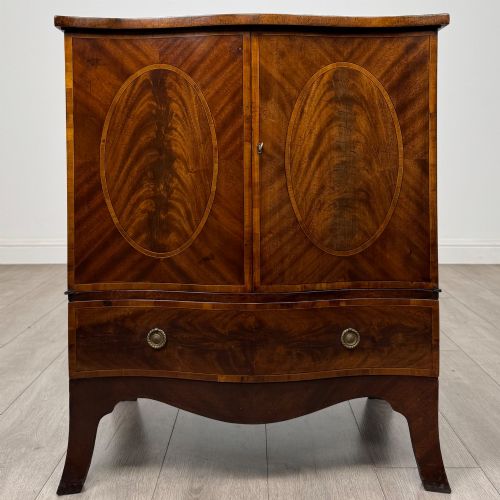
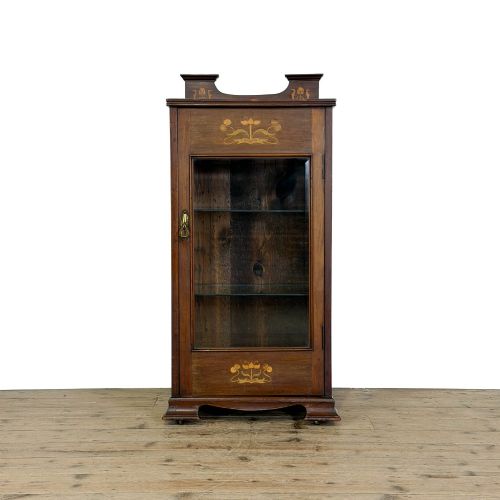
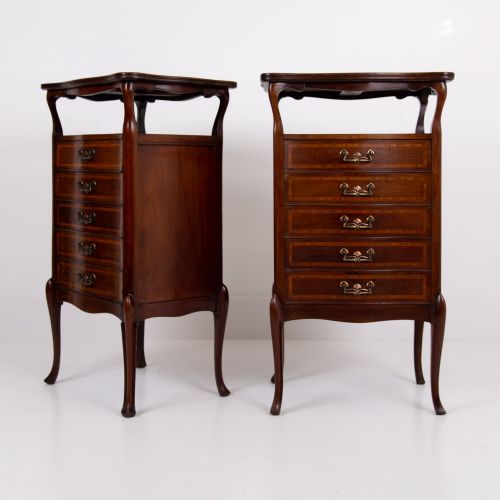
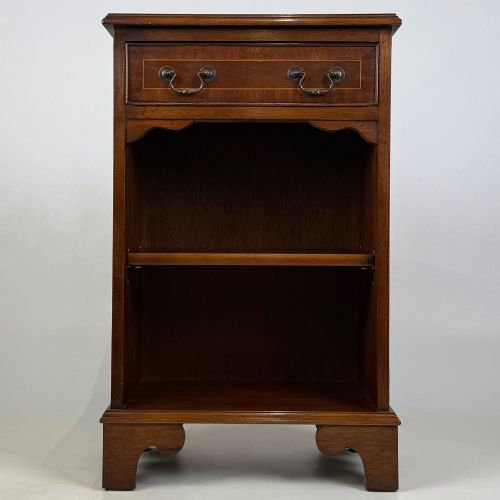
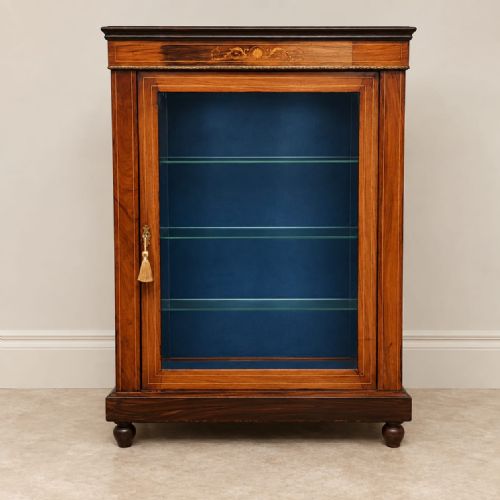
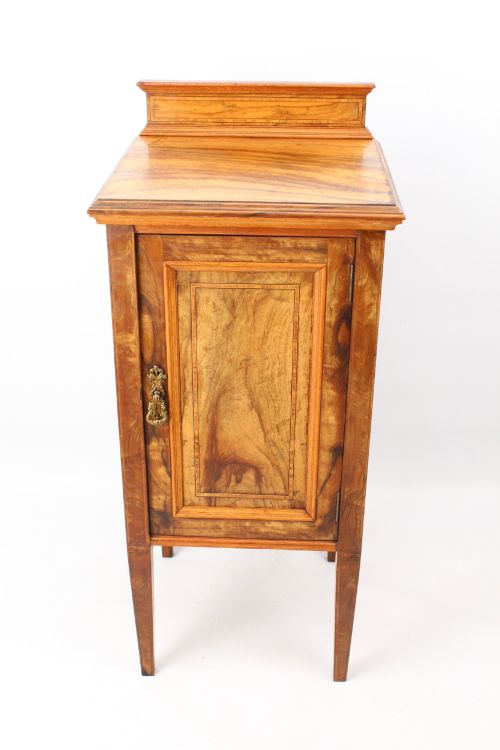
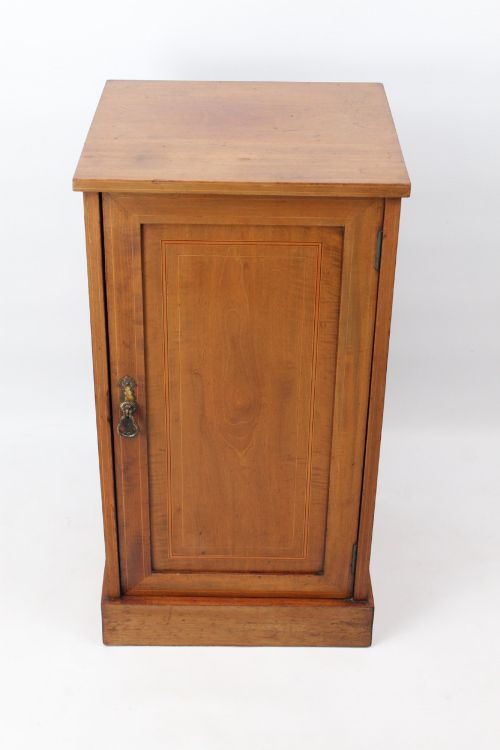
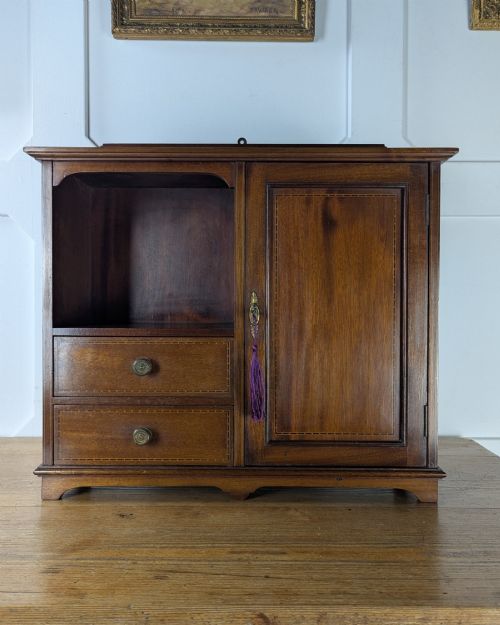
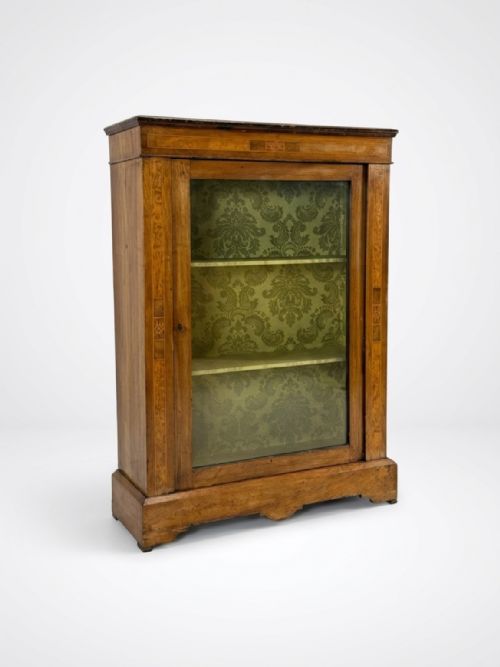
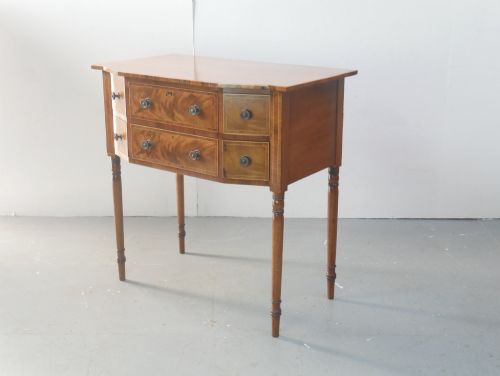
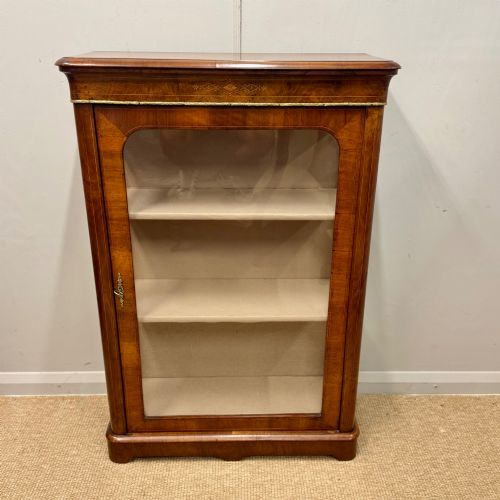
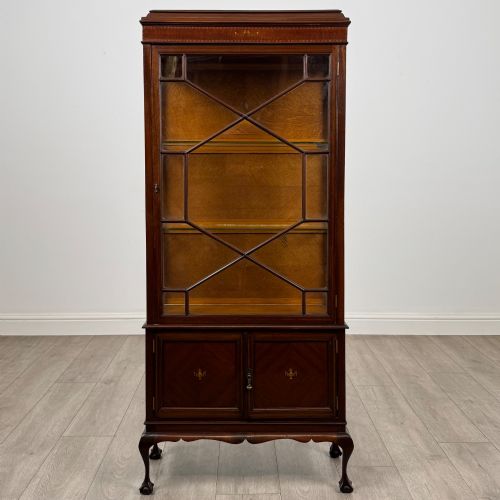
An inlaid small cabinet encompasses diverse compact forms such as bedside cupboards, pier cabinets, tabletop display cases, and narrow bookcases originating from the eighteenth, nineteenth, and early twentieth centuries. These pieces appear frequently in Edwardian mahogany and Victorian walnut iterations, often featuring glass panels, glazed doors, or single drawers suited for modest domestic spaces.
Makers designed these scaled-down pieces to function as bedside nightstands, corner display units, or refined side tables in formal rooms. The survivals span Georgian, Regency, and Edwardian aesthetic movements, demonstrating how cabinetmakers adapted larger storage typologies into intimate, decorative items.
The frequent appearance of Edwardian mahogany models alongside Victorian walnut pier cabinets reflects the enduring appeal of compact, ornamented furniture. Buyers encounter variations ranging from satinwood-banded corner cupboards to brass-accented campaign specimens.
Materials and Construction
Makers constructed these cabinets using dense primary timbers like mahogany, walnut, and rosewood, frequently applying finer veneers of satinwood, harewood, and burr walnut to visible surfaces. Carcasses often incorporated secondary woods such as oak or pine, joined with traditional dovetailing on drawer linings.
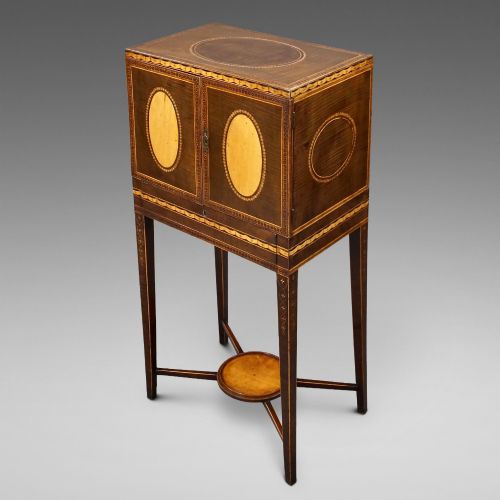
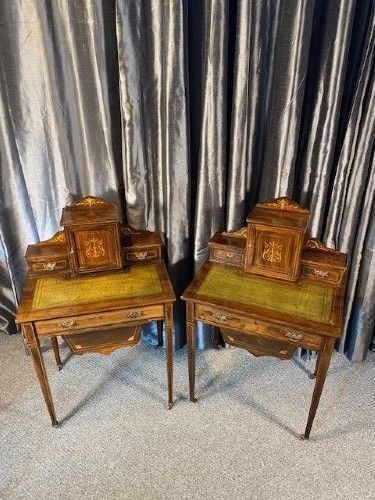
Decoration relied heavily on contrasting inlay and marquetry, utilising boxwood, ebony, and brass strings to create geometric borders, floral motifs, or neoclassical urns. Artisans embedded these decorative elements directly into recessed channels within the primary timber surface before polishing and finishing.
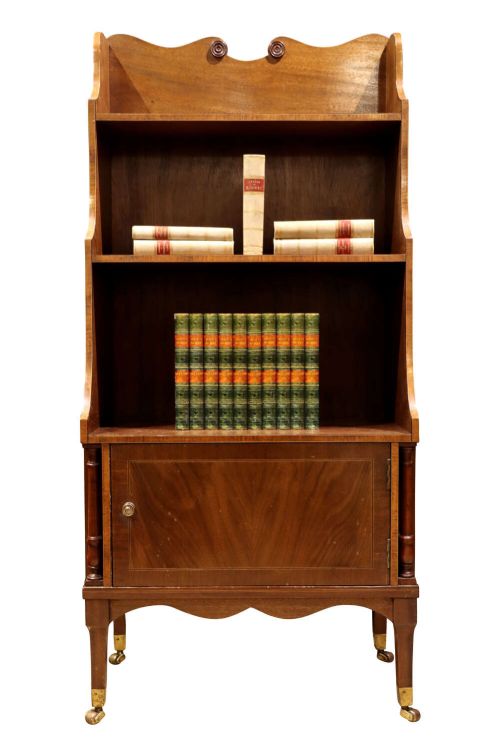
The archive records specialised forms including smoker's cupboards, waterfall bookcases, campaign chests, and revolving bedside tables.
Craftsmanship and Proportion
Quality reveals itself in the precision of the cabinet's joinery and the crispness of the inlay work, where superior examples exhibit seamless joints and tightly fitted contrasting veneers without visible gaps. The selection of timber also dictates grade, with highly figured flame mahogany, burr walnut, or carefully chosen satinwood commanding greater regard than plain domestic alternatives.
Proportion and hardware further separate standard production from exceptional examples, as finer pieces integrate original brass handles, delicate castors, and well-balanced doors that hang true. The complexity of the marquetry design and the depth of the hand-applied polish contribute significantly to the overall presence of the piece.
Edwards and Roberts
The Inlaid Small Cabinet Glossary
- Marquetry
- The art of forming decorative patterns by fitting together small pieces of veneer into a wooden background. This technique allowed cabinetmakers to create elaborate floral or pictorial designs across doors and top panels.
- Pier Cabinet
- A narrow display or storage unit traditionally built to stand against the wall space between windows. These pieces often incorporated glass doors and delicate inlay suited to Victorian drawing rooms.
- Satinwood
- A luminous hardwood yielding a pale yellow or golden sheen, frequently utilised for banding and inlaid details during the eighteenth and Edwardian eras. Its reflective quality added bright contrast against darker primary timbers.
- Serpentine
- A curved furniture front characterised by a convex centre flanked by concave ends, or vice versa. This undulating shape required advanced woodworking skill to execute properly.
- Ormolu
- Gilt bronze mountings applied to furniture for decorative enrichment, common on French-influenced nineteenth-century cabinets. These metal accents frame panels and highlight architectural corners.
Inlaid Small Cabinet: Frequently Asked Questions
What rooms suit an inlaid small cabinet?
These compact pieces adapt readily to bedrooms as bedside tables, or to living areas and hallways as display points for small collections. Their modest footprint allows them to occupy tight wall spaces where larger furniture would overwhelm the room.
Because many examples feature glass doors or fitted interior shelves, they also function effectively for organising books, ceramics, or personal curiosities without cluttering the floor plan.
How do I care for antique wood surfaces?
Maintenance requires keeping timber away from direct sunlight and sudden temperature shifts, which can dry out old veneers and cause cracking. Regular dusting with a soft, dry cloth preserves the polished finish.
Avoid using modern silicone sprays or household polishes, as these build up harmful residues over time. A traditional wax application applied sparingly helps maintain the natural lustre of the wood.
How can I tell Edwardian from Victorian cabinets?
Victorian pieces often rely on denser, darker timbers such as rosewood and heavy walnut, frequently displaying robust proportions and rich, dark patination. Inlay on these works tends toward geometric banding or traditional classical motifs.
Edwardian items generally exhibit lighter mahogany frames, satinwood crossbanding, and a brighter, more refined aesthetic inspired by earlier Georgian revivals. The construction techniques also tend to be lighter in scale.
Were these cabinets used for storage or display?
Makers produced both enclosed cupboards intended for concealing personal items and glazed vitrines built to exhibit decorative objects. Many surviving forms combine both functions through upper display shelves and lower closed drawers.
Buyers should examine the interior depth and shelving configuration to determine whether a specific model served as a pot cupboard, a bookcase, or a curio cabinet.