


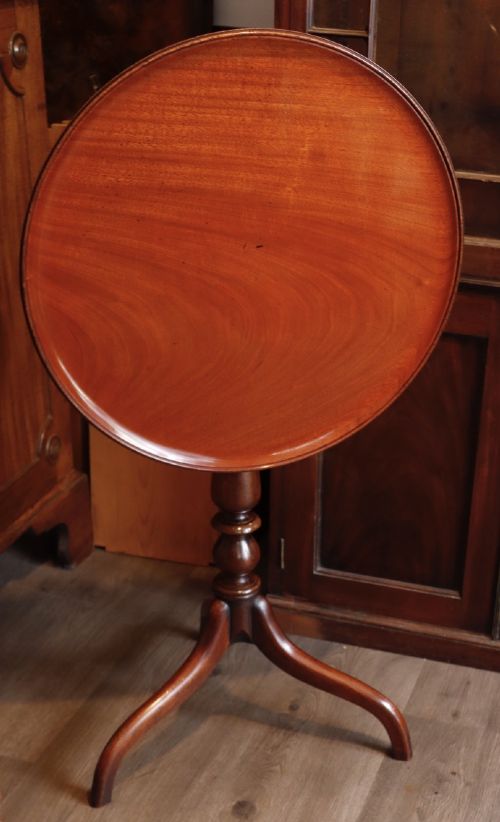
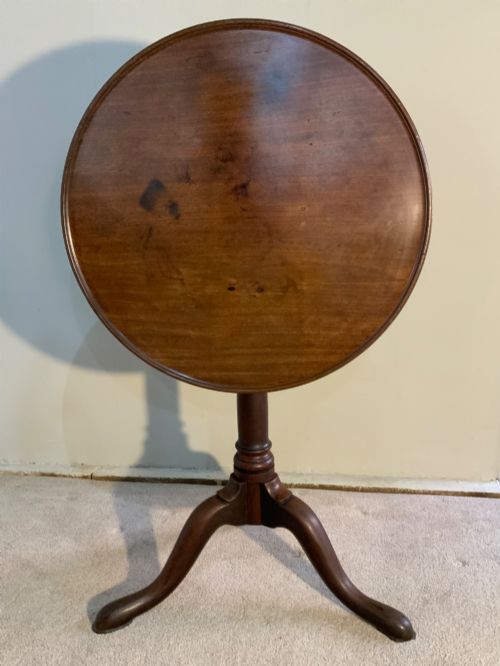
Georgian Cabriole Leg Stand
A georgian cabriole leg stand offers the distinct curves and elevated utility characteristic of eighteenth-century and revival furniture.
Georgian Cabriole Leg Stand
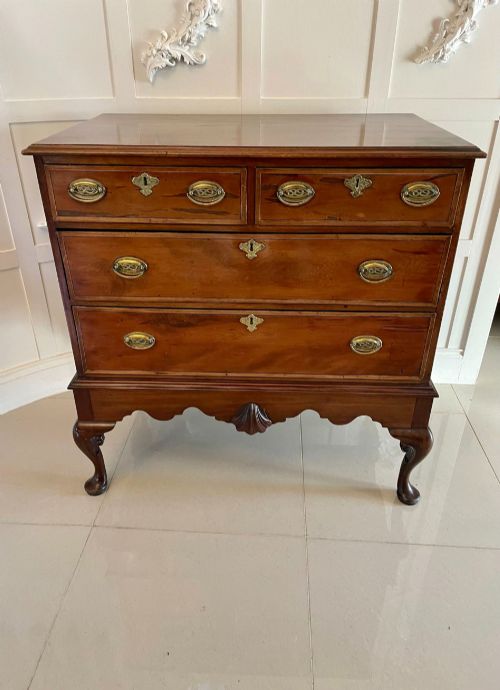
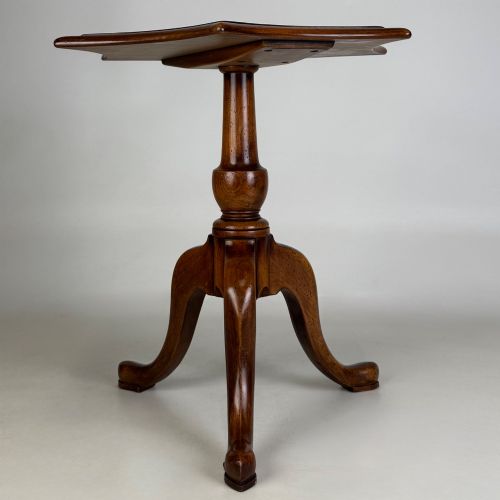
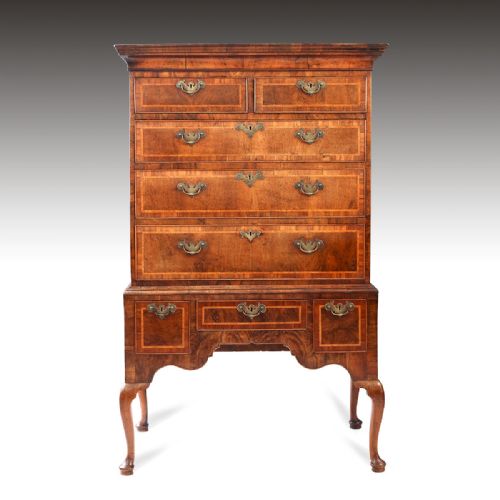
A georgian cabriole leg stand encompasses small tables, chests on stands, bureaux, and wine tables supported by curved legs. The items span the eighteenth century as well as later revival periods, incorporating styles from George II to Queen Anne.
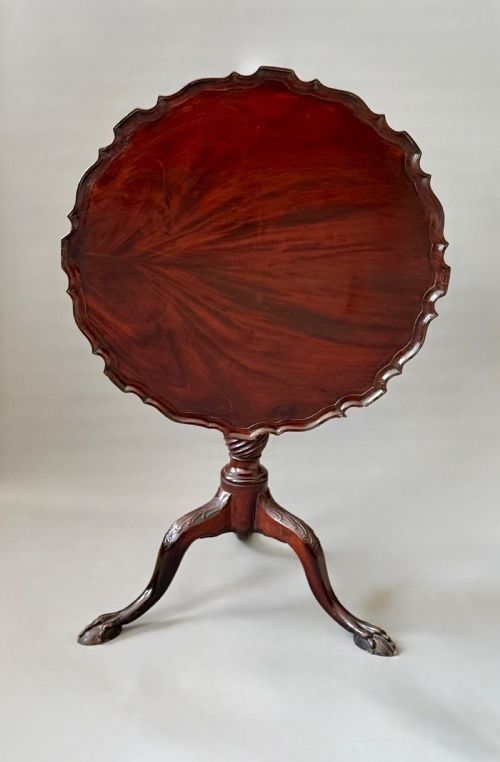
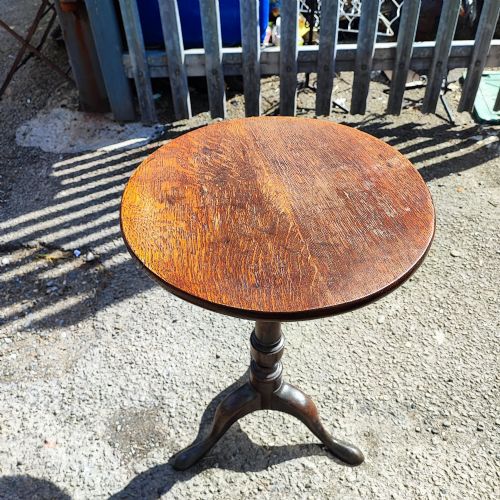
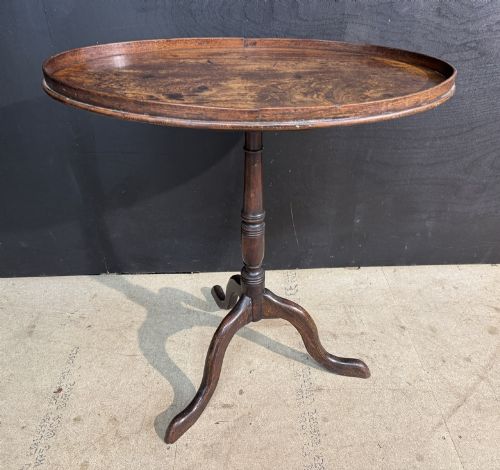
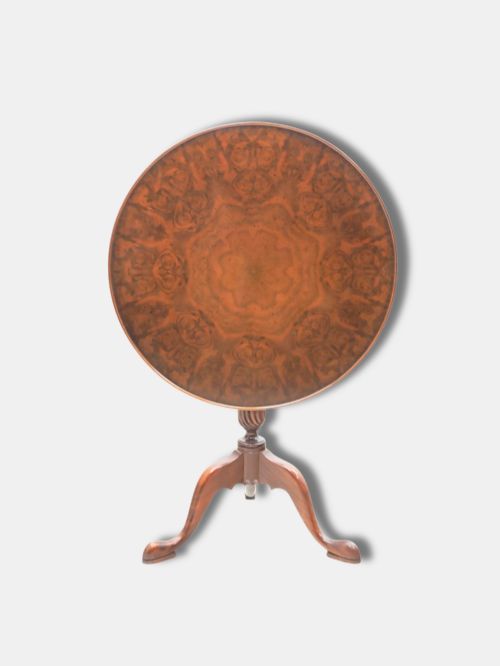
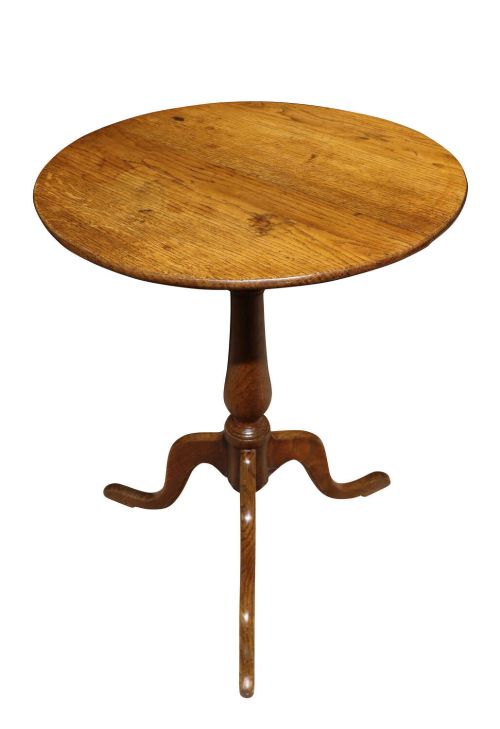
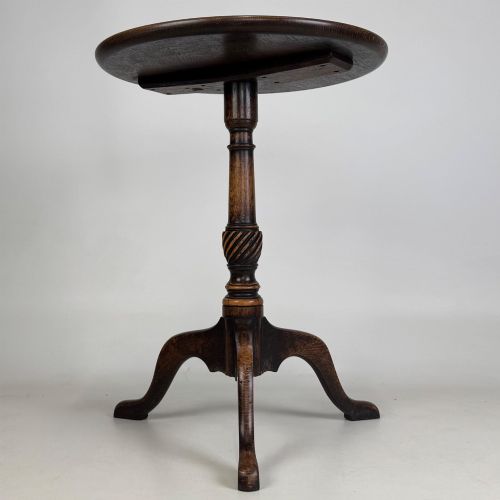
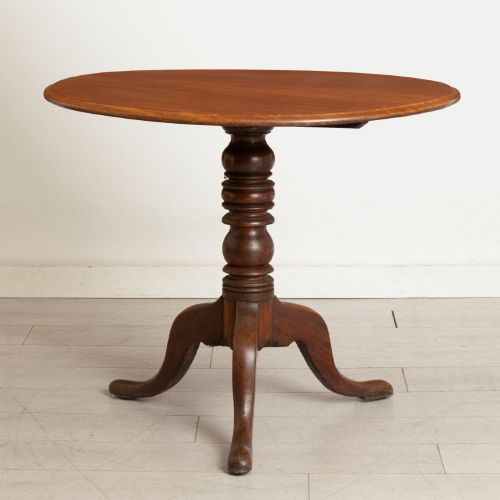
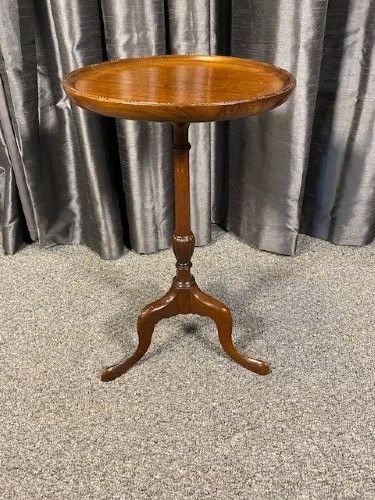
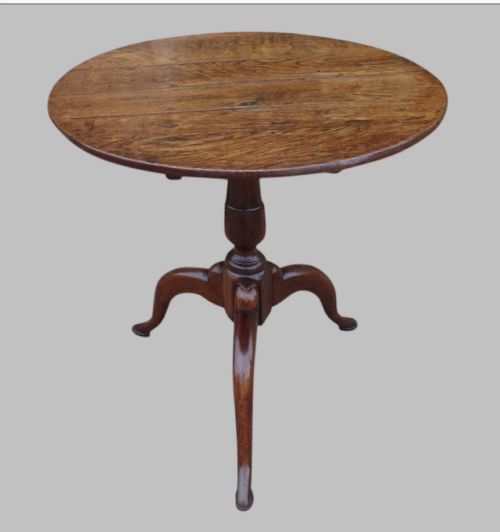
Buyers encounter tripod wine tables, tilt-top occasional tables, and walnut chests on stands most frequently on this page. These pieces often feature timber tops paired with three curved legs or integrated base supports.
How they were made
Cabinetmakers utilised solid timbers such as mahogany, oak, walnut, and fruitwood, occasionally applying burr walnut veneer for figured surfaces. Brass hardware and fittings appear on drawers and mechanisms where appropriate.
Construction techniques include tilt-top mechanisms, shaped pie crust rims, and tripod base configurations jointed to central pillars. Woodworkers shaped cabriole legs to flow smoothly into pad or claw-and-ball feet.
Listings span the eighteenth, nineteenth, and early twentieth centuries, featuring woods like mahogany, walnut, oak, fruitwood, yew, and elm alongside brass fittings.
What varies in quality
Quality rests upon the crispness of the carving on the cabriole legs and the selection of timber figure, particularly in burr walnut and mahogany examples. Superior pieces display harmonious proportions between the top surface and the supporting base.
Construction integrity distinguishes better examples, visible in the snug fit of tilt-top catches, the neatness of dovetails in drawers, and the retention of original brass or timber surfaces without excessive alteration.
The Georgian Cabriole Leg Stand Glossary
- Cabriole leg
- A furniture leg that bends outward in a convex curve at the top and inward in a concave curve below, ending in a pad or foot. This form derives from animal limbs and gained popularity during the early eighteenth century.
- Tripod table
- A small freestanding table supported by a central pillar resting on three legs. These tables often feature tops that tilt vertically for storage.
- Tilt-top
- A table mechanism allowing the top surface to pivot upright on a catch when not in use. This conserved floor space in period rooms.
- Pie crust rim
- A raised, decoratively carved edge on a circular table top resembling pastry work. This detail is frequently found on eighteenth-century tripod tables.
- Chest on stand
- A case piece featuring a set of drawers elevated on an independent frame with legs. Early examples in walnut display notable veneer work.
Georgian Cabriole Leg Stand: Frequently Asked Questions
What is a cabriole leg stand?
A cabriole leg stand is an elevated piece of furniture, such as a wine table, chest on stand, or occasional table, supported by curved legs.
These items range from compact eighteenth-century examples to later revival pieces created in the nineteenth and twentieth centuries.
How were tripod wine tables used?
Tripod wine tables served as portable surfaces for drinks, candles, or small personal items in eighteenth-century rooms.
Their light construction and tilting tops allowed them to be moved easily beside seating or set against walls when not needed.
How do I tell an 18th-century piece from a revival piece?
Identifying the period involves examining timber shrinkage, tool marks inside drawers, and the natural wear patterns on the feet and edges.
Revival pieces from the Edwardian era or the twentieth century often exhibit uniform machine finishing and different internal construction methods.
What woods were used for these stands?
Cabinetmakers primarily used mahogany and walnut, alongside oak, fruitwood, yew wood, and elm.
Many walnut examples feature decorative burr veneer surfaces, while mahogany was frequently selected for tripod and tilt-top tables.