


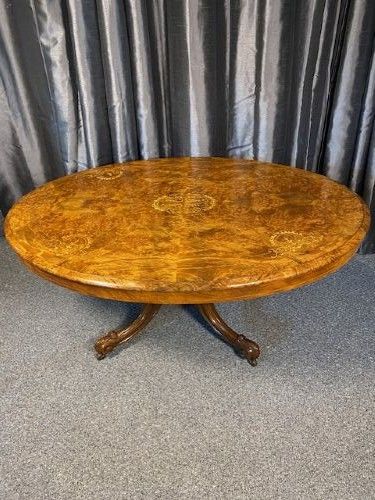
Inlaid Pedestal Table
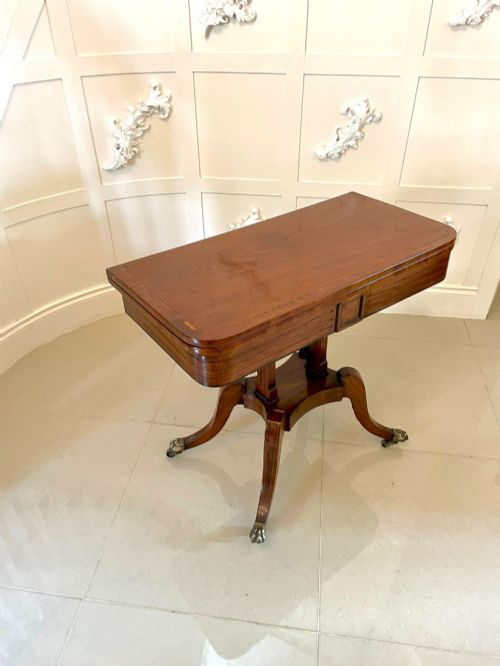
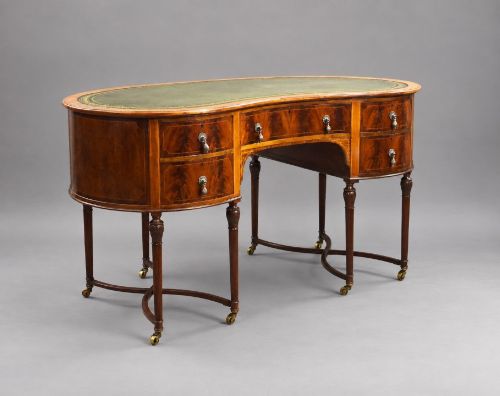
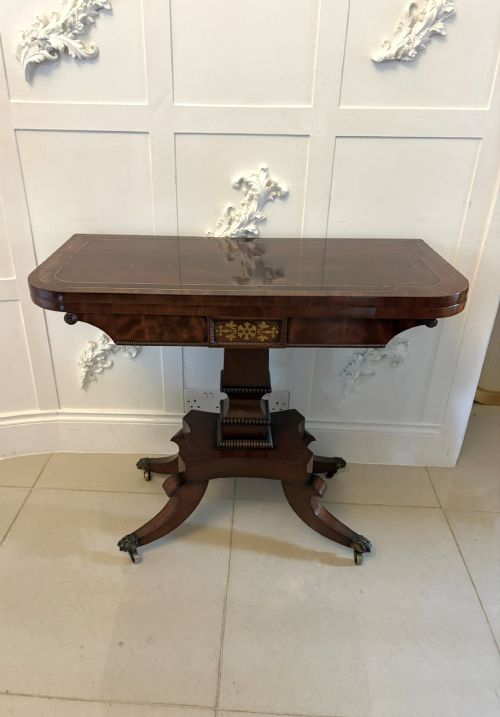
When you search for an inlaid pedestal table, you are looking at single-pillar occasional, card, and centre furniture decorated with contrasting timber and brass.
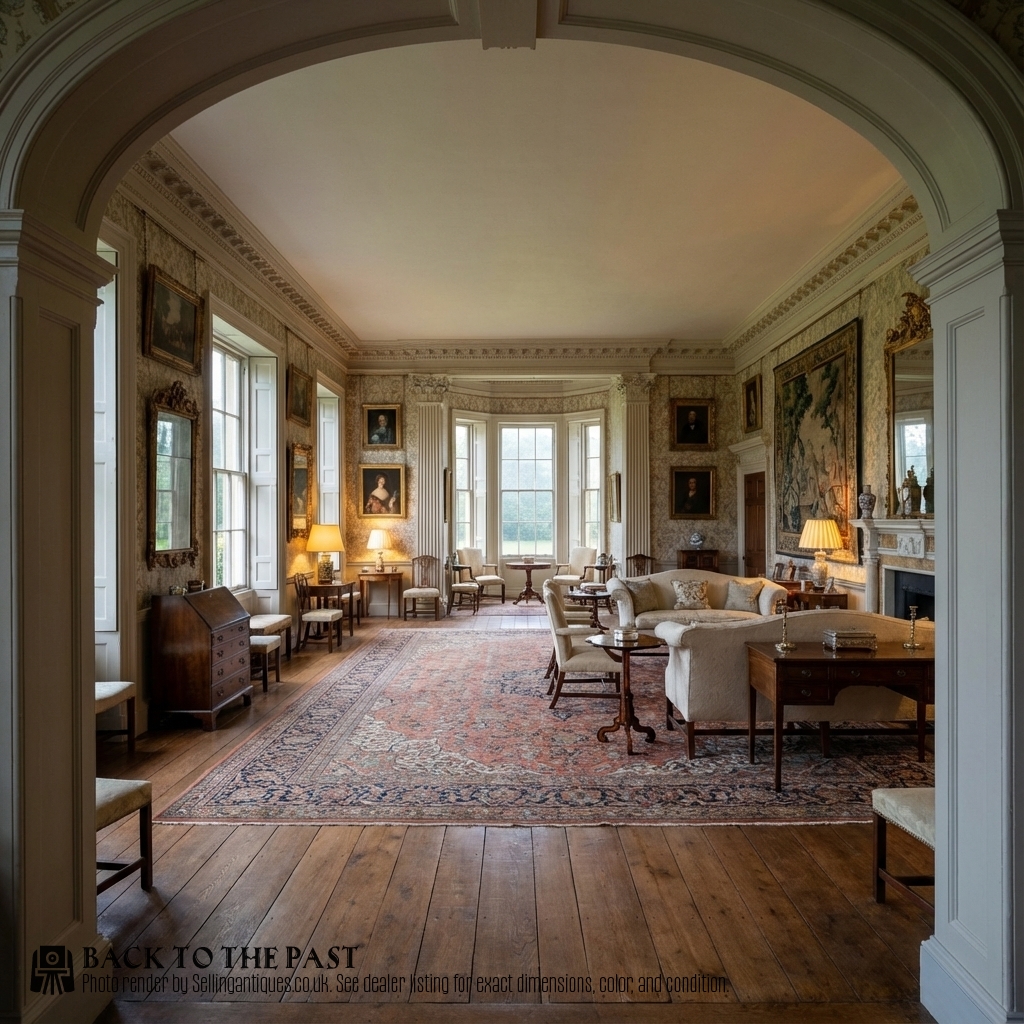
Inlaid Pedestal Table
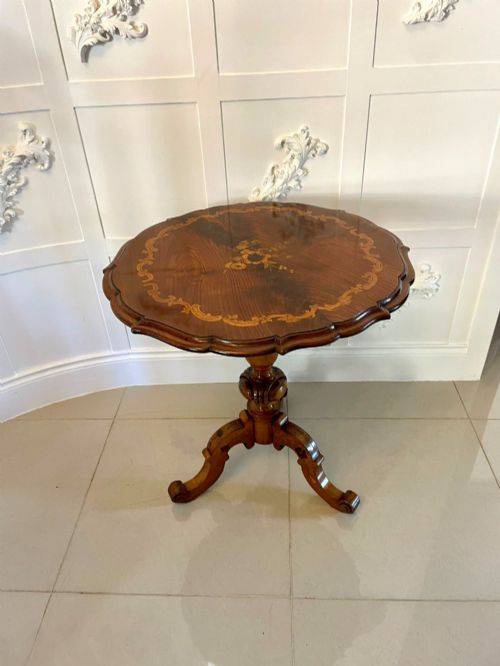
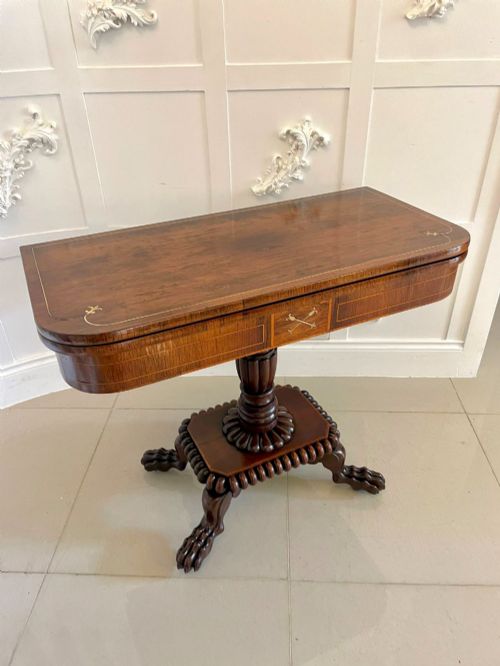
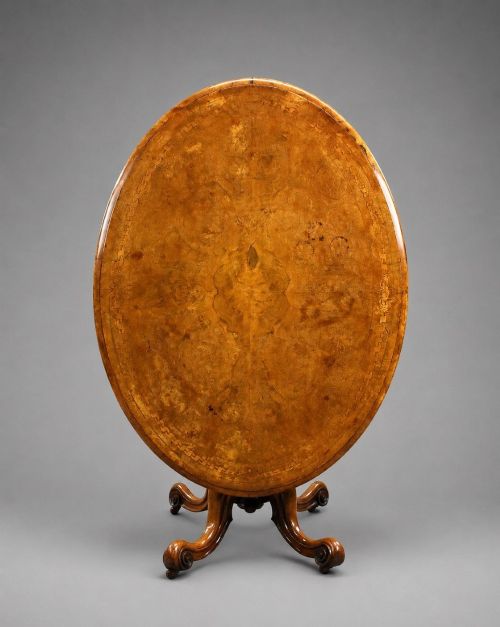
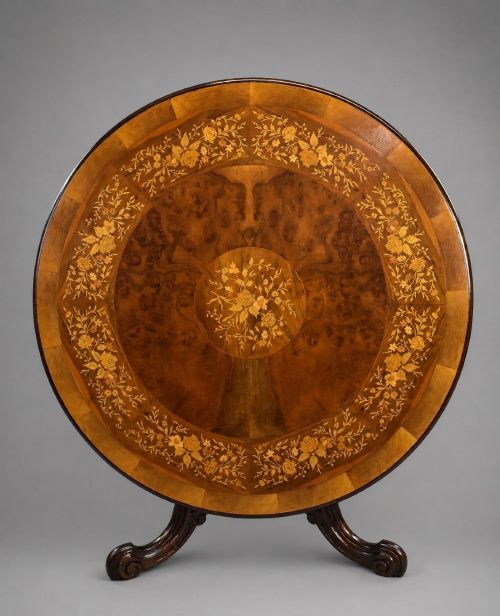
An inlaid pedestal table brings together a central column support and decorated surfaces, appearing frequently in Victorian burr walnut oval examples and Regency rosewood card tables. Buyers encounter occasional pieces, chess tables, and loo tables spanning the Georgian era through to the early twentieth century.
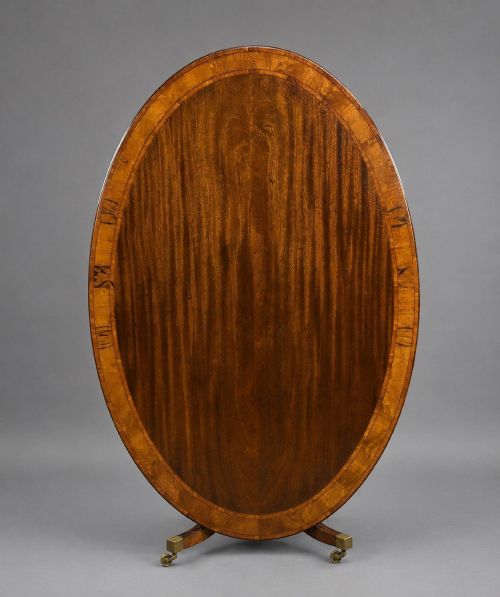
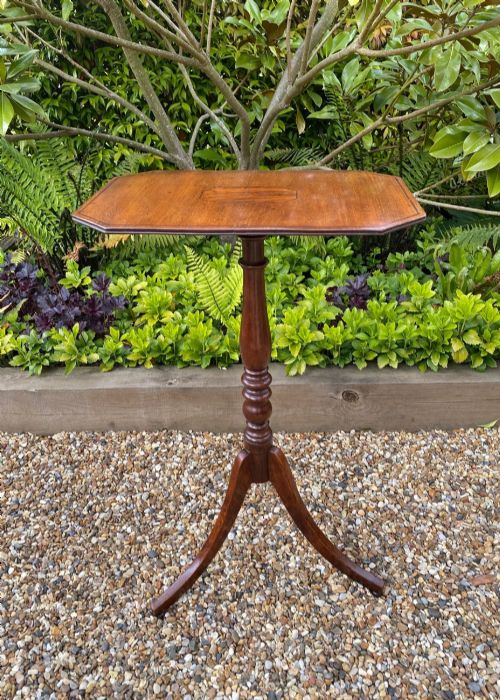
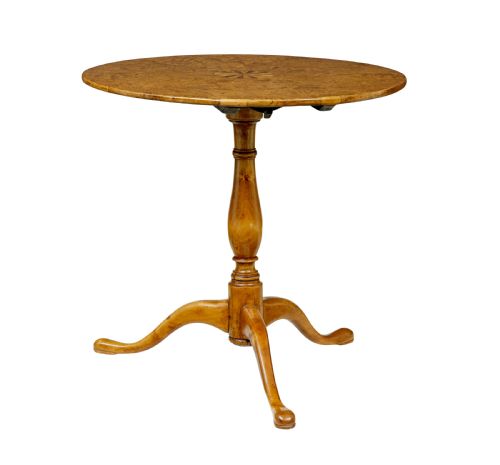
The selection ranges from tripod wine tables and occasional stands to larger dining and centre formats resting on carved pillars. Victorian walnut and mahogany versions dominate the available pieces, alongside Edwardian satinwood and earlier Regency designs.
Materials and construction
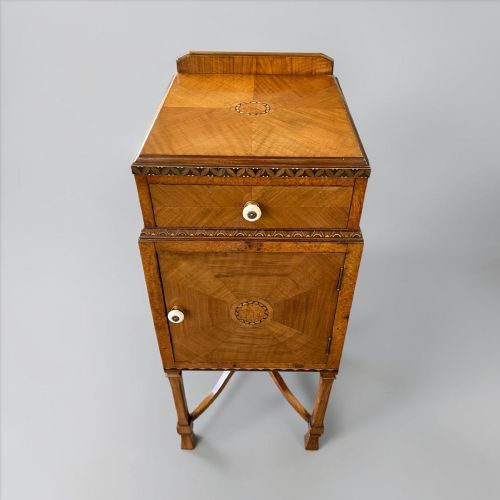
Cabinet makers utilised dense primary timbers such as mahogany, rosewood, and burr walnut, applying fine veneers over solid structural frames. Decorative motifs relied on contrasting inserts of satinwood, boxwood, and ebony, alongside brass stringing and mother of pearl.
The central pillar frequently stands upon a tripartite or quadruped carved base, sometimes featuring a tip-top mechanism for convenience. Surface ornamentation incorporates marquetry pictorial scenes and geometric bandings integrated directly into the timber top.
Listings feature pedestal tables spanning the Georgian, Victorian, and Edwardian periods, utilising mahogany, walnut, satinwood, and rosewood.
Judging the execution
Quality rests in the crispness of the timber selection and the precision of the inlay work, where superior pieces display seamless joins between contrasting woods. The depth of figure in burr walnut veneers and the intricacy of brass or satinwood bandings separate workshop standards.
Structural integrity of the central column and the stability of the pillar base dictate overall craftsmanship. Finer examples maintain original hardware and balanced proportions across the pedestal and tabletop.
George Bullock·Edwards and Roberts·Jackson and Graham·Walter Carter Harrods·JAS Shoolbred
The Inlaid Pedestal Table Glossary
- Pedestal
- A single central support column carrying a tabletop, resting upon a footed base. This form eliminates corner legs to allow greater seating freedom.
- Marquetry
- The art of forming decorative patterns using fitted pieces of wood veneer. Artisans arrange various coloured timbers to create pictorial or abstract designs.
- Stringing
- Thin lines of contrasting wood or brass inlaid into channels cut into the furniture surface. It forms delicate borders around table edges and drawer fronts.
- Tip-top
- A hinged tabletop mechanism allowing the surface to tilt vertically for storage. This construction appears frequently on nineteenth-century occasional and loo tables.
- Banding
- A narrow border strip of veneer applied around the perimeter of a tabletop. The grain runs perpendicular to the main surface timber to frame the design.
Inlaid Pedestal Table: Frequently Asked Questions
What is an inlaid pedestal table used for?
These tables served various domestic functions depending on their top configuration, acting as centrepieces for displaying lamps, surfaces for playing cards, or stands for wine and sewing materials.
Smaller tripod versions moved easily around nineteenth-century reception rooms, while larger oval formats accommodated dining and family gatherings.
How do I date a pedestal table?
Dating relies on identifying timber choices, structural forms, and the specific style of the inlay work, moving from Georgian mahogany through Victorian burr walnut to Edwardian satinwood.
Base designs also change across decades, transitioning from Regency brass-inlaid rosewood platforms to heavy carved Victorian pillar mounts.
How do I care for antique wood surfaces?
Maintenance involves keeping timber away from direct heat sources and strong sunlight to prevent the underlying veneers from drying and lifting.
Regular dusting with a dry cloth and occasional application of appropriate wax preserves the polish without harming the delicate boxwood or satinwood inlay.
What is the difference between marquetry and inlay?
Inlay involves inserting pieces of contrasting material into cavities carved directly into a solid wood or veneered surface.
Marquetry assembles entire pictorial or geometric veneer patterns on a backing sheet before applying the complete sheet to the furniture body.