
Round Mahogany Occasional Table
A round mahogany occasional table brings portable surface space and centuries of cabinet-making skill into a sitting room.
Round Mahogany Occasional Table
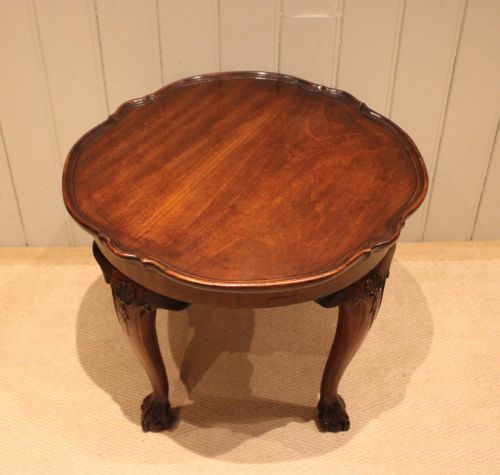
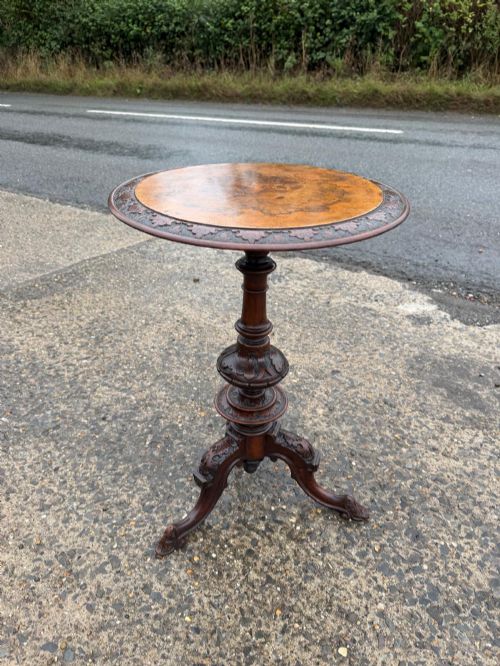
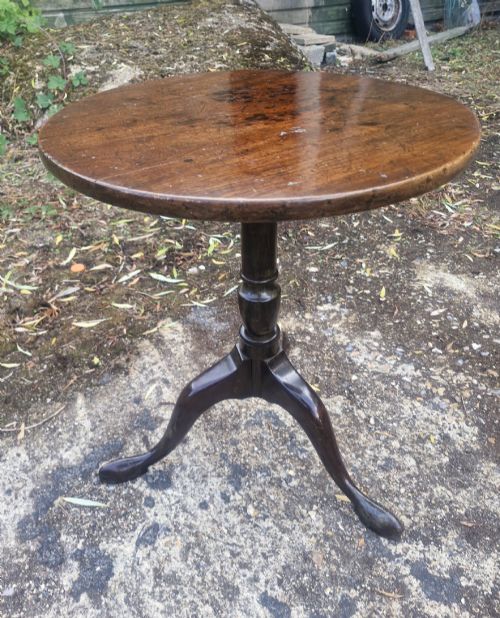
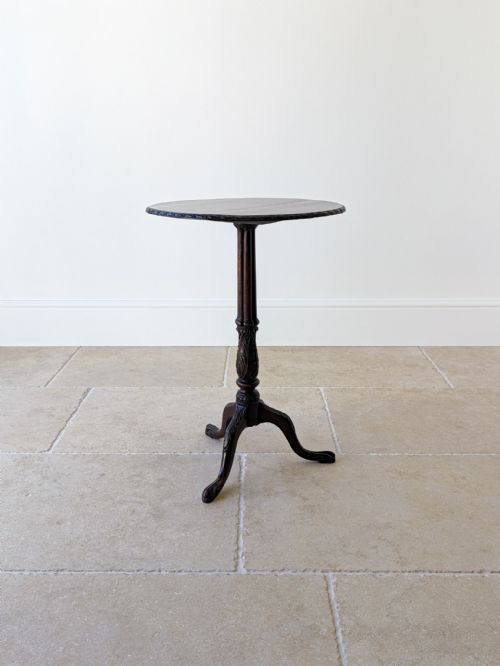
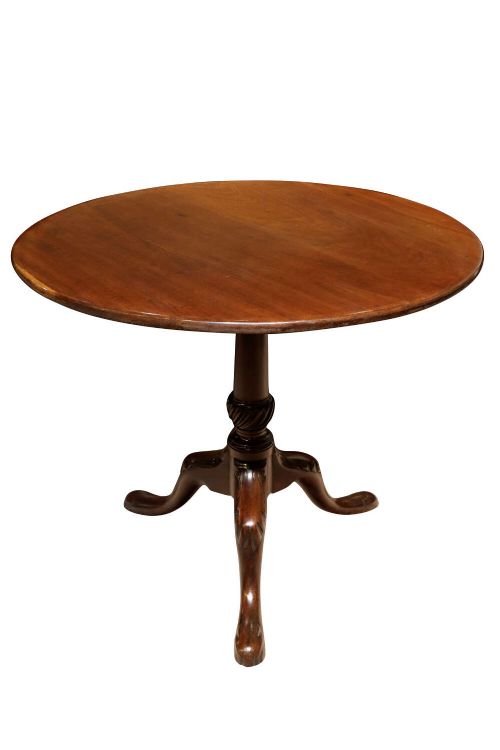
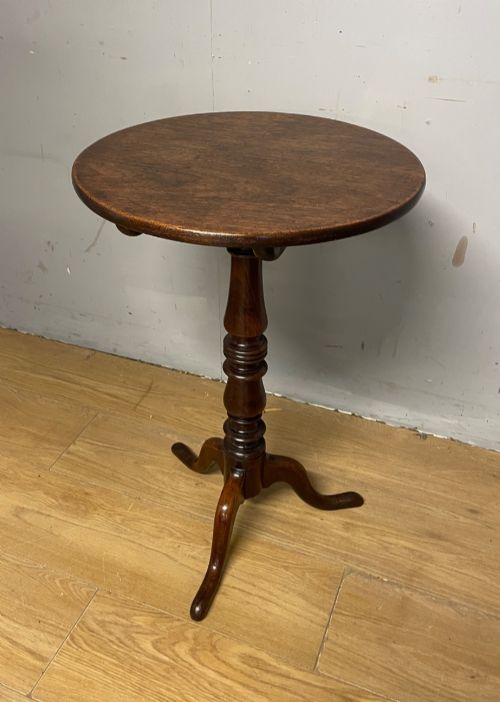
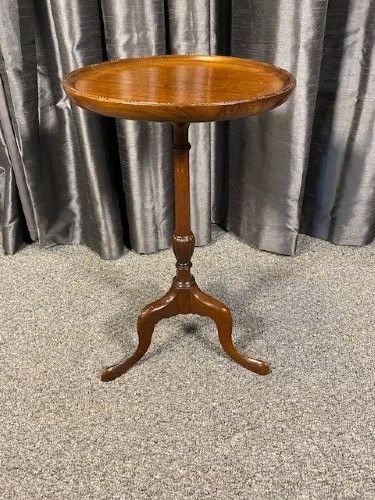
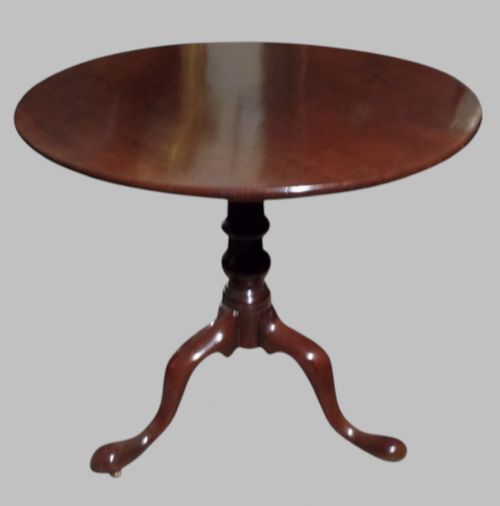
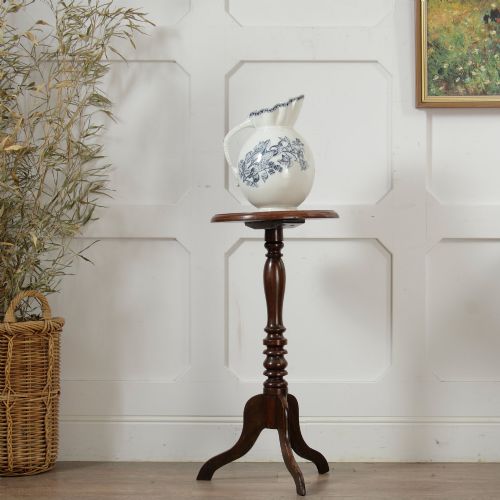
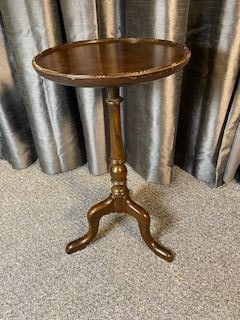
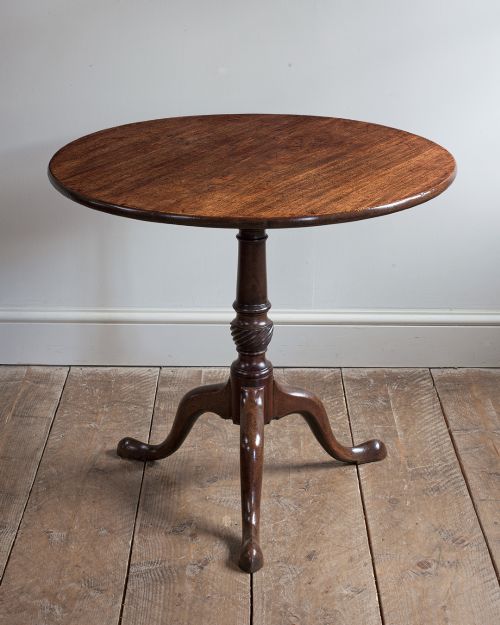
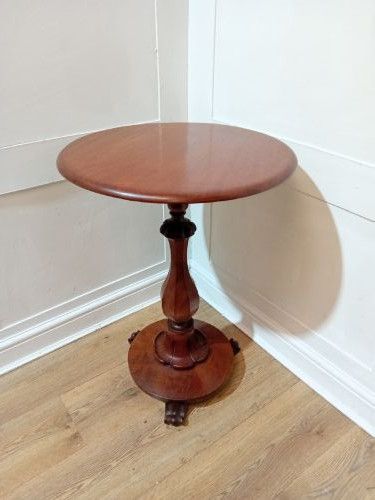
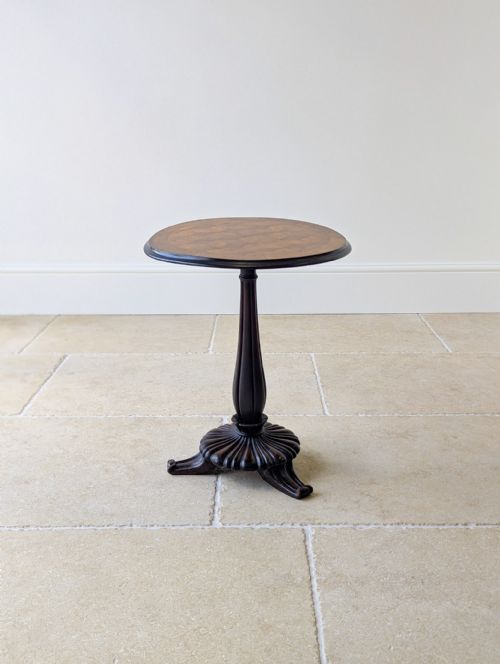
A round mahogany occasional table spans centuries of domestic furniture, appearing in forms from compact Georgian tripod wine tables to larger Victorian pedestal and centre pieces. The pieces listed now most frequently take the form of small circular tables designed for lamps, tea, or wine, supported by central pedestals or three-legged tripod bases.
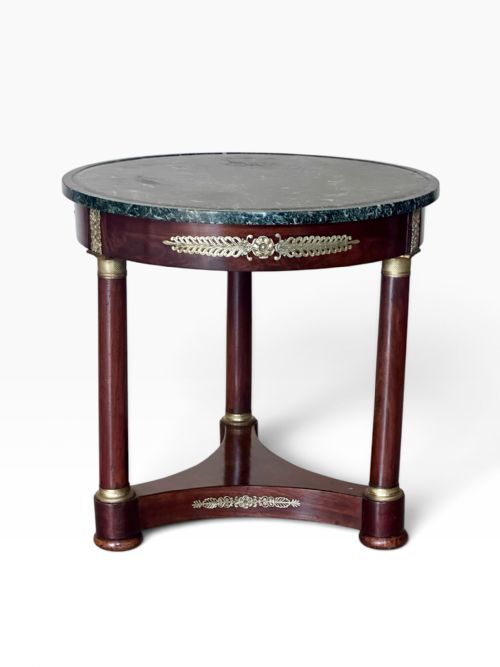
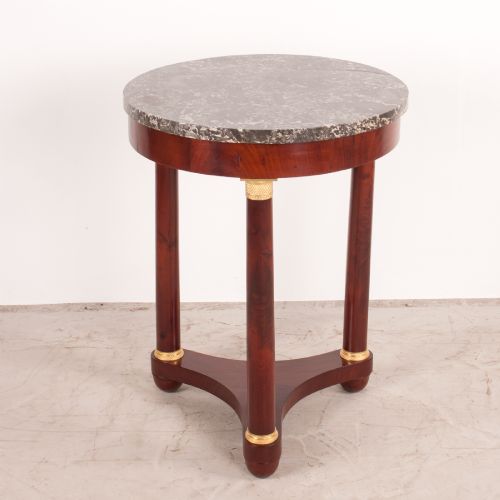
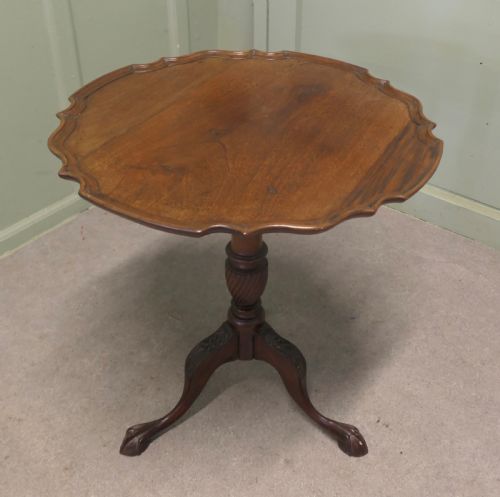
Makers and cabinet-makers across the Georgian, Victorian, and Edwardian periods utilised dense tropical hardwoods to construct these circular surfaces, sometimes incorporating tilt-top mechanisms or birdcage mountings. Buyers encounter variations ranging from plain circular tops to inlaid surfaces with satinwood or burr wood embellishments, spanning modest domestic items to French Empire gueridons.
How They Were Made
Carpenters constructed these pieces primarily from solid mahogany or utilised mahogany veneers over secondary timbers, occasionally pairing the dark wood with walnut, satinwood, or marble inserts. Tops were frequently turned on a lathe or hand-sawn to a circular profile, then mounted to central turned pillars supported by three splayed legs.
Advanced examples integrate tilt-top catches, brass castors, and intricate stringing or marquetry inlay across the circular surface. Structural stability relied on pegged tenon joints and sturdy birdcage mechanisms that allowed the tabletop to pivot and lock into position.
The archive demonstrates enduring popularity for tripod bases combined with circular tilt-tops and brass castors.
What Varies in Quality
The distinction between standard domestic items and finer examples rests on the selection of timber figures, such as flame mahogany or burr wood, and the crispness of the turned pillars. Superior pieces display harmonious proportions between the diameter of the circular top and the height of the tripod base, without clumsy repairs or mismatched grain patterns.
Hand-cut inlay, finely cast ormolu mounts, and robust tilt-top mechanisms without excessive wobble separate exceptional workshop production from utilitarian output. The integrity of the original polish and the tightness of the joinery dictate the overall standard of survival across nineteenth and early twentieth-century examples.
Waring and Gillow·Maples and Co
The Round Mahogany Occasional Table Glossary
- Tripod table
- A small freestanding table supported by a central pillar and three legs. This construction became standard for wine and occasional tables from the eighteenth century onward.
- Tilt-top
- A hinged tabletop mechanism that allows the circular surface to pivot vertically when not in use. This clever design saved valuable floor space in period drawing rooms.
- Birdcage
- A timber framework beneath the tabletop that permits the surface to both tilt and rotate. It represents a more complex and desirable engineering solution on eighteenth and nineteenth-century tripod tables.
- Gueridon
- A small French-style circular table supported by a single central column or caryatids. These are frequently found executed in mahogany with decorative brass or ormolu mounts.
- Marquetry
- The art of applying decorative pieces of veneer to a structural surface to form intricate pictures or patterns. It appears on the tops of refined Edwardian and late Victorian occasional tables.
Round Mahogany Occasional Table: Frequently Asked Questions
What is a round mahogany occasional table used for?
These versatile items served various domestic functions throughout the Georgian and Victorian eras, functioning primarily as wine tables, tea tables, or lamp stands. In modern interiors, they provide a convenient surface next to armchairs or sofas for drinks and lighting.
Because of their modest footprints, they fit easily into corners or beside reading chairs without overwhelming smaller rooms. Many examples feature tilt-top mechanisms, which originally allowed them to be stored flat against a wall when not in active use.
How do I tell a Georgian table from a Victorian one?
Georgian examples, dating through the eighteenth and early nineteenth centuries, often exhibit restrained elegance with clean lines, slender tripod legs, and occasionally birdcage actions. The timber is frequently rich Cuban mahogany with a deep, natural patina developed over generations.
Victorian pieces tend to be heavier in construction, sometimes incorporating elaborate carved pedestal bases, burr wood veneers, or inlaid stringing. Examining the turning style on the central pillar and the method of leg attachment helps clarify the likely period of manufacture.
Can I use a tilt-top table daily?
Using the tilting mechanism regularly is entirely practical provided the wooden catch and pivot block remain secure and free from excessive wear. Many owners keep them locked flat for holding lamps or decorative objects just like standard side tables.
When pivoting the top, support the weight gently to avoid stressing the historical hinge pivot or the junction where the pillar meets the tripod legs. Careful placement away from direct heat sources ensures the mahogany timber remains stable over time.
What does a gueridon table mean?
A gueridon is a French-origin term for a small circular freestanding table, typically supported by a central column rather than four corner legs. In mahogany, these pieces often reflect Regency or French Empire design influences with pronounced vertical proportions.
They bring a distinct continental silhouette to a room, frequently featuring polished timber tops and occasional brass or ormolu detailing. Their compact circular format makes them particularly effective as centre tables in hallways or intimate seating areas.