
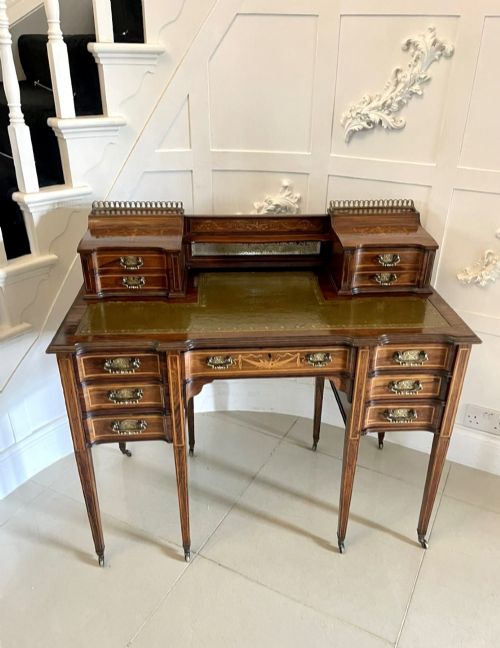
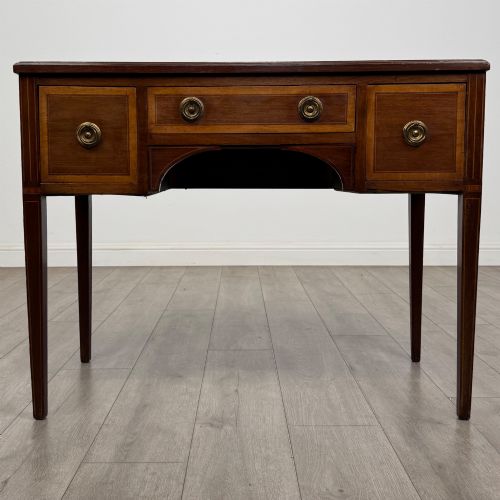
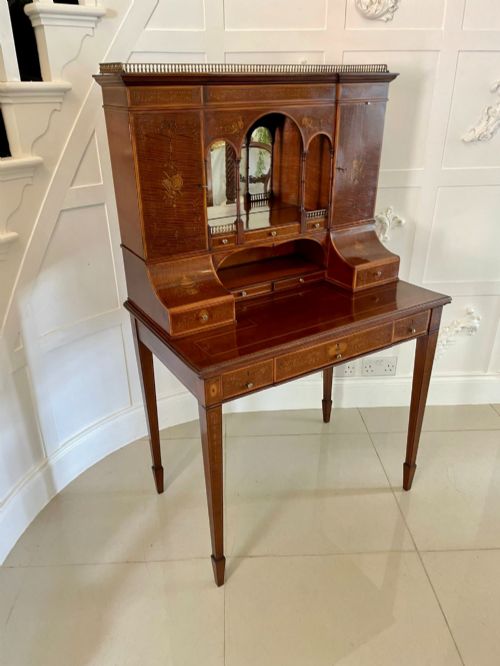
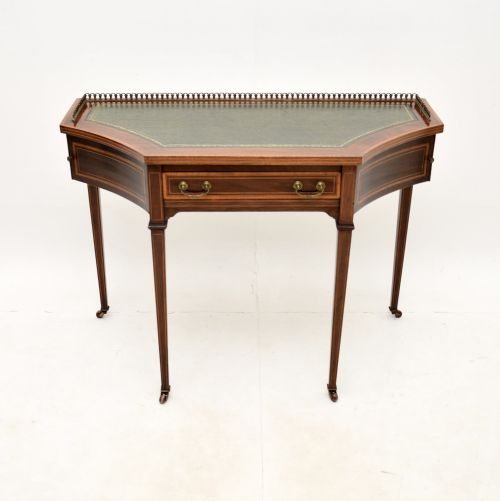
Inlaid Mahogany Writing Table
An inlaid mahogany writing table brings functional elegance to a study, combining durable timber with precise decorative detail.
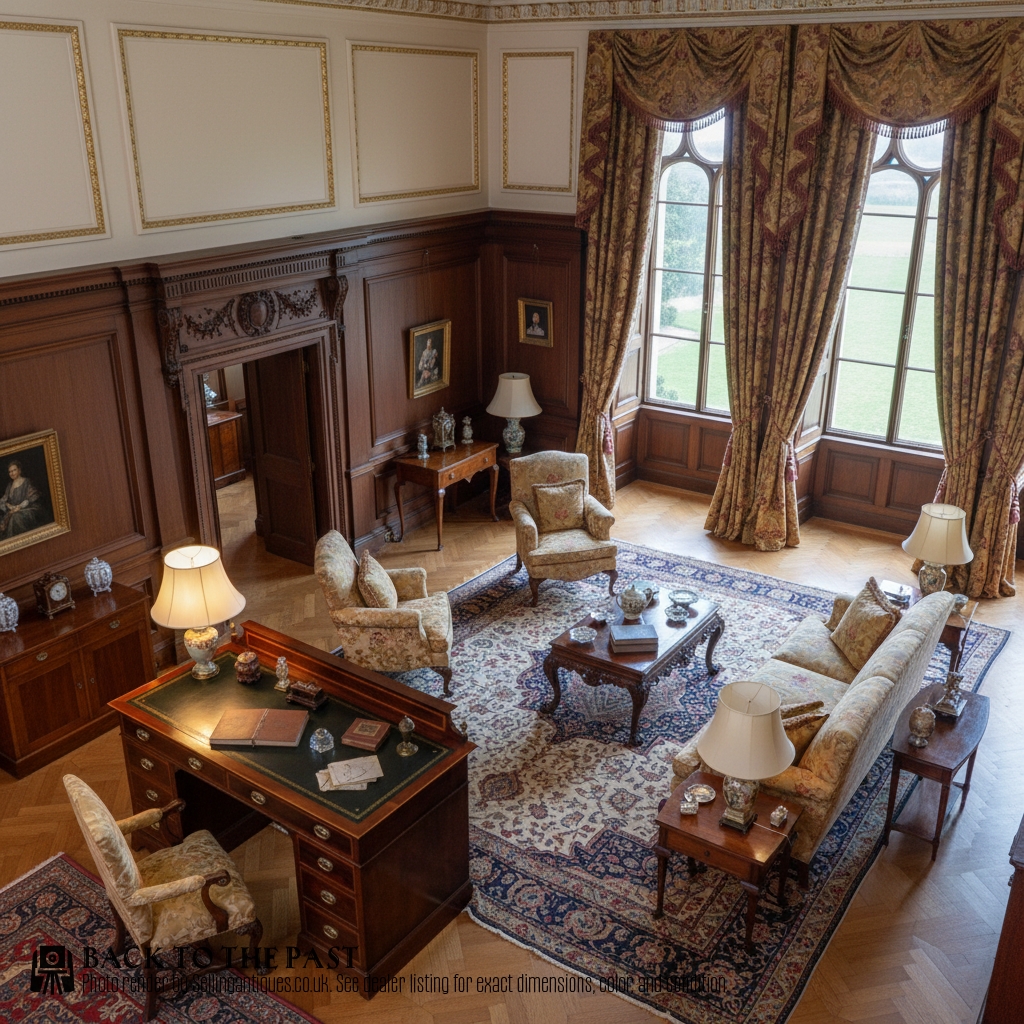
Inlaid Mahogany Writing Table
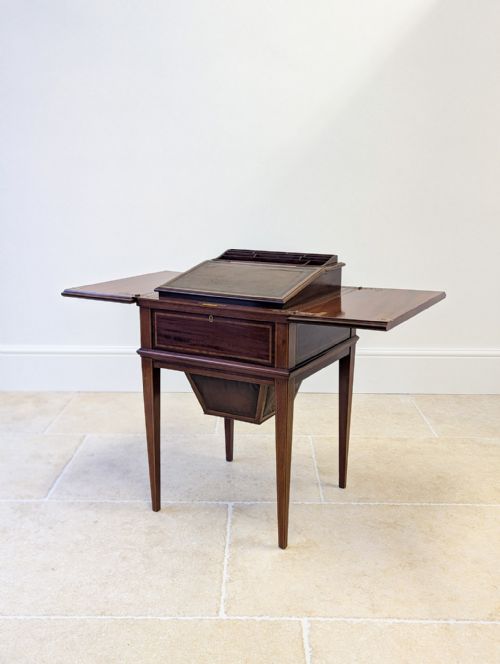
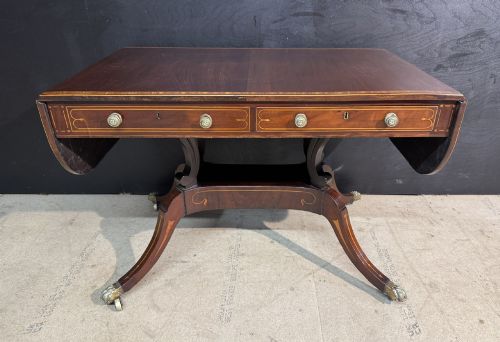
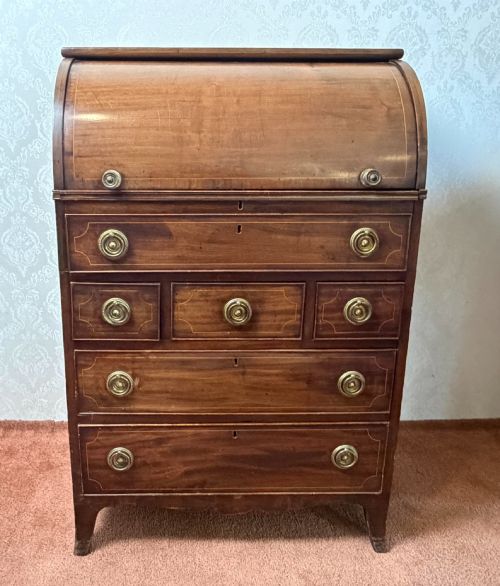
When searching for an inlaid mahogany writing table, buyers encounter a diverse range of forms spanning the Georgian, Regency, Victorian, and Edwardian periods.
Originating largely from British workshops of the eighteenth and nineteenth centuries, these pieces combine practical writing surfaces with refined decorative framing.
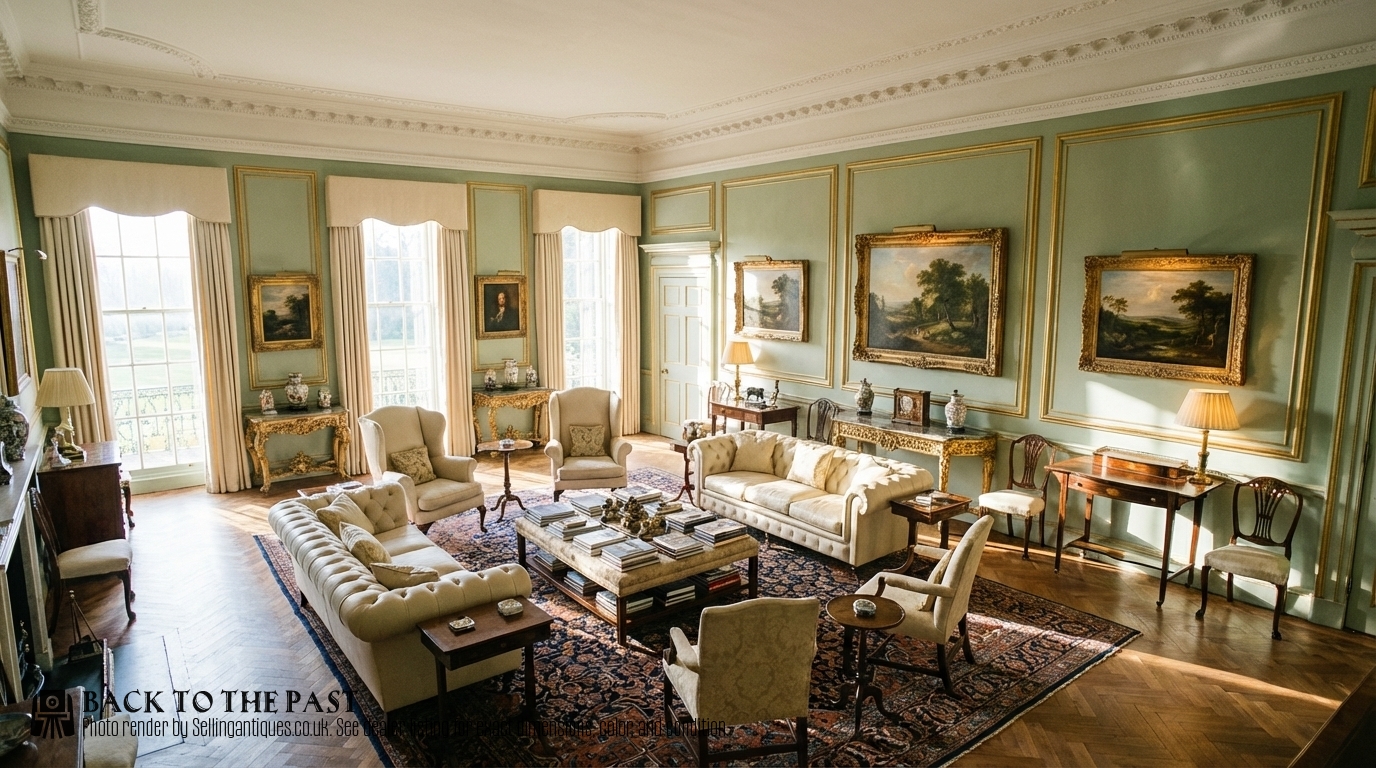
Materials and Construction
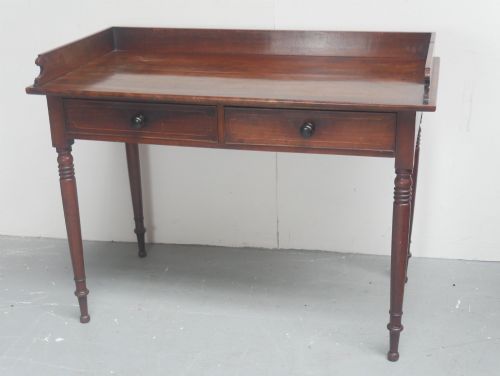
Makers utilised solid mahogany and flame mahogany veneers over secondary timbers, providing a stable foundation for intricate surface decoration.
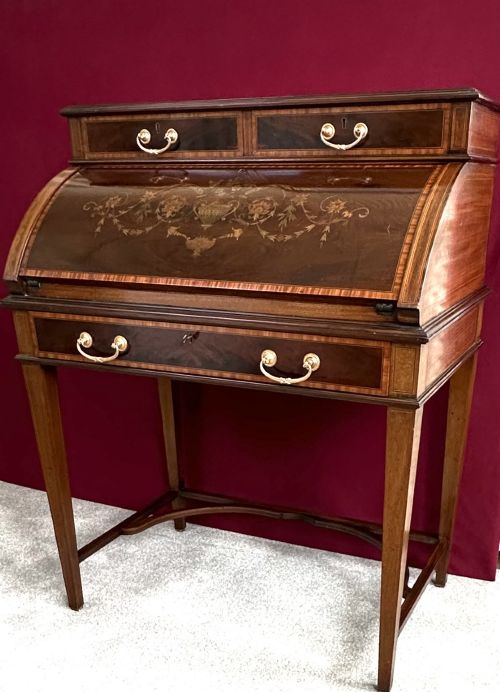
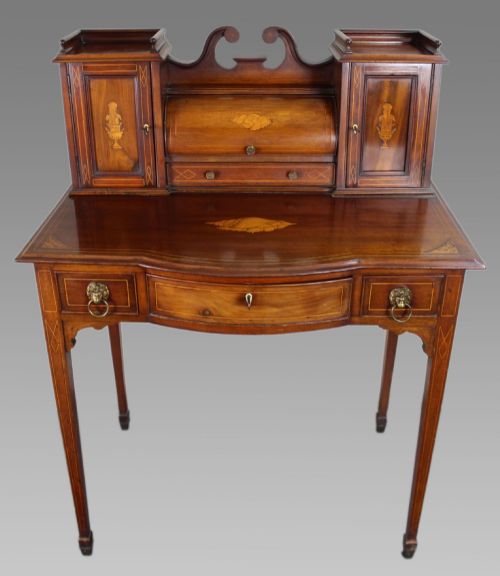
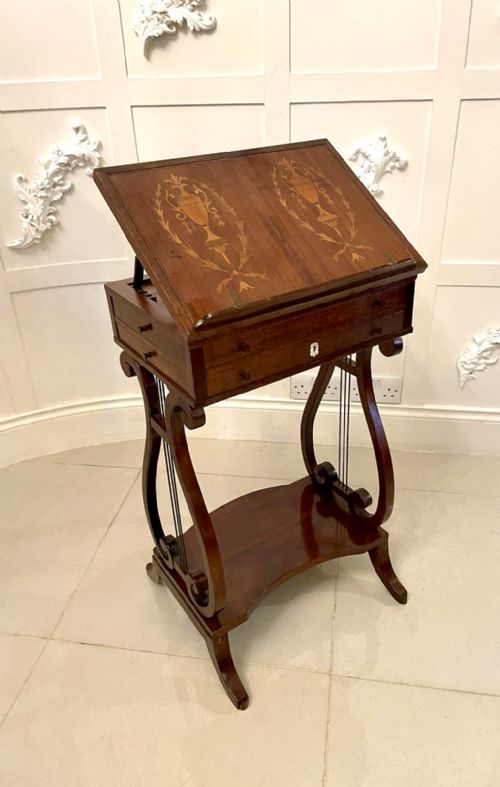
Detailing relied on contrasting timbers such as satinwood, boxwood, and maple, applied as delicate stringing or elaborate marquetry inlay.
Functional elements incorporated brass handles, leather writing inserts, and occasional brass banding to edge work surfaces and drawers.
Inlaid Mahogany Writing Table Retail Price Guide 2026
Typical asking prices for inlaid mahogany writing table among the pieces listed under this phrase on Sellingantiques today, from the lower quarter to the upper quarter. They describe what is for sale here now, not the wider market.
Satinwood and boxwood are the primary contrasting timbers utilised alongside mahogany for stringing and decorative inlay patterns.
The Measure of Craftsmanship
The standard of an inlaid mahogany writing table depends on the precision of the cabinet work and the crispness of the timber inlay.
Finer examples display balanced proportions, symmetrical grain selection, and original hardware rather than later replacements.
Makers associated with major firms such as Edwards and Roberts or Maple and Co often demonstrated superior joinery and attention to secondary timbers.
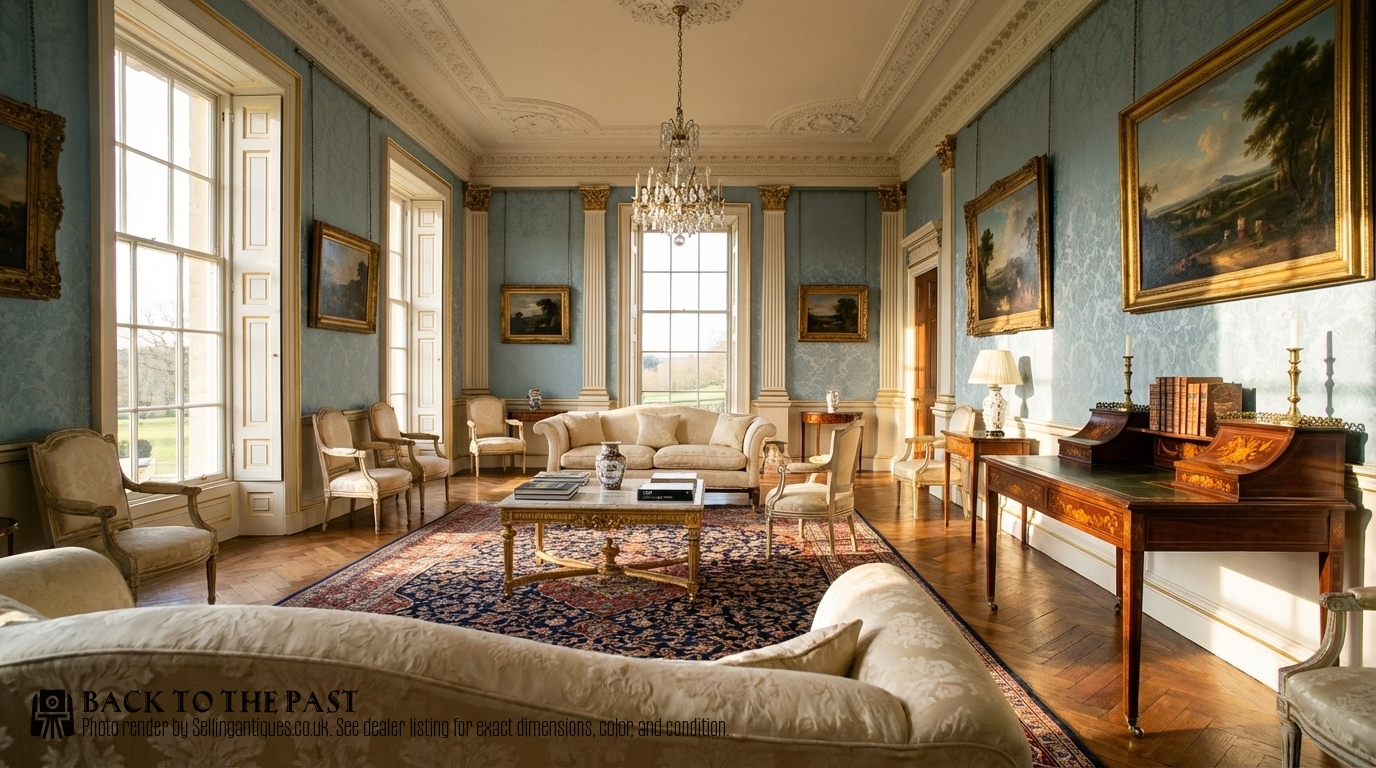
Maple and Co·Edwards and Roberts·JAS Shoolbred
The Inlaid Mahogany Writing Table Glossary
- Marquetry Inlay
- A decorative technique arranging varied wood veneers into pictorial or geometric patterns. This method adds significant visual complexity to the writing surface.
- Satinwood
- A lustrous tropical hardwood utilised for contrasting borders and stringing. Its bright yellow tone complements darker mahogany backgrounds.
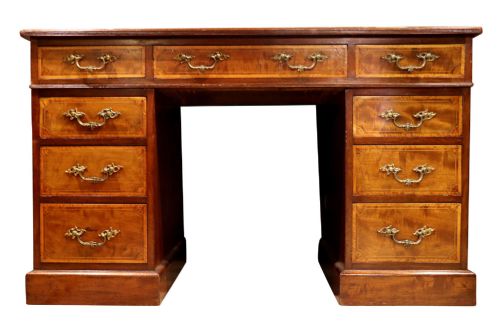
- Pedestal Desk
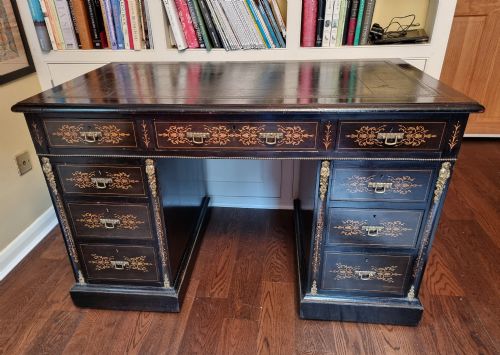
- A freestanding writing table supported by two banks of drawers. These items offer substantial storage alongside a central writing space.
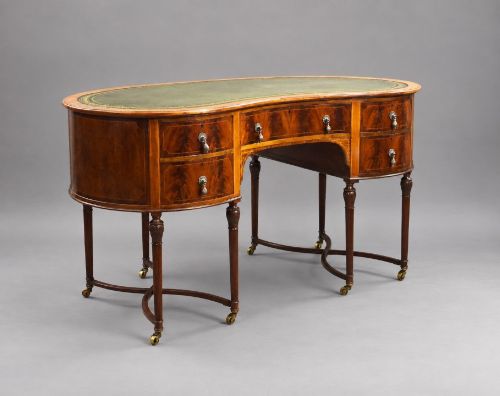
- Kidney Desk
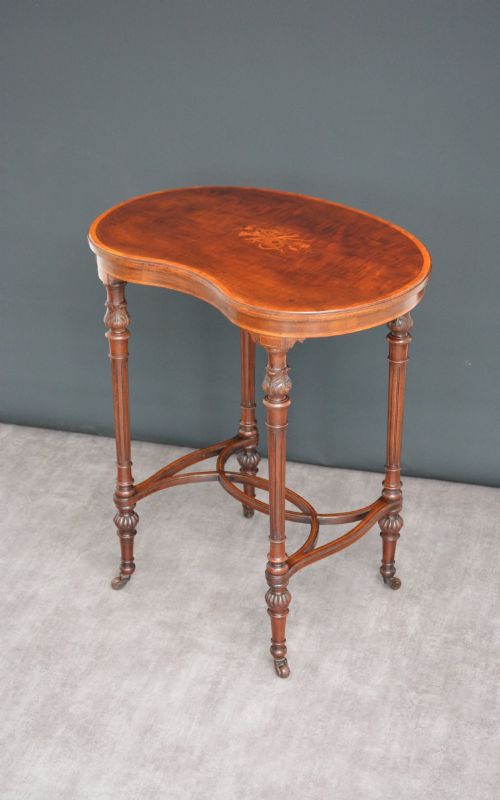
- A writing table shaped with a curved front indentation for the user. Edwardian makers frequently produced this form in flame mahogany.
Inlaid Mahogany Writing Table: Frequently Asked Questions
How do I date my writing table?
Dating relies on examining construction methods, timber choice, and the style of the inlay work. Georgian pieces typically show heavier proportions, whilst Edwardian examples often feature lighter satinwood banding and kidney-shaped tops.
Hardware and drawer linings also offer chronological clues. Hand-cut dovetails and original brass pulls point toward earlier manufacturing dates.
Were these desks meant for everyday writing?
These tables served primarily for personal correspondence, household accounts, and reading rather than heavy administrative duties. Wealthy households placed them in drawing rooms, libraries, or private boudoirs.
Many incorporated specialised compartments, leather inserts, and small drawers specifically designed to hold stationery and inkwells.
How should I care for the leather top?
Original leather writing surfaces require gentle maintenance using specialist wax-free leather creams to prevent drying and cracking. Avoiding direct sunlight helps preserve the colour and tooling.
Modern replacements are sometimes installed during restoration when the original leather is too damaged to retain.