

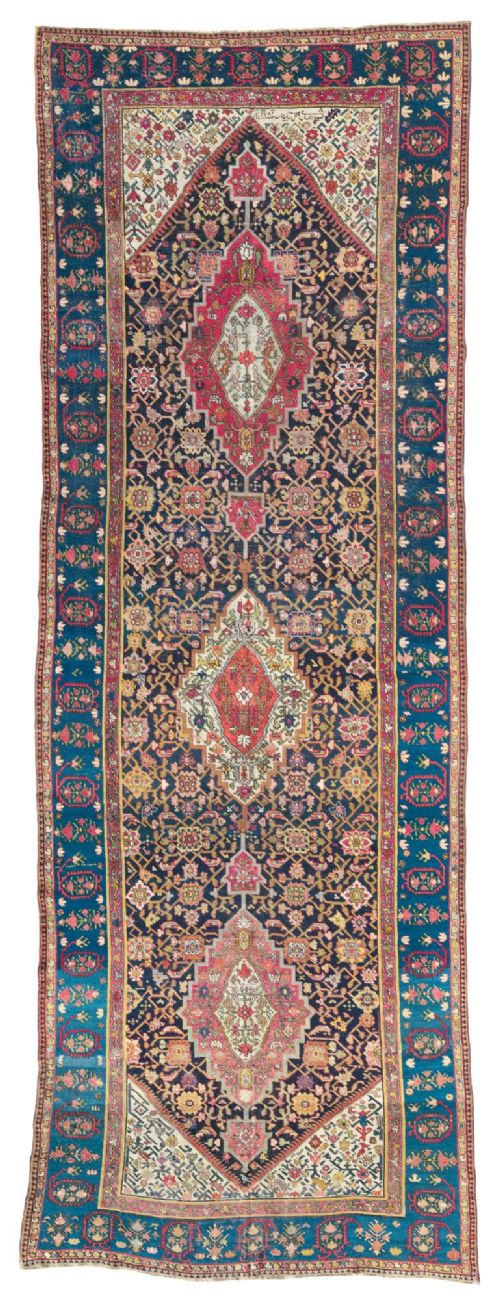
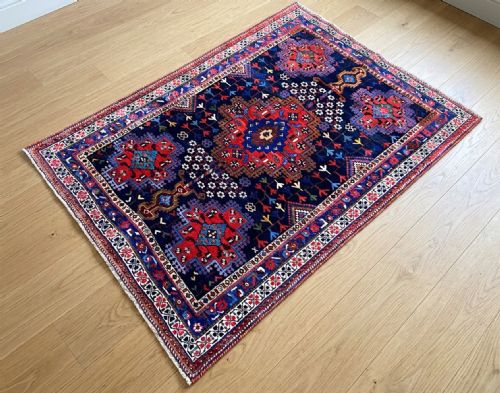
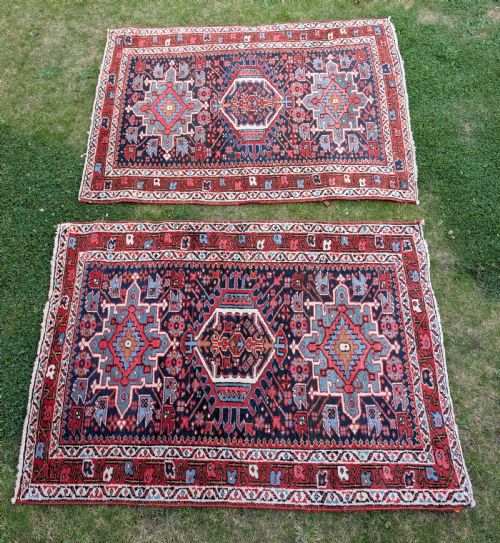
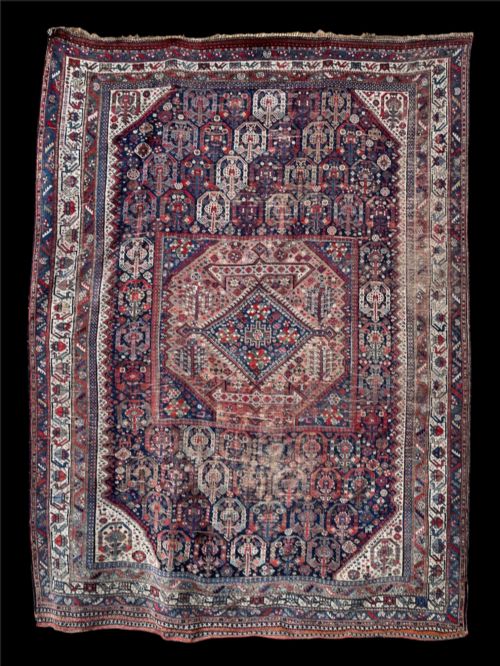
Indigo Wool Hand Knotted Rug
An indigo wool hand knotted rug brings deep blue depth and centuries of tribal weaving traditions directly to your floor.
Indigo Wool Hand Knotted Rug
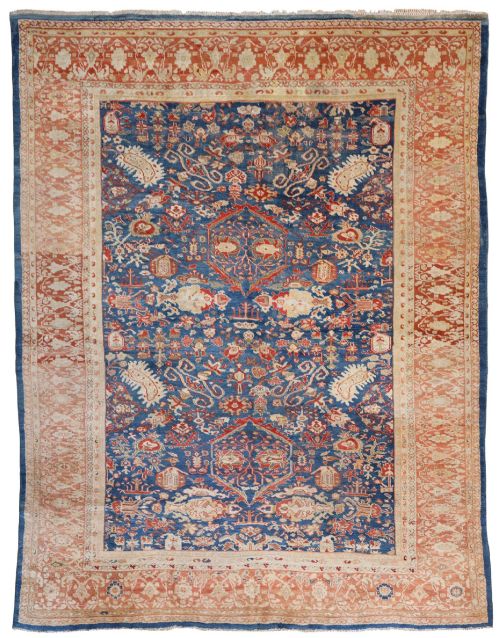
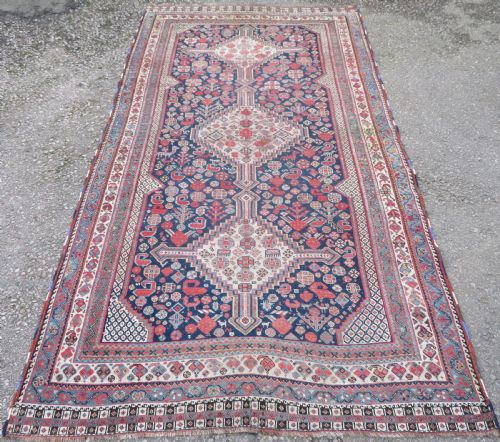
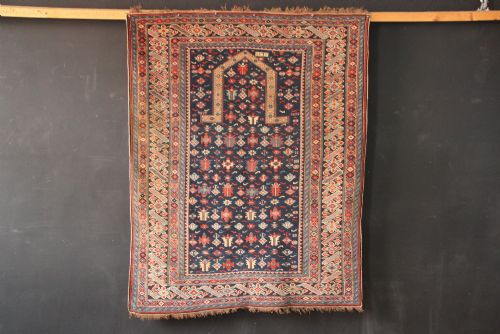
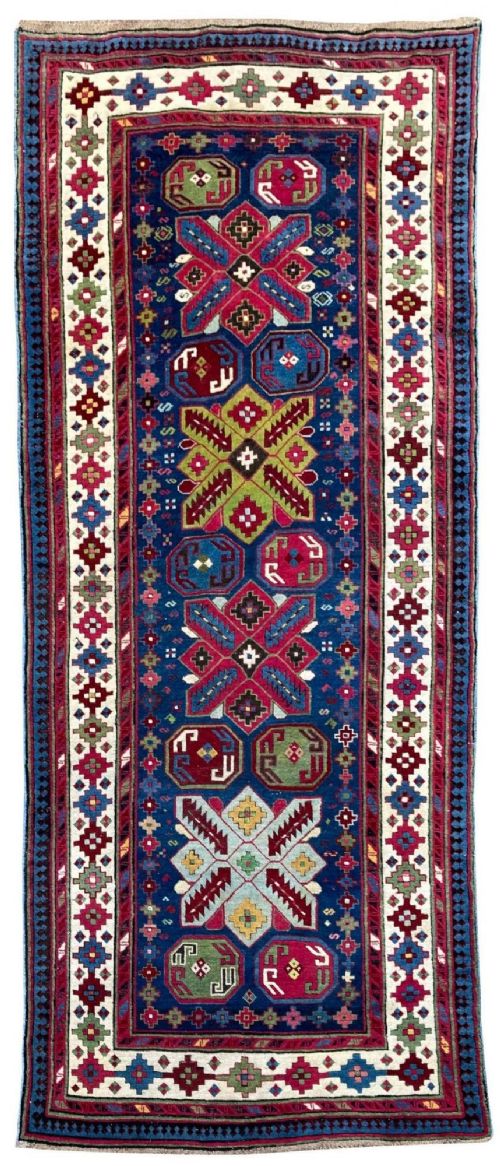
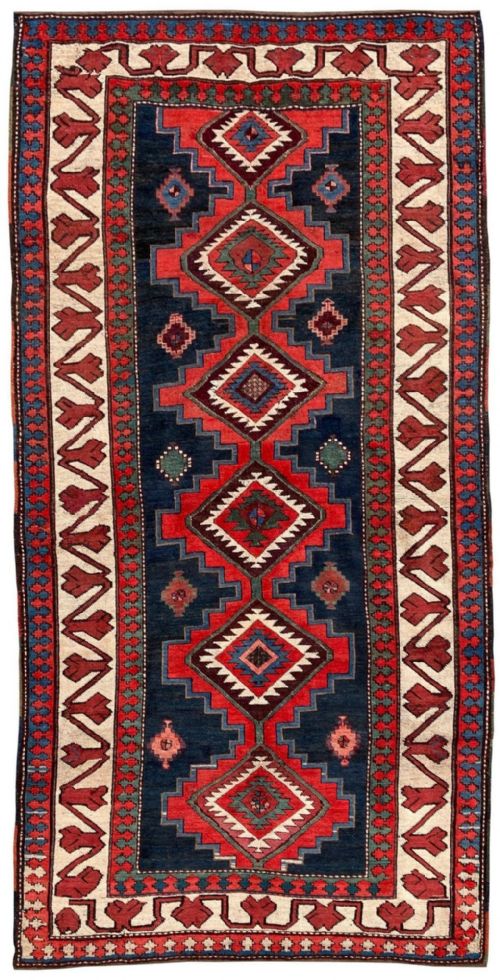
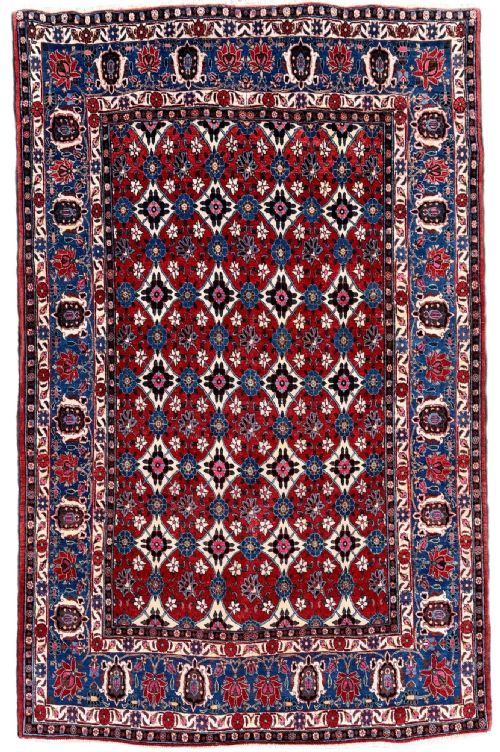
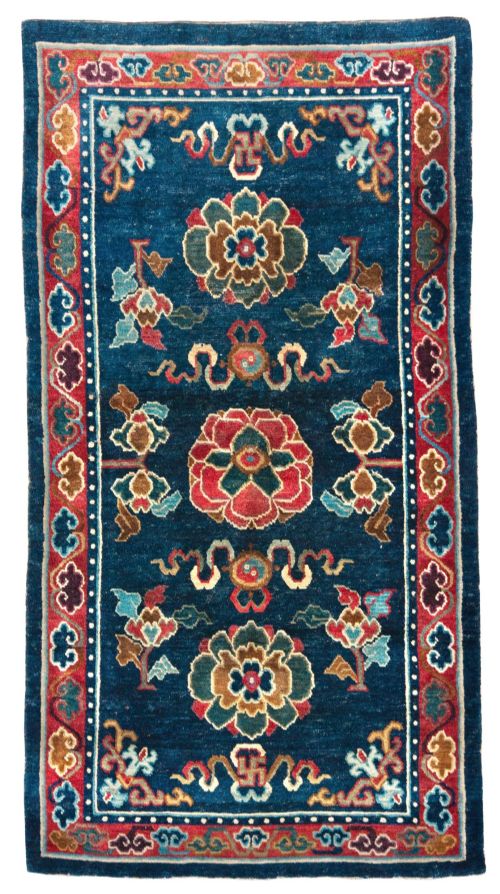
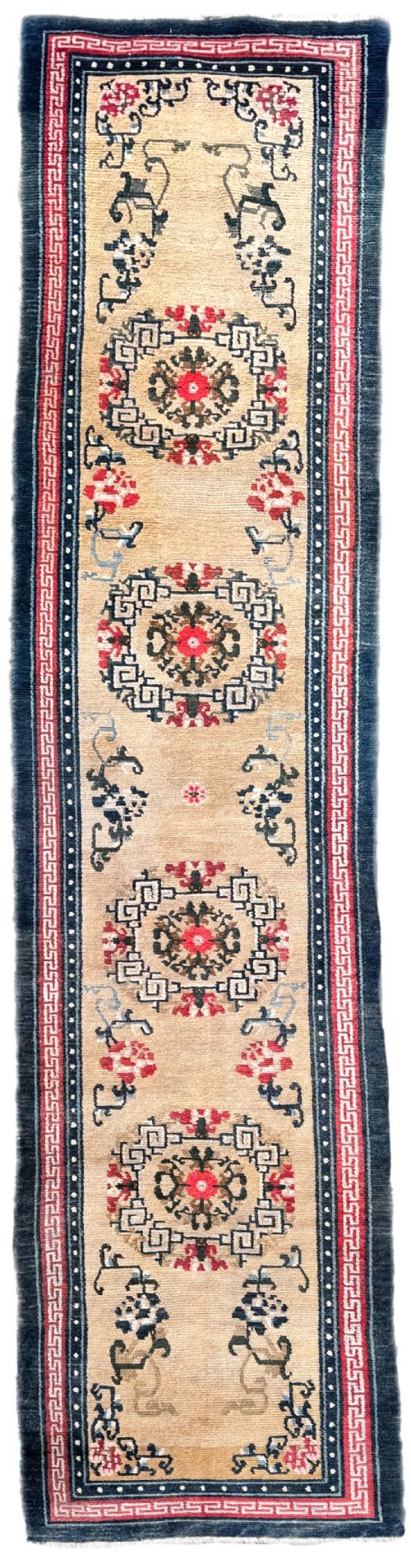
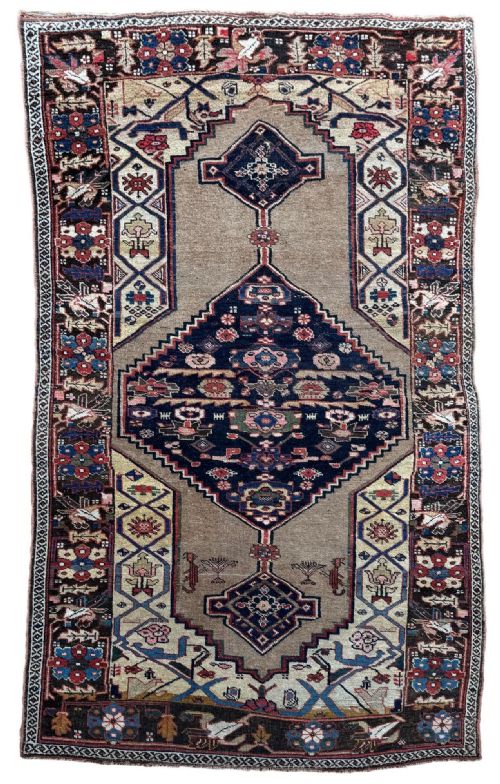
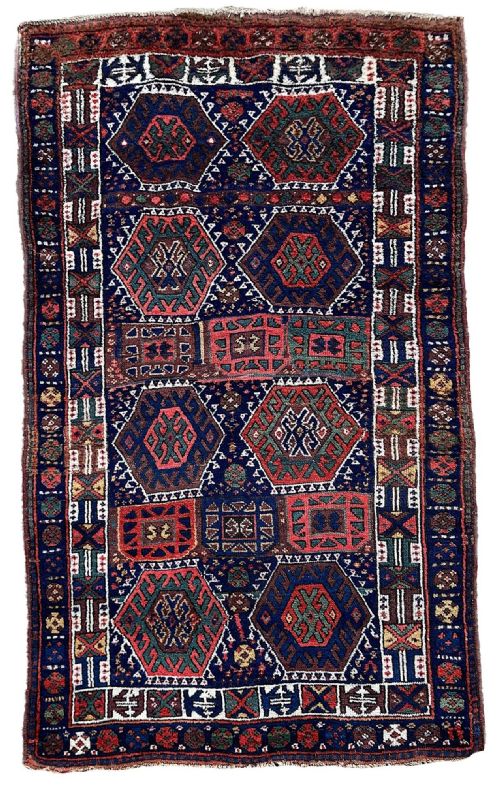
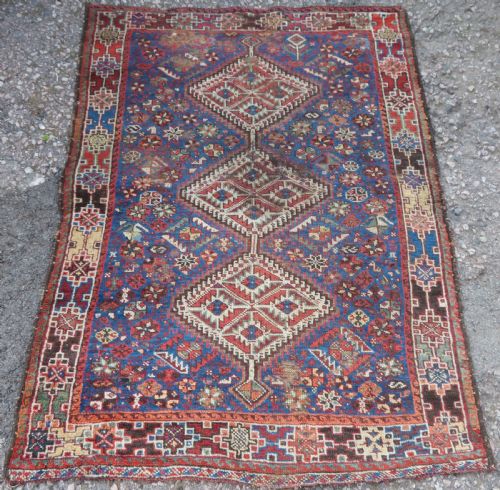
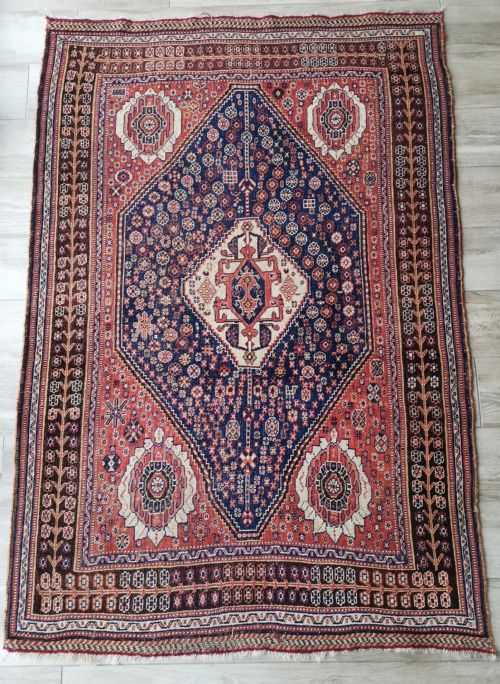
When you search for an indigo wool hand knotted rug, you encounter dense pile textiles originating from Persian, Caucasian, Tibetan, and tribal workshops dating from the nineteenth and early twentieth centuries.
The pieces on this page span formats ranging from small scatter rugs and seating mats to long runners and substantial room-sized carpets.
Tribal weaving traditions dominate the selection, showcasing regional motifs from groups such as the Kazak, Khamseh, Kurdish, and Afshar.
Evaluating the Weaving
Knot density and the precision of the geometric or tribal designs separate standard examples from finer collector pieces.
The depth of the natural dye work and the condition of the wool pile dictate the visual impact and longevity of each textile.
Indigo Wool Hand Knotted Rug Retail Price Guide 2026
Typical asking prices for indigo wool hand knotted rug among the pieces listed under this phrase on Sellingantiques today, from the lower quarter to the upper quarter. They describe what is for sale here now, not the wider market.
Current listings feature pieces spanning the nineteenth century through the 1930s, utilising wool, cotton, and natural dyes across tribal rug and runner formats.
The Indigo Wool Hand Knotted Rug Glossary
- Kelleh
- A long, rectangular carpet format traditionally used in Persian rooms.
- Torba
- A small storage bag face or hanging piece produced by Turkmen tribes.
- Knaden
- A small Tibetan sitting or sleeping rug utilising wool pile.
- Göl
- A repeated octagonal medallion motif frequently found in tribal rugs.
- Warp
- The vertical threads stretched on the loom that carry the foundation of the rug.
Indigo Wool Hand Knotted Rug: Frequently Asked Questions
How do I clean an old wool rug?
Vacuum gently without using a rotating brush roll to protect the delicate hand-spun wool pile from damage.
Professional specialist washing remains essential for deep cleaning to preserve the natural plant dyes.
Where were these tribal rugs made?
Weavers produced these textiles across regions spanning Persia, the Caucasus, and Tibet, often within nomadic or village communities.
Each region developed distinct geometric patterns and colour palettes reflecting local tribal identities.
Can I place these carpets in high-traffic areas?
Wool and cotton construction provides natural durability that handles normal walking traffic when placed over a quality underlay.
Protective padding prevents slipping and reduces fibre wear across older runner and carpet formats.
How do I identify a tribal design?
Tribal designs rely on geometric motifs, repeating medallions, and stylized animal or plant forms rather than courtly floral curves.
Asymmetrical weaving variations often indicate nomadic production where weavers worked from memory rather than rigid paper cartoons.