


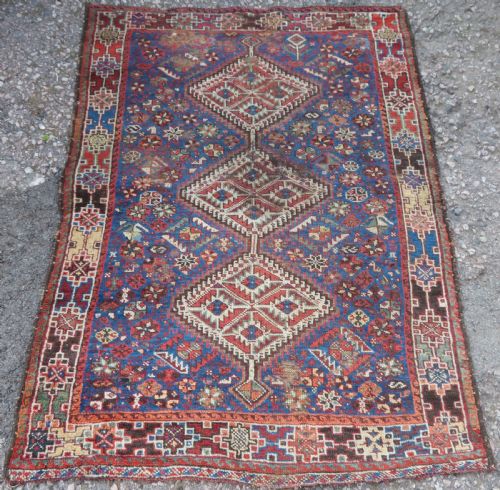
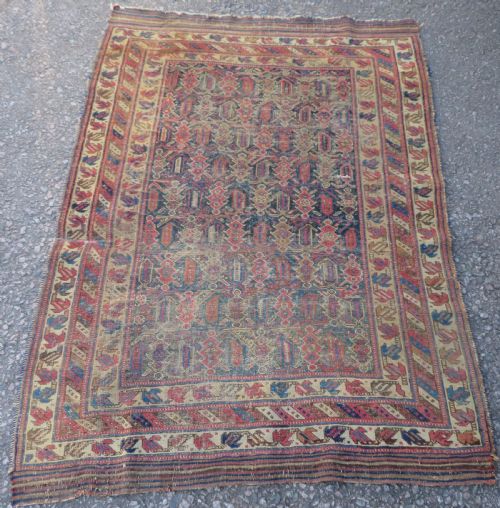
Nomadic Area Rug
These nomadic area rug pieces bring the bold, geometric soul of tribal weaving directly to your floor.
Nomadic Area Rug
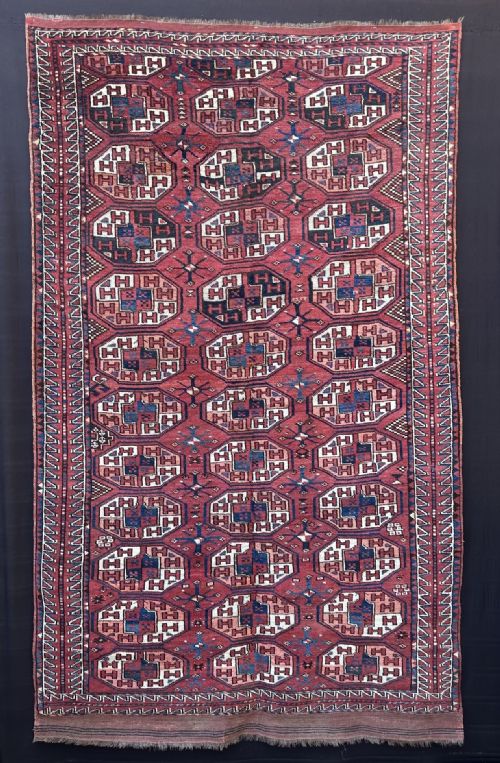
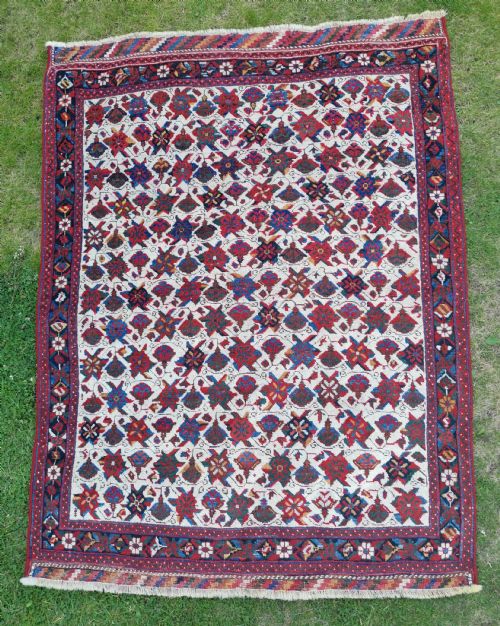
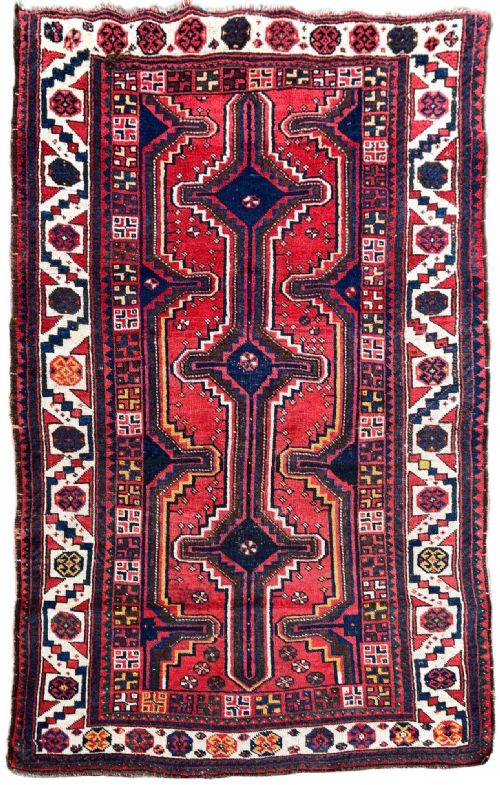
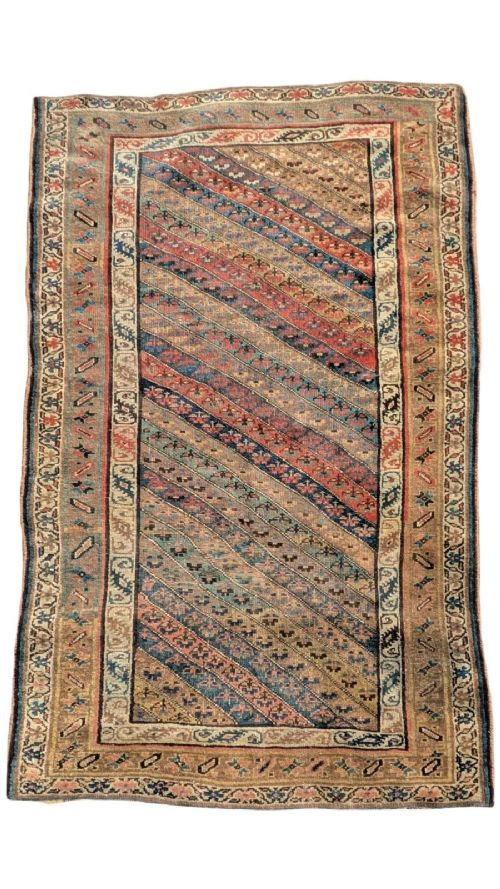
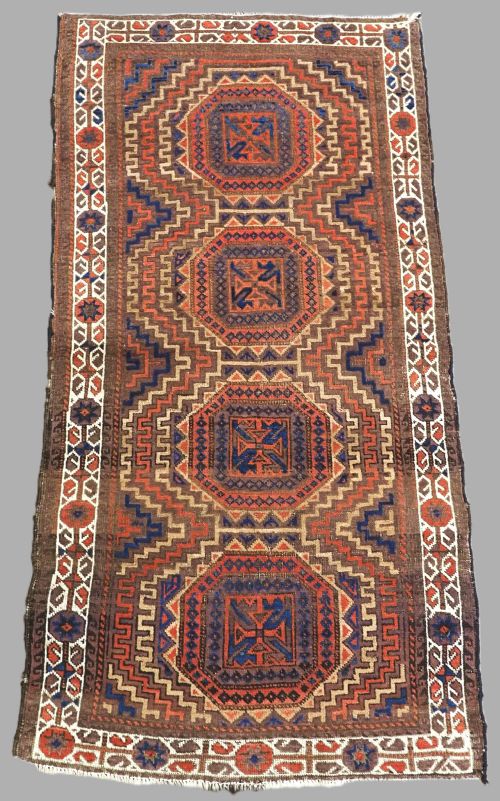
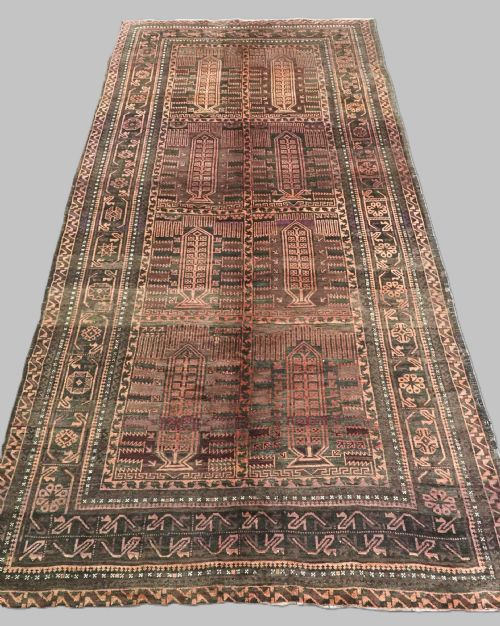
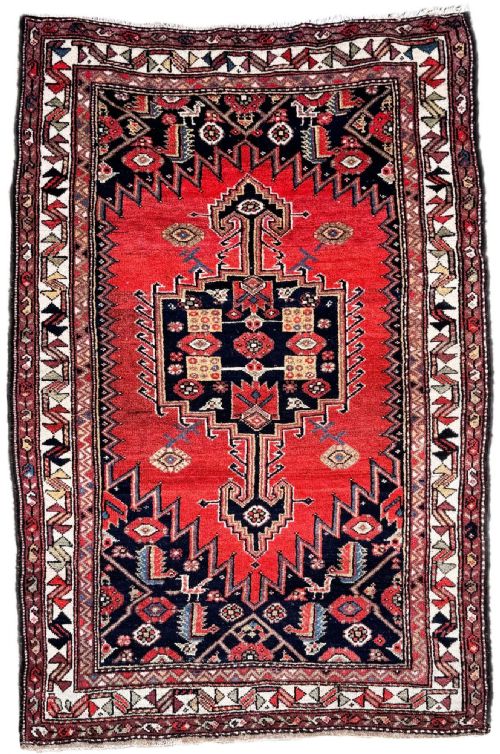
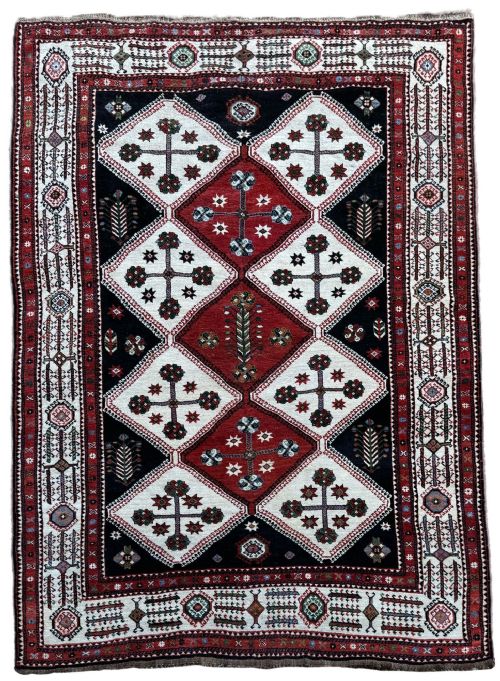
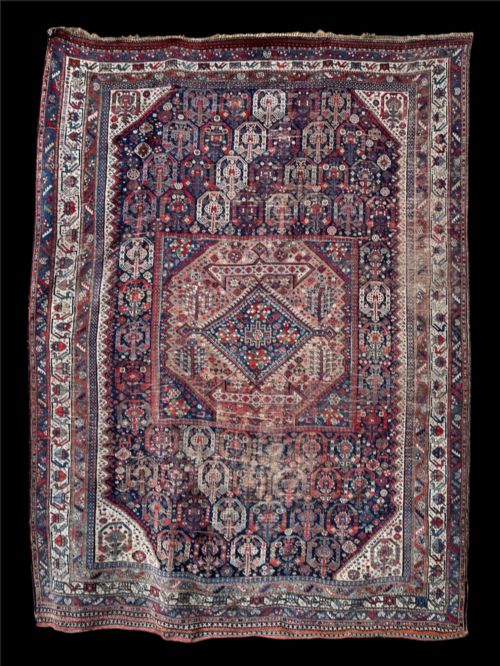
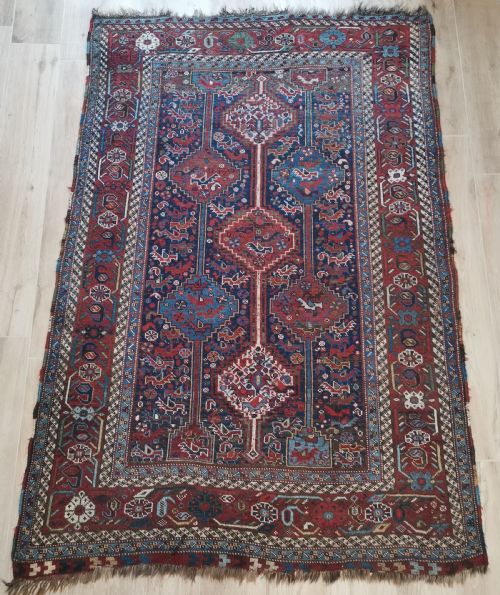
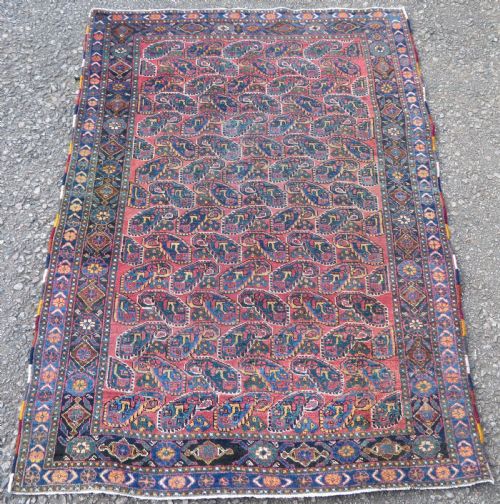
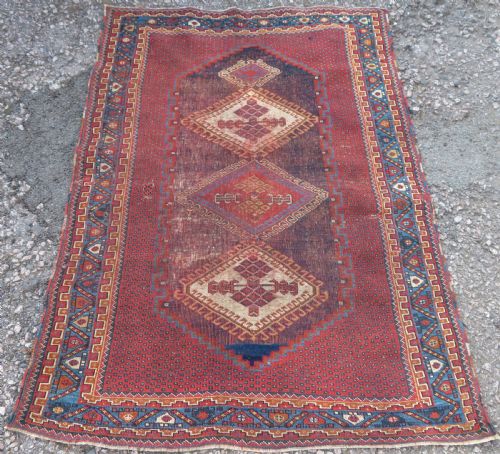
A nomadic area rug represents the traditional hand-woven floor coverings and textiles produced by tribal groups across Central Asia, Persia, and the Caucasus. When searching this phrase, a buyer encounters pieces originating from distinct tribal confederacies and weaving traditions rather than urban workshops.
The most common examples on this page hail from nineteenth and early twentieth-century groups such as the Afshar, Khamseh, Baluch, Kurdish, and Turkmen tribes. These formats range from compact scatter rugs and prayer rugs to runner rugs and larger tribal carpets.
Makers utilised familiar regional motifs, creating pieces that served practical functions within nomadic tents and village homes. Each piece carries the distinct geometric vocabulary and tribal identity of its maker.
How They Were Made
The construction of these floor coverings relies primarily on hand-spun wool and cotton, providing a sturdy foundation and dense pile. Weavers combined natural dyes to achieve deep reds, indigos, and earth tones that developed rich patinas over decades of use.
Weaving took place on portable horizontal looms set up in camps or permanent village dwellings, guiding the creation of pile rugs and flatweaves. This direct method of production allowed individual weavers to alter patterns freely without rigid architectural cartoons.
What Varies in Quality
Quality in these woven textiles rests on the tightness of the knotting, the resilience of the wool, and the clarity of the design structure. Finer examples display precise execution in complex medallions, guls, and repeating field patterns.
The depth and saturation of the natural dyes significantly influence the visual impact of the piece as it ages. Skilled handling of the wool yields a supple handle and a durable surface that withstands centuries of foot traffic.
The Nomadic Area Rug Glossary
- Prayer Rug
- A small rug featuring a mihrab or arch design indicating the direction of prayer. These pieces were traditionally used for daily devotions.
- Gul
- A medallion motif commonly found in Turkmen and Afghan tribal weaving. Each repeating octagonal shape often denoted a specific tribal lineage.
- Sofreh
- A flatwoven spread or cloth used during meals or for processing flour. These textiles display utilitarian artistry distinct from standard floor carpets.
- Chuval
- A large storage bag face produced by Turkmen tribes. Collectors prize these fragments for their intricate guls and rich wool quality.
- Kapunuk
- A decorative tent door surround woven in pastoral Central Asia. These architectural pieces formed part of the traditional bridal furnishings.
Nomadic Area Rug: Frequently Asked Questions
What is a nomadic area rug?
A nomadic area rug is a traditional hand-knotted or woven textile created by pastoral and tribal groups living in tents or rural settlements. These pieces reflect the specific cultural motifs and local materials of regions such as Persia, Afghanistan, and Turkmenistan.
Unlike city carpets designed in urban manufactories, tribal floor coverings embrace spontaneous design choices, geometric symbols, and practical formats suited to a mobile lifestyle.
How do I identify tribal rugs?
Identifying these textiles involves looking at the structural characteristics, colour palette, and recurring tribal motifs such as guls, hooked polygons, and stylized animal forms. Distinct weaving centres like Afshar, Khamseh, or Baluch each utilised specific knotting techniques and wool types.
Examining the selvedges, fringe construction, and foundation materials helps pinpoint the geographic origin and period of production within the nineteenth and twentieth centuries.
Where were these rugs made?
These pieces originate from pastoral landscapes and village communities across Central Asia, the Caucasus, and Persia. Tribes moved seasonally with their flocks, sourcing local wool and utilising natural dyestuffs from the surrounding flora and mineral deposits.
Specific regional groups, including the Kurdish, Qashqai, and Turkmen peoples, produced distinct carpets within their respective tribal territories and confederacies.
How do I care for antique rugs?
Caring for an antique tribal carpet requires gentle vacuuming without a rotating brush bar to protect the hand-spun wool pile. Keeping the textile out of direct sunlight prevents the natural dyes from fading over time.
Professional specialist cleaning ensures the preservation of the foundation fibres and maintains the structural integrity of older wool and cotton warp threads.