

19th Century Textile
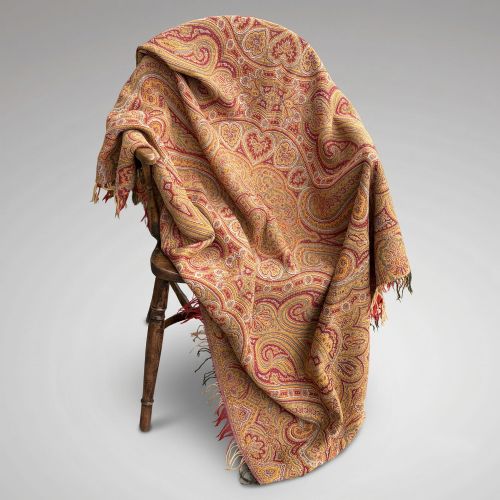
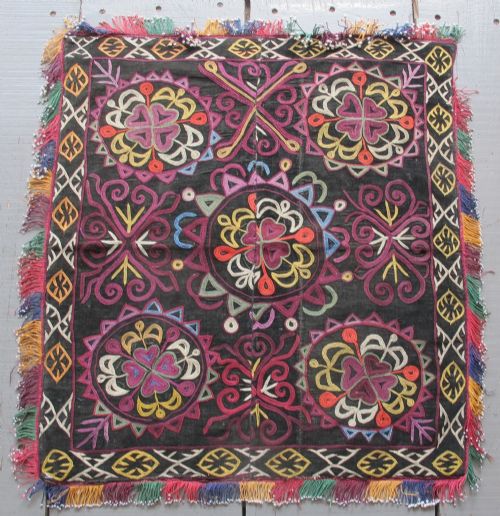
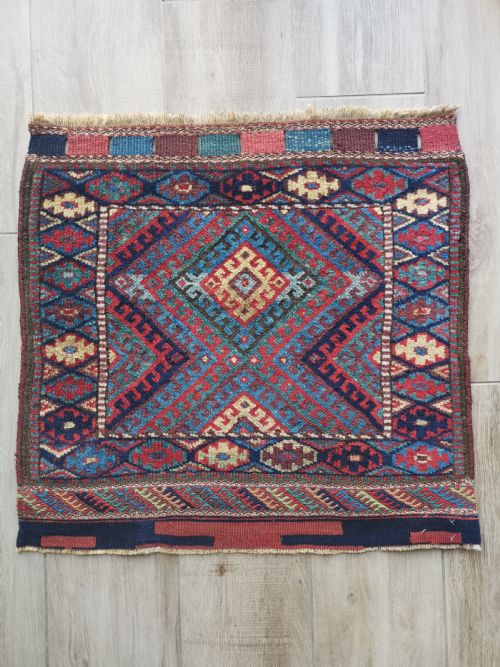
These 19th century textile pieces range from tribal wool rugs and embroidered shawls to velvet garments, offering genuine period craftsmanship for the home.
19th Century Textile
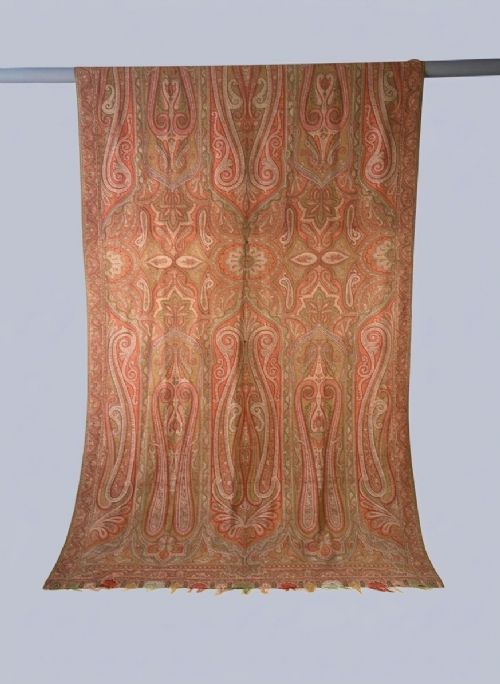
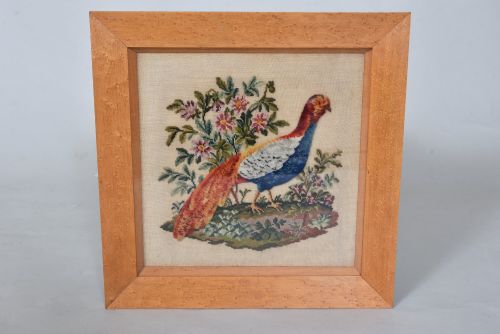
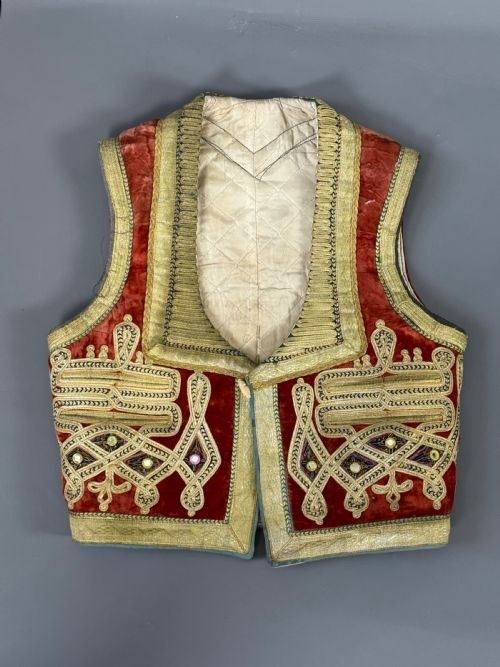
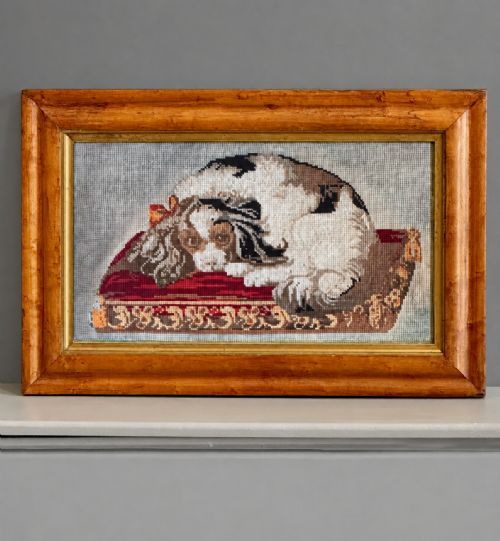
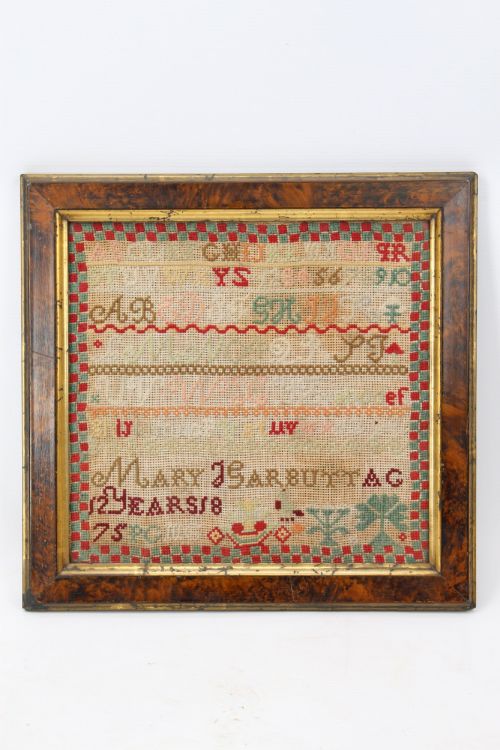
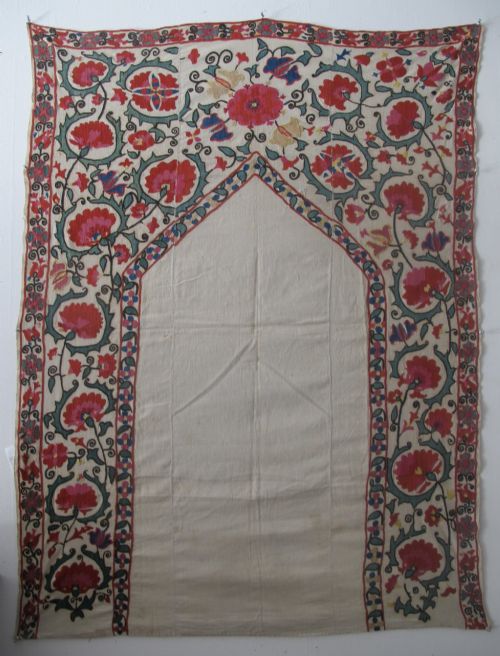
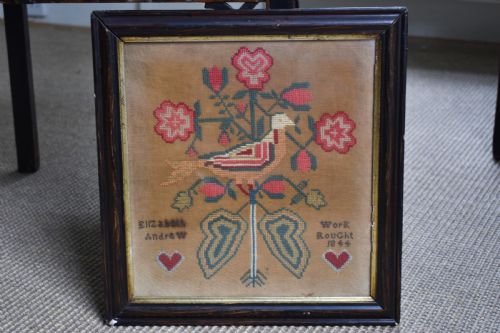
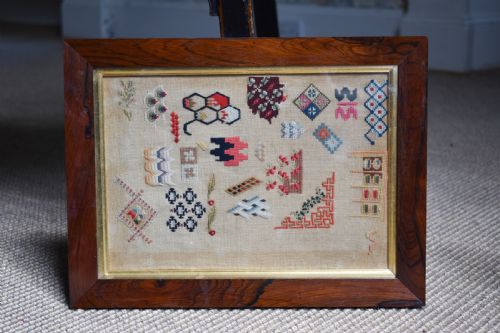
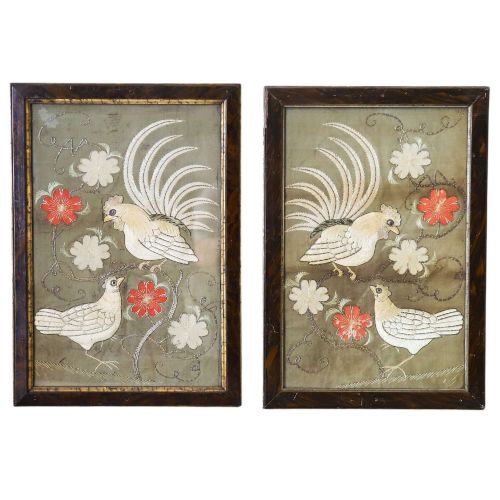
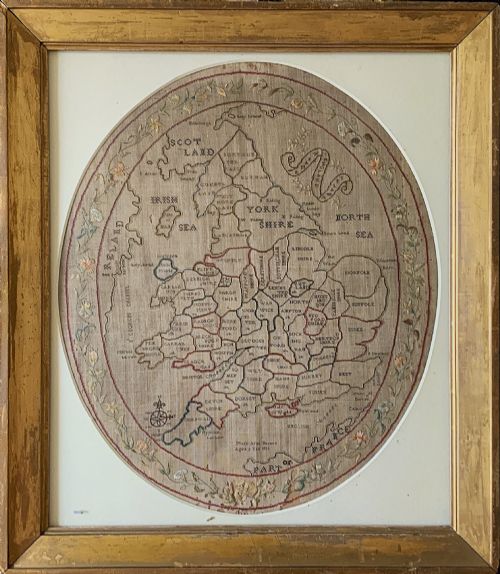
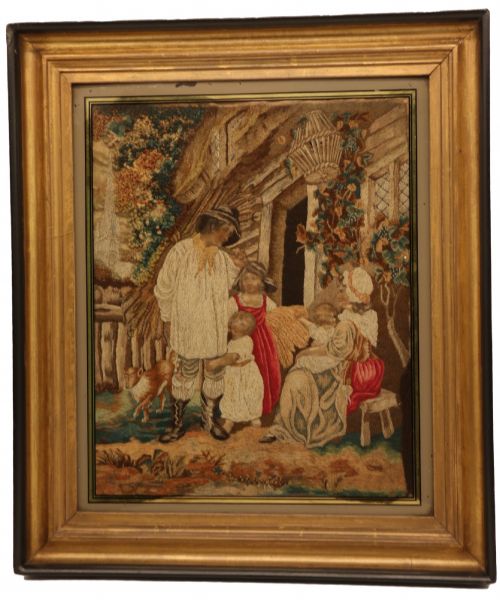
A 19th century textile encompasses various woven and embroidered items, including traditional garments, shawls, rugs, and panels. Buyers encounter pieces originating from Central Asia, India, Scotland, and France.
Origins span distinct regional traditions, with Persian and Central Asian tribal aesthetics sitting alongside Victorian European upholstery and Scottish woven designs. Each piece reflects the specific textile heritage of its source.
Materials and construction
These items utilise natural fibres including wool, silk, cotton, camel hair, and velvet. Artisans incorporated natural dyes to achieve deep regional colour palettes.
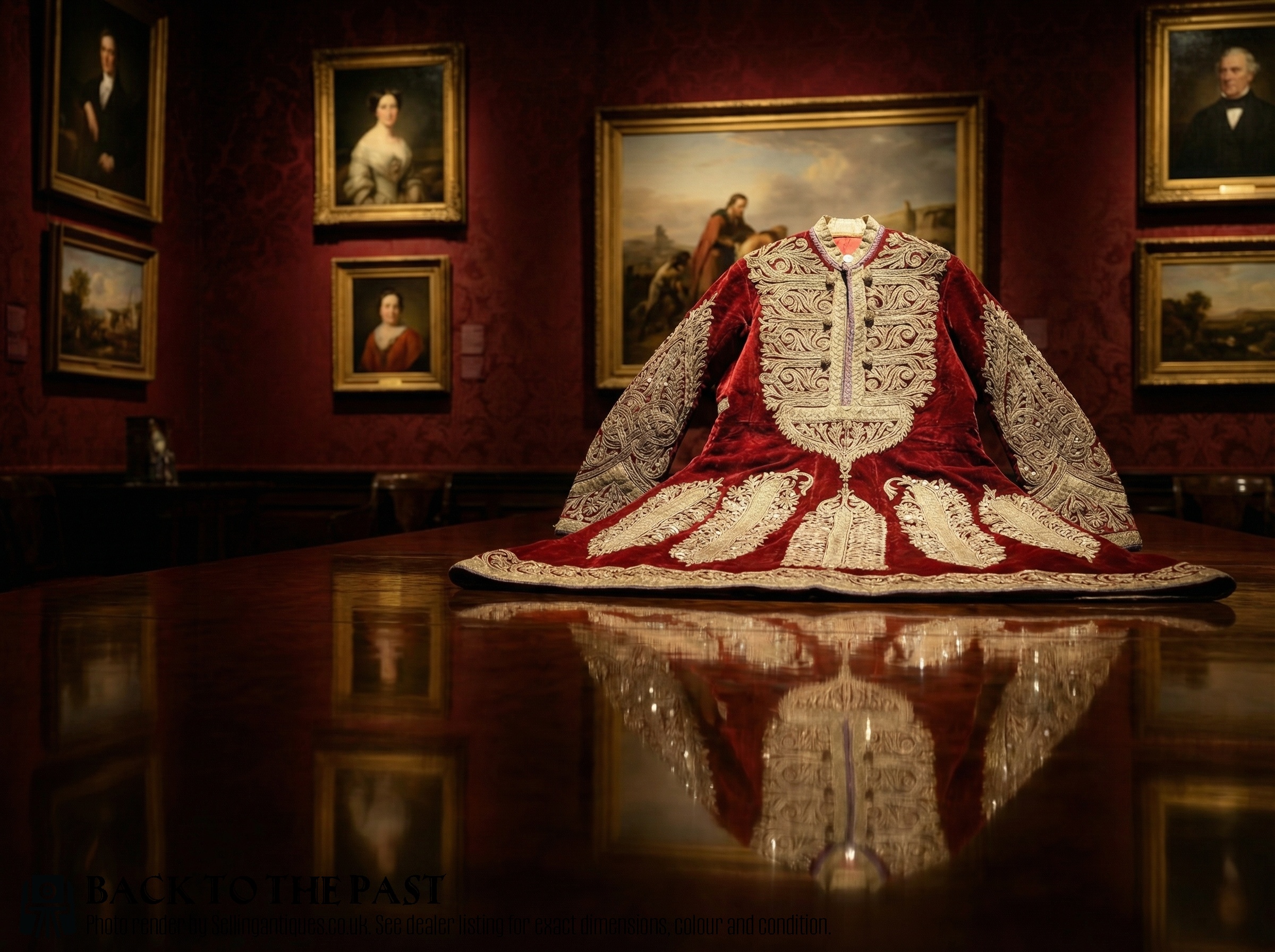
Detailed embellishment involves metal threads, silver thread, and silver metal thread brocade work. Fine embroidery and specialised weaving techniques define the construction of both garments and decorative panels.
19th Century Textile Retail Price Guide 2026
Typical asking prices for 19th century textile among the pieces listed under this phrase on Sellingantiques today, from the lower quarter to the upper quarter. They describe what is for sale here now, not the wider market.
Materials across these listings include wool, silk, cotton, velvet, wood, and silver thread.
Judging quality in textiles
Quality rests upon the fineness of the work, visible in the density of the embroidery and the intricacy of the weave. Tightly executed dowry pieces and wedding shawls demonstrate superior technical skill compared to standard utility items.
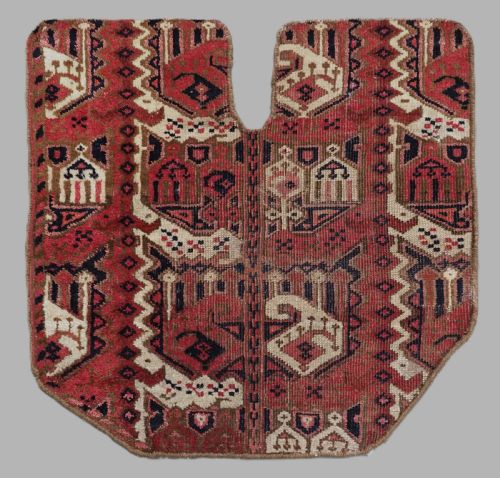
The integrity of natural dyes and the preservation of delicate metallic threads distinguish finer examples. The complexity of regional designs, such as boteh motifs and tribal patterns, directly influences the visual impact of the textile.
The 19th Century Textile Glossary
- Boteh
- A traditional droplet-shaped motif resembling a stylised floral spray or pine cone, frequently seen in Indian and Kashmiri shawls. This pattern forms the basis of the classic paisley design.
- Torba
- A small tribal bag or wall hanging traditionally produced by Turkmen weavers as part of dowry furnishings. These pieces display precise geometric structures.
- Jajim
- A flat-woven textile traditionally utilised as a floor covering or bedding wrap, often constructed from silk or wool strips joined together.
- Dochala
- A type of Kashmiri shawl woven in matched pairs for wedding ceremonies. They feature intricate needlework across fine wool grounds.
19th Century Textile: Frequently Asked Questions
How do I clean an antique textile?
Historic fabrics require specialist care rather than standard domestic washing methods. Professional textile conservators should handle any cleaning to prevent fibre degradation.
Surface dust can sometimes be addressed with gentle suction through a mesh screen, but water or chemical treatments risk damaging natural dyes and metallic threads.
Can I hang textile panels on the wall?
Many panels and smaller rugs lend themselves well to wall mounting for display. Proper mounting distributes the weight evenly across the fabric rather than pulling at single points.
Framing behind UV-filtered glass protects delicate silks and natural dyes from fading in direct sunlight. Unframed mounting should use non-damaging fabric sleeves or professional Velcro systems.
What is the difference between tribal and court textiles?
Tribal weavings, such as those from Turkmen or Central Asian makers, prioritise geometric patterns and utilitarian durability rooted in nomadic traditions. Their designs carry specific cultural markers.
Court or workshop pieces, including Indian Kashmiri shawls and French upholstery fabrics, focus on refined floral motifs, intricate needlework, and luxury materials intended for formal settings.
How are 19th century dates verified?
Dating relies on stylistic markers, material analysis, and structural characteristics specific to the period. Natural dye chemistry and traditional loom methods help narrow the timeframe.
Comparative study against documented regional pieces in museum collections provides further context for establishing a credible date range.