





Antique Timuri Woven Carpet
An antique timuri woven carpet brings nomadic artistry into a room, offering rich tribal patterns knotted by hand over a century ago.
Antique Timuri Woven Carpet
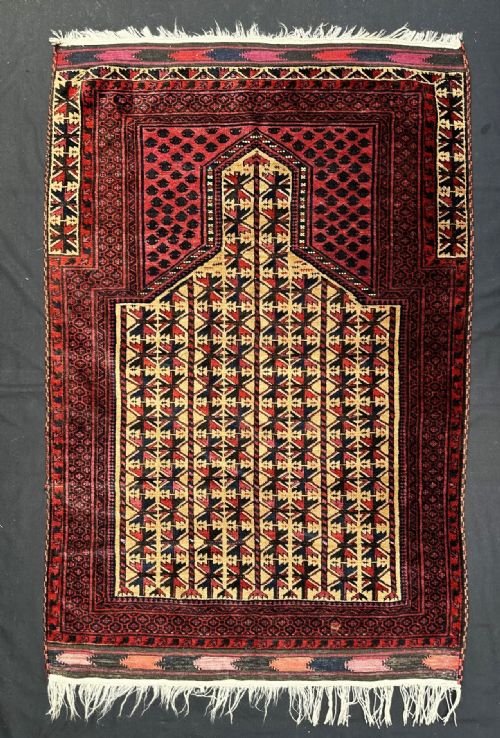
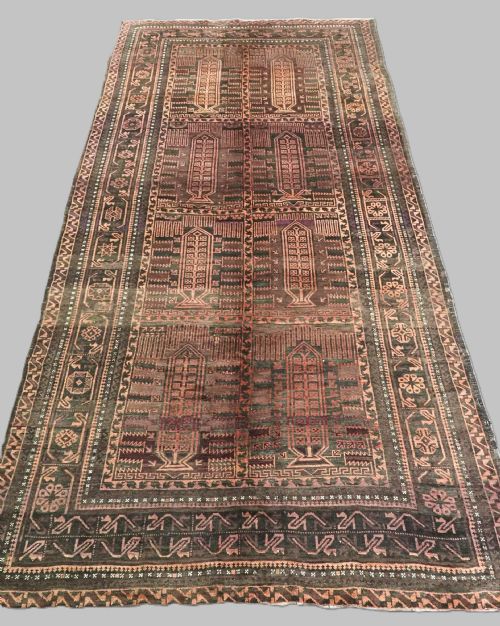
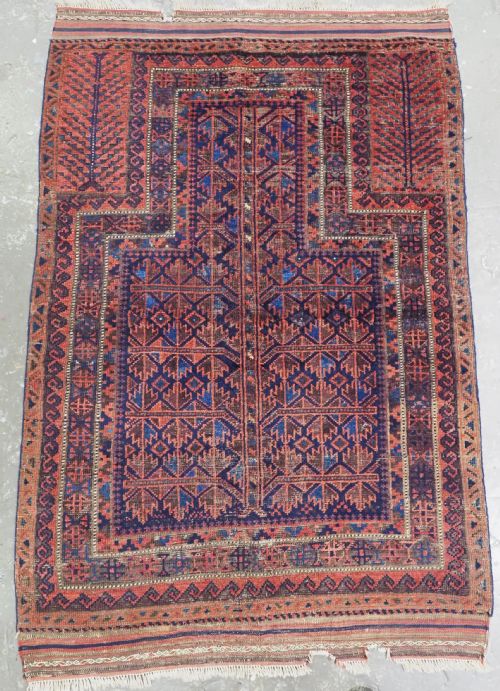
An antique timuri woven carpet represents the tribal weaving traditions of nomads inhabiting the borderlands of north-eastern Persia and western Afghanistan. When searching for an antique timuri woven carpet, collectors typically encounter room-sized main carpets, smaller scatter rugs, prayer rugs with distinctive mihrab designs, and functional items such as salt bags.
How they were made
Weavers constructed these textiles using hand-spun wool for the pile, often utilising cotton or goat hair for foundational warps and wefts. Certain examples incorporate camel hair to achieve a warm, un-dyed ground tone that deepens in character over time.
The nomadic method relied on upright or horizontal looms set up in camps, where dyers applied natural colours to the fleece before women knotted the geometric and figurative motifs by memory.
Antique Timuri Woven Carpet Retail Price Guide 2026
Typical asking prices for timuri woven carpet among the pieces listed under this phrase on Sellingantiques today, from the lower quarter to the upper quarter. They describe what is for sale here now, not the wider market.
Salt bags served as nomadic handbags, carrying everything from seasoning to small treasures across the dusty tracks of western Afghanistan.
What varies in quality
The fineness of the knotting and the density of the wool foundation dictate the structural integrity of each weaving. Superior examples display precise symmetry in geometric borders and saturation in the vegetable dyes used for blue, red, and camel grounds.
Desirability rests upon the rarity of the design, such as the pencil box or Kalam Donneh pattern, alongside the preservation of original side cordings and kilim ends.
The Antique Timuri Woven Carpet Glossary
- Main carpet
- A large floor textile woven for domestic use within a tribal household rather than for export. These pieces generally measure over two metres in length.
- Prayer rug
- A small format rug featuring an architectural arch or mihrab design at one end, oriented toward Mecca during daily devotions. The field often includes a tree of life motif.
- Salt bag
- A utilitarian woven container with a narrow neck, produced by nomads for storing household salt or personal possessions. These feature flatweave backs and knotted pile fronts.
- Pencil box design
- A repeating geometric motif arranged in horizontal compartments resembling stacked stationery boxes. Also known in the trade as Kalam Donneh.
- Kalam Donneh
- A traditional tribal pattern composed of stacked compartment motifs resembling pen boxes. It appears frequently in nineteenth-century weaving from the Afghan borderlands.
Antique Timuri Woven Carpet: Frequently Asked Questions
Where were antique timuri woven carpets made?
These textiles were produced by nomadic and semi-nomadic tribes inhabiting the borderlands between north-eastern Persia and western Afghanistan.
Weavers moved seasonally across these dry plains, carrying small looms and sourcing fleece directly from their own flocks.
How do I identify a timuri rug?
Identification relies on recognising typical wool qualities, palette choices, and tribal motifs such as the pencil box pattern or camel hair fields.
Many examples share stylistic traits with Baluch weaving, reflecting the close cultural ties between these neighbouring groups.
What is a ru korssi?
A ru korssi is a large square or rectangular cover traditionally placed over a low table heated by coals during winter months.
Families gathered around these draped frames for warmth in cold upland regions.
How should I care for a tribal carpet?
Protect the wool by placing the textile in a low-traffic area or using a breathable underlay to prevent slipping and friction.
Vacuum gently without a rotating brush bar and consult a specialist in antique textiles for professional washing.