
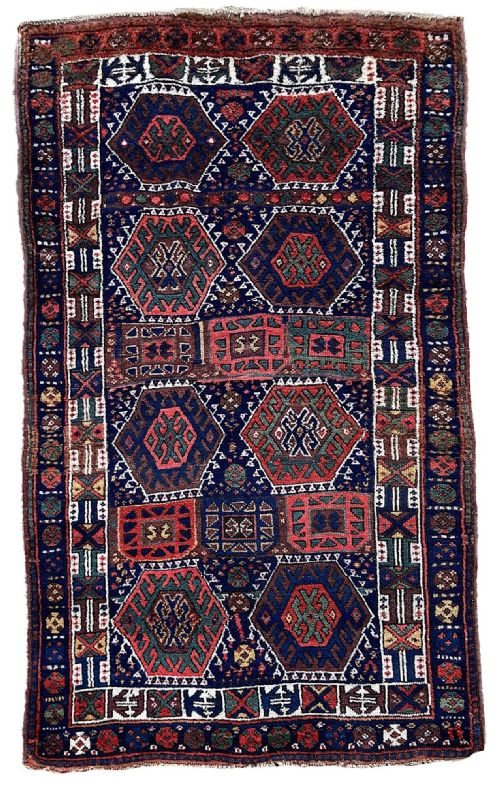


Indigo Wool Carpet
An indigo wool carpet brings deep blue dye and tribal weave into a room, offering durability and rich pattern from past centuries.
Indigo Wool Carpet
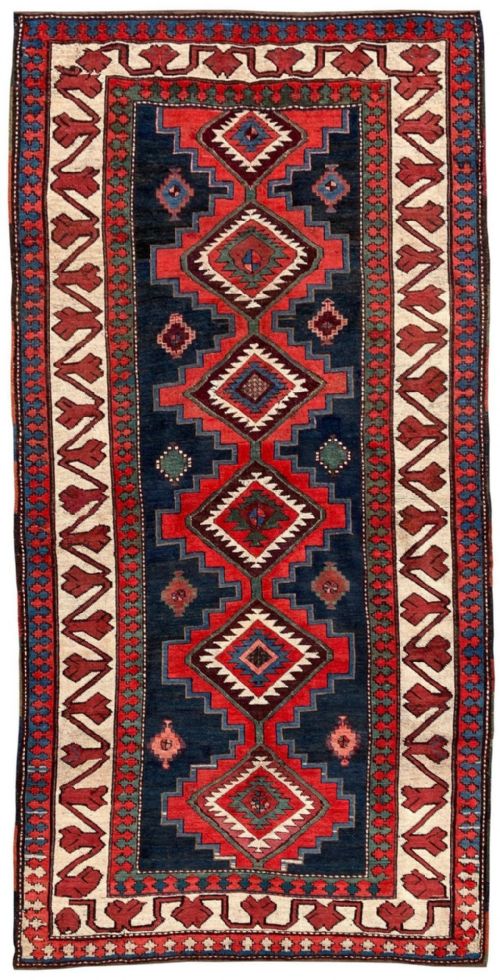
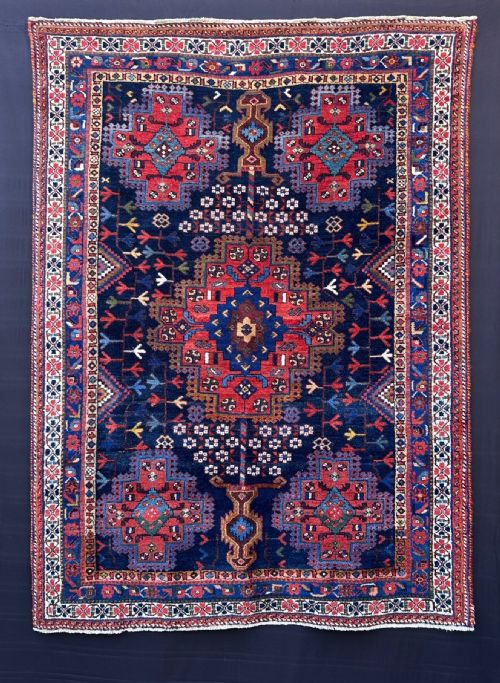
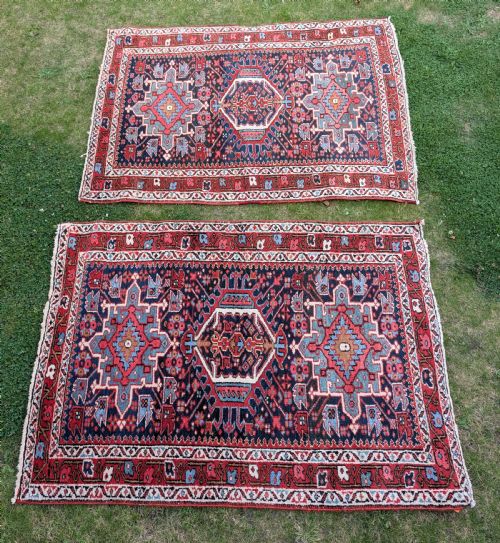
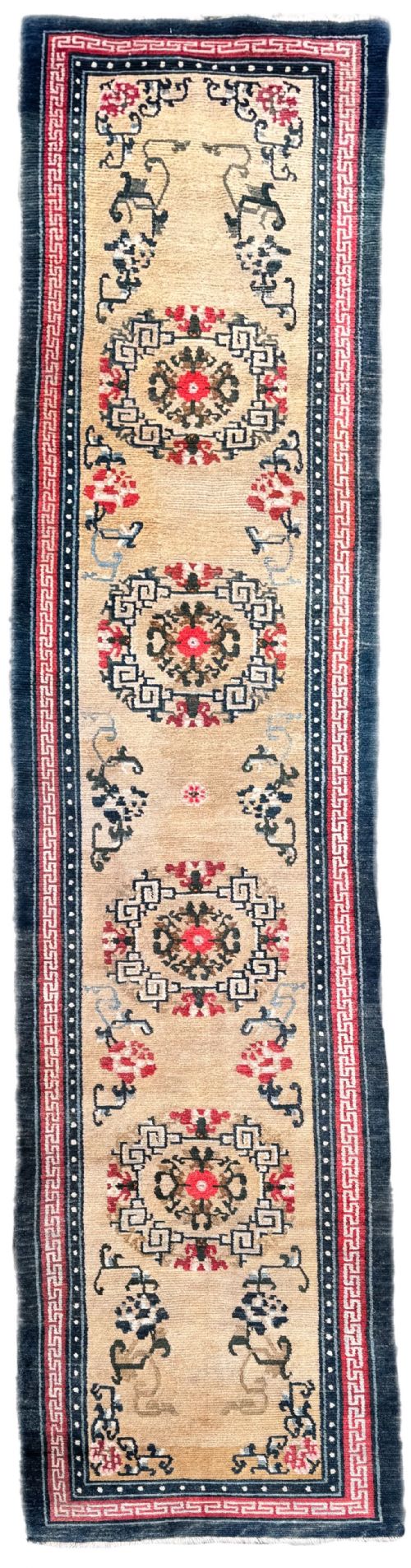
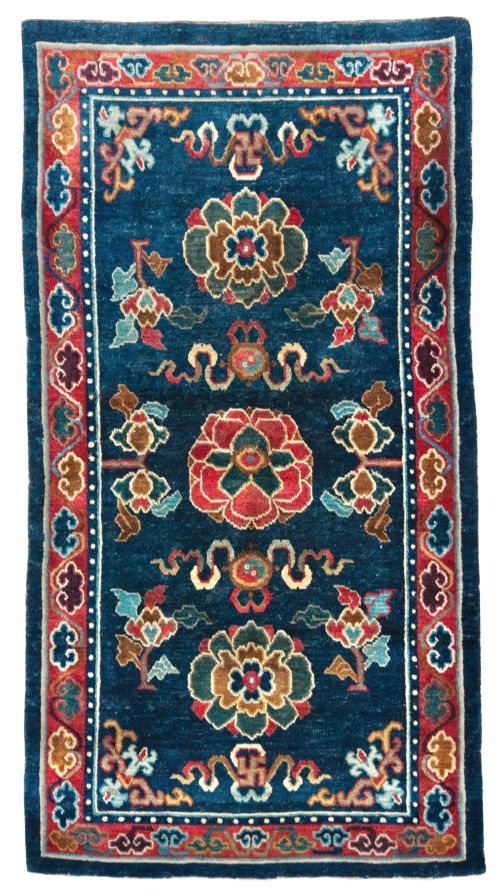
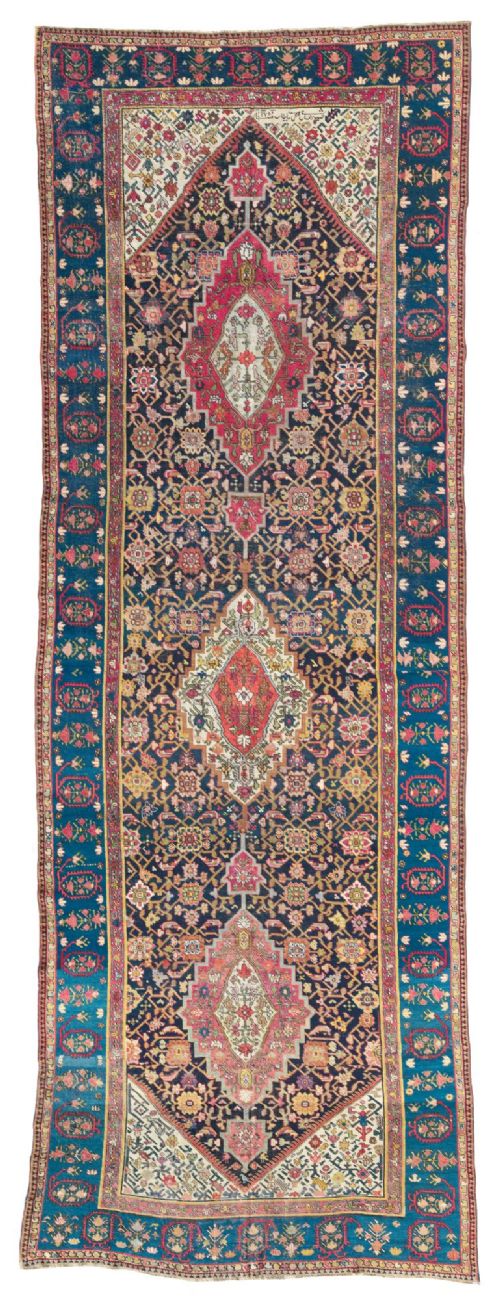
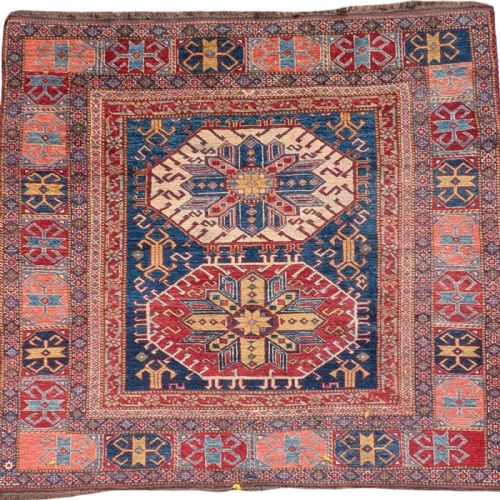
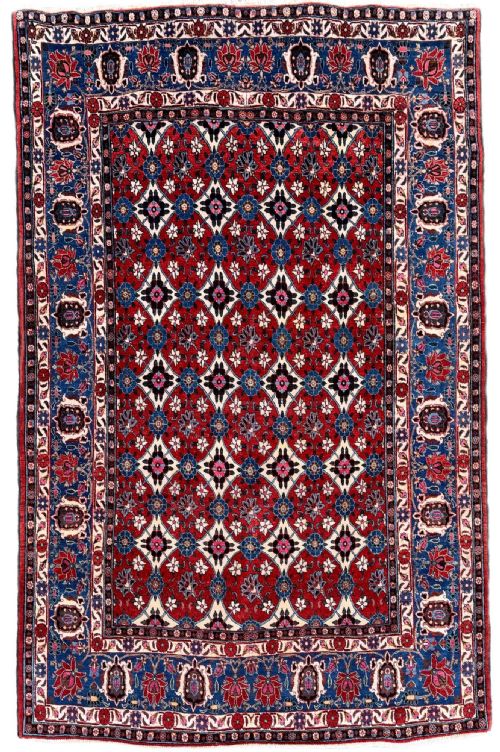
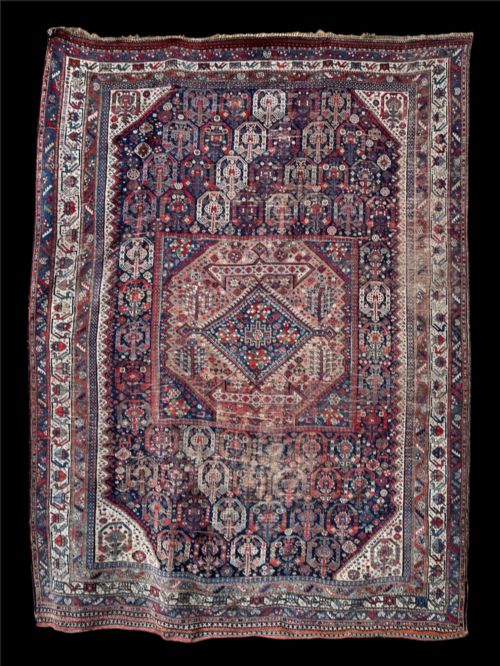
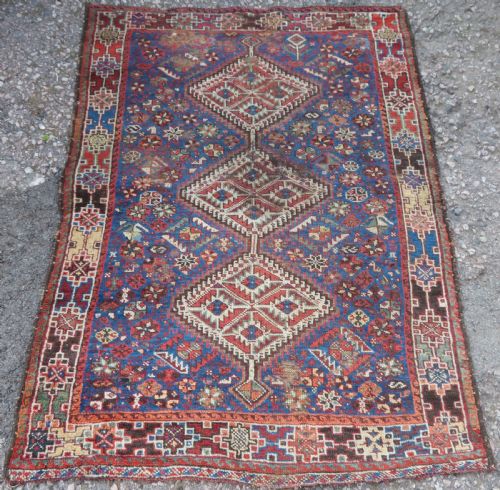
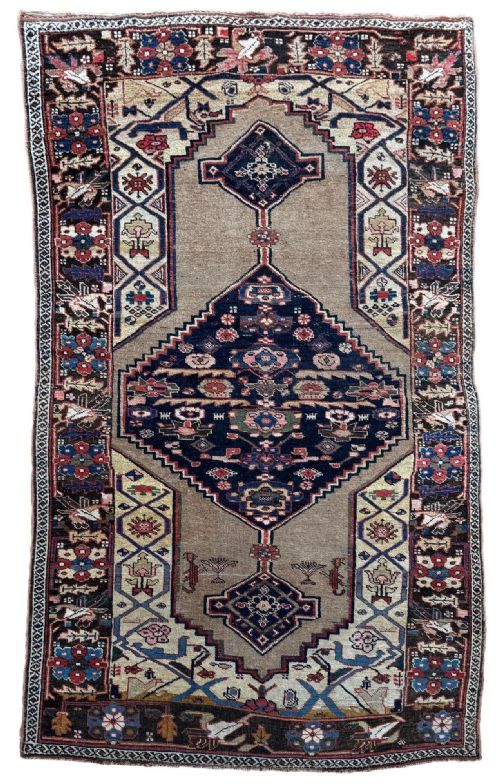
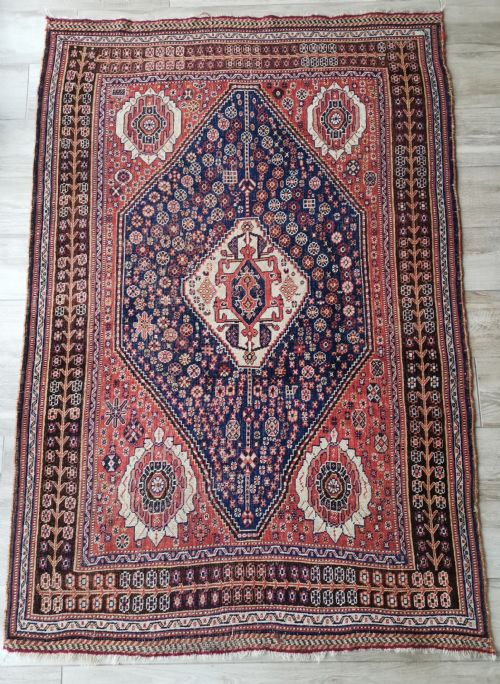
When you search for an indigo wool carpet, you encounter hand-knotted tribal rugs and main carpets originating from nineteenth-century weaving traditions across Persia, Anatolia, the Caucasus, and Afghanistan. These floor coverings carry distinctive regional motifs passed down through generations of nomadic and village makers.
The pieces on this page span the late nineteenth and early twentieth centuries, including specific tribal types such as Baluch, Timuri, Khamseh, Dosmealti, Gendje Kazak, and Quchan Kurdish rugs. Most examples function as area rugs or smaller formats suited to focused spaces within a traditional or modern interior.
How they were made
These carpets rely entirely on wool foundations and pile, often spun by hand before weaving to create varying textures and surface resilience. Natural dyes provide the deep blue ground colours and contrasting hues seen across the designs.
Weavers constructed each rug by hand on traditional vertical or horizontal looms, tying individual knots to form dense geometric or prayer designs. The regional workshops and nomadic camps employed techniques specific to their tribal groups, ensuring structural integrity through thick woolen piles.
Indigo Wool Carpet Retail Price Guide 2026
Typical asking prices for indigo wool carpet among the pieces listed under this phrase on Sellingantiques today, from the lower quarter to the upper quarter. They describe what is for sale here now, not the wider market.
Nomadic weavers often worked from memory alone, letting the patterns evolve organically with every row of knots.
What varies in quality
Quality in these carpets rests on the fineness of the knotting and the complexity of the tribal design. Tighter structures and more intricate geometric layouts separate finer village pieces from simpler utility weaves.
The depth and consistency of the natural indigo dye also determine the visual impact of the piece. Rich, saturated blue fields with well-preserved wool pile represent the upper tier of these tribal textiles.
The Indigo Wool Carpet Glossary
- Pile
- The upright yarn loops that form the soft surface of a carpet. This layer takes the wear and shows the woven design.
- Warp
- The vertical threads stretched lengthwise on the loom before weaving begins. The knots are tied around these foundational strands.
- Weft
- The horizontal threads passed between rows of knots to secure the structure. They help bind the carpet together row by row.
- Natural dye
- Colour extracted from plants, insects, or minerals rather than synthetic chemicals. These substances yield complex, varied tones that age gracefully.
- Prayer rug
- A small carpet featuring a mihrab or arch design indicating the direction of prayer. These pieces served personal or devotional functions in daily life.
Indigo Wool Carpet: Frequently Asked Questions
How do I clean an old wool carpet?
Professional gentle dusting and specialised low-moisture washing preserve the wool pile and natural dyes of these antique pieces. Avoid harsh chemical cleaners and heavy water saturation.
Regular light vacuuming without a beater bar removes surface grit that can cut the fibres over time. Lifting and shaking the rug gently also keeps the foundation clear.
Can I place these rugs in high traffic areas?
The dense hand-spun wool used in these tribal carpets provides natural resilience against everyday foot traffic. Placing a quality underlay beneath the rug prevents slipping and reduces fibre friction.
Lighter use hallways or studies suit these antique textiles best to preserve their historical pile and dye integrity. Rotating the carpet periodically ensures even wear across the surface.
How do I identify different tribal rug designs?
Regional characteristics such as border patterns, prayer arches, and specific knotting structures help distinguish Baluch, Kazak, and Khamseh styles. Each weaving group utilised distinct palettes and geometric motifs.
Comparing structural details like fringe finishes and wool texture provides further clues to origin. Reference literature on Persian and Caucasian tribal weaving aids precise attribution.
Are these carpets made with synthetic dyes?
The pieces listed here utilise traditional natural dyes derived from local plant and mineral sources. These colorants produce the characteristic deep indigo blue and secondary earthy tones seen in nineteenth-century examples.
Natural dyes interact with light and age with subtle tonal variations across the wool pile. This traditional coloration method defines the visual character of genuine antique tribal rugs.