




Imari Ware Wall Plates
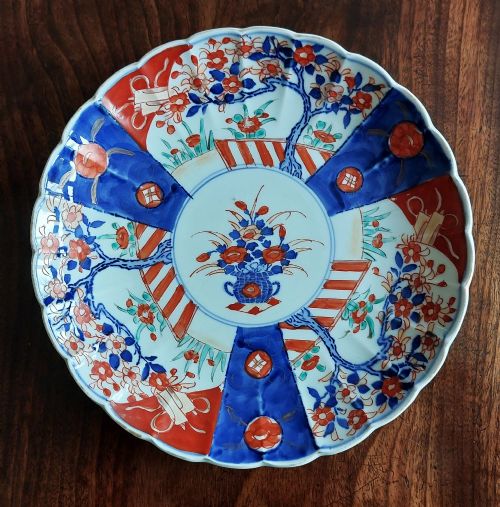
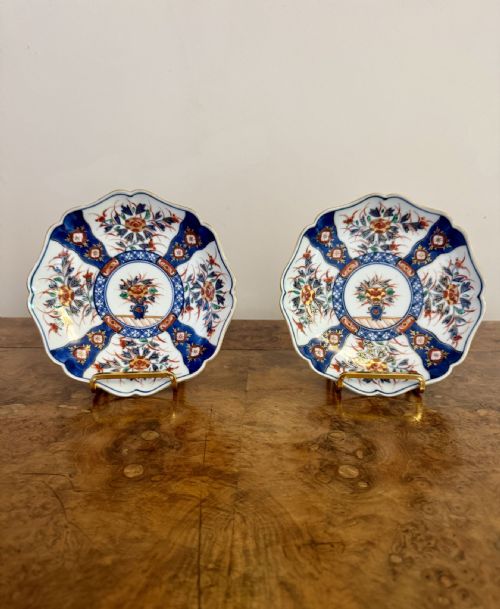
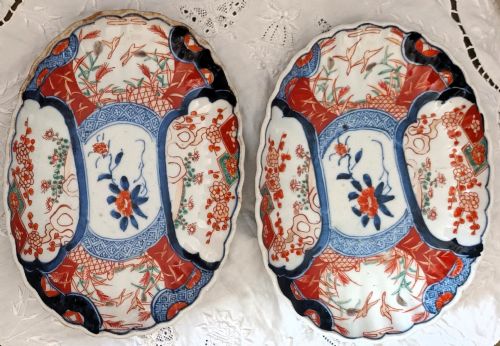
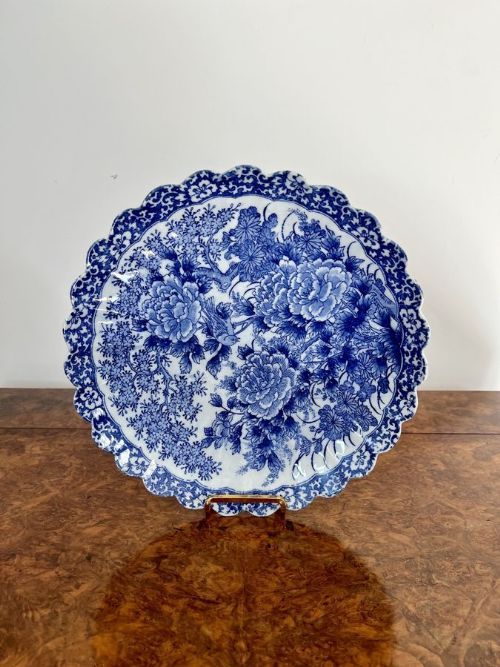
These imari ware wall plates bring together centuries of distinct Japanese ceramic artistry, offering rich colour palettes and varied forms for interior display.
Imari Ware Wall Plates
When you search for imari ware wall plates, you encounter a varied selection of decorative plates, dishes, and large chargers designed for display. The pieces span multiple centuries, ranging from early Edo period examples to later Meiji period items and pieces dated around nineteen hundred.
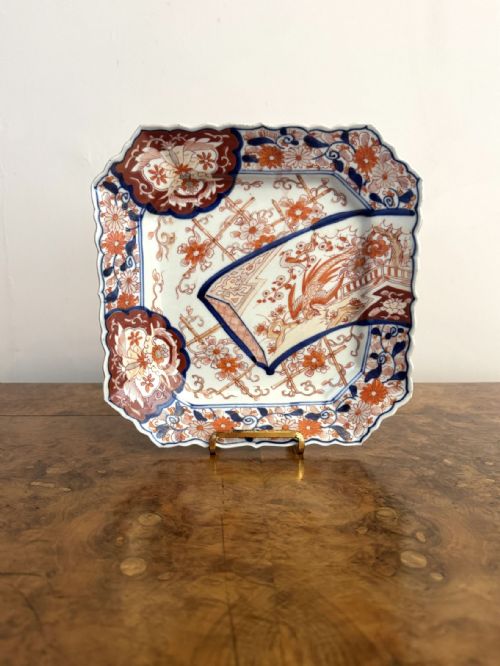
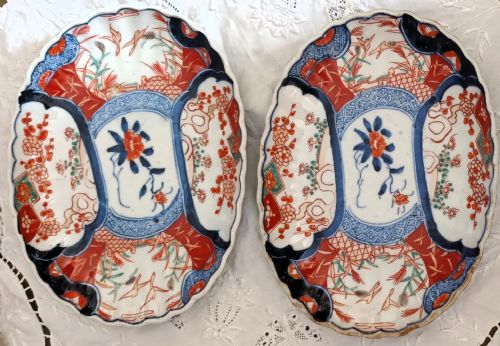
Most items you meet on this page originate from Japanese kilns, particularly in Arita, showcasing traditional motifs across round, scalloped, square, oval, hexagonal, shell, and fan shapes. These decorative plates function primarily as visual centerpieces rather than functional tableware.
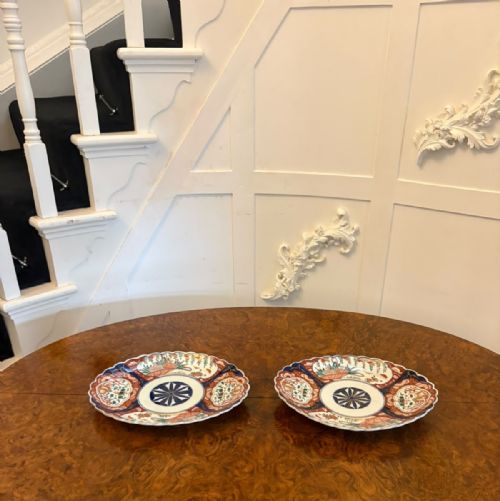
The selection includes both individual plates and matched pairs or larger sets, providing flexible options for wall mounting or cabinet display. The forms reflect both utilitarian ceramic traditions adapted for export and dedicated decorative display pieces.
Factors of quality
Quality in these ceramics rests upon the precision of the hand-painted brushwork and the clarity of the cobalt blue beneath the glaze. Superior examples display crisp definition in the scrolling foliate borders and balanced composition across the surface.
The complexity of the moulded or shaped edge, such as scalloped, hexagonal, or fan outlines, influences the character of the piece. Consistency in the application of enamel colours and gold leaf further separates standard production items from finer studio output.
The listings feature porcelain pieces spanning from the seventeenth century through the Edo and Meiji periods up to nineteen twenty, employing cobalt glaze, enamel, and gold leaf.
The Imari Ware Wall Plates Glossary
- Imari
- A style of Japanese porcelain originally exported from the port of Arita, traditionally characterised by a palette of underglaze blue, iron red, and gold. The name derives from the port through which these wares left Japan for Western markets.
- Charger
- A large decorative plate intended for display on a sideboard or wall rather than for serving food at table. These substantial pieces often feature the most complex painted compositions.
- Meiji Period
- The era in Japanese history lasting from eighteen sixty-eight to nineteen twelve, a time of significant artistic output for export ceramics. Pieces from this period frequently combine traditional motifs with refined manufacturing techniques.
- Edo Period
- The period spanning from sixteen hundred and three to eighteen sixty-seven, during which much foundational Arita porcelain production developed. Items from this time represent earlier stylistic phases of Japanese export ware.
- Aka-e
- Japanese term meaning red picture, used to describe wares decorated with red overglaze enamels. This colouring forms a defining element of the traditional imari palette alongside blue and gold.
Imari Ware Wall Plates: Frequently Asked Questions
How do I hang these plates safely?
Displaying these decorative pieces on a wall requires properly fitted spring-loaded plate hangers that distribute weight evenly across the rim. Ensure the mounting hardware is secured directly into wall studs or appropriate wall anchors.
Avoid hangers with bare metal wires that might abrade the porcelain glaze over time. Periodically check the tension of the hanger to maintain a secure hold on the scalloped or shaped edges.
Are these plates meant for dining?
These items serve primarily as decorative wall plates, chargers, and display dishes rather than functional tableware. Using them for food service risks damaging the overglaze enamels and delicate gold leaf details.
Keep them mounted on walls or placed in display cabinets to preserve their painted surfaces. Hand washing with mild soap is recommended only if cleaning becomes strictly necessary.
How do I distinguish Edo from Meiji pieces?
Distinguishing between Edo and Meiji periods involves examining the body weight, glaze texture, and painting style. Earlier Edo pieces often display heavier porcelain bodies and slightly more rustic cobalt application.
Meiji period items frequently exhibit finer brushwork precision and brighter enamel integration due to industrial advancements in kiln temperature control. Comparing the blue underglaze depth provides further clues to the date of manufacture.
What is Arita ware?
Arita ware refers to Japanese porcelain produced in and around the town of Arita in Hizen province. This region served as the primary ceramic manufacturing centre for imari export pieces.
Local clay composition and access to essential minerals allowed potters to produce fine white porcelain suited for intricate glazing. The term encompasses both blue and white designs and multi-coloured enamel decorated items.