

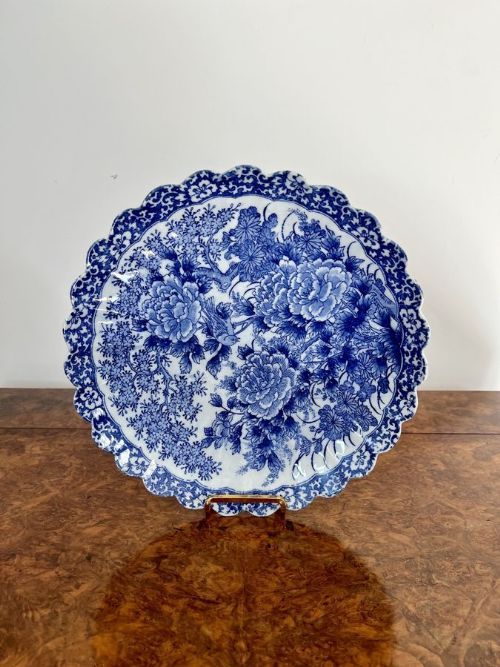


Edo Style Porcelain Dishes
These edo style porcelain dishes are decorative plates, chargers, and platters that bring traditional Japanese artistry into a home.
Edo Style Porcelain Dishes
Edo style porcelain dishes encompass decorative plates, chargers, and platters spanning periods from the seventeenth century through to the early twentieth century. When exploring this selection, buyers encounter traditional forms that reflect classic Japanese aesthetic principles and historical manufacturing traditions.
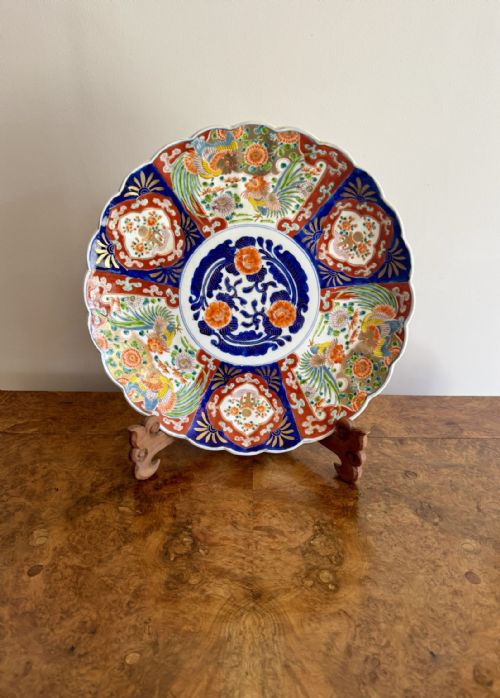
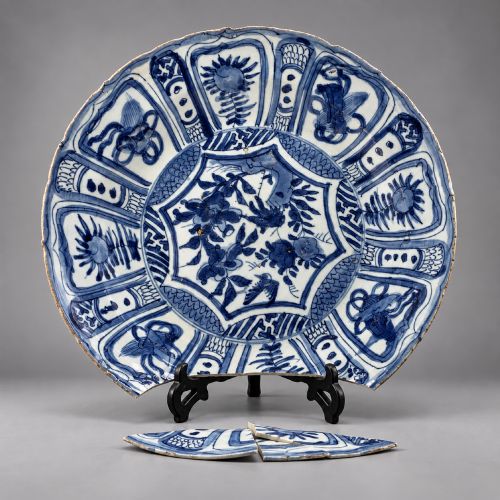
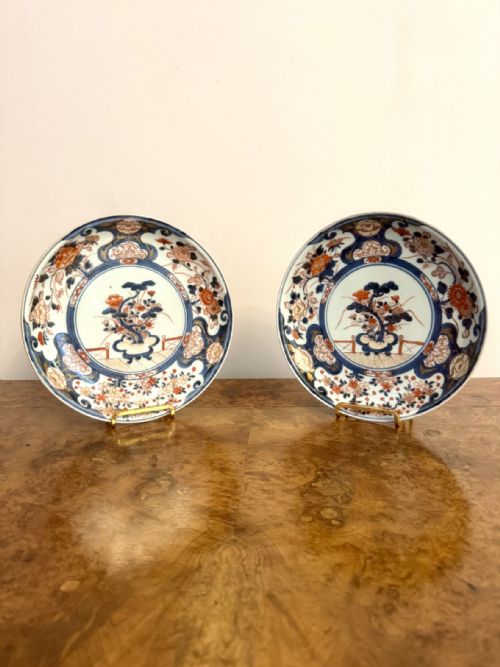
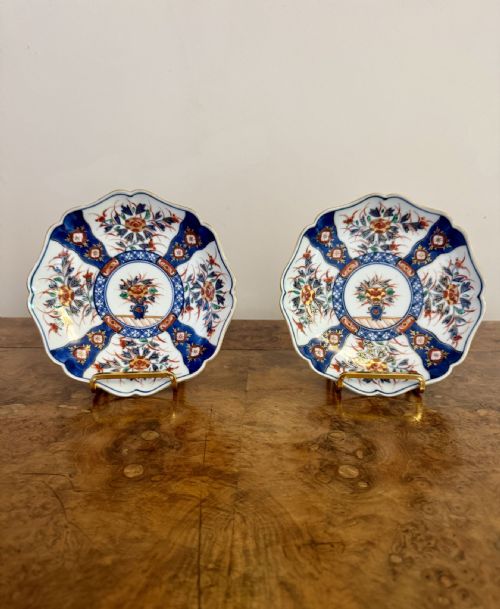
The majority of pieces visible in current listings date towards the later nineteenth and early twentieth centuries, alongside notable seventeenth-century examples. These items include both blue and white porcelain works and polychrome Imari designs featuring scalloped or unusual shaped edges.
Materials and construction
The foundation of every piece is hard-paste porcelain, decorated using cobalt underglaze pigments and vibrant enamel colours. Artisans applied cobalt glaze and gold leaf highlights to enhance the visual depth of the surface decoration.
Many items display hand-painted detailing executed with precise brushwork across the plate and charger surfaces. The combination of cobalt pigment and gilt accents demonstrates traditional firing and finishing techniques employed by period workshops.
Several plates feature deliberately unusual shaped edges, proving that potters enjoyed breaking the mould long before modern design.
Assessing quality
Excellence in these objects rests upon the precision of the hand-painted brushwork and the vibrancy of the enamel and cobalt glazes. Superior examples demonstrate a balanced composition and careful application of gold leaf.
The crispness of the porcelain moulding, particularly on scalloped or unusual shaped edges, distinguishes finer output from standard production. The clarity of the cobalt underglaze and the preservation of the surface decoration dictate the overall standing of an individual dish.
The Edo Style Porcelain Dishes Glossary
- Charger
- A large large decorative plate or platter intended for display rather than table service. These substantial vessels often form the centrepiece of a ceramic collection.
- Imari
- A traditional style of Japanese porcelain featuring a distinctive palette of underglaze blue, iron red, and gold. The style originated in the Hizen province and gained immense popularity for export.
- Cobalt Underglaze
- A blue pigment applied to the raw porcelain body before glazing and firing at high temperatures. This technique ensures the colour remains permanent and protected beneath the glassy surface.
- Scalloped Edge
- A decorative border shaped into a series of interconnected curves mimicking natural forms. This moulding technique requires skilled hand-forming while the clay is soft.
- Gilt
- A thin layer of gold applied to the surface of the porcelain as a decorative accent. This finish adds a reflective quality that complements the underlying enamel colours.
Edo Style Porcelain Dishes: Frequently Asked Questions
How were chargers used historically?
Large chargers served primarily as decorative display pieces on sideboards or walls within wealthy interiors rather than for serving food.
Their substantial size allowed artisans to showcase intricate painting techniques and complex compositional layouts.
What is Imari porcelain?
Imari porcelain refers to Japanese wares exported through the port of Imari, characterised by rich blue, red, and gold decoration.
This distinct aesthetic combined cobalt underglaze painting with overglaze enamel highlights to create striking visual contrast.
How do I care for antique dishes?
Antique porcelain and enamel surfaces require gentle cleaning with a soft, dry cloth or lukewarm water without harsh detergents.
Displaying them securely away from direct sunlight and sudden temperature changes protects the delicate glazes and gold leaf.
How do I identify seventeenth-century pieces?
Early pieces from the seventeenth century often display heavier potting, deeper blue tones, and specific stylistic brushwork characteristic of the early Edo period.
Comparing the paste density, glaze texture, and decorative motifs helps distinguish these foundational works from later nineteenth-century revivals.