







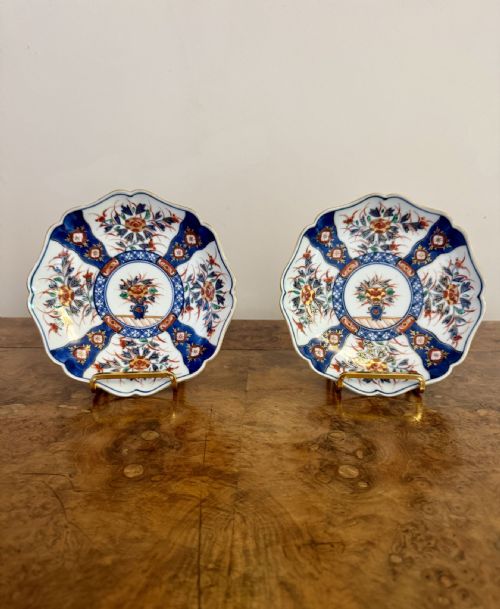
Imari Wall Dish
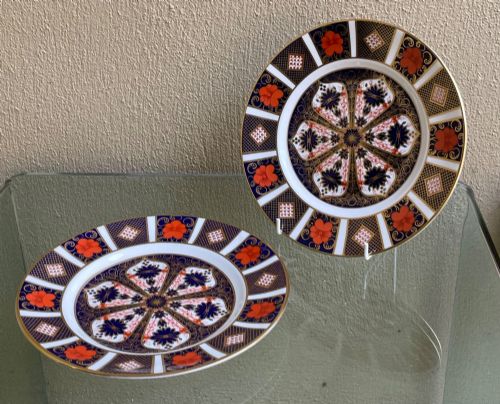
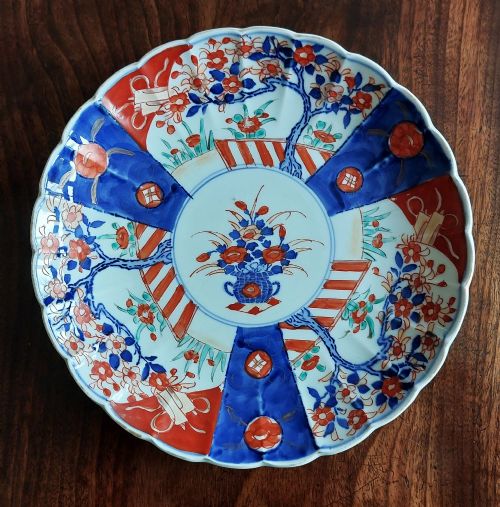
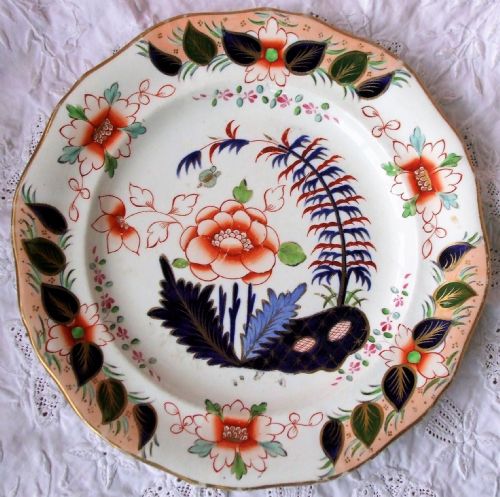
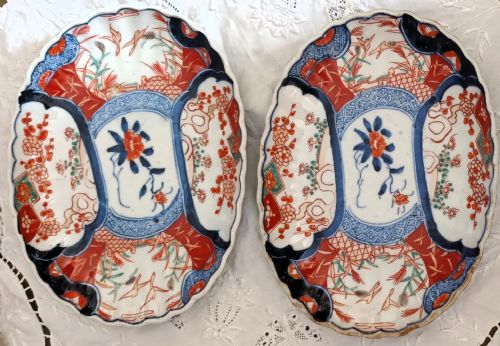
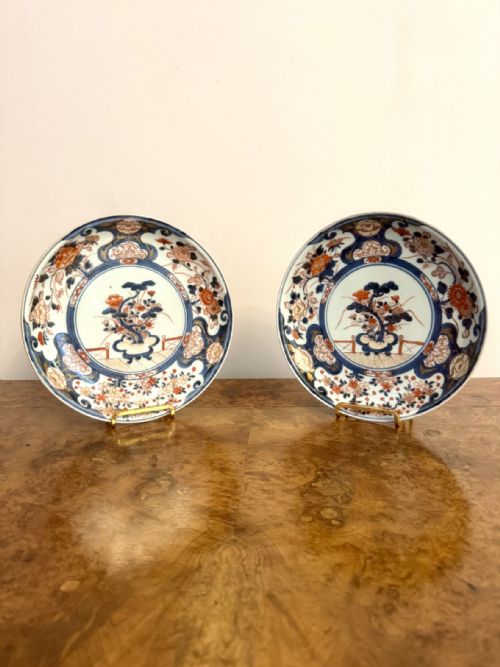
An imari wall dish brings a palette of cobalt underglaze, iron red and gold gilt directly onto the surface from Meiji Japan, Qing China and Georgian England.
Imari Wall Dish
When you search for an imari wall dish, you encounter decorative plates, chargers and display dishes spanning the eighteenth, nineteenth and twentieth centuries. The pieces originate primarily from Japanese kilns such as Arita, alongside Chinese export ventures and English factories reproducing the palette.
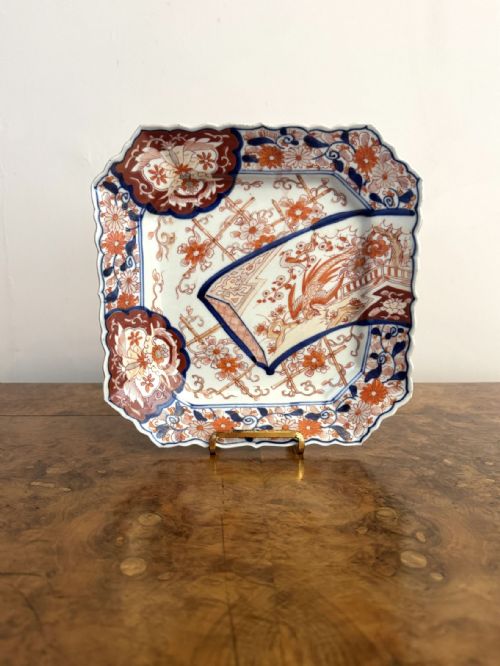
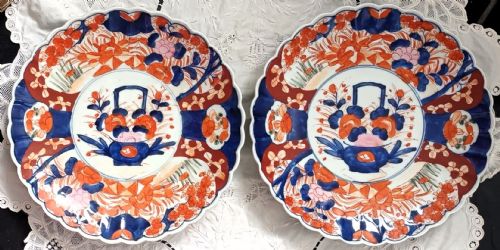
The format ranges from standard circular plates to large chargers, oval dishes and scalloped edges designed for display. Most examples date from the Meiji period and the later nineteenth century, though earlier eighteenth-century Chinese and Georgian English interpretations appear.
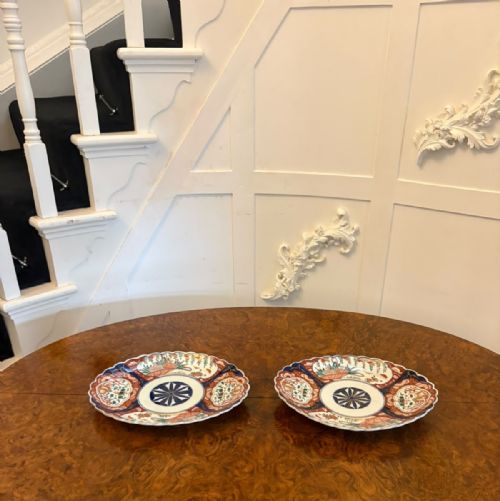
These items were created primarily for visual impact, utilising strong colour contrasts to ornament interiors. Collectors encounter both individual display plates and matched pairs or larger sets.
Materials and construction
The foundation relies on ceramic bodies such as porcelain and ironstone, shaped into plates, bowls and chargers. Kiln workers applied cobalt blue underglaze before the initial firing, establishing the deep blue motifs.
Overglaze enamels in iron red, green and other colours were added in subsequent firings, often accented with gold leaf, gold gilt or enamel highlights. This layered technique produced the characteristic rich surface texture associated with the style.
Listings feature porcelain and ironstone bodies decorated with cobalt underglaze, enamel and gold gilt from the eighteenth to the twentieth century.
Distinctions in quality
Quality rests upon the crispness of the hand-painted brushwork and the precision of the cobalt underglaze against the enamel and gold highlights. Finer examples display intricate rendering of subjects such as exotic birds or the Seven Lucky Gods without blurring or pooling.
The weight of the porcelain body, the regularity of scalloped or square moulded edges, and the preservation of the gold leaf across the surface distinguish standard production pieces from finer studio or factory work.
John Davenport of Longport·Worcester Flight Barr And Barr
The Imari Wall Dish Glossary
- Imari style
- A decorative ceramic scheme originating in Japan and copied in Europe, defined by a palette of cobalt blue, iron red and gold.
- Charger
- A large decorative plate intended for display on a wall or sideboard rather than for service at the table.
- Meiji Period
- The era in Japanese history spanning from 1868 to 1912, noted for significant export of high-grade porcelain.
- Cobalt underglaze
- A blue pigment applied to the raw ceramic body before glazing and firing, which reacts to high heat to produce a permanent blue design.
- Ironstone
- A type of durable heavy earthenware developed in nineteenth-century England to imitate oriental porcelain.
Imari Wall Dish: Frequently Asked Questions
How do I hang an imari wall dish safely?
Display dishes typically require a coated wire spring hanger that grips the rim without applying excessive pressure to the ceramic body. Ensure the wall fixing secures firmly into masonry or a stud.
Avoid hanging pieces in direct sunlight or above active heat sources, as fluctuating temperatures can stress old enamel and porcelain over decades.
Were these dishes meant for dining?
Most large chargers and heavily gilt plates served decorative display roles rather than everyday dining functions. Their intricate enamel and gold leaf surfaces were easily worn by cutlery.
Smaller plates in matched sets sometimes saw light table use, but the survival of bright gilding generally indicates cabinet or wall exhibition.
How do I tell Japanese imari from English imari?
Japanese production usually employs a brighter white porcelain body with dynamic brushwork depicting traditional iconography like birds and deities. English iterations often utilise ironstone or bone china bodies shaped by domestic potteries.
Examination of the foot ring and any factory stamps on the reverse helps clarify the geographic origin of the piece.
What does Meiji period mean for these plates?
The Meiji period designates the reign of the Emperor Meiji in Japan between 1868 and 1912, marking an era of increased ceramic export to Western markets. Pieces from this time show high technical proficiency in enamel application.
Items bearing this attribution reflect the aesthetic standards of late nineteenth-century Japanese kilns.